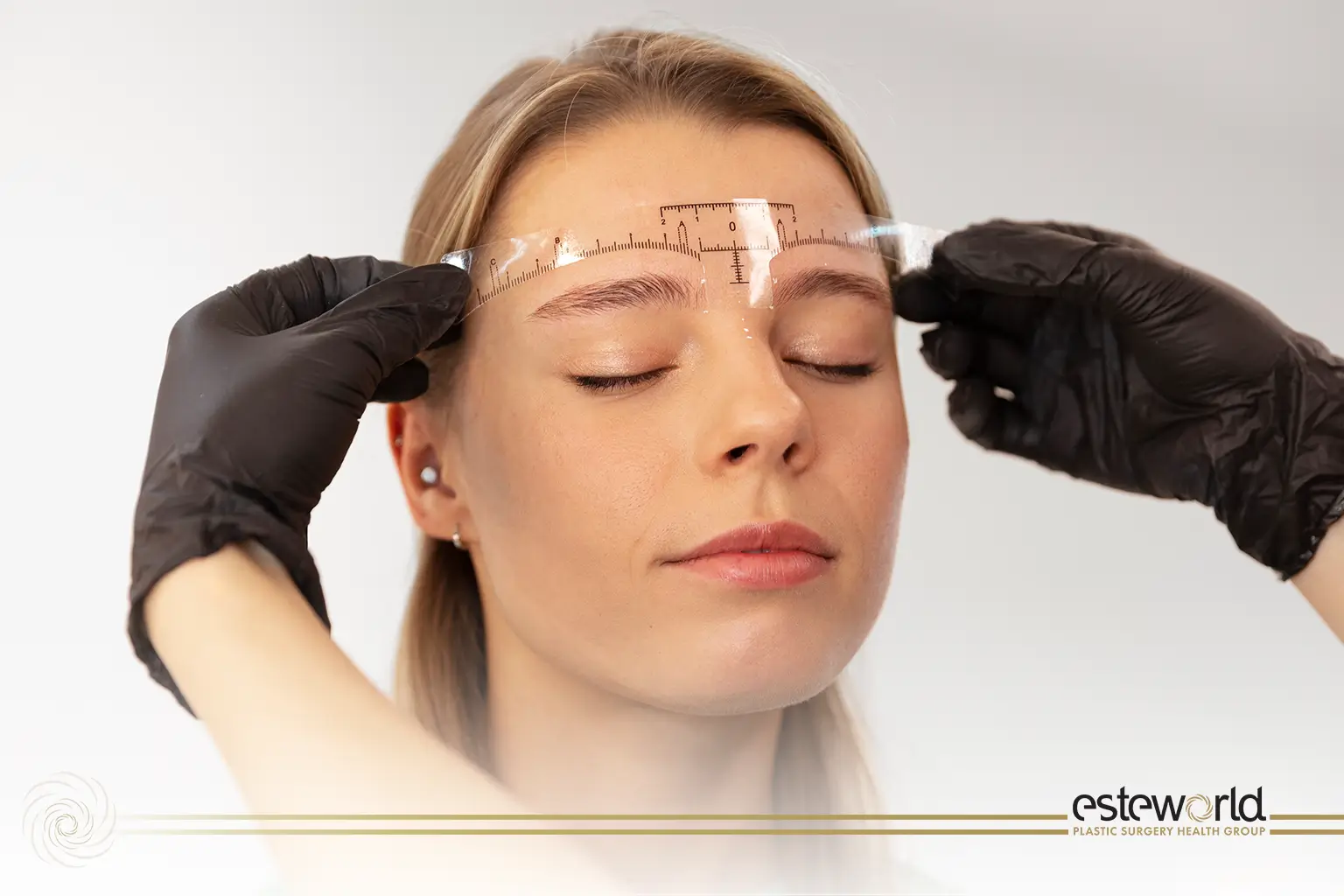

Eyebrow transplant is a transformative solution for those seeking fuller, natural-looking brows — but the journey doesn’t end in the treatment chair. The success of an eyebrow transplant depends heavily on proper aftercare. From the moment the procedure is completed, a careful routine is essential to protect the newly implanted follicles, encourage healthy growth, and achieve long-lasting results. In this guide, we’ll walk you through everything you need to know about caring for your transplanted eyebrows, including the do’s and don’ts of grooming, maintenance tips, and expert-backed advice to help you get the best outcome from your investment.
Process After Eyebrow Transplant
Undergoing an eyebrow transplant is a significant step towards achieving fuller, natural-looking brows. However, understanding the healing timeline and what to expect after the procedure is crucial for a successful outcome. Here’s a detailed look at the process after an eyebrow transplant, including the recovery stages and care tips you need to follow.
Day 1–3: Immediate Post-Op Period
In the first few days, mild redness, swelling, and tiny scabs are completely normal around the treated area. It’s important not to touch or wash the eyebrows. Patients are typically advised to sleep with their head elevated to reduce swelling and avoid any friction or pressure on the brow area.
Day 4–7: Scabbing and Initial Shedding
Scabs may begin to flake off naturally. Do not pick at them, as this can damage the follicles. Some transplanted hairs might fall out during this period — this is a normal part of the growth cycle known as “shock loss.”
Week 2–4: Resting Phase Begins
The brow area starts to look more settled. Although most transplanted hairs may shed by now, the follicles remain active beneath the skin. It’s normal not to see immediate regrowth — patience is key.
Month 2–3: Early Regrowth Phase
Tiny new hairs begin to emerge. They may appear thin or wiry at first, but this is part of the natural maturing process. You can start gently cleansing and moisturizing the area with products approved by your doctor.
Month 4–6: Visible Results Take Shape
This is the stage when most patients start to notice fuller, healthier brows. Trimming may be required occasionally, as transplanted hair tends to grow longer than natural eyebrow hair.
Month 6–12: Final Results and Shaping
Full growth is typically achieved within a year. Your brows will look more refined, and you may shape or groom them as desired. Regular maintenance, such as trimming and styling, becomes part of your routine.
What Should Be Considered After Eyebrow Transplant?
Caring for your eyebrows properly after a transplant is essential for achieving natural, long-lasting results. The first few weeks post-procedure are especially important, as this is when the transplanted follicles begin to settle and heal.
Avoid touching, scratching, or rubbing the brow area, even if it feels itchy. Let scabs fall off naturally to prevent damaging the grafts. Refrain from applying makeup or creams for at least 10 days, unless advised by your doctor. During this period, also steer clear of intense workouts, saunas, and direct sun exposure, as excessive heat and sweat can interrupt the healing process.
Sleeping with your head elevated can reduce swelling and protect the transplanted area from pressure. Once the initial shedding phase (shock loss) is over — which is a normal part of the healing process — new hairs will begin to grow gradually over the next few months.
For best results, follow your surgeon’s aftercare instructions closely and attend all follow-up appointments. With the right care, your new brows will grow in beautifully and naturally.
Post Eyebrow Transplant Care Tips
Proper aftercare following an eyebrow transplant is crucial to ensure healthy growth and natural-looking results. Below are essential tips to help you care for your new brows and support the healing process:
1. Avoid Touching or Scratching
The transplanted area may feel itchy or tight, but it’s important not to touch or rub it. Scratching can dislodge grafts and lead to infection or scarring.
2. Keep the Area Clean (Gently)
Use a saline solution or a cleanser recommended by your doctor. Avoid harsh soaps or rubbing motions during the first 7–10 days.
3. Let Scabs Fall Off Naturally
Do not pick at the tiny scabs that form. These protect the healing follicles and will shed on their own within a week.
4. Protect from Sun and Sweat
Stay out of direct sunlight and avoid sweating heavily for at least 10–14 days. UV exposure and sweat can irritate the area and delay healing.
5. Sleep With Your Head Elevated
Use extra pillows to keep your head elevated during the first few nights. This helps reduce swelling and protects the grafts from pressure.
6. Avoid Makeup and Skincare Products
Hold off on applying makeup, moisturisers, or exfoliants to your brows until your doctor gives the all-clear.
7. Follow Up With Your Specialist
Attend all scheduled check-ups to monitor progress. Your doctor may suggest mild trimming or grooming once the hair starts to grow.
Caring for transplanted eyebrows with patience and the right techniques is the key to achieving fuller, more natural-looking, and long-lasting results. From avoiding direct contact in the first few days to following a consistent care routine as they grow, every step plays a vital role in the success of your transplant. Always follow your specialist’s post-procedure instructions and take care during the healing process. For those seeking a professional and personalized approach, Esteworld offers expert solutions that combine advanced techniques with proven care protocols. Contact us for more information about eyebrow transplantation.