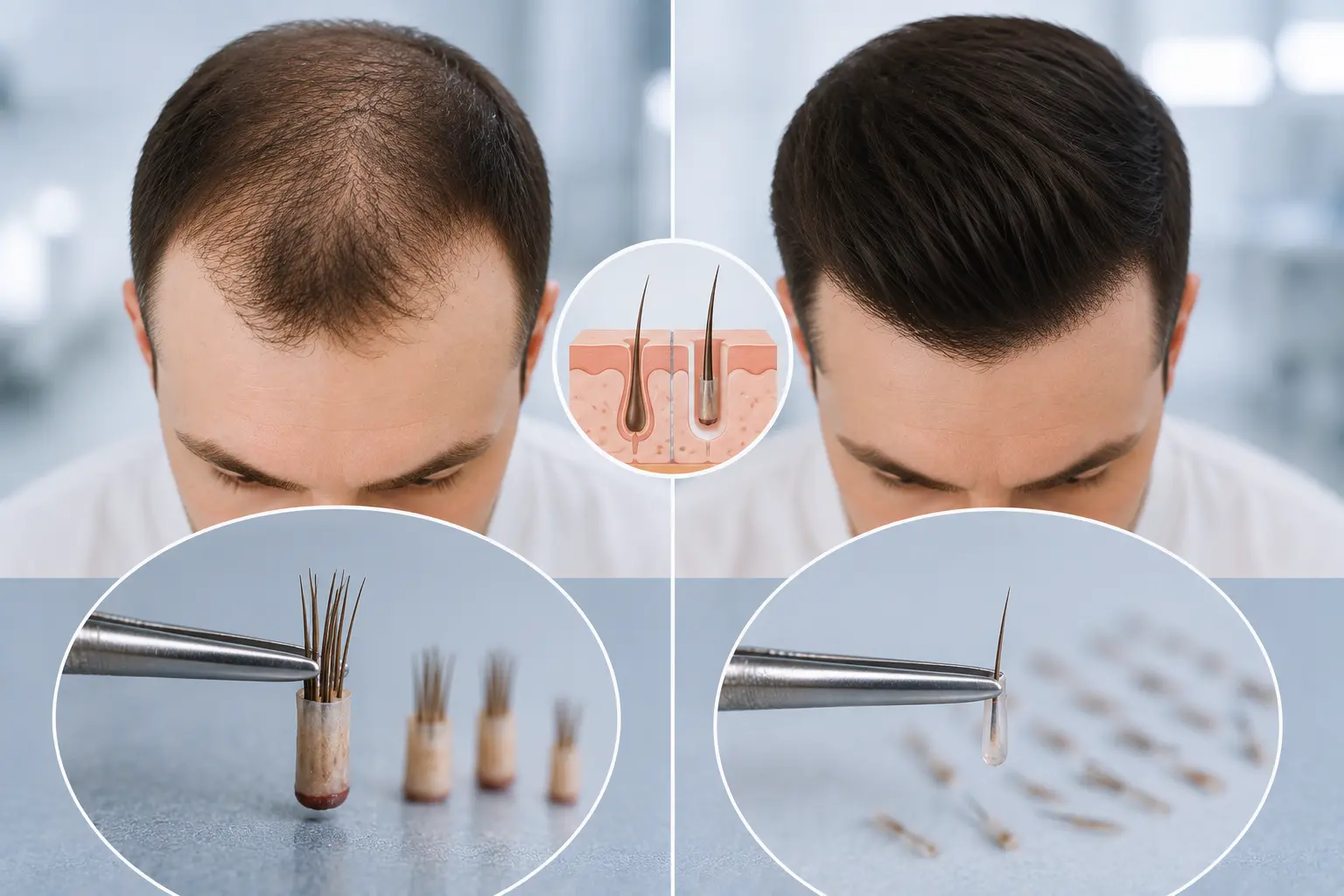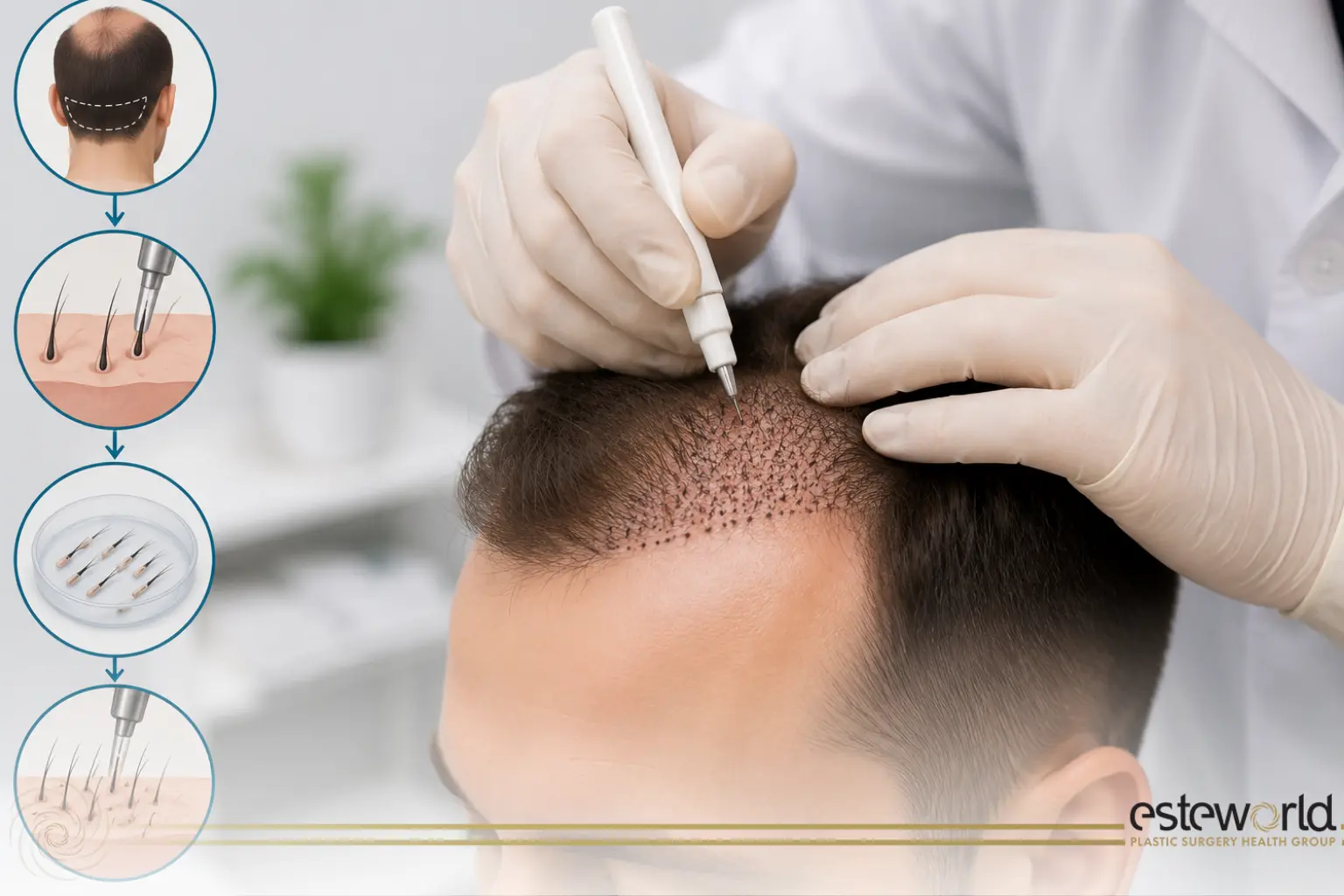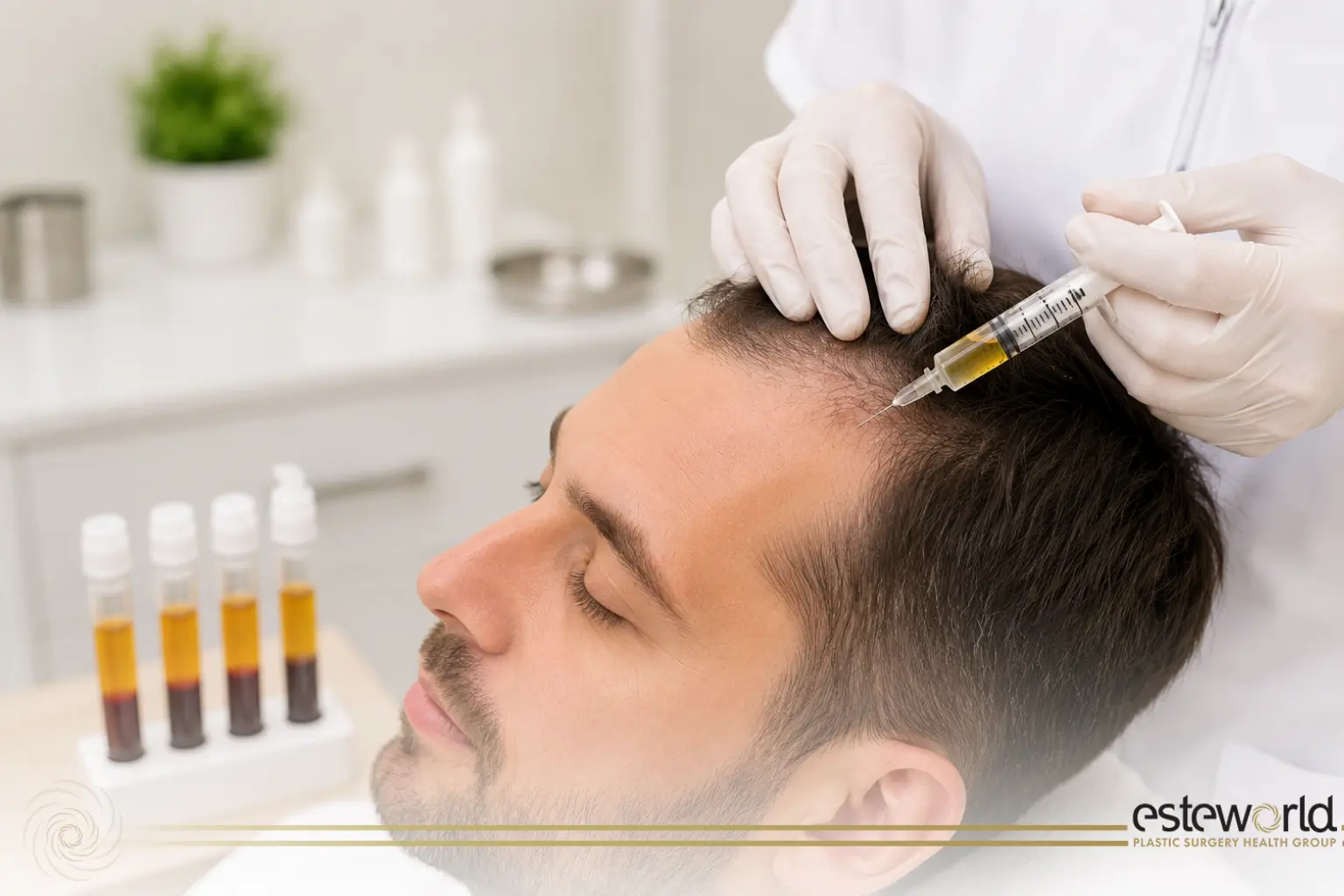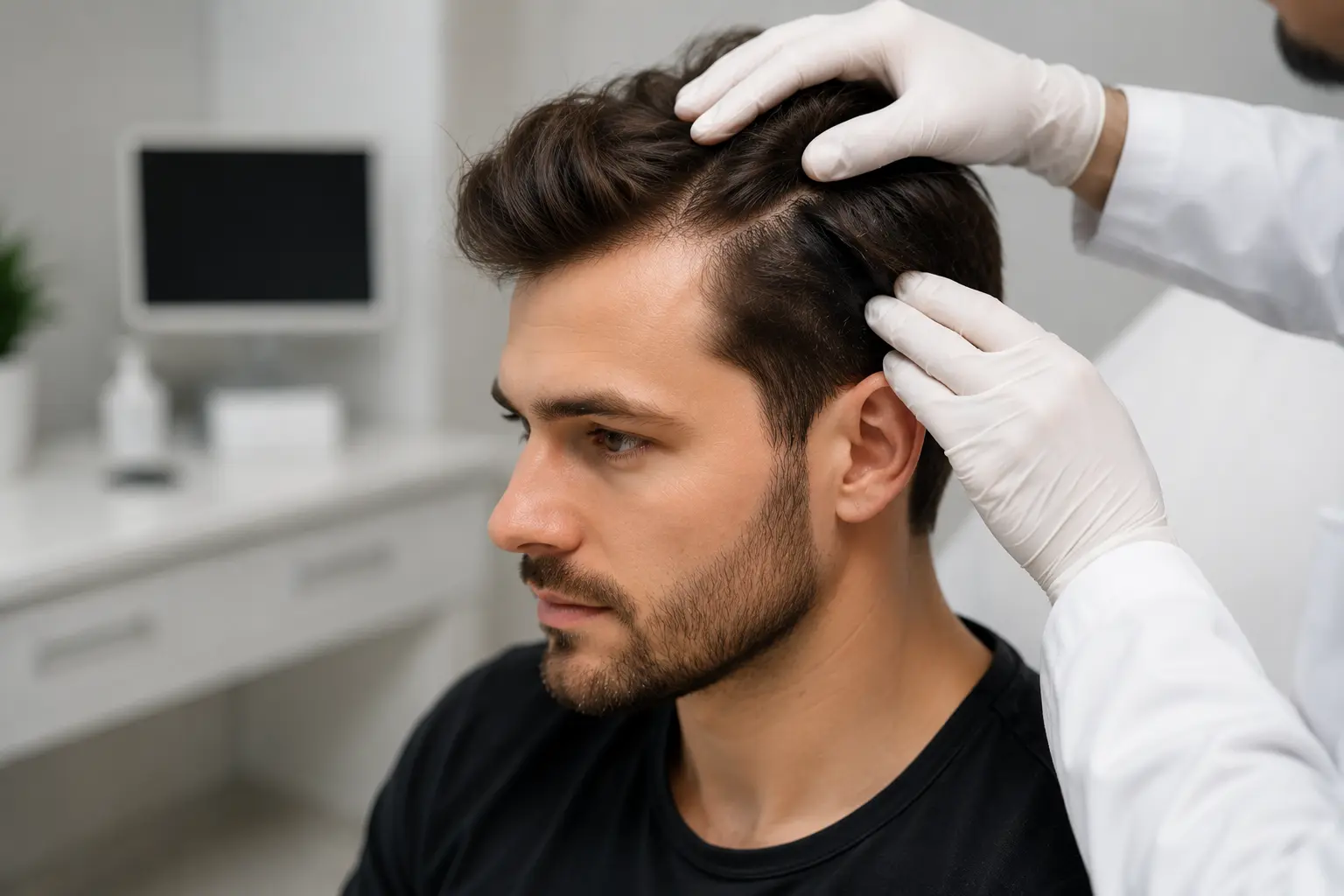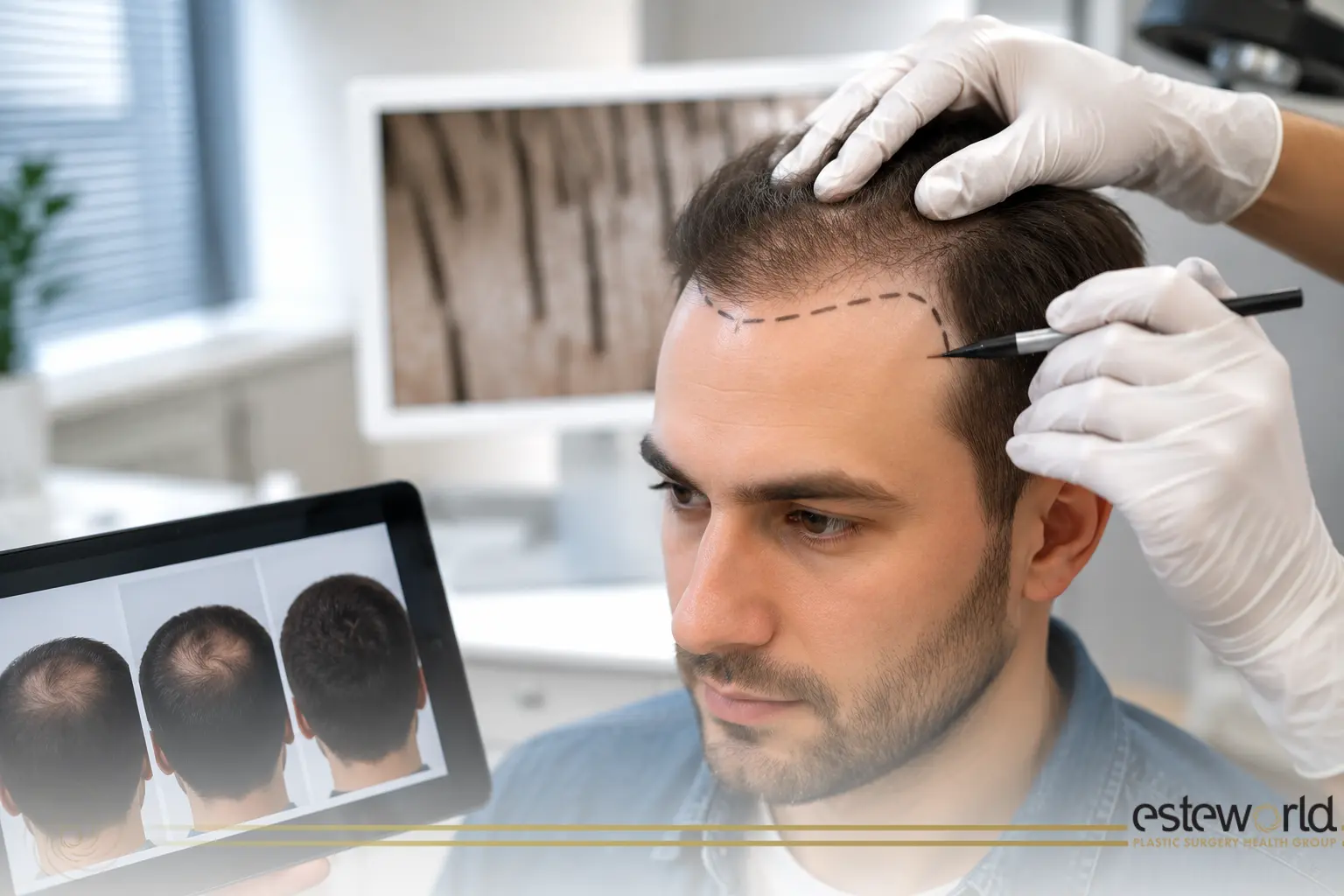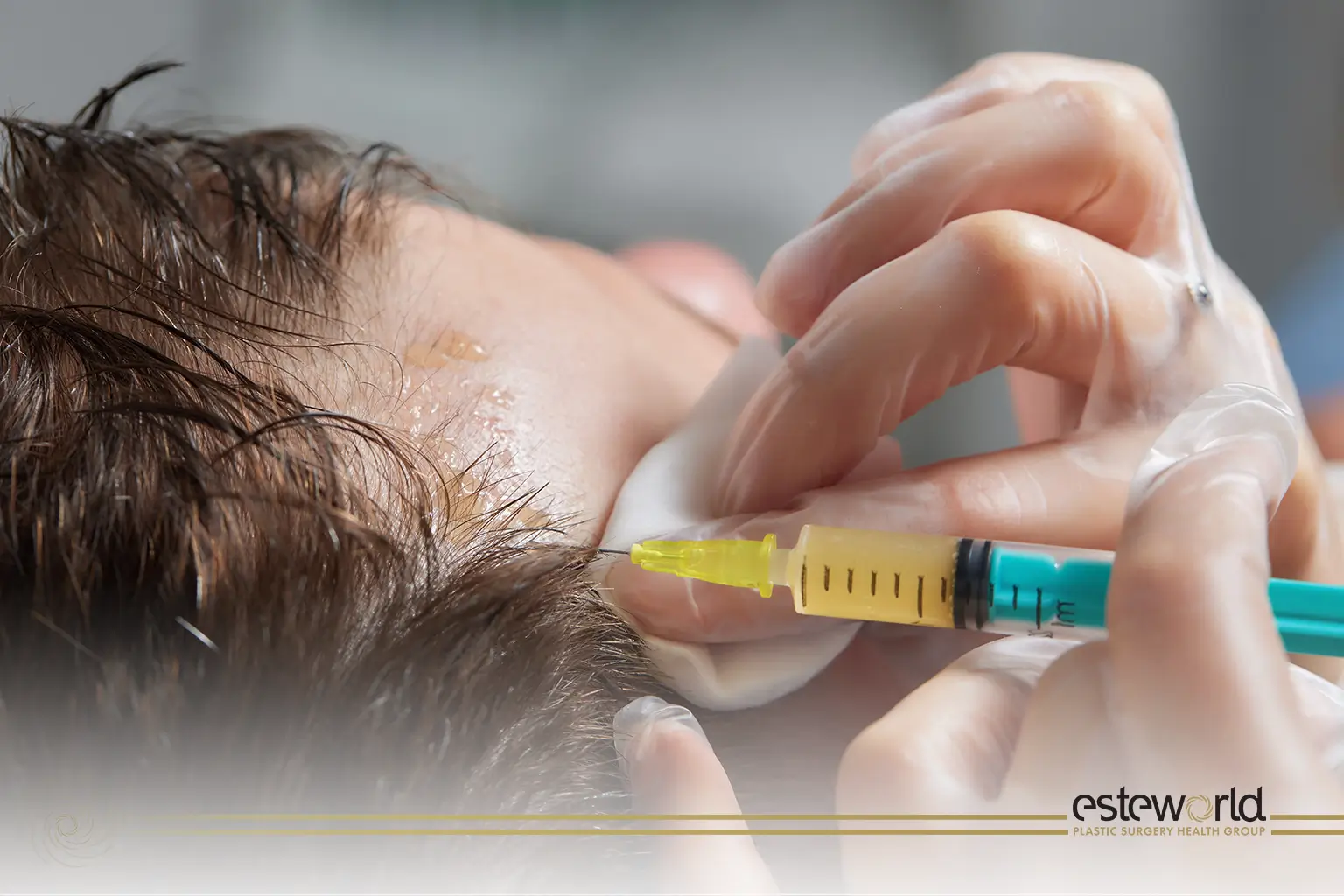

Although hair transplantation is a permanent solution for people with hair loss, not only surgical intervention but also the medications used play a critical role in the success of the procedure. It is important to choose the right medications for hair transplantation to produce effective and long-lasting results. Medications used in conjunction with hair transplantation can fulfill a variety of purposes, including maintaining the health of the transplanted hair follicles, strengthening existing hair and promoting new hair growth. Therefore, integrating medications with the right strategy during the hair transplantation process is an important factor in achieving successful and aesthetically satisfying results.
Do I Need to Take Medication After Hair Transplant?
Your doctor may recommend that you take certain medications after your hair transplant operation. This recommendation is made to promote healthy hair growth and help your hair transplant achieve the results you want.
You may also need to take certain medications before, during and after the procedure to ensure a successful and painless hair transplant.
At the beginning of the operation, your surgeon will usually use an anesthetic such as Lidocaine as a local anesthetic. This numbs the affected areas of the scalp, making the procedure painless. Lidocaine is a fast-acting, short-lasting anesthetic with no side effects and ensures a comfortable experience during the procedure.
After the operation, cortisone steroids may be administered to prevent swelling. In addition, your surgeon will apply an antiseptic dressing to the donor area of the scalp to reduce the risk of infection.
In this way, the medications taken during the hair transplantation process play a critical role in both providing a painless operation experience and supporting healthy hair growth.
Which Medications Should I Take After Hair Transplant?
Your surgeon or hair loss consultant will discuss with you in advance the medications you will need to take after a hair transplant. Here are some of the commonly prescribed medications:
- Antibiotics: Prescribed to prevent infection that can damage hair grafts.
- Prednisolone: It is a steroid that prevents and reduces swelling from the hair transplant. It can be used up to one week after the procedure.
- Rogaine (Minoxidil): The brand name for Minoxidil, which stimulates hair growth and creates thick, healthy hair. Recommended to reduce shock loss and protect native hair.
- Propecia (Finasteride): A hair growth stimulant used to treat hair loss. It can minimize hair loss that continues after a hair transplant.
- Antihistamines: Considering that new hair grafts may be itchy, they can be used to prevent itching.
Regular use of these medications after hair transplantation is important to promote healthy hair growth and achieve the desired results. If you are considering taking any other medication, it is advisable to speak to your hair loss consultant, as they can assess whether new medications may affect the success of your hair transplant.
Can I Take Painkillers After Hair Transplant?
There is usually mild pain and discomfort after hair transplantation. You can usually take prescription or over-the-counter mild painkillers as recommended by your surgeon. It is important to contact your doctor before use and not to exceed the recommended dosages. Painkillers can help with post-operative relief, but the use of any medication should not be done without prior consultation.
Are Medications Effective in Hair Transplant Success?
Yes, medications taken after hair transplantation can support successful outcomes. Antibiotics can reduce the risk of infection, prednisolone can prevent swelling, Minoxidil can promote hair growth and Finasteride can control hair loss. However, the effect of medications may vary from person to person and should be used according to the doctor’s recommendations. Medications can play an important role in the success of the hair transplant procedure but should be carefully managed.
Hair transplantation at Esteworld is performed by expert plastic surgeons. Our specialist doctors closely follow the developments in hair transplantation. Plans the hair transplantation process individually. Provides maintenance and follow-up care until permanent and natural results are achieved. You can contact us for detailed information about hair transplantation and the process.