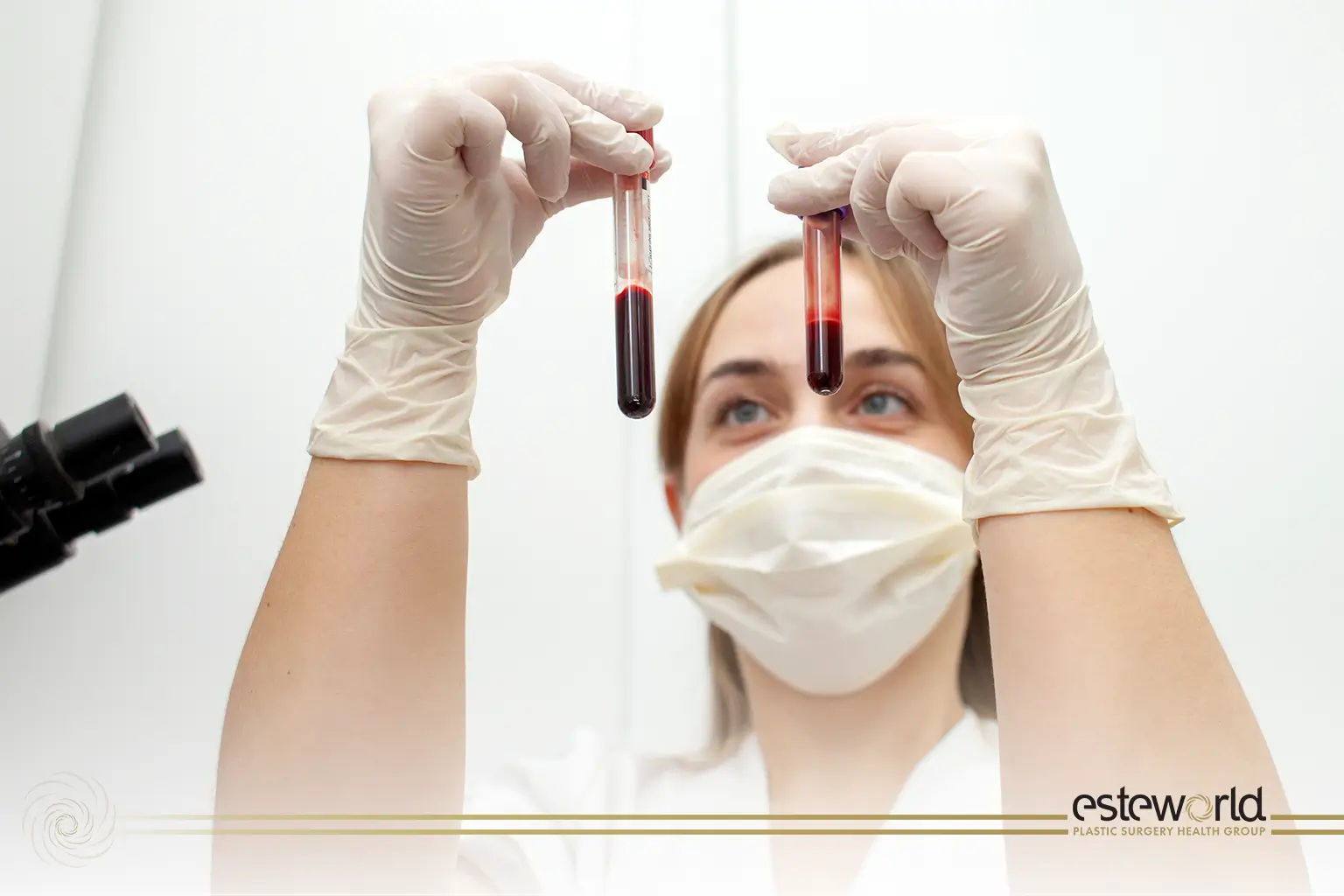

Blood tests before a hair transplant help the clinical team assess anaemia, infection, clotting, glucose control, organ function and conditions that may influence hair loss or recovery. The exact panel is not identical for every patient: it should reflect medical history, medicines, symptoms, procedure plan and the clinic’s protocol.
Hair transplant surgery is a major medical procedure that requires careful preparation to achieve the best results and minimize risks. As part of this preparation process, various blood tests are recommended. These tests are of great importance to assess the patient’s overall health, identify potential underlying conditions that may affect the surgery or its results, and ensure the safety of the procedure.
You can learn about the critical blood tests that are generally recommended before hair transplantation by continuing to read.
Blood results are only one part of pre-procedure assessment. A clinician also needs the patient’s medical history, current medicines and supplements, allergies, previous procedures, hair-loss pattern, scalp condition and donor-area examination. A normal laboratory report does not replace a face-to-face medical evaluation or guarantee a particular result.
Is a Blood Test Necessary Before Hair Transplantation?
A medical assessment is necessary before hair transplantation, and blood tests may form part of that assessment. The clinic determines the required panel according to the procedure, anaesthesia or medication plan, health history and local protocol. Not every possible test is routinely appropriate for every healthy patient.
A blood test is required before hair transplantation! This may seem quite surprising because most people think of hair transplantation only as an aesthetic enhancement method. Yes, hair transplantation beautifies a person’s general appearance and makes it easier to have natural hair. However, it is important to remember that this is a medical procedure. Even minimally invasive plastic surgery still carries certain outcome risks.
Preoperative procedures usually include a general health examination. Before hair transplantation, it is necessary to undergo a medical examination to ensure that you are healthy enough to undergo the procedure. Tests are performed the day before surgery, allowing sufficient time to complete or reschedule treatment.
The timing described above should be confirmed with the treating clinic. Some results may need to be obtained earlier if the patient has a known condition, uses anticoagulants or other relevant medicines, reports symptoms, or requires further assessment. Testing too close to the procedure may leave insufficient time to clarify an unexpected result.
Blood testing may be used for two related but distinct purposes:
- Procedure safety: to identify findings that could affect bleeding, infection risk, medication handling, glucose control or recovery.
- Hair-loss evaluation: to investigate a suspected deficiency, thyroid disorder, autoimmune condition or another cause when the history and examination indicate it.
The second purpose is not automatically required for every transplant candidate. Tests should answer a clinical question rather than function as an indiscriminate checklist.
What are the Blood Tests Performed Before Hair Transplantation?
Commonly considered tests include a complete blood count, coagulation assessment, glucose, liver and kidney function, and infection screening. Thyroid, nutrient or autoimmune tests may be added when indicated. The final list depends on the patient and the clinic; results must be interpreted together rather than in isolation.
Blood tests before hair transplantation at a glance
| Test or test group | What it can help assess | How the result may affect planning |
|---|---|---|
| Complete blood count (CBC) | Haemoglobin, red cells, white cells and platelets | May prompt review of anaemia, possible infection or platelet-related concerns |
| Coagulation tests | Selected measures of blood clotting | May lead to medication review, further testing, specialist input or rescheduling when appropriate |
| Liver function tests | Markers associated with liver function or injury | May affect the review of medicines and whether additional medical assessment is needed |
| Kidney function tests | Creatinine, estimated filtration and related markers where requested | May influence medication planning or require further evaluation |
| Blood glucose or HbA1c | Current glucose or longer-term glucose control | May identify the need for improved diabetes management before proceeding |
| HIV, hepatitis B and hepatitis C tests | Infection status according to consent, policy and clinical indication | Supports confidential care planning, infection-control procedures and appropriate specialist coordination |
| Thyroid function tests | Thyroid hormone regulation | May help investigate hair loss or a medical condition when symptoms or history suggest a need |
| Targeted nutrient or autoimmune tests | Suspected iron, vitamin or immune-related contributors to hair loss | May lead to treatment or further evaluation before transplantation is planned |
This table is a general explanation rather than a universal order set. The clinical team should explain which tests are being requested, why they are relevant, whether fasting is required and how the results will be handled.

Complete Blood Count (CBC)
- Target: CBC is a basic test that provides detailed information about various cells in the blood, including red blood cells, white blood cells, and platelets.
- Significance: This test reveals conditions such as anemia or infection, which helps detect conditions that may affect healing and the body’s ability to handle surgery.
A CBC does not diagnose every cause of an abnormal result on its own. Low haemoglobin, an unusual white-cell count or a platelet finding may need confirmation, comparison with previous results or investigation by an appropriate clinician before the procedure plan is finalised.
Bleeding and Clotting Time Tests
- Target: These tests evaluate the blood clotting rate.
- Importance: Preventing excessive bleeding during and after surgery is critical. Patients with coagulation disorders need special attention during hair transplantation.
Laboratory results must be considered alongside a bleeding history and the full medicine and supplement list. Aspirin, anticoagulants, antiplatelet medicines and some supplements may be relevant, but patients should never stop a prescribed product without instructions from the clinician responsible for it.
Liver Function Tests
- Target: These tests evaluate the health of the liver.
- Importance: Some anesthetics and painkillers that can affect the liver ensure that the drugs used during and after surgery are processed effectively by the liver.
Liver panels contain several markers and an out-of-range value does not automatically establish a diagnosis. The treating clinician decides whether it is clinically significant, requires repeat testing or changes the medicine or procedure plan.
Kidney Function Tests
- Target: These tests check the functioning of the kidneys.
- Importance: Kidney problems may affect the elimination of medications used during surgery and may require medication adjustments.
Kidney function is interpreted in the context of age, health history, hydration, medicines and previous results. When a finding is unexpected, the safest next step may be clarification or medical review rather than proceeding on the basis of a single number.
HIV and Hepatitis Tests
- Target: HIV, Hepatitis B and Hepatitis C tests.
- Importance: These tests are critical to the safety of the patient and medical team by detecting conditions that may affect treatment and surgical options.
Infection screening should follow informed-consent, confidentiality and local-policy requirements. A positive result does not by itself explain hair loss or automatically determine transplant eligibility. It requires confidential confirmation and an individual assessment of health status, treatment, procedure planning and any necessary specialist coordination.
Blood Sugar Levels
- Target: This test measures blood glucose levels.
- Importance: It is a critical test, especially for diabetic patients, as uncontrolled blood sugar can affect wound healing and the overall success of the transplant.
A single glucose measurement and HbA1c provide different information. The clinical team decides which is appropriate. Patients with diabetes should share their medicines, recent readings and management plan, and should receive individual instructions about eating, fasting and medication on the procedure day.
Thyroid Function Tests
- Target: These tests evaluate the function of the thyroid gland.
- Importance: Thyroid problems can affect hair growth and overall health, which can affect surgery outcomes.
Thyroid testing is particularly relevant when the patient’s symptoms, history, examination or pattern of hair loss suggests a possible thyroid disorder. It is not a substitute for examining the scalp and distinguishing patterned hair loss from diffuse or inflammatory conditions.
Screening for Autoimmune Diseases
- Target: Tests to detect any autoimmune condition.
- Importance: Some autoimmune diseases can affect hair growth and the feasibility or results of surgery.
There is no single blood test that screens for every autoimmune disease. Broad testing without a clinical reason can produce findings that are difficult to interpret. A dermatologist or relevant specialist may request targeted investigations when the history, scalp examination or hair-loss pattern raises a specific concern.
Having these tests done before hair transplantation is not just a formality, it is a critical step in terms of the safety and success of the procedure. It helps the surgeon assess the patient’s overall health status, prepare for possible complications, and tailor the procedure to the patient’s specific health profile. Please contact our esteworld health consultants to understand which tests are necessary for your situation and to get detailed information about hair transplantation.
How Do Blood Test Results Affect Hair Transplant Planning?
Blood-test results can support a decision to proceed, request clarification, adjust the plan or postpone the procedure. An abnormal value is not interpreted in isolation and does not always mean cancellation. Its significance depends on the degree of abnormality, symptoms, diagnosis, medicines and the proposed procedure.
| Possible finding | Possible next step |
|---|---|
| Results within the clinic’s accepted range | Continue the assessment and confirm the surgical and aftercare plan |
| Possible anaemia or nutrient deficiency | Investigate the cause and decide whether treatment is needed before transplantation |
| Possible infection or acute illness | Obtain medical assessment and consider delaying an elective procedure until appropriate |
| Clotting concern or relevant medicine use | Review bleeding history and medicines; seek specialist advice where necessary |
| Poor glucose control | Coordinate diabetes management and reconsider timing until risk is better controlled |
| Liver or kidney abnormality | Clarify the result and review medication suitability or the need for further assessment |
| Thyroid or autoimmune concern | Investigate the underlying cause of hair loss and whether transplantation is appropriate |
| Positive infection screening | Confirm and manage confidentially; coordinate appropriate care and individual procedure planning |
When a deficiency is identified, patients should not begin multiple products independently. The related guide to supplements after a hair transplant explains why iron, vitamin D, zinc and biotin plans should be based on clinical need rather than a universal hair-growth formula.

What happens if a result is abnormal?
The clinic should explain which result needs attention and what happens next. Depending on the finding, this may involve repeating the test, reviewing previous records, contacting the patient’s doctor, obtaining specialist input, treating an underlying condition or postponing the procedure. Patients should not attempt to “correct” a result rapidly with supplements or medication changes without medical guidance.
Can normal blood results guarantee a safe transplant?
No test can eliminate all risk. Normal results are reassuring only within the scope of what was measured. Safe planning also depends on accurate medical disclosure, physical examination, infection-control standards, an appropriate technique, qualified clinical oversight and adherence to pre- and postoperative instructions.
How Should Patients Prepare for Pre-Transplant Blood Tests?
Patients should follow the clinic or laboratory’s instructions, bring an accurate medicine and supplement list and disclose relevant health conditions. Fasting is necessary for some tests but not all, so it should not be assumed. Medicines should be continued or paused only according to individual clinical instructions.
Before testing:
- Confirm the exact test list and the permitted time window with the clinic.
- Ask whether fasting is required and whether water is allowed.
- Share all prescription medicines, non-prescription products, vitamins, minerals, herbal products and sports supplements.
- Tell the team about diabetes, bleeding disorders, liver or kidney disease, thyroid disease, infections and previous abnormal results.
- Mention recent illness, fever, dehydration or medication changes that might affect interpretation.
- Bring previous laboratory reports when requested.
- Do not stop anticoagulants, diabetes medicines or other prescribed treatments without explicit instructions.
- Ask how and when results will be reviewed before travelling or attending the procedure.
Patients travelling for treatment should clarify whether tests completed in their home country are accepted, how recent they must be and whether the clinic may repeat them. The name, units and reference ranges should be visible on the report, and results should be shared through the clinic’s approved secure channel.