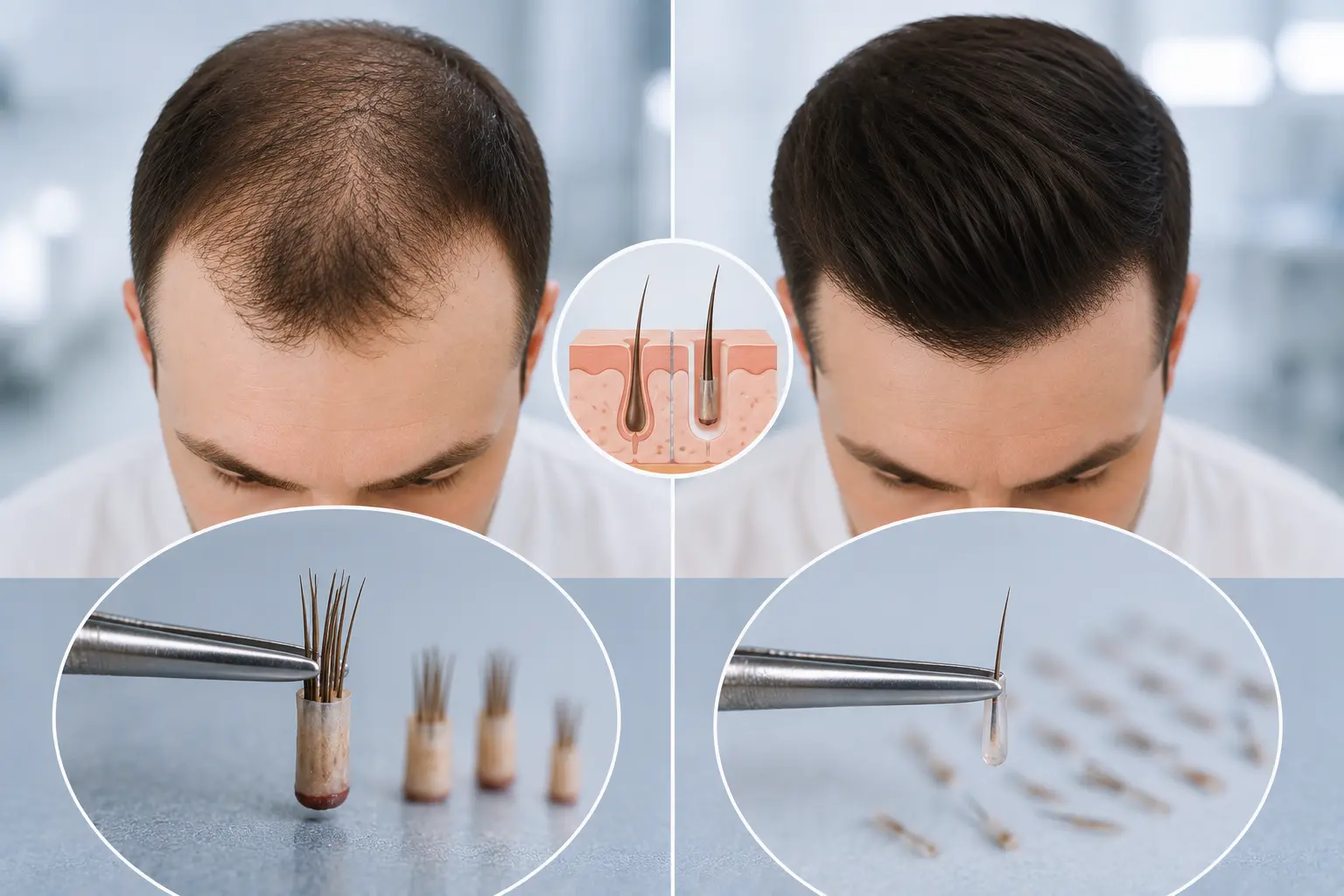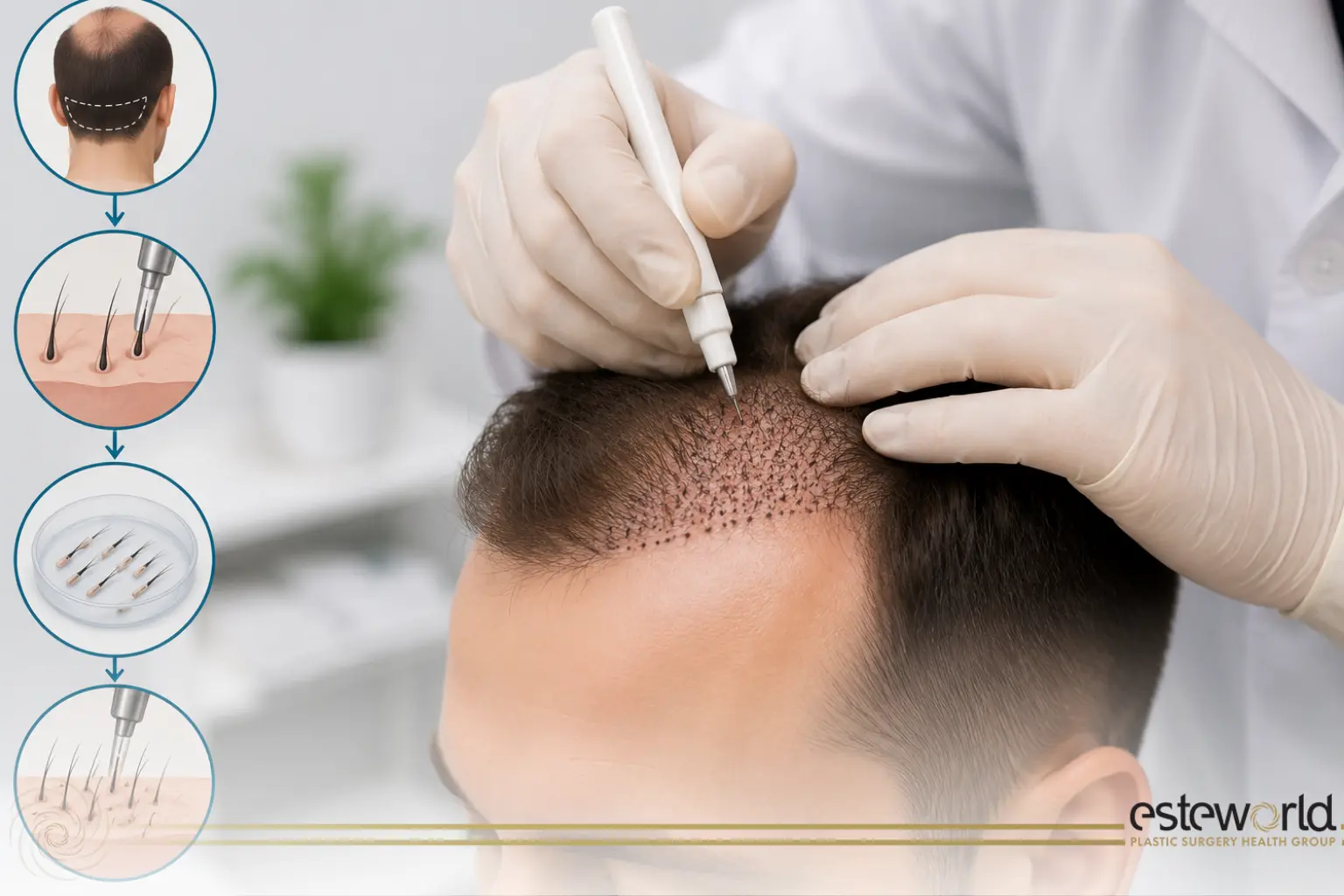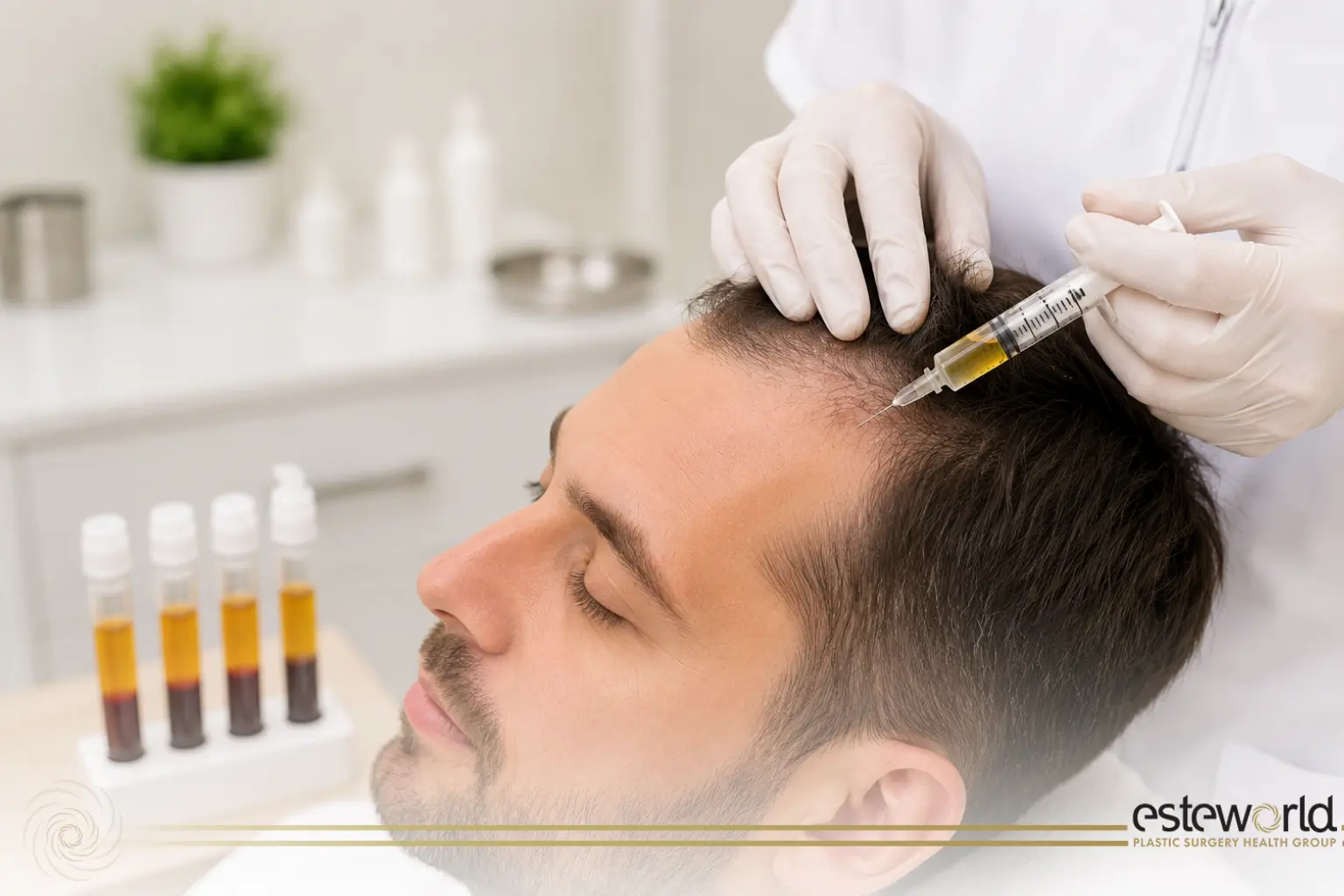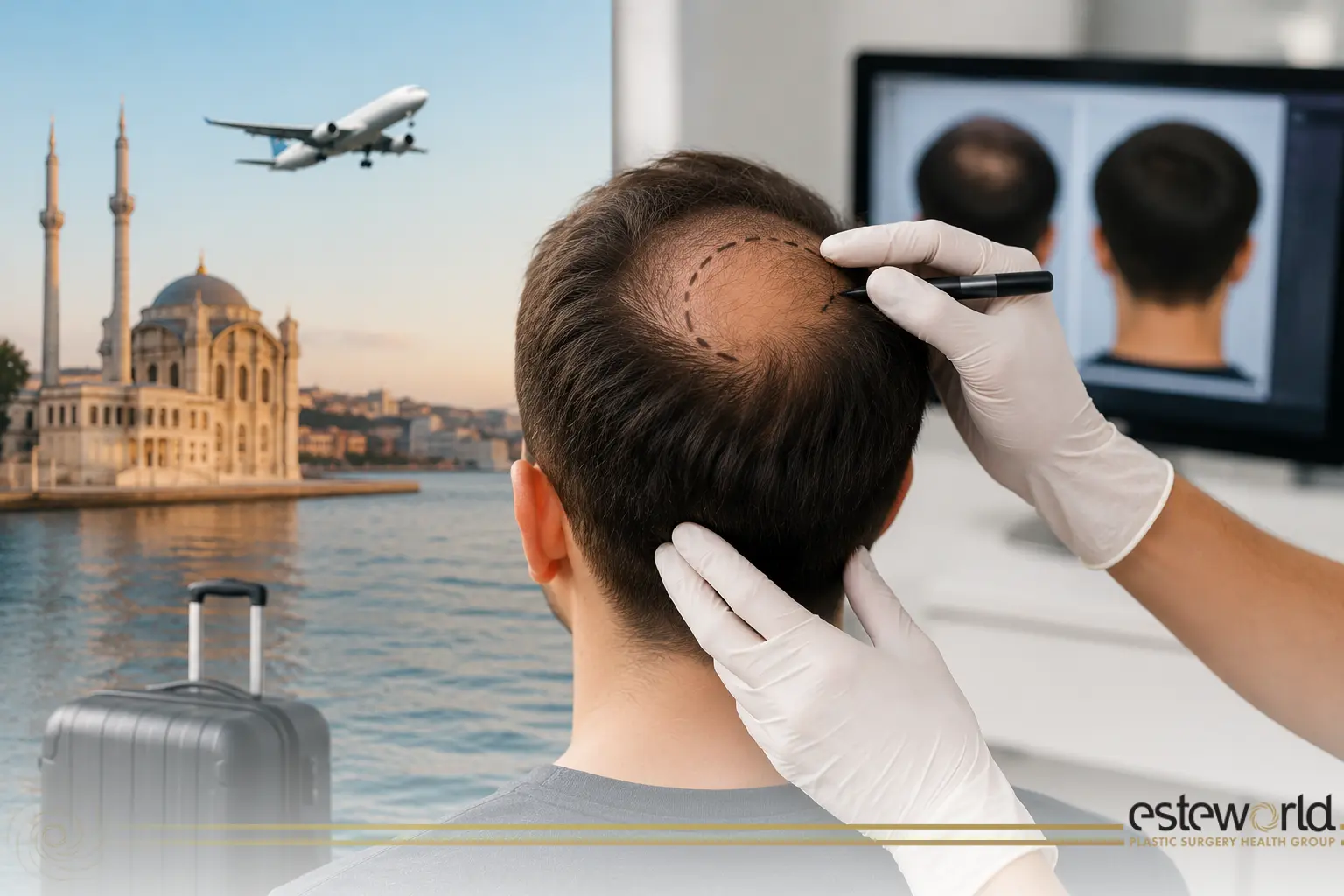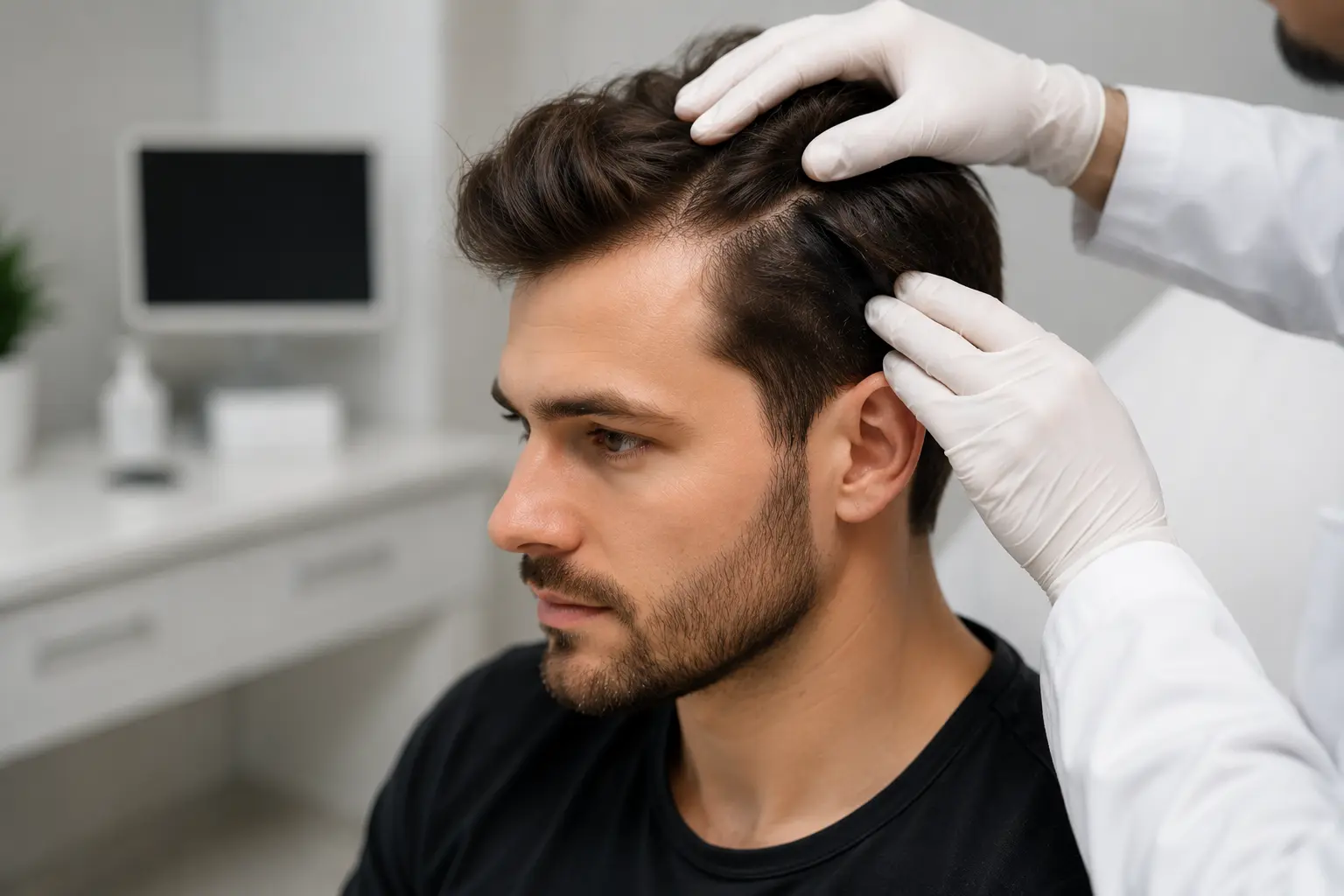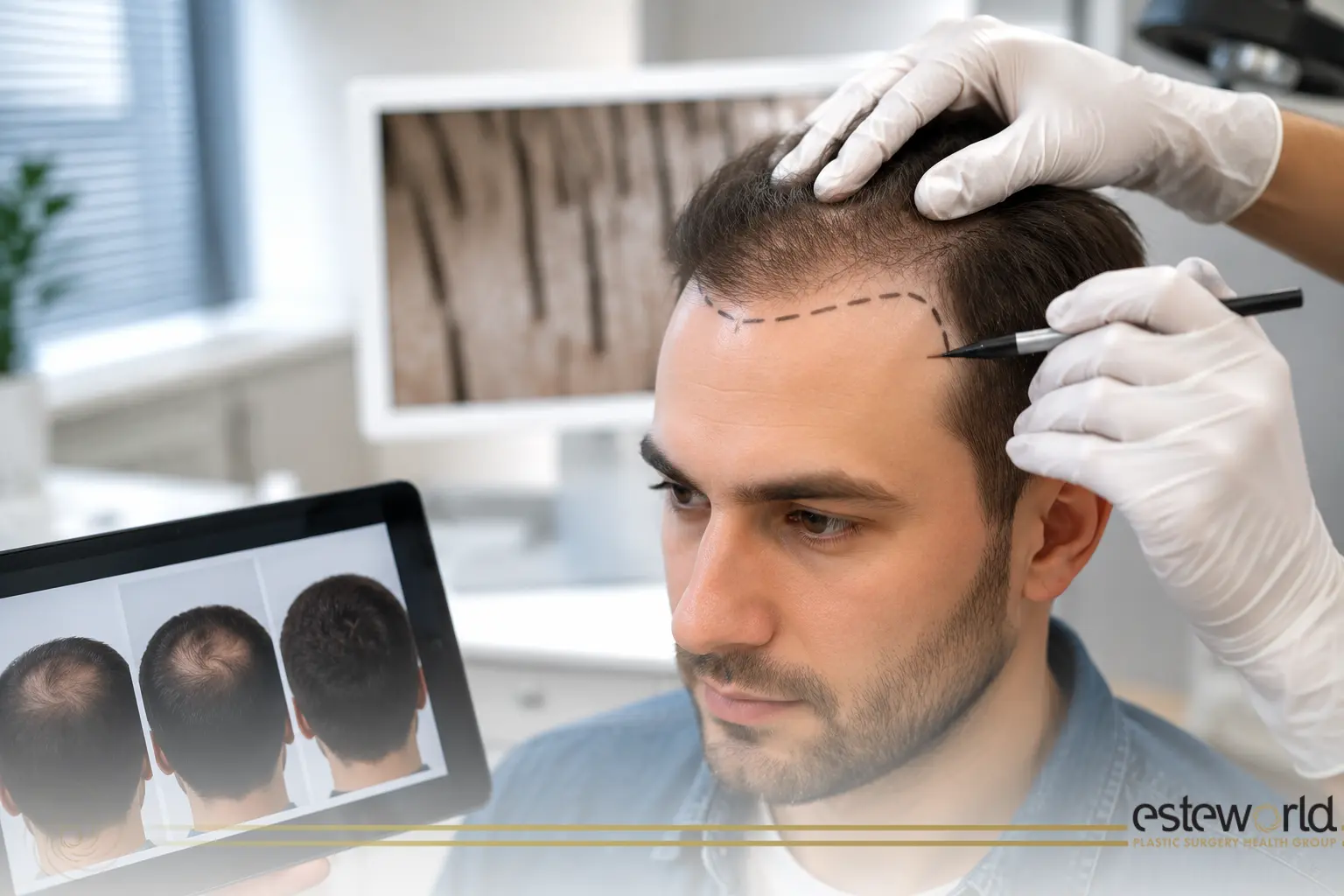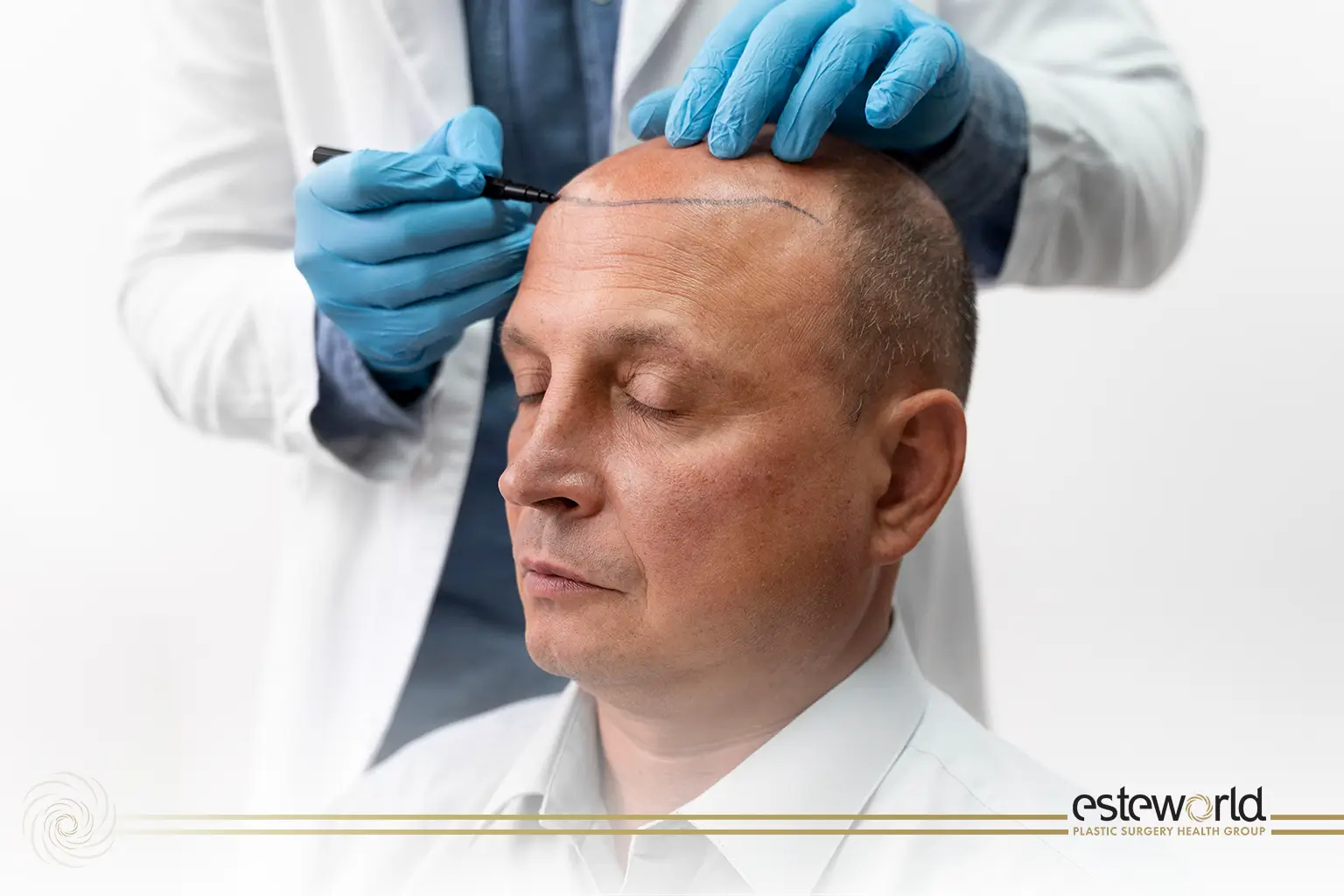

Hairline design and planning in hair transplant surgery is a key stage that determines a person’s hair appearance. This process is an important step that requires the surgeon’s expertise, aesthetic understanding and communication with the patient. The hairline should be determined in accordance with a person’s facial structure, gender, age and aesthetic preferences. Moreover, the success of the hair transplantation operation and obtaining a natural result depends on the meticulous planning of the design made at this stage.
In this initiative, we will examine why hairline design is so critical, how proper planning is done, and how this process contributes to the overall success of the hair transplant operation.
Hairline Planning Stages
Hairline design and planning are critical aspects of hair transplant surgery, as they play a key role in achieving natural-looking and aesthetically pleasing results. Here are some important considerations for hairline design and planning in hair transplant surgery:
Patient Consultation:
Understand the patient’s expectations, concerns, and desired outcome.
Assess the patient’s facial features, overall aesthetics, and the natural hairline before hair loss.
Consider the patient’s age, ethnicity, and future hair loss potential.
Face Shape and Proportions:
Analyze the patient’s face shape and proportions to determine the most appropriate hairline design.
Maintain a harmonious balance between the forehead, eyebrows, and other facial features.
Age-Appropriate Hairline:
Design a hairline that is suitable for the patient’s age to avoid an unnatural appearance.
Consider the temporal recession and gradual hairline maturation over time.
Hairline Shape:
Create a natural and irregular hairline with subtle variations in density and direction.
Avoid a perfectly straight or overly curved hairline, as it may appear unnatural.
Temporal Points:
Define the temporal points to create a soft transition from the forehead to the hairline.
Avoid placing the temporal points too high or too low for a balanced look.
Hairline Density:
Gradually increase hair density from the front to the back for a natural appearance.
Consider the patient’s existing hair density and future hair loss when planning density.
Recipient Site Creation:
Use proper angulation and orientation when creating recipient sites to mimic the natural growth pattern of hair.
Consider the single-hair follicular units at the leading edge of the hairline for a softer appearance.
Artistic and Technical Skill:
Hairline design requires a combination of artistic and technical skill. Surgeons should have a keen aesthetic sense to create a natural-looking result.
Pay attention to details, such as the angle, direction, and distribution of transplanted hair.
Communication with the Patient:
Clearly communicate the proposed hairline design with the patient to ensure mutual understanding and agreement.
Use digital imaging or drawings to illustrate the planned hairline during the consultation.
Customization:
Each patient is unique, and the hairline design should be customized based on individual characteristics and preferences.
Future Planning:
Consider the potential for future hair loss and plan the hairline design accordingly.
Preserve donor grafts for possible future procedures.
Hairline design and planning are integral parts of the overall strategy in hair transplant surgery. A well-executed plan, combined with surgical precision, contributes to successful and natural-looking results. Surgeons should continuously update and refine their skills to stay current with advancements in the field.
Esteworld hair transplantation experts follow the developments in the field of surgery and manage the process in the best way with personalized follow-up to achieve effective and permanent results in hair transplantation. You can contact us to get detailed information about hair transplantation and our hair transplantation process.