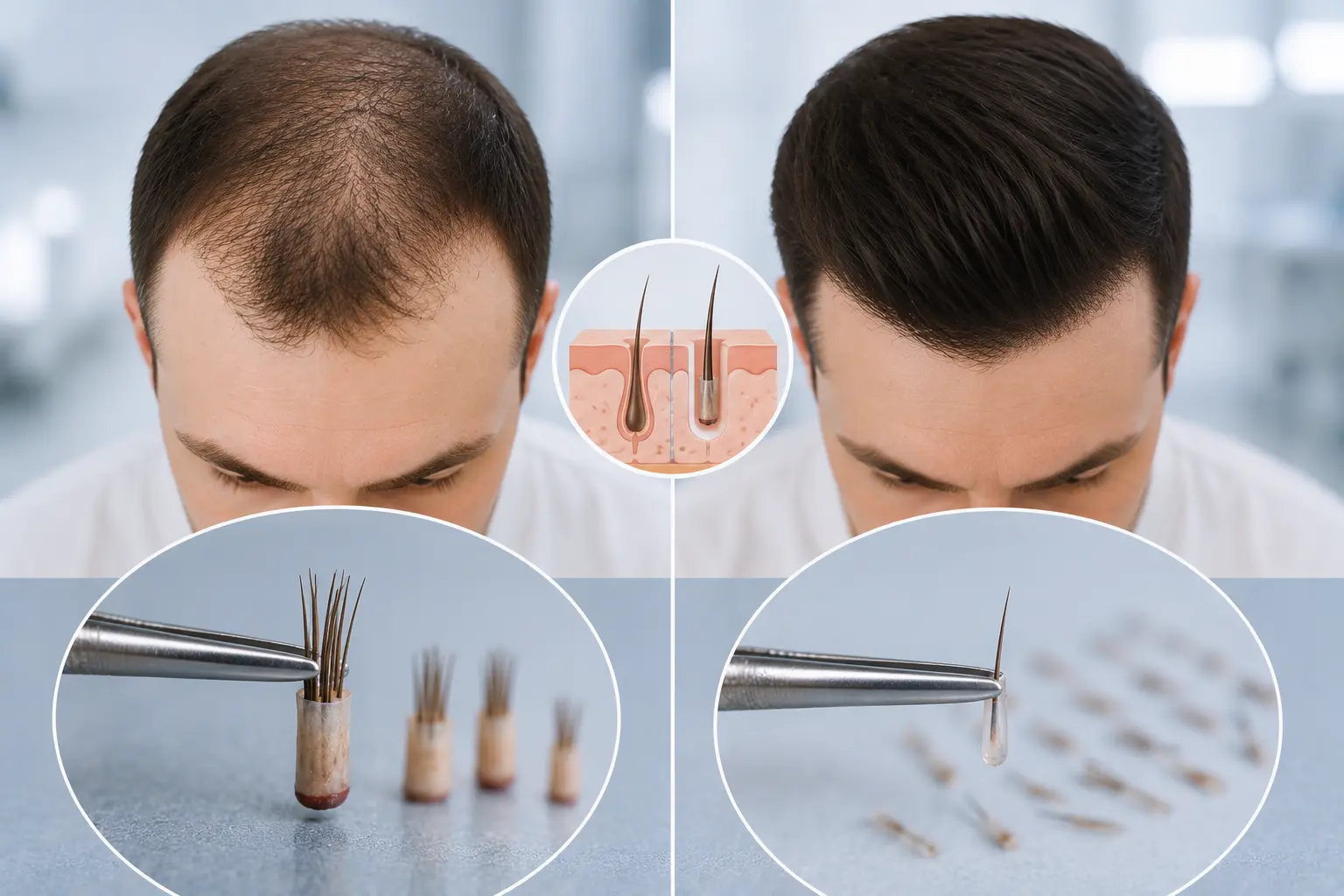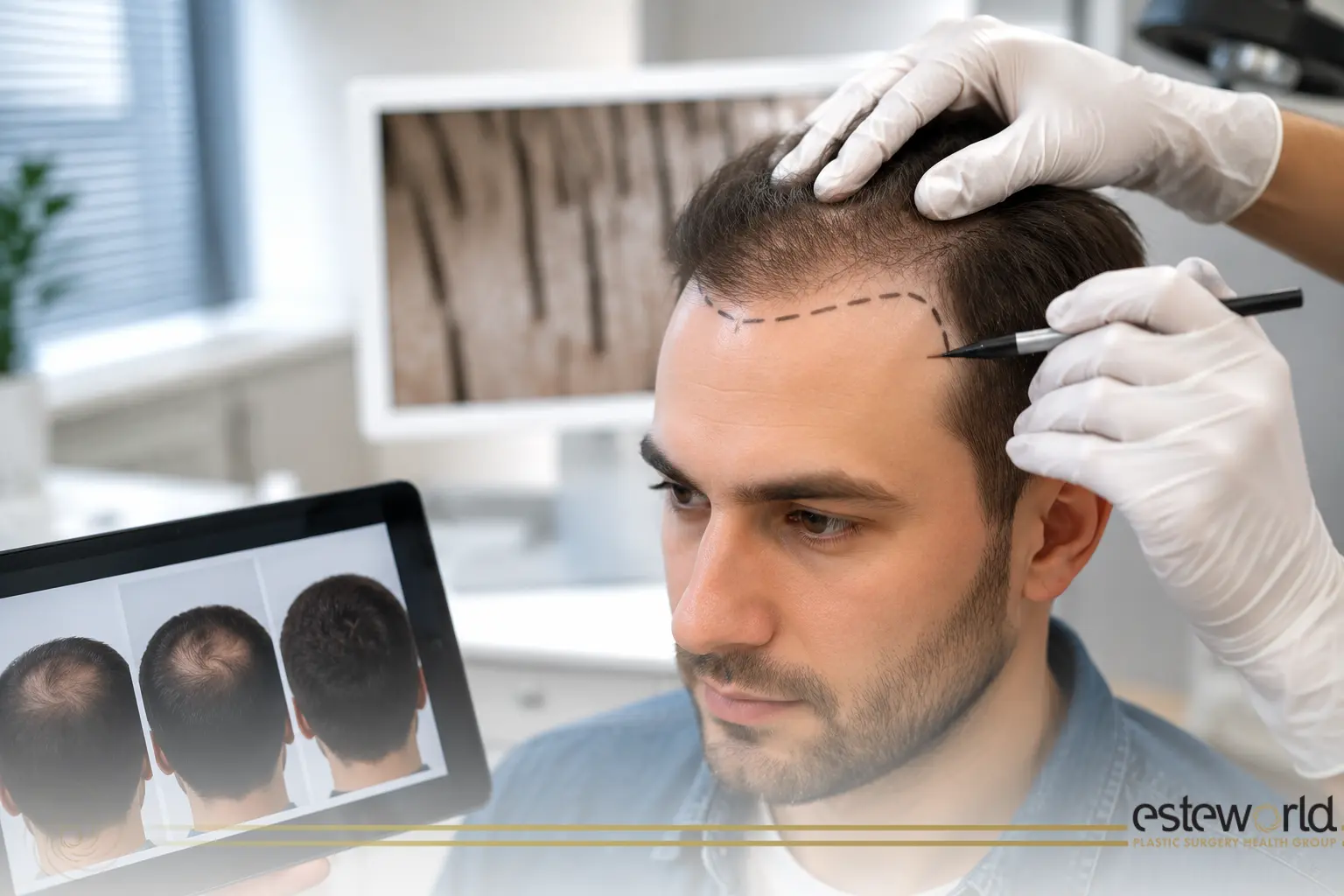
A hair transplant moves living hair follicles from a donor area to an area affected by hair loss. In standard hair transplantation, both areas belong to the same patient. A hair transplant from another person is not a routine treatment because follicles from a genetically different donor can trigger immune rejection. Rare medical reports describe exceptions, but these do not make donated follicles a standard solution for insufficient donor hair. Assessment should focus on your own scalp, possible body-hair sources and suitable alternatives.
Quick summary
- “Donor hair” usually means hair taken from your own scalp or body.
- A friend or relative cannot normally donate follicles for a standard hair transplant.
- Blood-group compatibility does not establish suitability for person-to-person hair transplantation.
- Beard or body hair may supplement scalp donor hair in selected patients.
- Limited donor hair requires realistic planning; it cannot be solved simply by choosing a different technique.
- Published exceptional cases should be distinguished from routine treatment options.
Short answer: You generally cannot get a conventional hair transplant using someone else’s hair. Standard procedures use your own living follicles. Identical-twin cases and reports involving patients with particular transplant-related medical circumstances are exceptions, rather than options routinely offered for cosmetic hair restoration.
What Does a Hair Transplant With Donor Hair Mean?
A hair transplant with donor hair normally uses follicles collected from the person receiving treatment. The word “donor” identifies the area supplying the grafts; it does not necessarily refer to another individual.
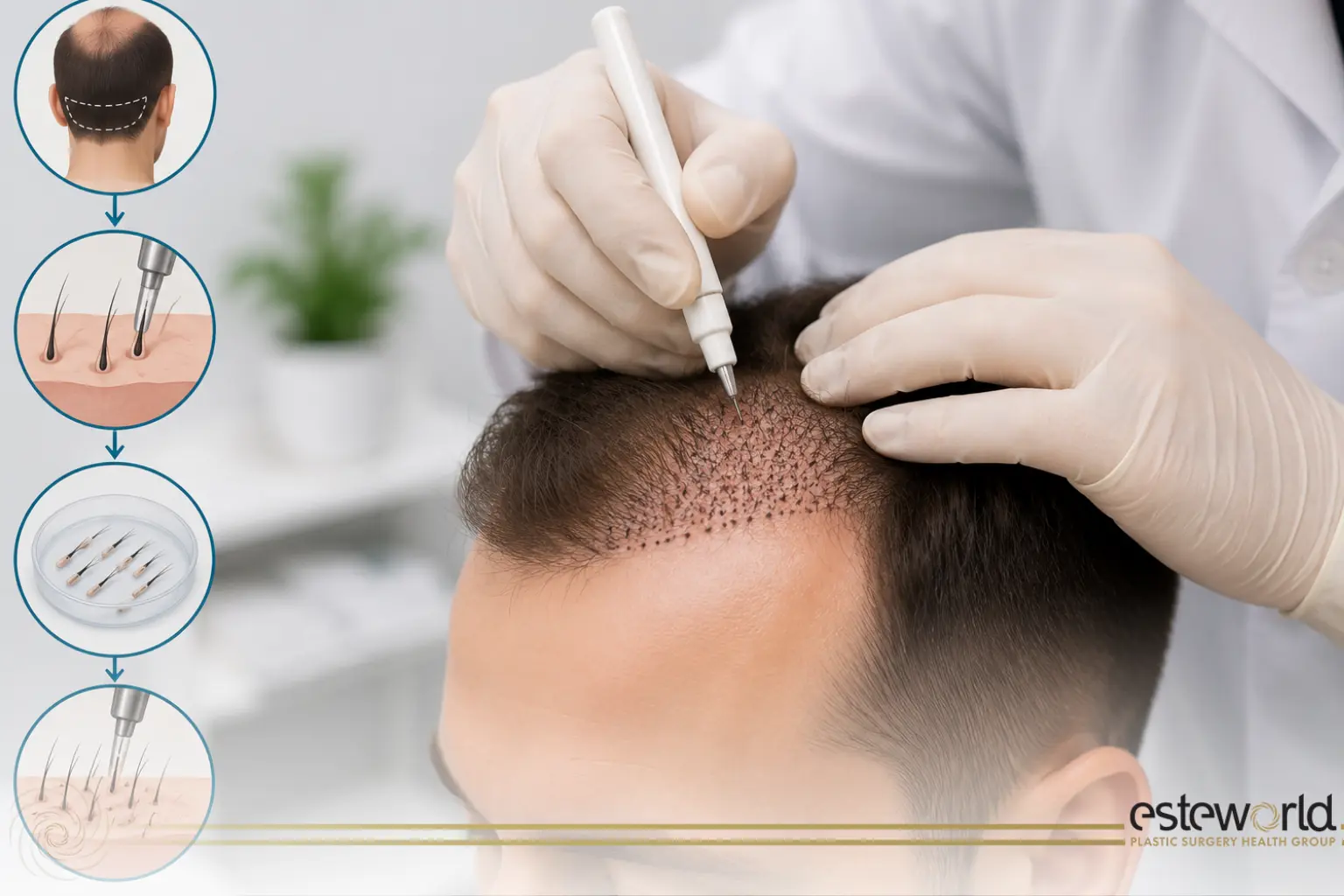
The donor area supplies hair follicles, while the recipient area receives them. In scalp hair transplantation, these are usually different areas of the same head.
Where does donor hair come from?
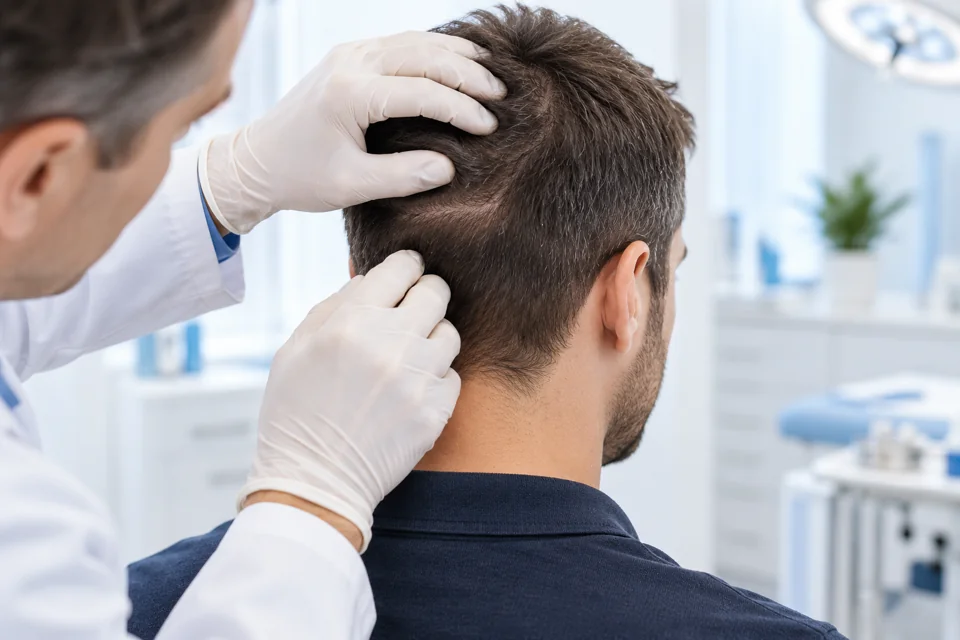
The back and sides of the scalp commonly provide donor hair. However, a surgeon must identify a suitable donor zone rather than assume that every hair in those areas will remain stable.
Assessment considers the pattern of hair loss, donor density, strand thickness, signs of miniaturisation and previous procedures. Miniaturisation means that hairs become progressively finer, which can indicate that an apparently available donor region is also affected by hair loss.
Selected patients may have additional usable follicles in the beard or other body areas. These require separate evaluation.
How does a hair transplant work?
Two established approaches collect donor grafts:
- Follicular unit excision or extraction (FUE): Individual follicular units are removed using small punches.
- Strip follicular unit transplantation (FUT): A strip of hair-bearing scalp is removed and divided into grafts.
The grafts are then placed in the recipient area. Both approaches relocate existing follicles rather than create an unlimited supply of new ones.
You can read more about FUE hair transplantation if this harvesting approach is being considered.
Why can’t cut or shed hair be transplanted?
A cut strand is a hair shaft, rather than a living follicle capable of producing new hair. Even a shed hair with a visible bulb is not equivalent to a surgically collected follicular graft.
Donating hair for a wig is therefore different from donating hair follicles for surgery. A wig uses existing strands to provide coverage; a transplant relocates living tissue.
Why Is a Hair Transplant From Another Person Not Routine?
A donor hair transplant from another person involves transferring living tissue between individuals. This introduces questions about immune compatibility that do not arise in the same way when your own follicles are moved.
Autologous and allogeneic hair transplantation
These terms explain whose tissue is being used:
| Term | Source of follicles | Clinical context |
|---|---|---|
| Autologous transplantation | The patient’s own scalp or body | Standard hair transplantation |
| Allogeneic transplantation | Another genetically different person | Exceptional reports; not routine cosmetic treatment |
| Transplantation between identical twins | A genetically identical twin | Rare published cases |
This distinction matters when a clinic discusses “donor hair.” Ask whether it means your own donor region and which areas would be used.
Immune rejection is the main obstacle
The immune system can recognise another person’s living tissue as foreign and attack it. Similar hair colour, texture or thickness does not establish immune compatibility.
A published allogeneic hair-transplant case involved a kidney-transplant recipient who was already taking lifelong immunosuppressive medication. That unusual context is different from treating an otherwise healthy person seeking cosmetic hair restoration.
For this reason, a matching hairstyle or a willing donor does not make a hair transplant from someone else a practical routine option.
Can a brother, sister or friend donate hair follicles?
Being related does not make two people genetically identical. A sibling’s willingness to donate follicles therefore does not remove the compatibility problem.
Likewise, matching blood groups should not be interpreted as approval for hair-follicle transplantation. The exceptional literature does not establish a simple blood-type matching process for cosmetic patients.
Practical implication: If your own donor supply is limited, the consultation should assess that limitation directly rather than promise to obtain additional follicles from another person.
Can Hair Be Transplanted From One Person to Another in Exceptional Cases?
Published reports mean that an absolute statement such as “this has never been possible” would be inaccurate. However, demonstrating an exceptional case is different from establishing a treatment suitable for the wider population.
Hair transplantation between identical twins
A published report describes transplantation between monozygotic, or identical, twins to repair a congenital, nonprogressive area of scalp alopecia.
This supports the existence of a rare exception. It does not establish routine suitability for every pair of twins, and it should not be extended to non-identical siblings.
Patients with an existing organ-transplant history
A 2023 case report documented allogeneic hair transplantation in a kidney-transplant recipient, using hair from the person who had previously donated the kidney.
The recipient was already receiving lifelong immunosuppression. The report should therefore be understood within that particular medical context. It does not justify starting immunosuppressive treatment solely to obtain hair from another donor.
A patient already taking such medication would still require coordinated specialist assessment. Medication should never be started, stopped or adjusted to pursue a cosmetic procedure without the relevant treating physicians.
What about hair cloning and regenerative research?
Hair-follicle tissue engineering aims to develop ways of generating or expanding hair-producing structures. It is different from conventional transplantation of intact grafts and from simply borrowing a friend’s hair.
ISHRS describes important challenges, including safety, reliable growth and producing hair with an appropriate direction and appearance. Research findings should not be presented as proof of a routinely available treatment providing unlimited follicles.
When a treatment is described as “hair cloning,” ask what is actually being administered, what clinical evidence supports it and what regulatory authorisation applies.
Can Body Hair Be Used Instead of Another Person’s Hair?
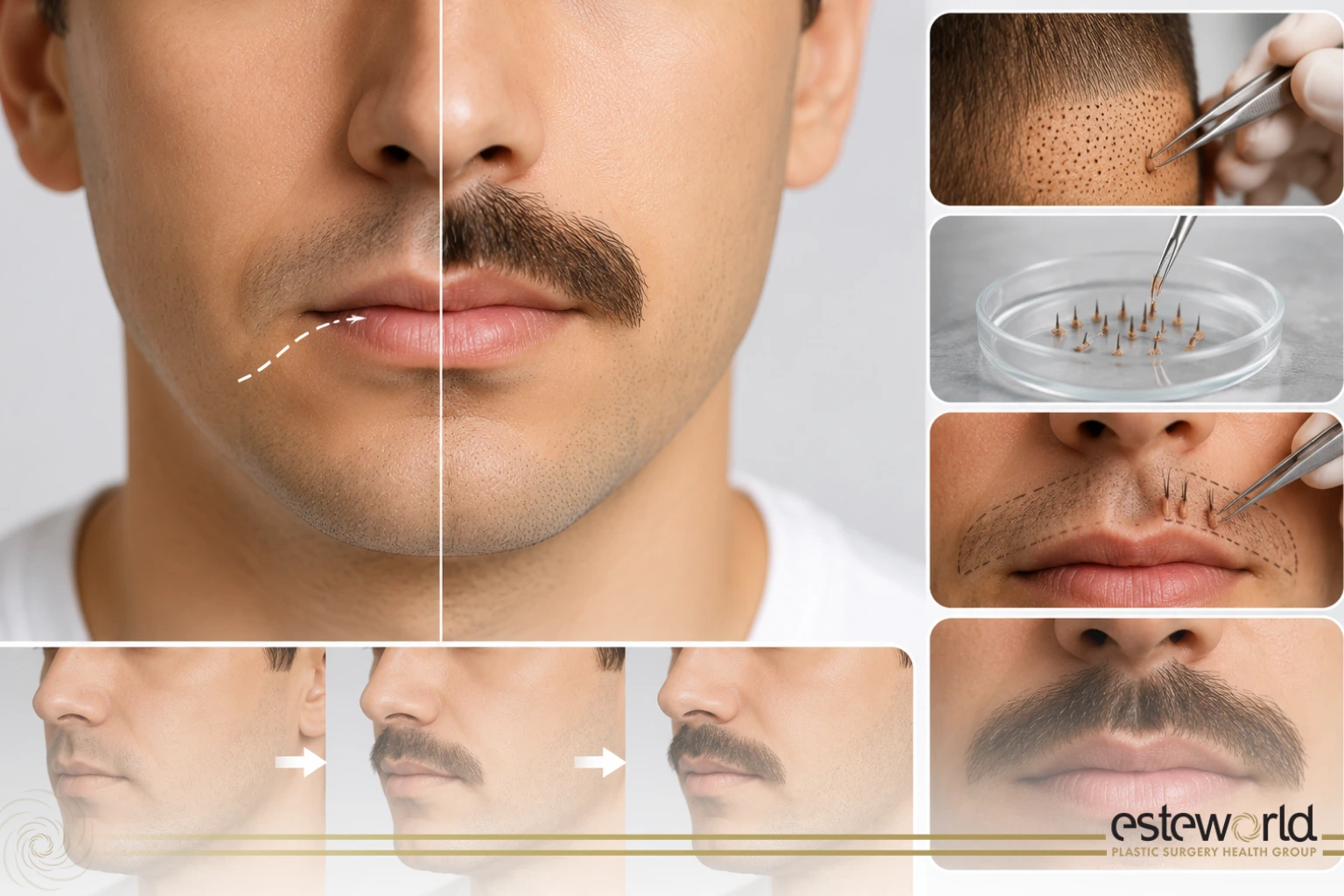
In selected patients, body hair transplantation can supplement a limited scalp donor supply. The follicles still come from the person receiving treatment, so this remains autologous transplantation.
Beard hair as an additional donor source
Beard follicles may provide useful additional grafts for some patients. Their thickness and texture can differ from scalp hair, so the surgeon must consider where they would fit into the overall design.
The availability of beard hair does not mean that every follicle should be harvested or that it is suitable for every part of the scalp. Donor appearance and the intended hairstyle also matter.
Chest and other body hair
Chest and other body areas may provide additional follicles in selected cases. Body hair can differ from scalp hair in growth cycle, length, curl and calibre. Those differences affect how it should be used and the expectations discussed before surgery.
A study involving 122 selected patients examined body-hair transplantation using FUE. Its findings support potential usefulness in an appropriate patient group, but the study was conducted at one centre and relied partly on patient survey responses. It does not show that body hair can solve every donor shortage.
Does transplanted beard hair last only five years?
A fixed five-year lifespan should not be presented as an established rule. Published research on body-hair transplantation does not support that blanket claim.
Ask about the expected behaviour of the proposed donor hair, the limitations of the evidence and the follow-up needed. Long-term growth should not be guaranteed.
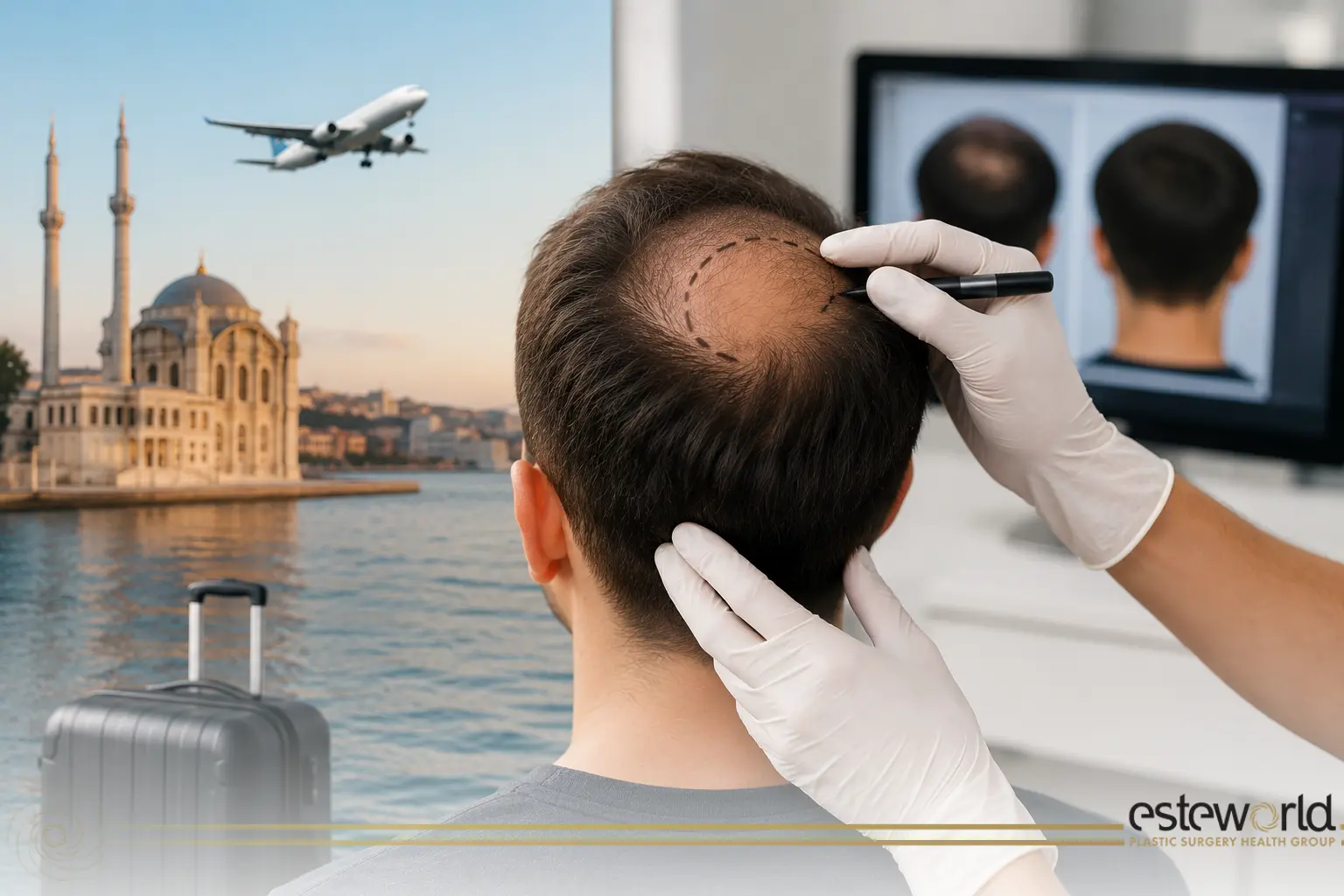
Considering a body hair transplant in Turkey
If you are researching a body hair transplant in Turkey, ask the surgeon:
- Why is scalp donor hair insufficient for the proposed coverage?
- Which additional body areas are suitable?
- How will differences in texture and thickness be managed?
- What donor-site scarring or thinning could occur?
- What result is realistic if fewer usable grafts are found?
The country of treatment does not determine whether body hair is appropriate. Your own examination and treatment goals should guide the decision.
What Are the Alternatives If You Don’t Have Enough Donor Hair?
Limited donor hair does not automatically mean that no treatment is possible. It does mean that the plan must respect the available supply and the cause of hair loss.
Assess the diagnosis before choosing surgery
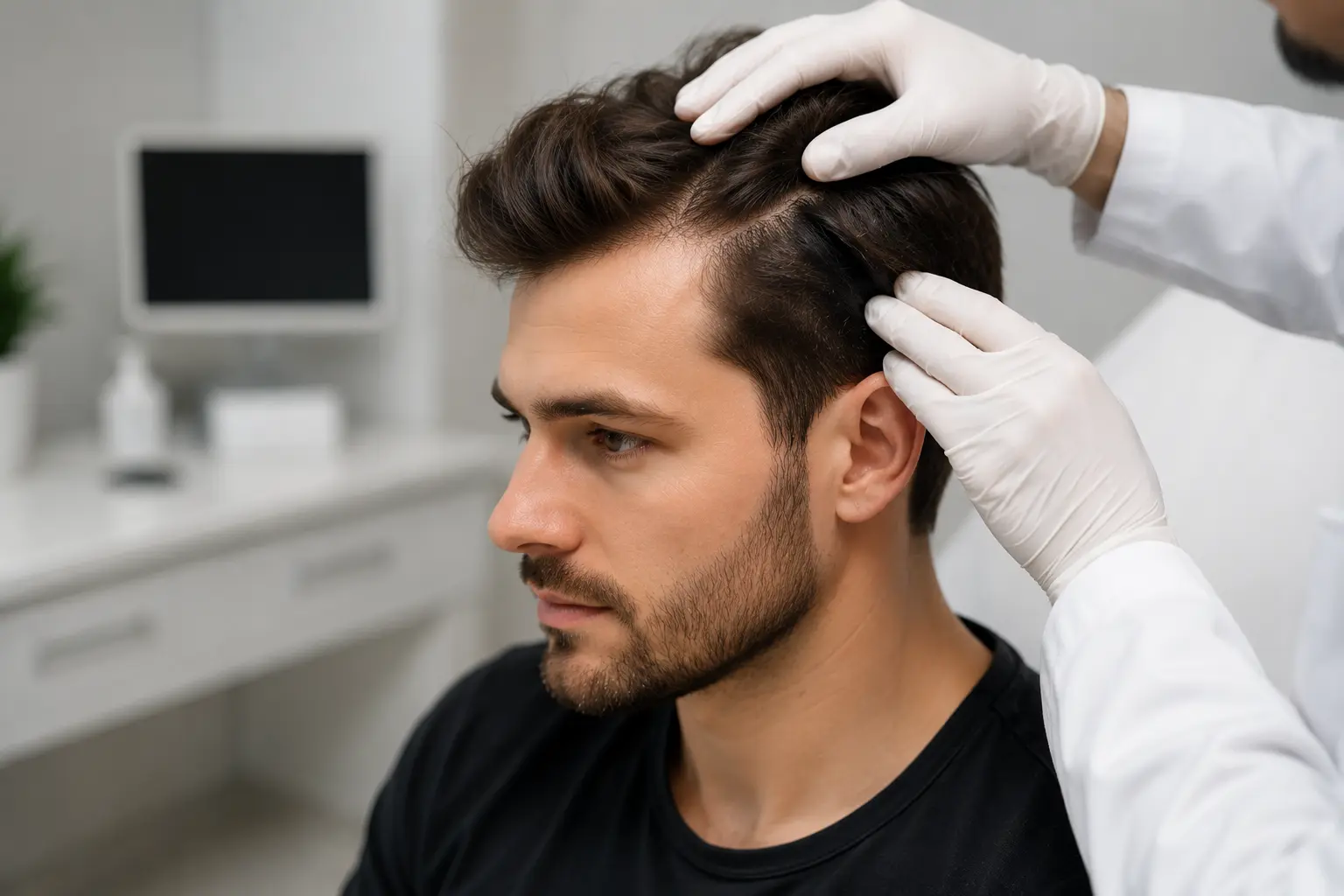
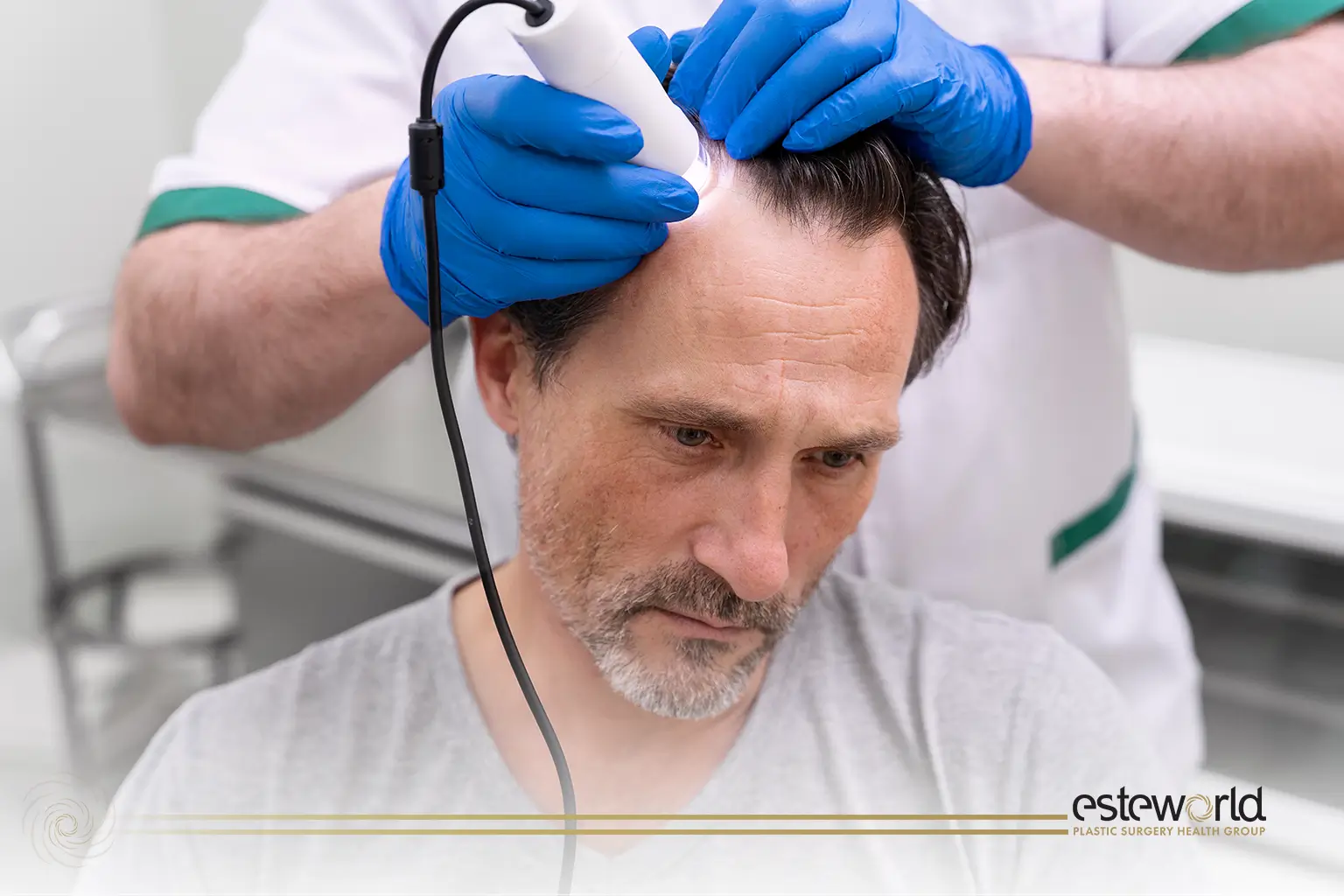
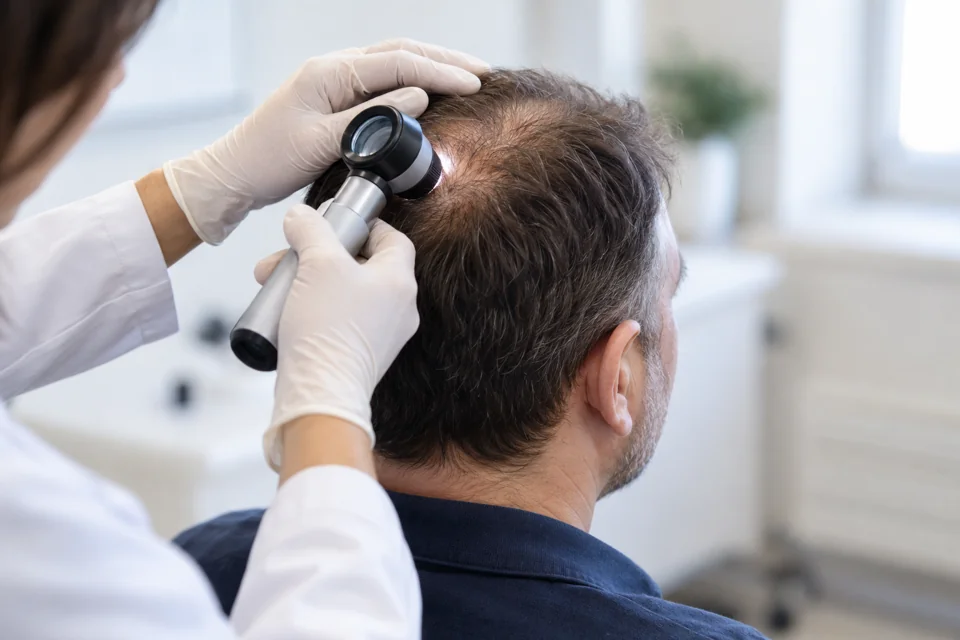
A dermatologist or suitably qualified clinician should determine why the hair is thinning. Pattern hair loss, alopecia areata, inflammatory scalp disease and temporary shedding can require different approaches.
The American Academy of Dermatology explains that diagnosis may involve medical history, examination and, when indicated, blood tests or a scalp biopsy. Treatment should follow that assessment.
Adjust coverage to the available donor supply
A smaller treatment area or a more conservative hairline may be more appropriate than attempting dense coverage everywhere.
Ask which areas deserve priority, what density is achievable and how the remaining donor region will be protected. Overharvesting can leave visible thinning, and additional FUE is not recommended when it would further deplete the donor zone.
Changing to DHI or Sapphire FUE does not itself create additional donor follicles. A technique recommendation should therefore explain how the existing supply will be used.
Consider medical treatment where appropriate
Minoxidil and, for suitable patients, prescription treatments such as finasteride may be considered for pattern hair loss. They require discussion of suitability, side effects and ongoing use.
These treatments are not substitutes for donated follicles, and they cannot guarantee restoration of a completely bald scalp. Their role is determined by the diagnosis and the hair still present.
Camouflage and hair systems
Scalp micropigmentation places pigment in the scalp to create an appearance of shaved hair or greater visual density. It does not produce growing follicles.
Wigs, hair systems and concealers can also provide cosmetic coverage. These options may be useful when surgery is unsuitable or when someone prefers an alternative to medical treatment.
Artificial implanted fibres are a separate category. They should not be confused with living hair grafts or external hair systems. The FDA lists prosthetic hair fibres as banned devices in the United States because of safety concerns.
To discuss your donor supply and suitable options, contact Esteworld for an individual assessment.