Hair loss can occur in different ways in men and women, so treatments must be tailored to each individual’s specific needs. Hair transplantation is a method that can be personalized according to these differences, especially in male and female hair loss. Here are the details of how the process differs for men and women.
What is the Difference in Male and Female Pattern Hair Loss?
Androgenetic alopecia is a genetic condition that affects both men and women. The causes may be similar, but the progression differs.
Hair loss in both sexes is caused by male sex hormones, which are associated with increased sensitivity. Testosterone in women turns into dihydrotestosterone, or DHT, when it interacts with a specific enzyme. Although DHT is said to have positive effects on other parts of the body, it is known as the main trigger of male pattern hair loss.
Androgenetic hair loss is defined as the shortening of a genetically determined hair growth phase in both sexes. In this case, it takes longer for the hair to fall out and for a new growth phase to begin, disrupting the normal growth cycle.
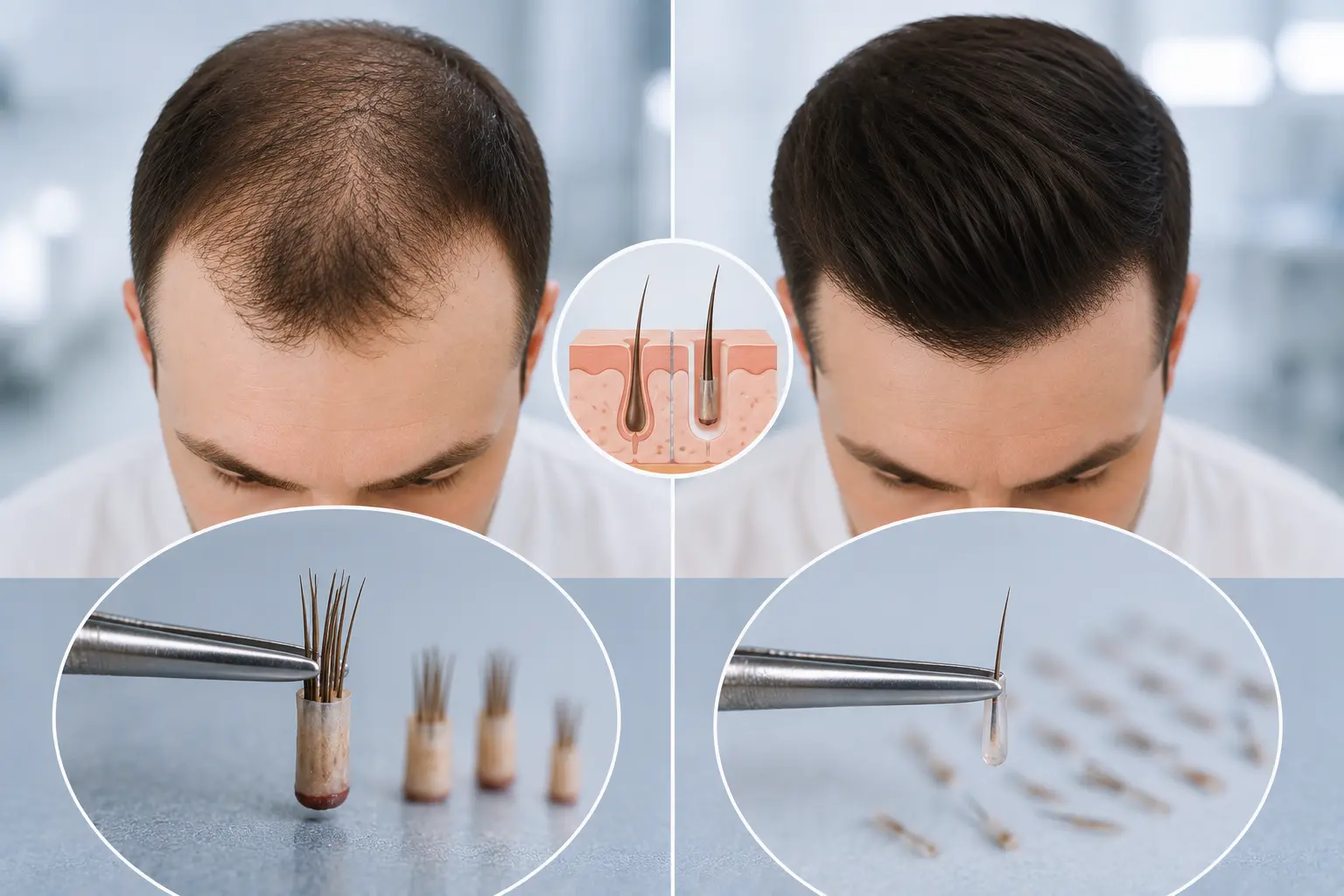
Follicular miniaturization accompanies androgenetic hair loss by shrinking the hair follicle and resulting in shorter and thinner hair strands.
In men, hair loss usually starts at the front hairline, becomes thinner and recedes towards the center of the head, taking an inverted M or U shape. In women, hair loss usually begins with gradual thinning that spreads from the middle of the hairline outward. Receding frontal hairline is rare in women and balding is usually not observed. This progression of hair loss is important to distinguish between male and female pattern hair loss.
Male Hair Transplant
Important Topics
You may be financially and mentally ready for the surgical procedure, but there are other important issues that your surgeon should consider.
First, it is important to determine whether hair loss continues before hair transplantation. There is no specific phase when hair loss stops, because its amount and speed depend on many factors (e.g. nutrition, environmental factors, general health status). Additionally, genetic factors may determine when and how much hair loss a man will experience.
If the patient has a hair transplant at a very young age and gives up early, hair loss may continue to progress. In this case, a man’s hairline may have been corrected, but he may end up with a bald midsection.
Hair loss medications used before the operation will be continued after the procedure. This is done to prevent or control hair loss.
Surgical Procedure
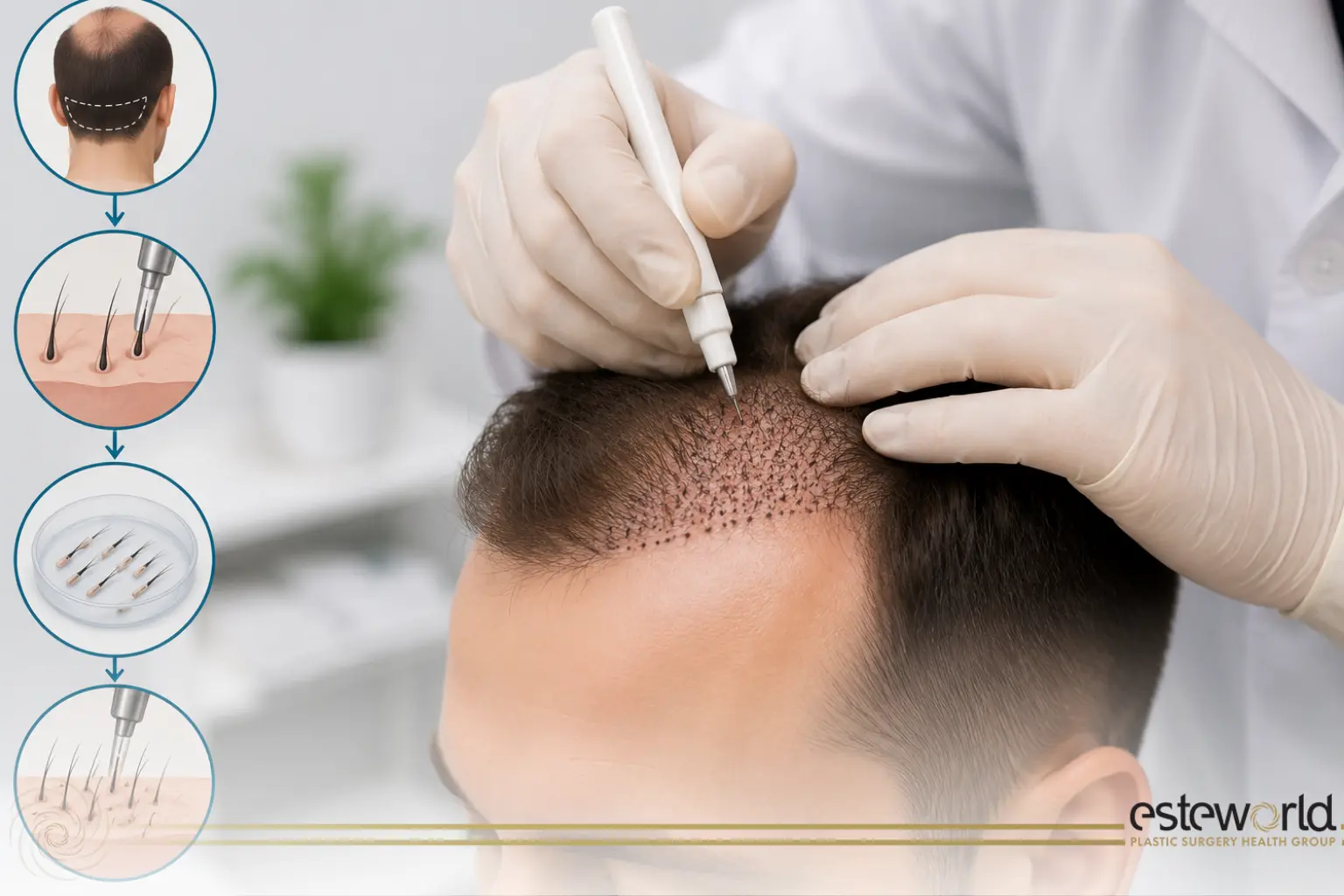
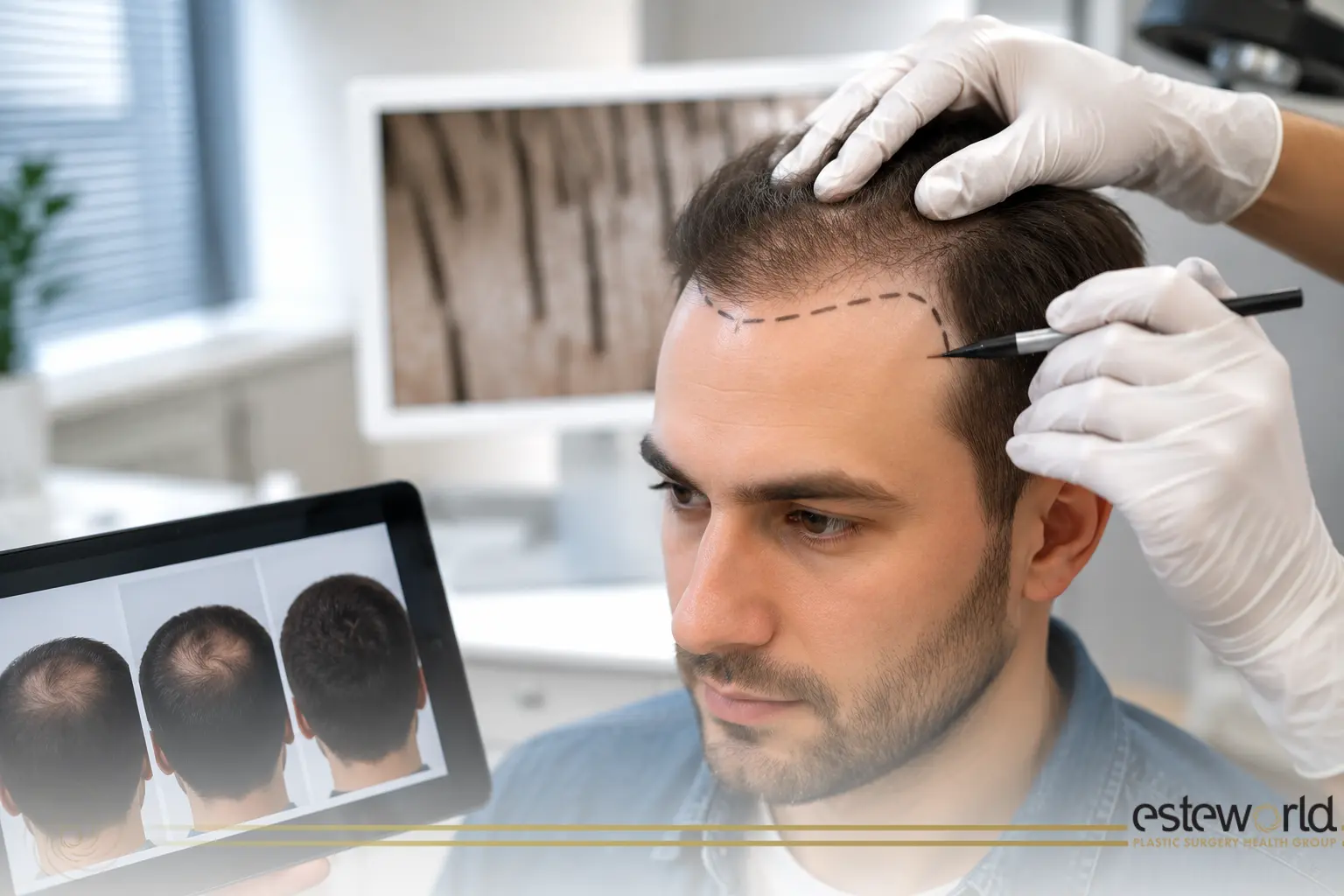
Hair transplantation in men is usually performed by taking donor grafts from the back of the head that are not affected by the condition. This is done through two basic techniques called FUT (Follicular Unit Transplantation) and FUE (Follicular Unit Extraction). FUT is a more invasive method that involves removing part of the scalp, but promises better efficiency as it is less traumatic to individual hair follicles. On the other hand, FUE is a newer technique that removes individual grafts from the scalp using a special tool.
Hair Transplantation in Women
Hair loss in women can often occur due to genetics, hormonal changes or other health factors. Hair transplantation may be a solution used to help women regain their natural hairline and hair density. However, hair transplantation in women differs from that in men.
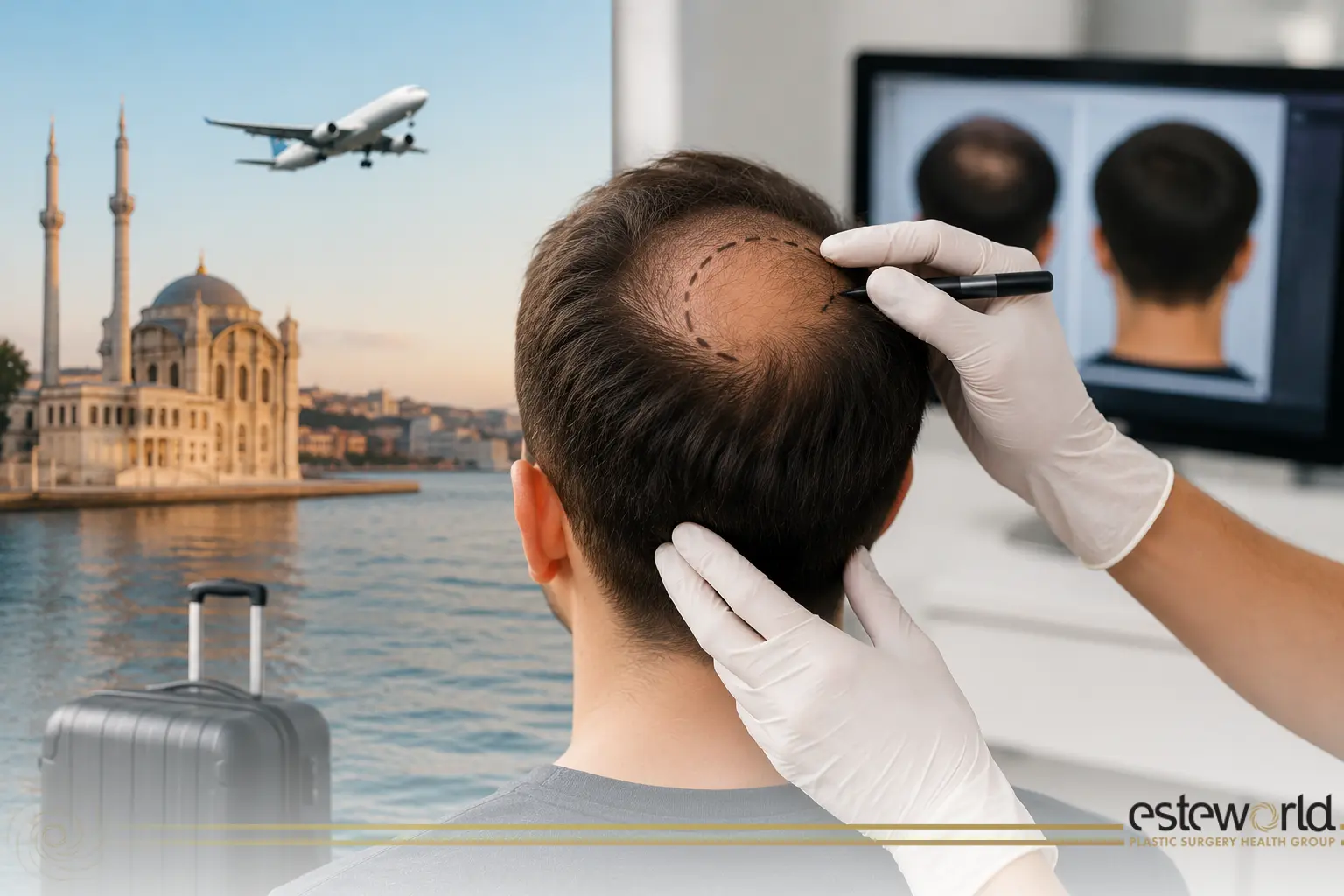
Evaluation:Suitable candidates for hair transplantation in women are generally evaluated depending on the cause and degree of hair loss. Factors such as hormonal imbalances, genetic factors, and health history are important in determining how to treat hair loss.
Donor Area and Hairline:As in men, the donor area is important for hair transplantation in women. Hair grafts taken from the back of the head are generally used. However, it must be designed carefully as the female hairline is naturally lower.
FUE Method: Follicular Unit Extraction (FUE) is a widely used technique in female hair transplantation. In this method, individual hair grafts are removed from the donor area and placed in the area to be transplanted. Since FUE is a minimally invasive method, the healing process is generally faster.
Sensibility:In female hair transplantation, the sensitivity of the hairline and the area to be transplanted is more important. To achieve a natural and symmetrical appearance, the surgeon must be particularly careful.
Hair care:After hair transplantation, women should care for their hair carefully. Keeping the scalp clean and healthy supports the successful growth of transplanted hair.
Differences Between Male and Female Hair Transplantation
- Men emphasize repairing the frontal hairline and addressing receding temples. Women aim to restore the rounded hairline surrounding the face.
- Men usually involve addressing a larger balding area.
- In women, the hairline is more complex due to changes in curls, growth patterns, and direction.
- Men are advised not to cut the hair too short to avoid visible scarring. Once hair transplantation is completed, women can explore a variety of styles, perms and color treatments.
- For men, it is recommended not to shave excessively due to potential scarring.
- Women’s primary concern often revolves around the strength of the donor site.
- Both genders are at risk of short-term shock and shedding due to the trauma caused by the transplantation process.
- In summary, although the general process is similar, certain aspects in design, technical approach, shaping and donor area management differentiate hair transplantation between men and women.