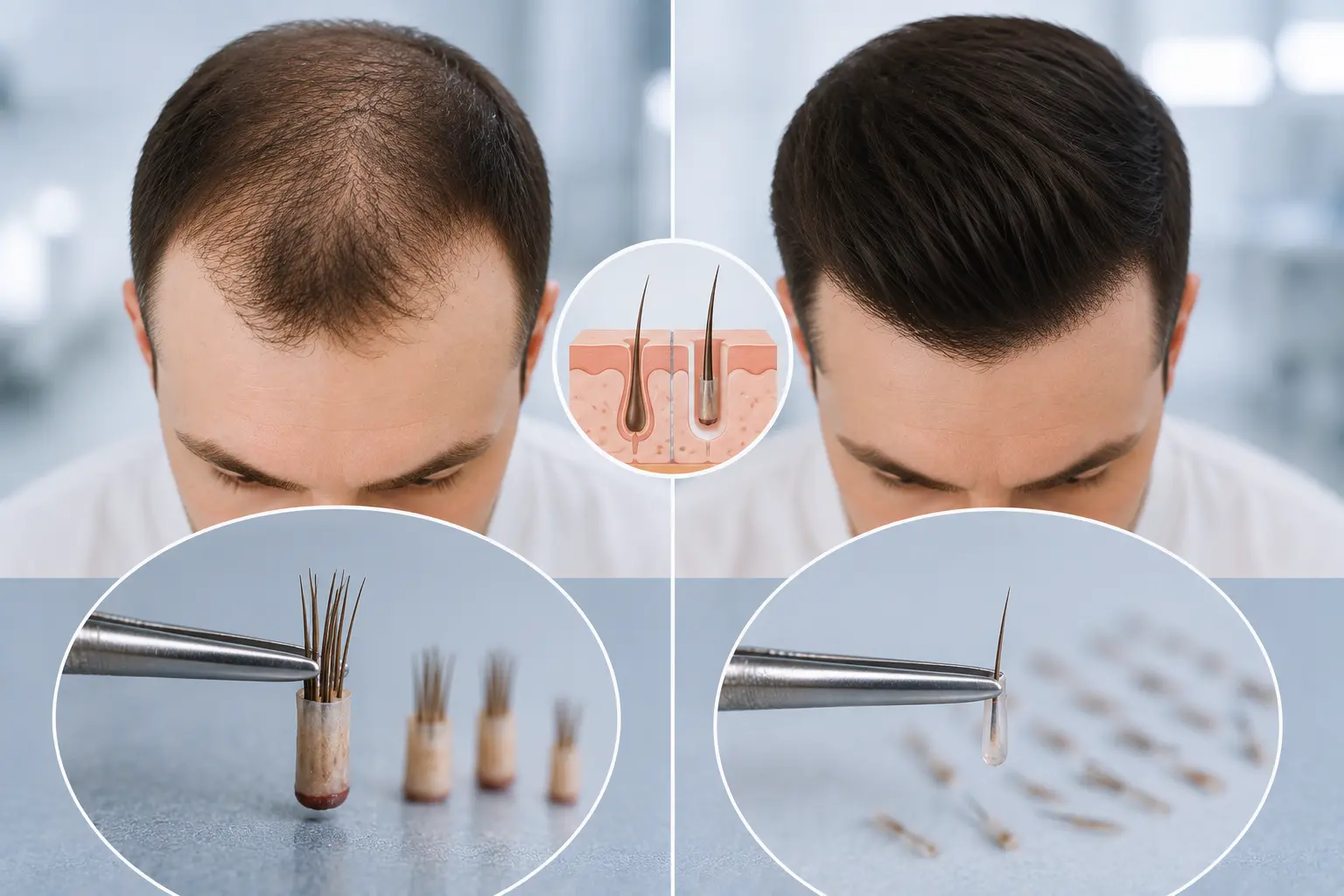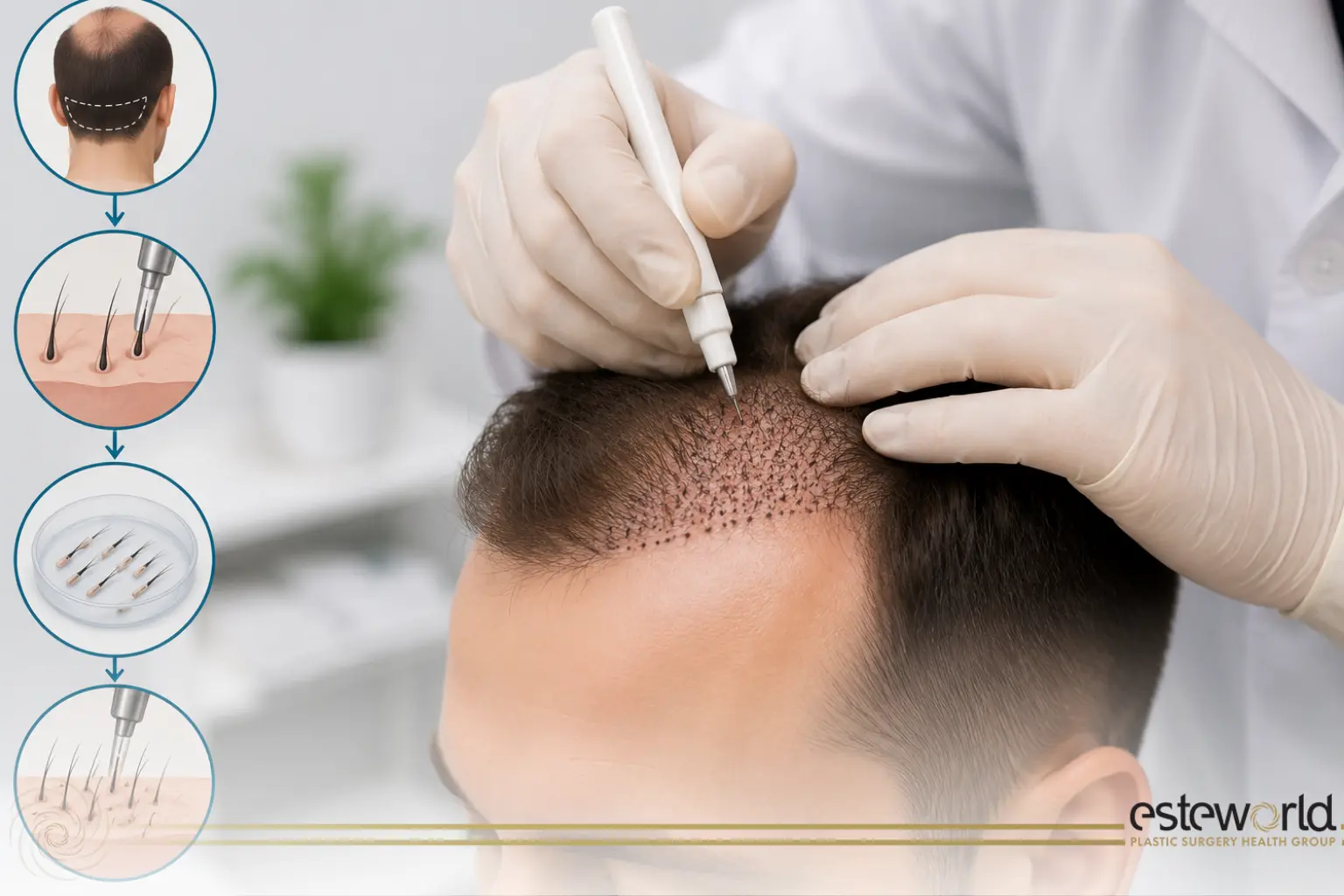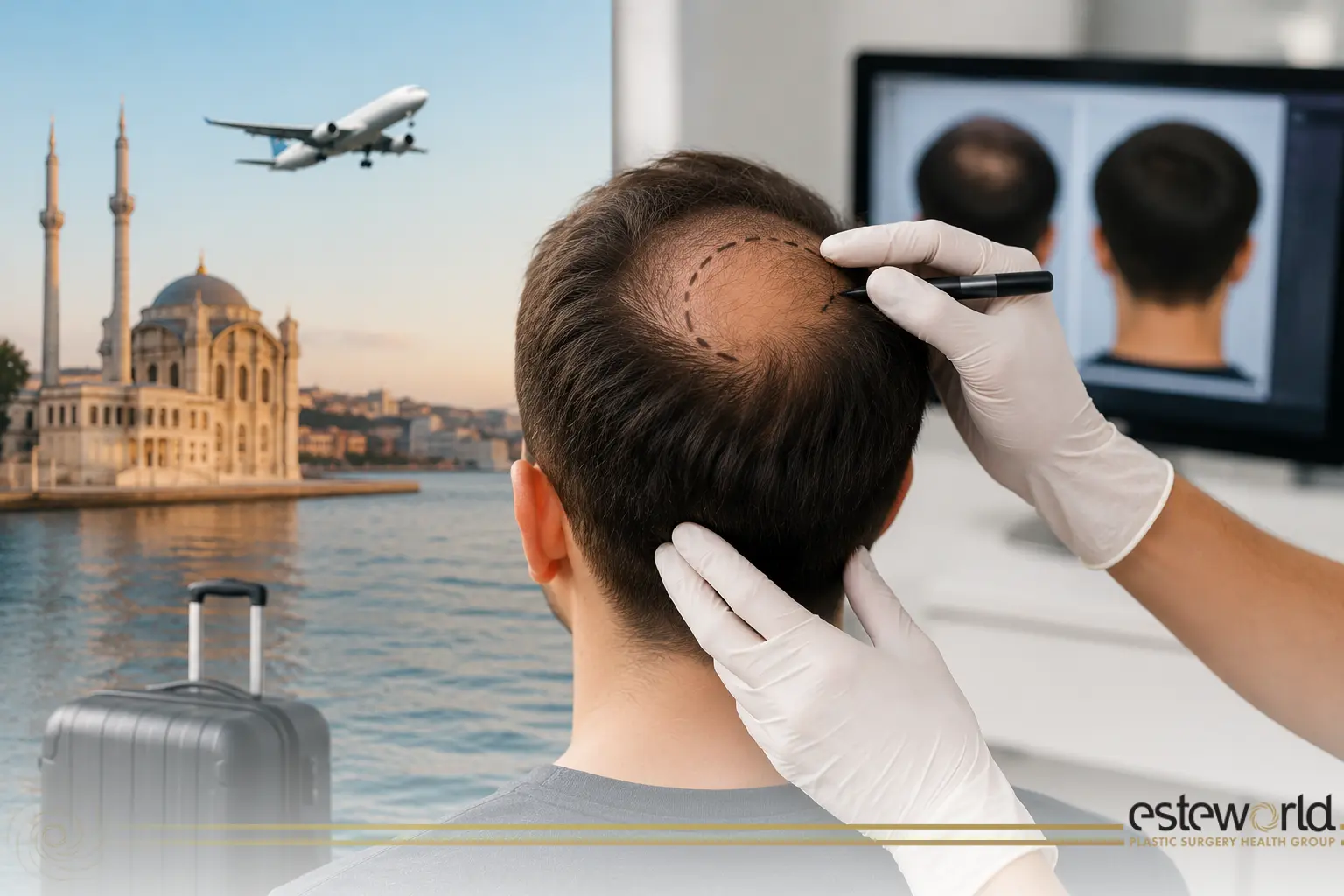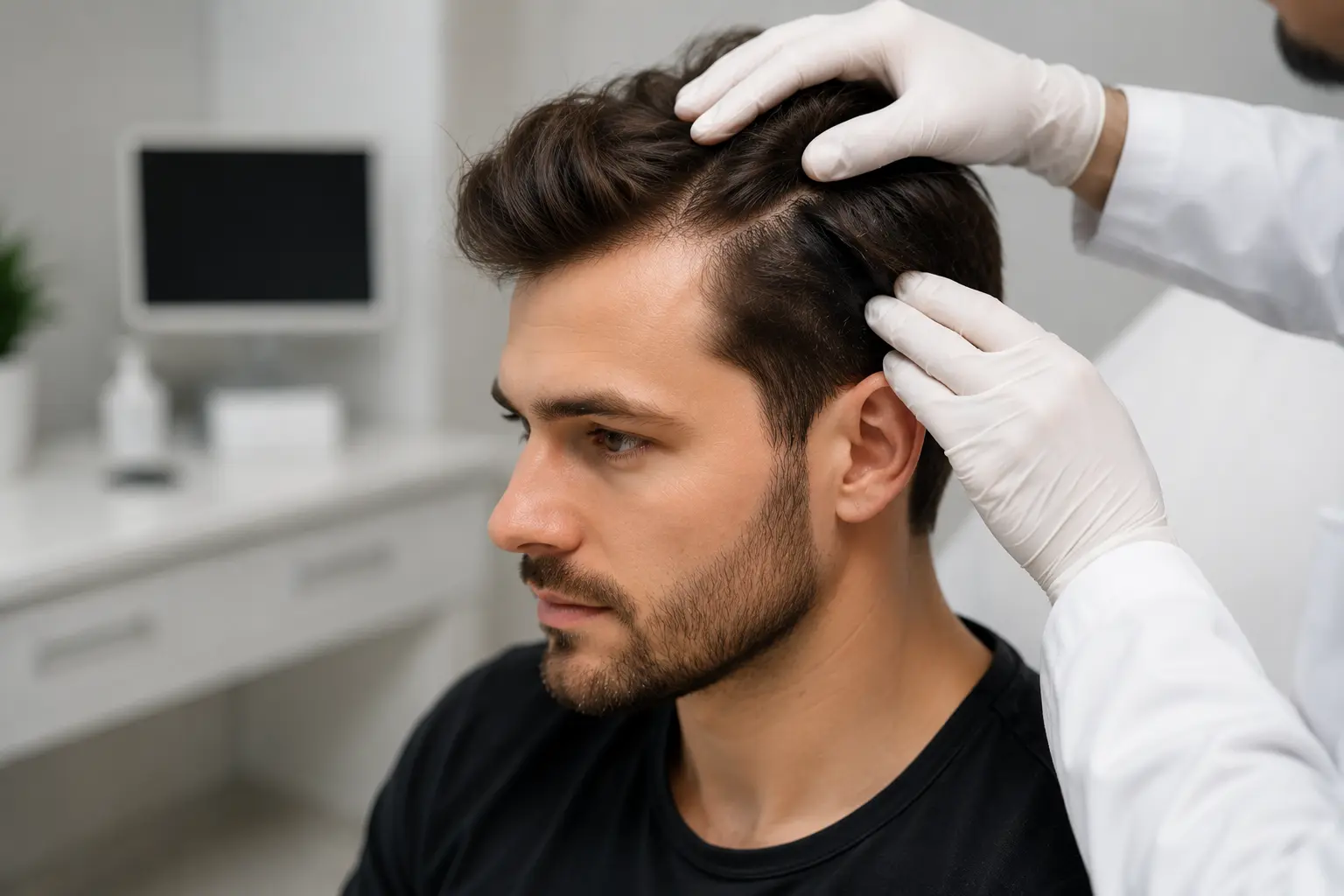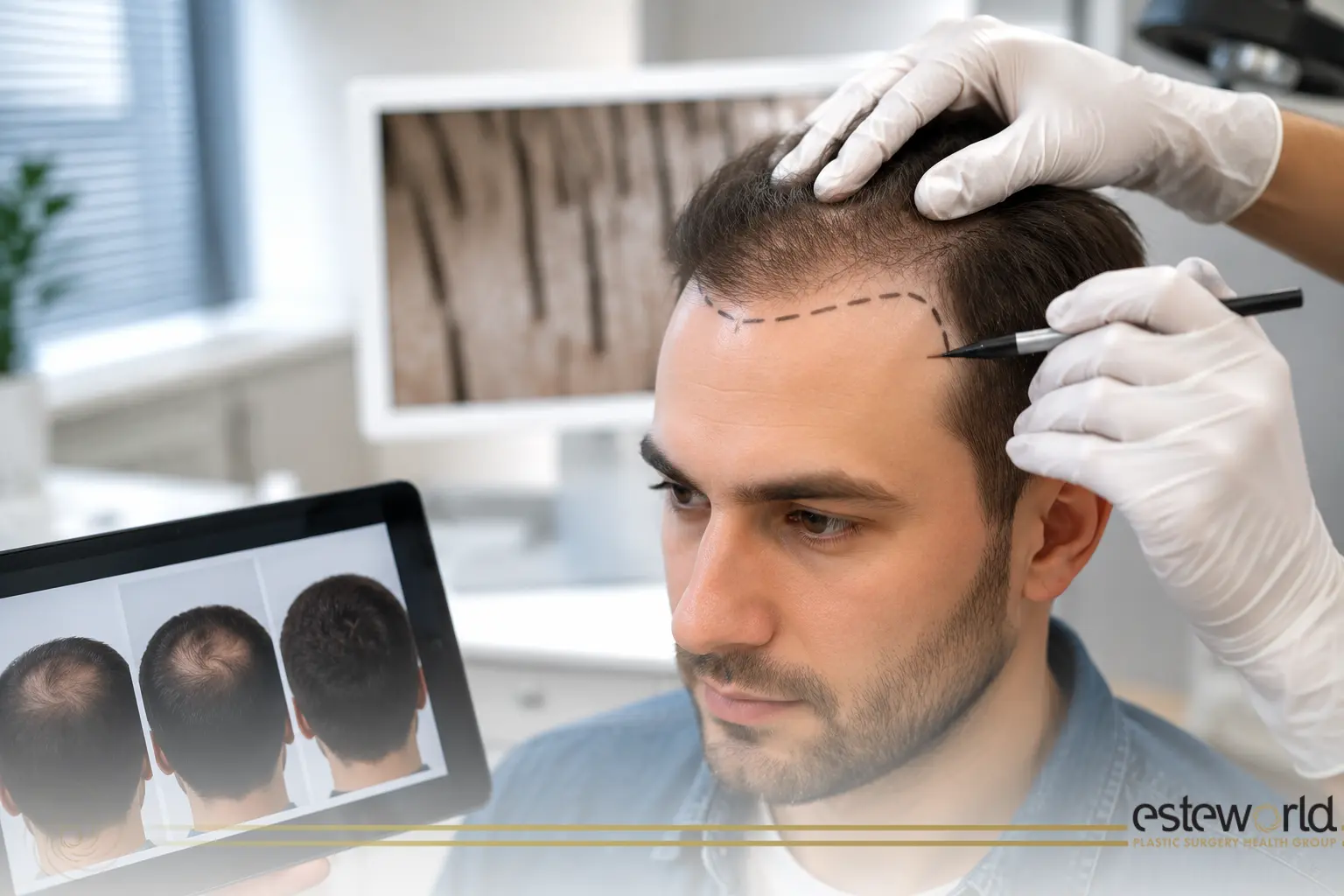

A hair transplant is a popular and effective solution for individuals experiencing hair loss, but not everyone is an ideal candidate for the procedure. To achieve successful results, certain criteria must be met. Ideal candidates for a hair transplant are typically those who have sufficient healthy donor hair, a stable hair loss pattern, and realistic expectations about the outcome. Whether caused by genetics, trauma, or medical conditions, hair loss can be addressed through this surgical procedure if the right conditions are present. This article outlines the factors that determine if you’re a suitable candidate for a hair transplant.
Hair Loss Pattern and Stability
The stability of your hair loss pattern is one of the most important factors in determining candidacy for a hair transplant. Ideal candidates should have a well-defined area of hair loss that has stabilised over time. In men, this usually means that hair loss from androgenetic alopecia (male pattern baldness) has reached a point where it’s no longer progressing rapidly. Women with pattern hair loss can also be good candidates if their hair thinning is concentrated in specific areas, such as the crown or temples. If hair loss is still actively progressing, surgeons may recommend waiting until it stabilises to ensure the best long-term results.
Sufficient Donor Hair Availability
One of the key factors in determining whether someone is an ideal candidate for a hair transplant is the availability of healthy donor hair. The donor area, typically located at the back or sides of the scalp, must have enough hair follicles that can be harvested for transplantation. Individuals with thinning or balding in other parts of the scalp but with a strong, dense donor area are generally good candidates. For those with insufficient donor hair on the scalp, body hair from areas like the chest or beard may be considered, although this can affect the texture and appearance of the transplanted hair.
Age and Health Considerations
Age and overall health are also important considerations when determining candidacy for a hair transplant. While there is no strict age limit, younger individuals may be advised to wait until their hair loss pattern becomes more predictable. In general, candidates between the ages of 25 and 65 tend to experience the best outcomes. In terms of health, candidates should be in good general condition, as certain medical issues like uncontrolled diabetes, heart disease, or blood clotting disorders may affect the healing process. Consulting with a qualified hair transplant surgeon is crucial to assess your health and ensure a safe procedure.
Realistic Expectations About Results
Having realistic expectations is a critical part of being an ideal candidate for a hair transplant. While modern hair transplant techniques like FUE and FUT can deliver excellent, natural-looking results, it’s important to understand that the density and coverage may vary depending on the extent of your hair loss and the availability of donor hair. An ideal candidate recognises that while a hair transplant can improve the appearance of thinning or balding areas, it may not fully restore the hair density they had in their youth. Open communication with your surgeon about what can be achieved is key to a satisfactory outcome.