Search

The Role of Aftercare in Hair Transplant Success

The Role of Aftercare in Hair Transplant Success

Dr. Burak Tuncer

Hair Transplant

Publication Date

11 October 2024

Last updated

11 June 2026

Table of Contents

What is the Role of Aftercare in Hair Transplant Success?

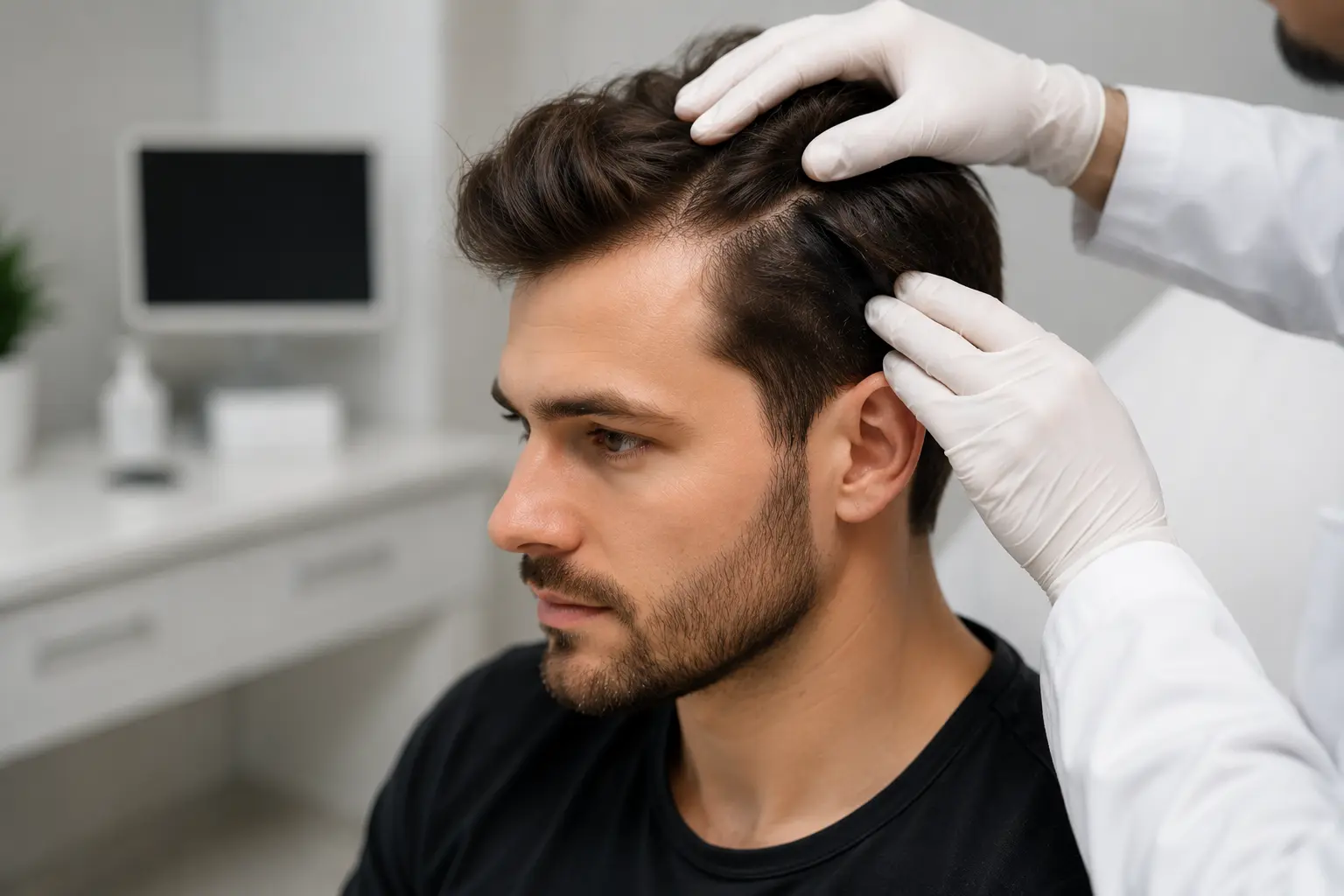
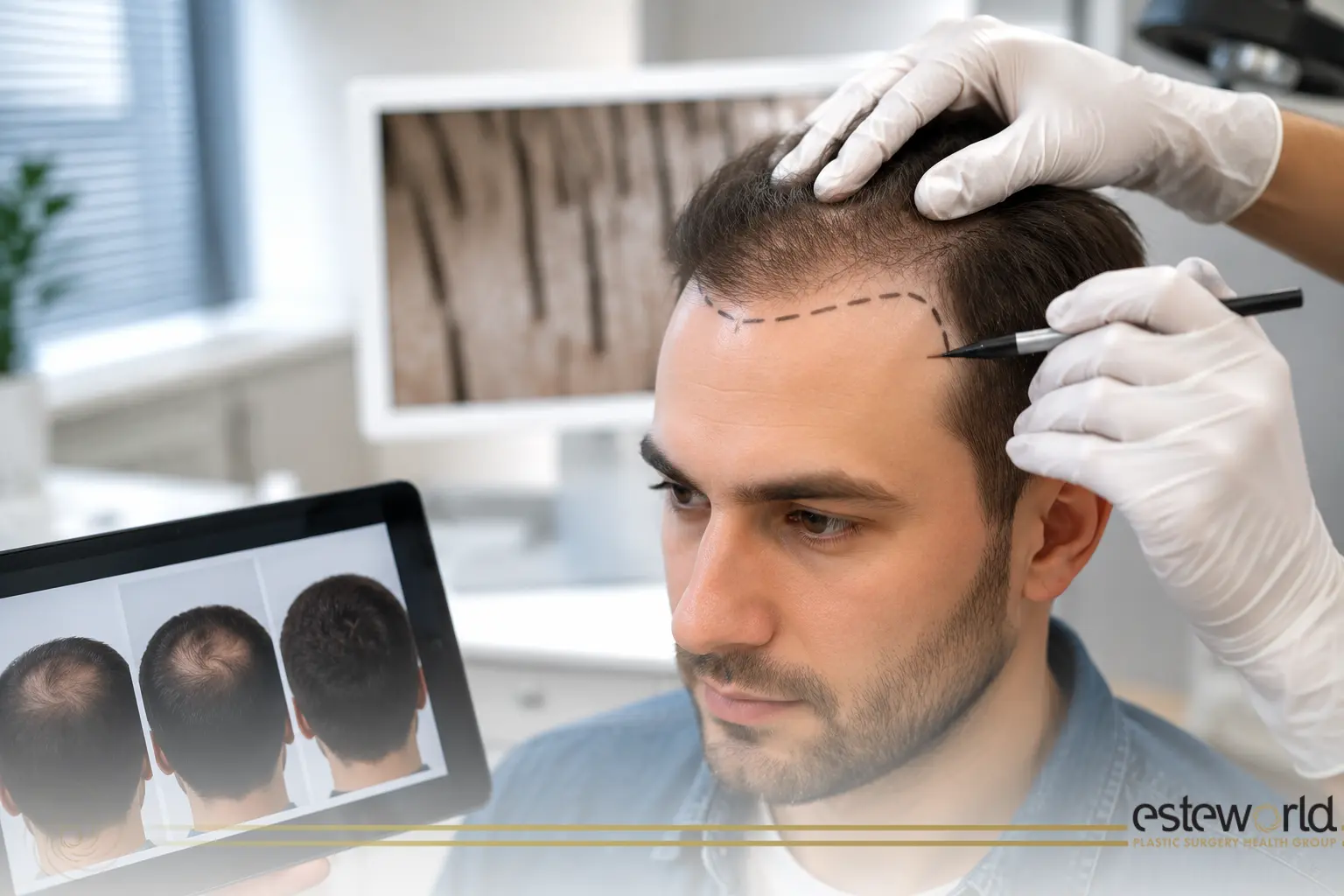
Aftercare is a critical component of hair transplant success, ensuring that the newly transplanted follicles take root and grow properly. Without proper post-operative care, patients risk complications such as infections, poor graft survival, and suboptimal results. After a hair transplant, the scalp is sensitive, and the healing process requires careful attention to protect the grafts and promote natural hair growth. Following your surgeon’s aftercare instructions is essential for achieving the best possible outcome. In this article, we’ll explore the key aspects of hair transplant aftercare and how they contribute to the long-term success of the procedure.

Immediate Aftercare: The First 48 Hours

The first 48 hours after a hair transplant are crucial for graft survival. During this period, it’s essential to follow specific instructions from your surgeon, such as keeping the scalp clean and avoiding direct contact with the treated area. Patients are typically advised to sleep with their heads elevated to reduce swelling and avoid any pressure on the grafts. It’s also important to refrain from washing your hair during this initial phase, as the grafts are still fragile. Any early disruption to the grafts can negatively affect their ability to take root, which may compromise the overall success of the procedure.

Post-Procedure Hair Washing and Scalp Care

Proper washing techniques are vital in the days and weeks following a hair transplant. Surgeons typically recommend waiting a few days before gently washing the scalp with a mild, doctor-recommended shampoo. When washing, it’s important to avoid vigorous rubbing or scratching, as this can dislodge grafts. Over time, patients can gradually return to a more normal hair washing routine, but it’s critical to follow the surgeon’s instructions to prevent any damage to the newly transplanted follicles. Additionally, using the right aftercare products can promote healing and nourish the scalp.

Long-Term Aftercare: Ensuring Optimal Hair Growth

After the initial recovery phase, ongoing aftercare plays a significant role in the long-term success of a hair transplant. This includes avoiding direct sun exposure to the scalp, refraining from heavy exercise for a few weeks, and following any prescribed treatments such as anti-inflammatory medications or hair growth supplements. Regular follow-up appointments with the surgeon will help monitor progress and ensure the grafts are developing as expected. Long-term care also involves maintaining a healthy scalp environment to encourage continued hair growth and prevent any future hair loss.

Avoiding Common Mistakes During the Aftercare Period

Patients can sometimes unknowingly hinder their recovery by making common mistakes during the aftercare period. These include failing to follow washing instructions, scratching the scalp, or wearing tight headgear too soon after the procedure. Smoking and alcohol consumption can also negatively impact healing, as they can restrict blood flow to the scalp. By following the recommended aftercare plan closely and avoiding these pitfalls, patients can significantly improve the chances of successful graft retention and optimal hair growth.
Get Expert Advice Today
Have Questions in Mind? Contact Us!

FAQs

Aftercare ensures the transplanted hair follicles take root and heal properly, which is essential for the long-term success of the procedure and avoiding complications.
It’s typically recommended to wait at least 48 hours before gently washing your hair with a mild shampoo, following your surgeon’s specific instructions.
Patients are generally advised to avoid heavy exercise and strenuous activities for a few weeks to prevent excessive sweating and protect the healing grafts.
Common mistakes include scratching the scalp, wearing tight hats, and failing to follow washing instructions. Smoking and alcohol should also be avoided during recovery.
Long-term success can be achieved by maintaining a healthy scalp, attending follow-up appointments, and using doctor-recommended products to support hair growth.
Patients can gradually return to a normal hair washing routine after a few weeks, but it’s important to be gentle and follow the surgeon’s instructions during the early stages.
Most patients will start seeing noticeable hair growth 3 to 4 months after the transplant, with full results visible after 12 to 18 months.
It’s recommended to avoid direct sun exposure on the scalp for several weeks after the procedure, as this can damage the healing grafts.
Itching is common during the healing process, but it’s important to avoid scratching. Use a soothing spray or product recommended by your surgeon to ease discomfort.
Yes, it’s normal for transplanted hair to shed within the first few weeks post-procedure. This is part of the natural hair growth cycle, and new growth will follow in the months ahead.
ESTEWORLD
WE ARE IN 35 COUNTRIES IN THE WORLD

As Esteworld Health Group, Turkey’s leading provider of plastic and aesthetic surgery services, we have been offering aesthetic services at the highest medical standards since 1994 under the slogan “Healthy beauty!”

Hair Transplant Operations
0 +
Plastic Surgery Operations
0 +
Dental Treatments
0 +
Achievements and Certificates
THE HOSPITAL THAT MAKES YOU SMILE
We provide services with high medical standards; we offer solutions in hair transplantation, plastic surgery, longevity, dental and medical aesthetics with our expert staff.
ESTEWORLD
ESTEWORLD
Welcome to Esteworld. How can we help you?

Anfahrt zur Atasehir-Klinik mit öffentlichen Verkehrsmitteln:

Mit dem Metrobus:

Sie können an der Haltestelle Uzunçayır aus dem Metrobus aussteigen und dann mit Minibussen und Bussen zum Einkaufszentrum Metropol fahren.

Busverkehr:

Sie können die Buslinien 8K-10-10A-10EK-13-13ŞB-13AB-14ŞB-16M-19EK-19M-KM46-256 nehmen und an der Haltestelle Ataşehir Plazalar aussteigen.

Transport mit dem Minibus:

Sie können die Minibusse Üsküdar-Ferhat Paşa, Üsküdar-Ataşehir, Ümraniye-Ataşehir nehmen und
an der Haltestelle Ataşehir Plazalar aussteigen.

Mit der U-Bahn

Sie können die U-Bahn-Linie M4 Kadıköy-Sabiha Gökçen nehmen und an den Haltestellen Yenisahra oder Kozyatağı aussteigen und dann mit Bussen und Minibussen zum Metropol AVM fahren.

Transport vom Flughafen Sabiha Gökçen:

Sie können die U-Bahn-Linie M4 Kadıköy-Sabiha Gökçen nehmen, an der Haltestelle Kozyatağı aussteigen und dann mit Minibussen und Bussen zum Ataşehir Metropol AVM fahren.

Dojazd do kliniki Atasehir środkami transportu publicznego:

Metrobusem:

Można wysiąść z metrobusu na przystanku Uzunçayır, a następnie dojechać minibusami i autobusami do centrum handlowego Metropol.

Transport autobusowy:

Można skorzystać z linii autobusowych 8K-10-10A-10EK-13-13ŞB-13AB-14ŞB-16M-19EK-19M-KM46-256 i wysiąść na przystanku Ataşehir Plazalar.

Transport minibusem:

Można skorzystać z minibusów Üsküdar-Ferhat Paşa, Üsküdar-Ataşehir, Ümraniye-Ataşehir i
wysiąść na przystanku Ataşehir Plazalar.

Metrem

Można skorzystać z linii metra M4 Kadıköy-Sabiha Gökçen i wysiąść na przystanku Yenisahra lub Kozyatağı, a następnie dojechać autobusami i minibusami do Metropol AVM.

Transport z lotniska Sabiha Gökçen:

Można skorzystać z linii metra M4 Kadıköy-Sabiha Gökçen, wysiąść na przystanku Kozyatağı, a następnie minibusem lub autobusem dojechać do Ataşehir Metropol AVM.