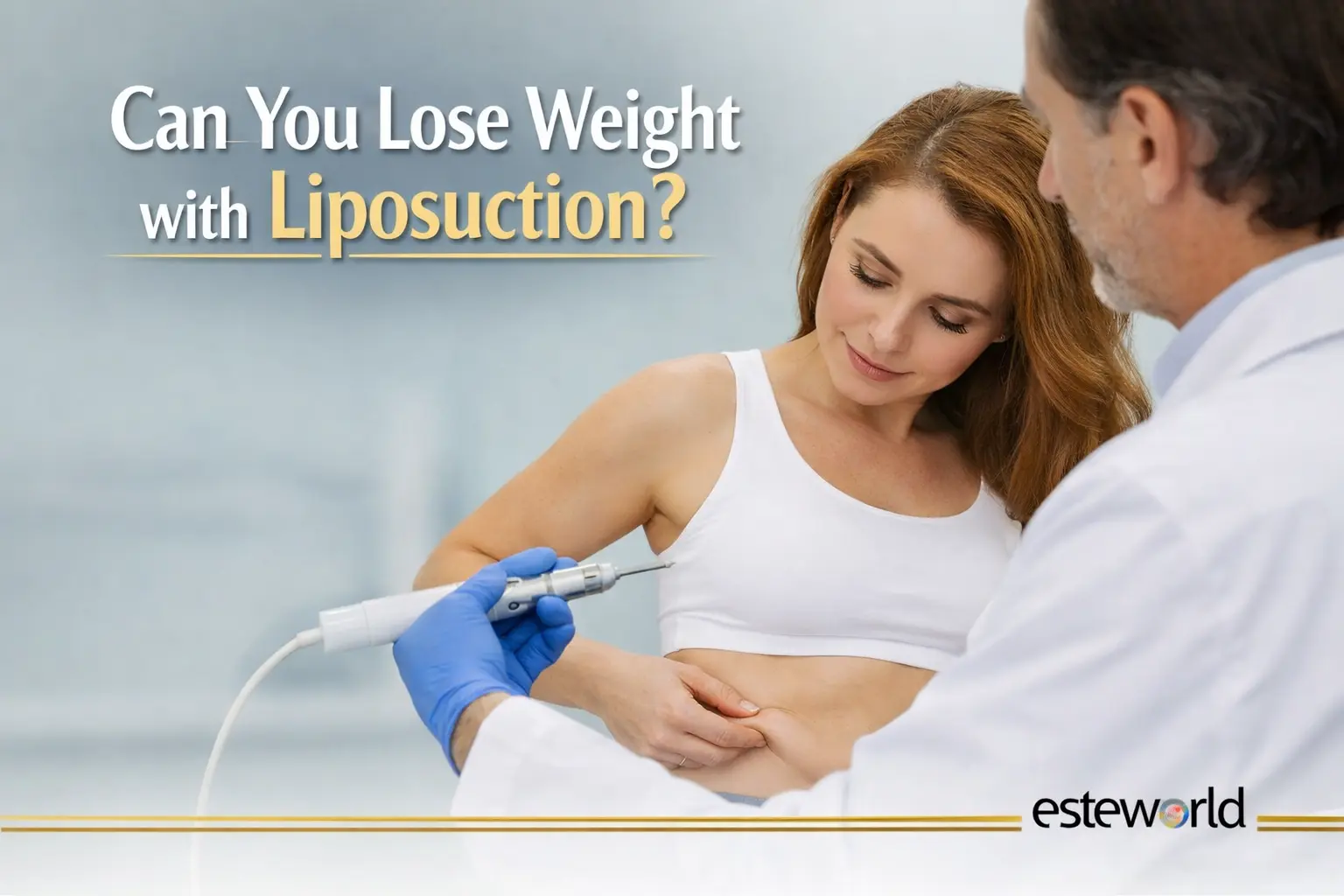

Liposuction (fat removal) is one of the most well-known procedures in aesthetic surgery. Although it is often referred to as a “weight loss surgery,” the actual purpose of liposuction is not directly to reduce the number on the scale; rather, it aims to improve body contours and create a more balanced silhouette by reducing stubborn fat deposits in specific areas of the body. Clarifying this distinction from the beginning is important because viewing liposuction as a “weight loss method” may lead to unrealistic expectations and make it harder to evaluate results properly.
Still, the question “Can you lose weight with liposuction?” is very understandable. After the procedure, effects such as clothes fitting more comfortably, a slimmer waistline, and visible changes in the mirror can create the feeling of having lost weight. In reality, what usually happens is not weight loss but reduction in measurements and reshaping of body contours. So why does this happen? Let’s look at it step by step.
What Is Liposuction?
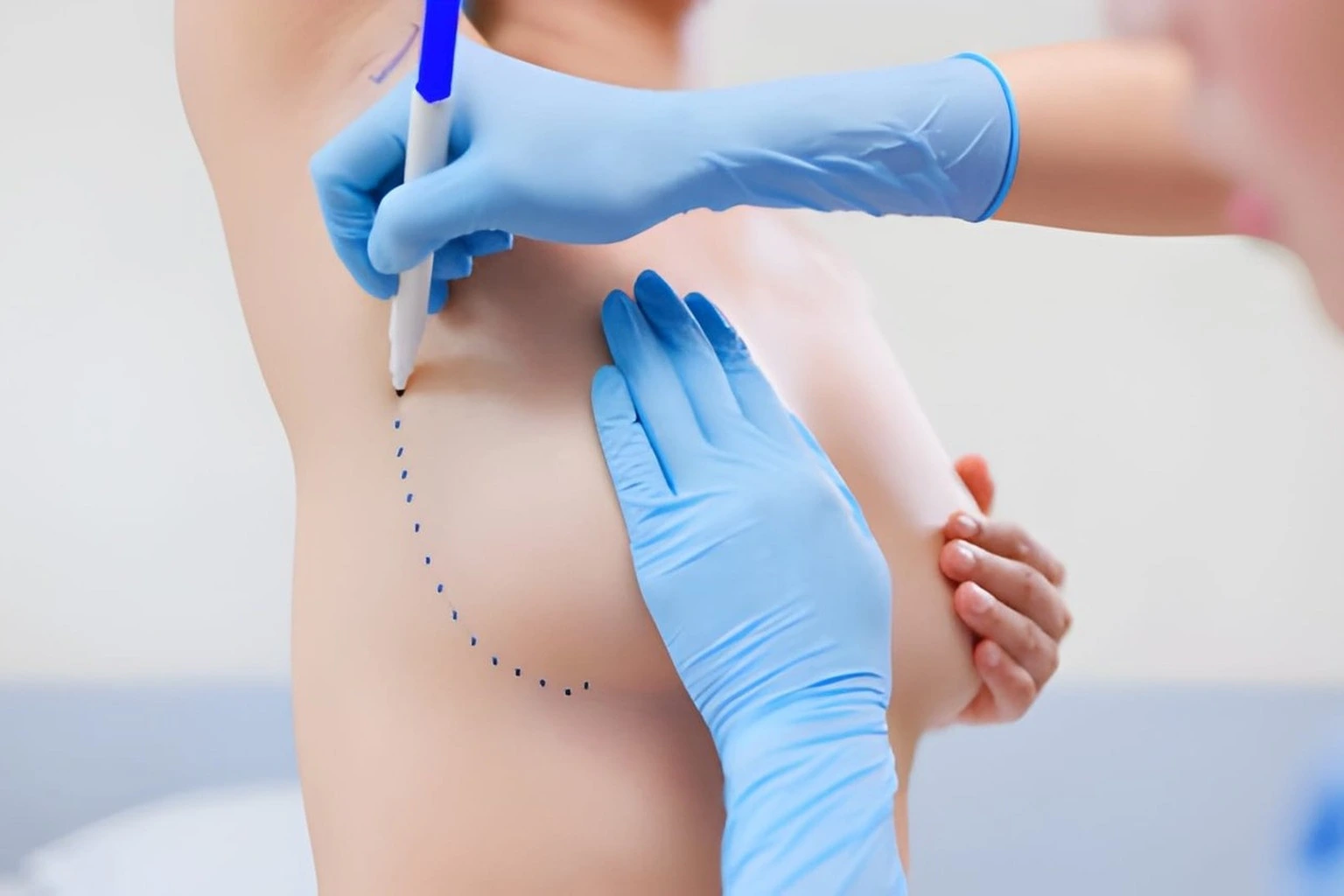
Liposuction is a procedure in which accumulated fat tissue in specific areas of the body is removed using thin cannulas. It can be applied to areas such as the abdomen, waist, hips, inner and outer thighs, back, arms, and under the chin. Although the technique used may vary depending on the individual, the treatment area, and the surgeon’s plan, the basic principle remains the same: a portion of fat cells is carefully reduced, leading to a decrease in the volume of that area.
The critical point here is this: Liposuction reduces fat cells, but if lifestyle habits do not change, the body’s tendency to store fat does not completely disappear. In other words, the procedure can be considered a starting point or a “reshaping step,” but maintaining long-term and balanced results requires proper management of nutrition, physical activity, and overall health habits.
Is Liposuction Performed for Weight Loss?
The classic statement is this: Liposuction is not a weight loss method but a body contouring method. The reason for this is that the amount of fat removed usually has a limited effect on total body weight shown on the scale. Even when several litres of fat are removed (which does not occur in every patient), the drop in weight is often not as dramatic as many people expect. On the other hand, visible improvements such as a slimmer waistline, a flatter abdomen, or smoother hip contours are often more noticeable.
Additionally, the body may retain fluid (oedema) after liposuction. This can make scale readings misleading in the early weeks. So even if it seems like liposuction “causes weight loss,” the correct evaluation should not rely solely on the scale; instead, it should be based on body measurements, clothing fit, photo comparisons, and overall contour changes.
Why Might There Not Be a Big Change on the Scale After Liposuction?
Fat tissue occupies space in terms of volume, but it is not always as heavy as people assume. Muscle tissue is denser than fat. That is why two people with the same body weight can look completely different. Liposuction focuses exactly on this point: reducing fat deposits that create excess volume in certain areas, independent of overall weight.
Additionally, swelling and oedema are normal in the early period after liposuction. As the swelling decreases, body contours become clearer. Therefore, saying “nothing changed on the scale during the first week” does not mean the procedure was unsuccessful. Most people begin to see clearer differences after 4–6 weeks, while final results may take longer to fully settle.
Which Fats Does Liposuction Remove, and Which Does It Not Remove?
Liposuction mainly targets subcutaneous fat tissue located under the skin. The type of fat known as visceral fat, which surrounds internal organs in the abdomen, cannot be removed with liposuction. Visceral fat is more closely related to nutrition, physical activity, sleep patterns, and overall metabolic health. For this reason, in some individuals with abdominal concerns, weight management and lifestyle changes may be recommended before considering liposuction.
Subcutaneous fat, on the other hand, can be stubborn in some individuals despite regular exercise. Areas such as the waistline, lower abdomen, hips, and back folds are common examples. Liposuction is typically effective in reducing fat deposits in these resistant areas.
Who Is a Suitable Candidate for Liposuction?
A suitable candidate profile usually includes individuals whose weight is relatively stable, who are close to their ideal weight or within a reasonable range, who have acceptable skin elasticity, and who experience localised fat accumulation in certain areas. The most satisfying results from liposuction are often seen in people who say, “This specific area doesn’t go away,” rather than those who want to lose weight overall.
Skin elasticity is important at this point. If the skin does not tighten sufficiently after fat removal, there may be a higher risk of irregularities or sagging. For this reason, skin quality is evaluated during examination, and alternative methods (such as lifting procedures) may be discussed if necessary.
Do Fats Come Back After Liposuction?
Fat cells removed through liposuction are reduced in number in that specific area. However, if the body takes in excess calories, it can continue storing fat. Although fat storage may be more limited in treated areas, it is not completely eliminated, and fat accumulation may become more noticeable in other areas of the body. Therefore, adopting the mindset of “I can eat anything now” after liposuction may negatively affect long-term results.
A practical way to understand this is: Liposuction is a powerful tool for improving body contours, but maintaining results is directly linked to personal habits. Regular walking, adequate protein intake, balanced carbohydrates, sufficient hydration, and good sleep habits can help maintain better long-term outcomes.
How Much Weight Can Be Lost with Liposuction?
There is no single answer to this question because the amount of fat that can be removed depends on factors such as body structure, the number of treatment areas, maintaining safe medical limits, and the surgeon’s treatment plan. However, planning liposuction with the goal of losing weight is often not the most appropriate approach. This is because the procedure mainly changes body measurements and clothing fit rather than body weight itself.
More realistic goals include outcomes such as slimming of the waistline, flattening of the lower abdomen, smoother hip transitions, and reduction of back folds—visual and measurable improvements rather than weight reduction alone.
The most accurate definition of liposuction is not “weight loss,” but body contour correction. The number on the scale may change, but the real goal is visible shape improvements such as a slimmer waist, more balanced abdominal and hip appearance, and better clothing fit. Therefore, if you are considering liposuction, it is more realistic to define your goal as “what kind of change do I want in which area” rather than “how many kilograms will I lose.” For detailed information about liposuction or to schedule an appointment, you can contact us.