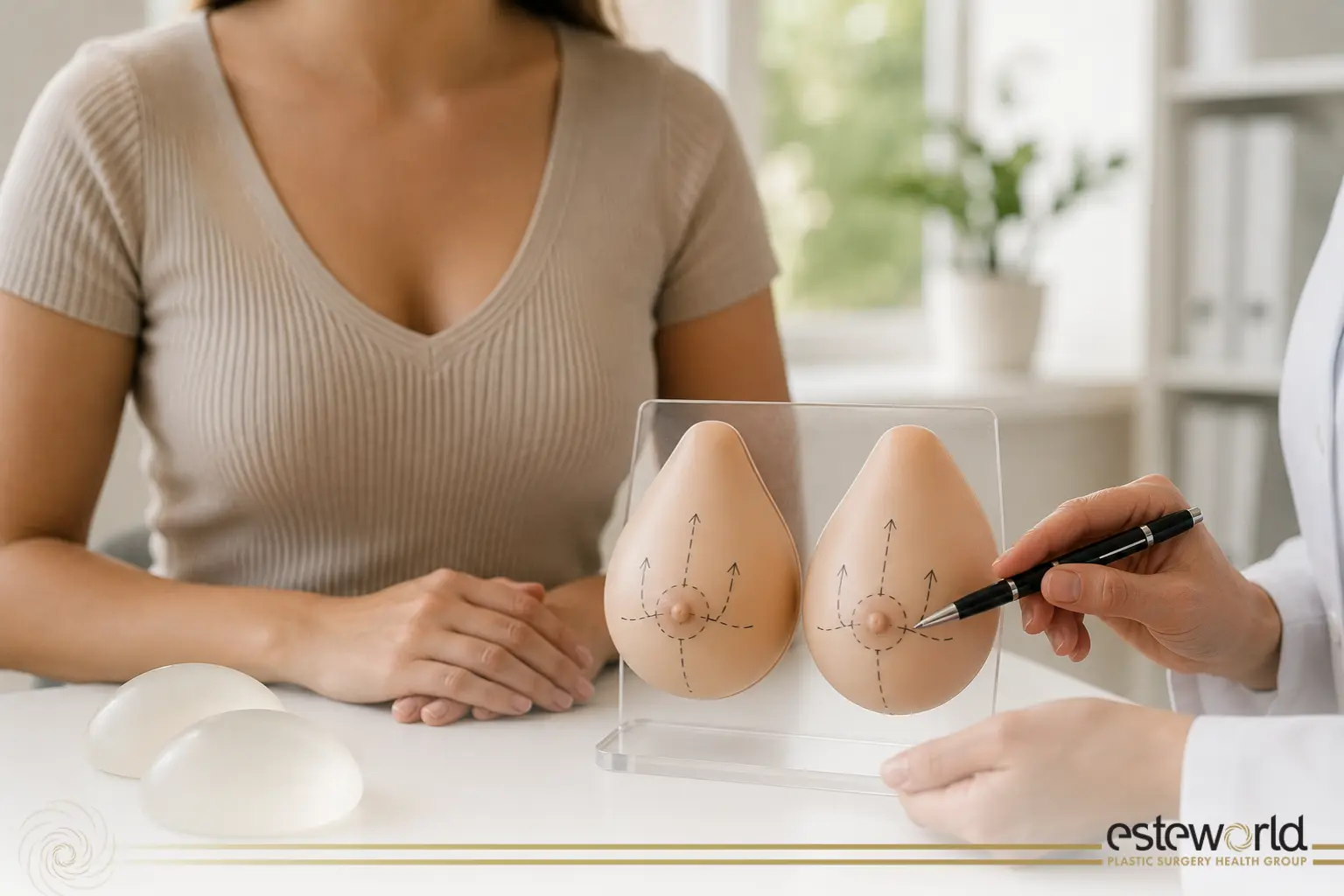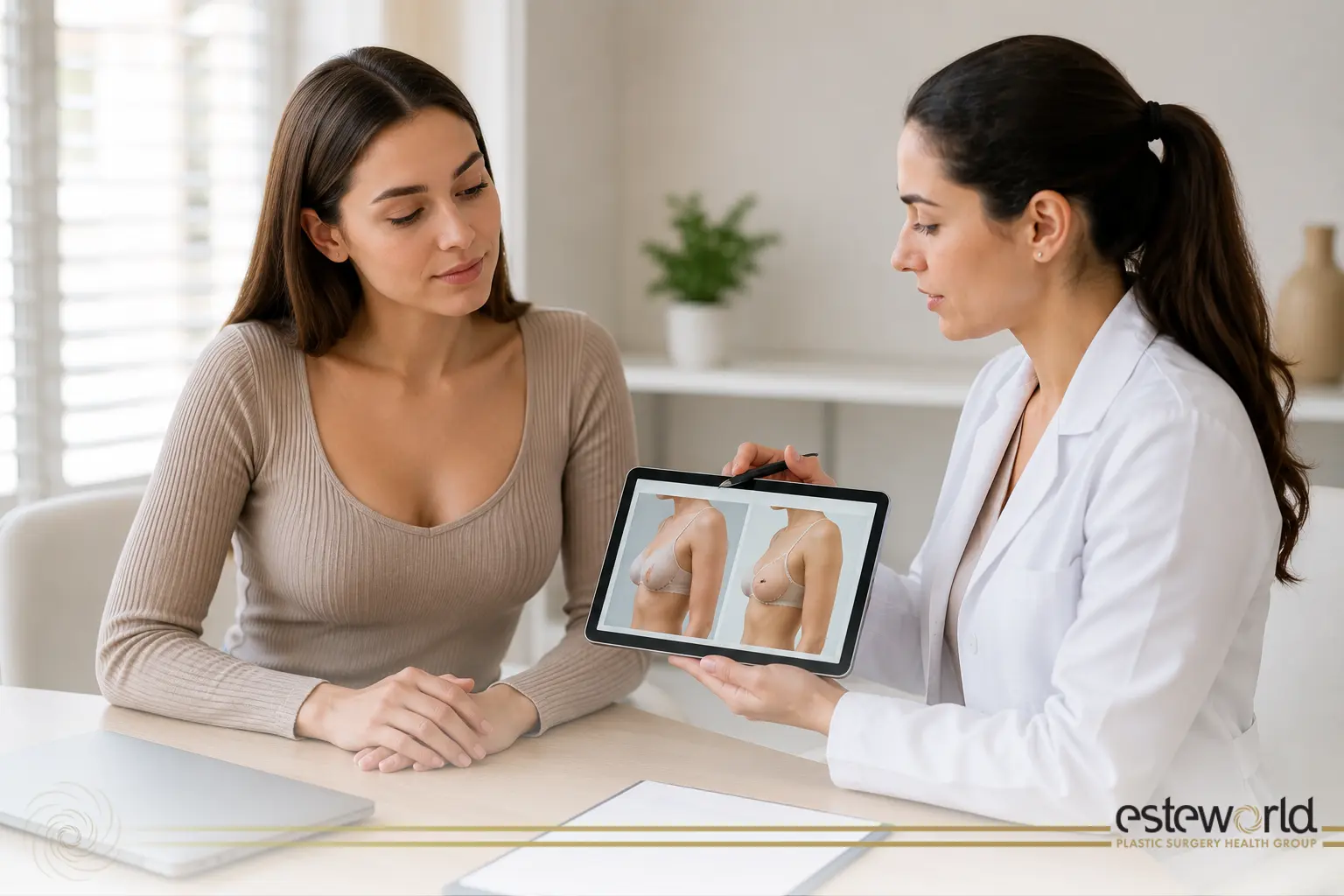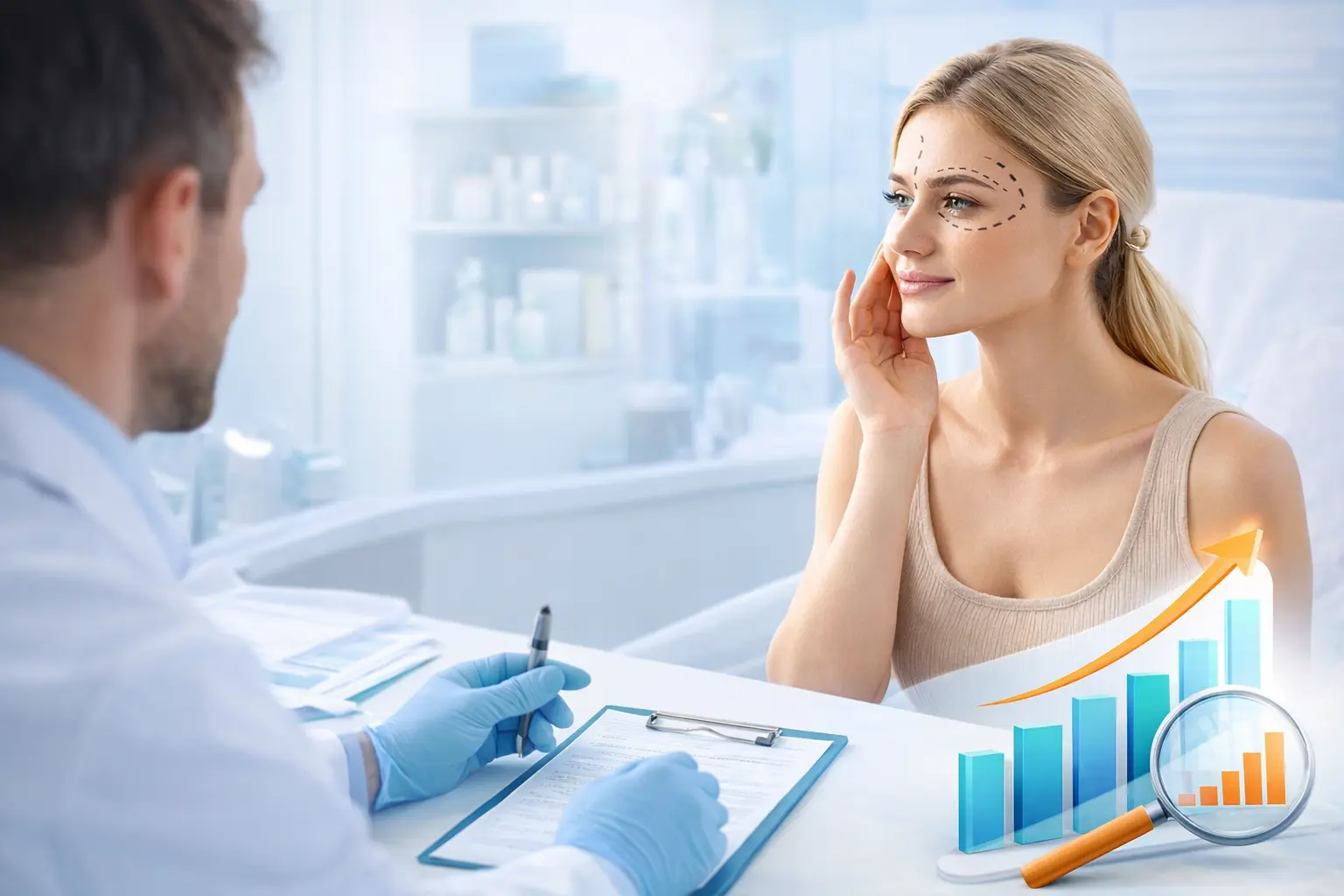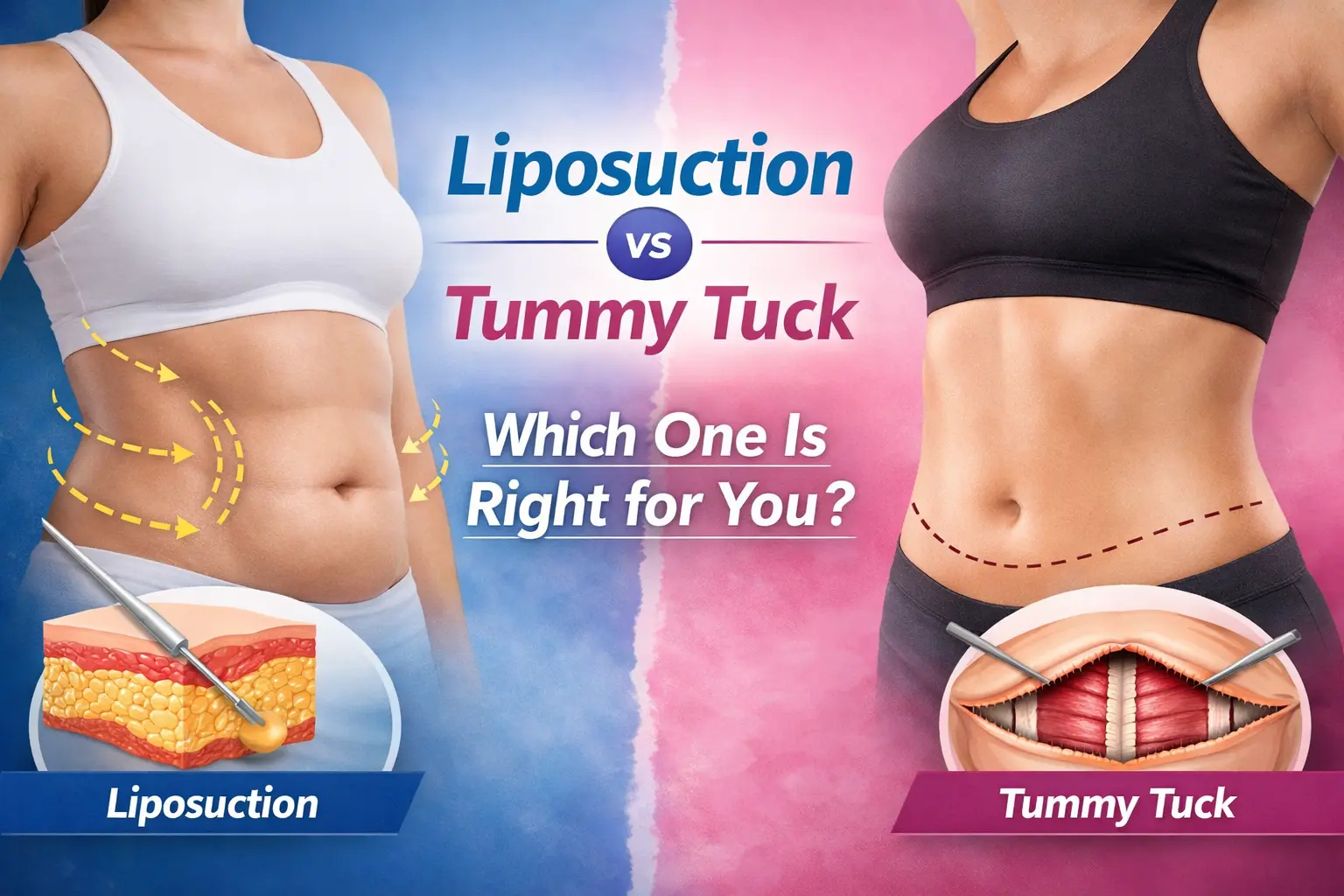
3D imaging and artificial intelligence (AI) are changing the conversation before surgery more than the surgery itself. A 3D simulation can help you and your surgeon compare options, but it is an approximation of your result, not a forecast. AI images and chatbots can help you prepare, yet they cannot examine you, assess your risks or replace a surgeon’s judgement.
This article is for general information only. It does not replace a consultation, diagnosis or treatment by a doctor.
What Is Changing, and What Each Tool Can Do
These tools do different jobs and have different limits.
| Tool | Who uses it | What it can help with | Main limit |
| 3D simulation software | Surgeons | Comparing options on a scan of your own face or body | Differences from the real result are common; it cannot forecast healing |
| AI-generated images of yourself | Patients | Showing which features you like | The image may not be anatomically or surgically possible |
| General AI chatbots | Patients | Explaining general information and helping you prepare questions | Not tailored to you; can leave out less common risks |
| AI analysis and risk models | Mainly researchers | Supporting decisions and identifying risk factors | Little real-world testing; one 2025 review found no prospective clinical trials |
| AI office tools | Some surgeons | Notes, appointment booking and aftercare booklets | A doctor still has to check the content |
How 3D Imaging Works in a Consultation
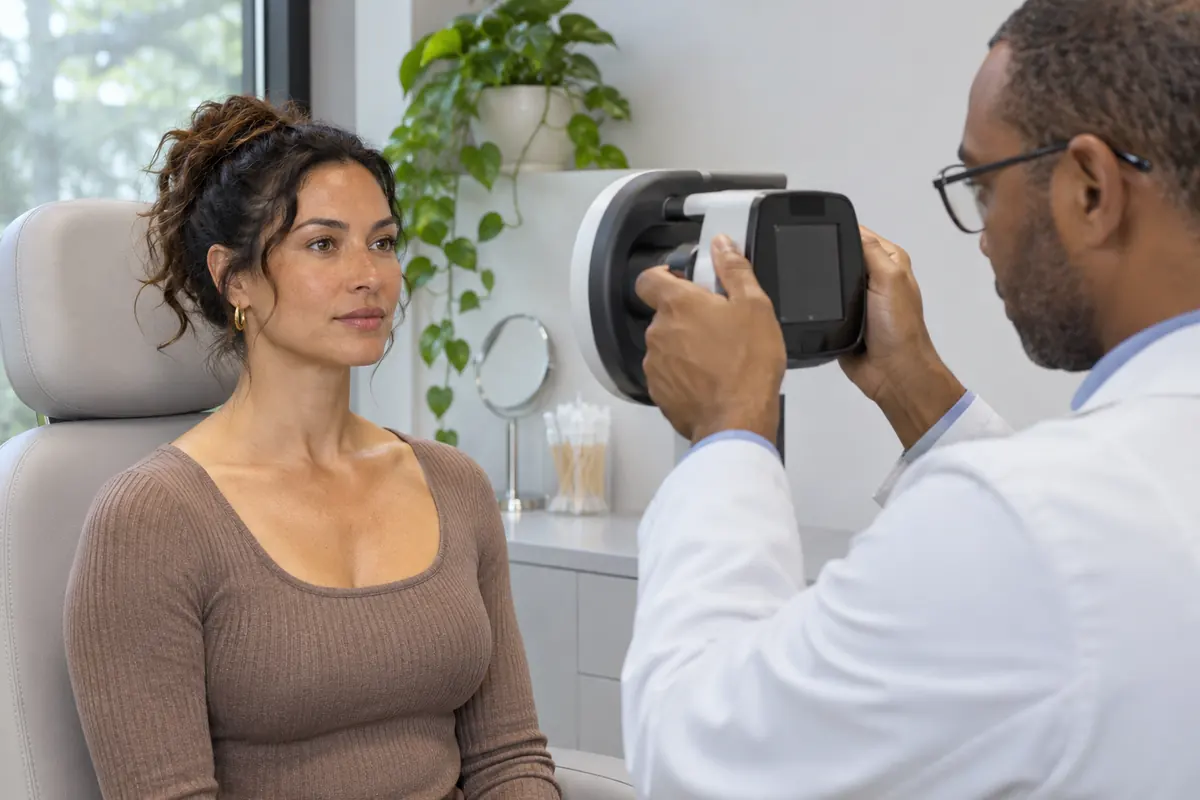
An article published by the American Society of Plastic Surgeons (ASPS) describes how one surgeon uses 3D imaging for breast augmentation. She captures front and side images of the patient and uploads them to the software. She then selects an implant size, profile and projection, and the software simulates what the patient could look like.
She also uses it to discuss a difference in breast size and to compare an implant without a lift with a lift without an implant. For the face, surgeons can use a 3D scan to simulate potential changes.
The same surgeon puts the tool’s role plainly: “This is just a computer image.” Results depend on your anatomy, your healing and surgical variables.
How Accurate Is 3D Simulation?
A 2026 systematic review found accuracy studies for only two aesthetic procedures: breast augmentation (12 studies) and rhinoplasty (5 studies).
- Breast augmentation: Simulations were often highly accurate. Differences could still occur, especially with complex anatomy or drooping breasts.
- Rhinoplasty: Prediction was less reliable, particularly for how far the tip of the nose projects.
The review’s authors state that one-third of simulated images do not accurately predict the outcome, and that patients should be told about this.
In one study of 103 breast augmentation patients, the real result differed from the simulation by an average of 0.3 cm. This applied to breast width and to the distance from nipple to breast fold. The authors also found uncertainties linked to chest size and breast volume.
In a study of 38 rhinoplasty patients, the simulation overstated tip projection by less than 1 mm on average. A closer match went with higher satisfaction. Both studies looked back at past patients, so their figures may not apply to you.
As one ASPS surgeon explains, no software can fully predict how your tissues will heal, how swelling will resolve or how scars will mature.
Does 3D Simulation Make Patients More Satisfied?
The evidence is mixed:
- For: A 2026 systematic review of 17 studies and 1,333 patients concluded that simulation may enhance satisfaction, trust and engagement, particularly in breast procedures. The studies varied widely, though.
- Against: In a 2018 US trial of 100 breast augmentation patients, simulation did not lead to clinically meaningful changes in patient-reported outcomes. Only 23 of them were randomised, as more and more patients chose simulation.
- Combined with remote care: In a 2026 randomised trial of 120 breast augmentation patients in Thailand, 3D imaging with telemedicine gave higher satisfaction. Face-to-face consultations were also shorter, about 10 minutes against 22. This design cannot separate the effect of imaging from that of telemedicine.
- In the decision itself: In a 2026 study of 75 women, simulation ranked third among decisive factors, behind photographs of earlier patients and communication with the surgeon. The authors call it a complementary tool.
Views also differ on what it does to expectations. One ASPS surgeon finds it gives patients a more realistic view. The 2026 accuracy review warns that unrealistic images may lead some patients to expect results that cannot be achieved.
The “AI Face”: When Patients Bring Their Own Images
The newest change comes from patients themselves. The British Association of Aesthetic Plastic Surgeons (BAAPS) recently surveyed its members. It found that 15% had seen patients arrive with AI-generated images of themselves that created unrealistic expectations. Its president expects this to become more common.
These images differ from a photo of a celebrity because they show your own face. BAAPS explains that this can make the result feel achievable, even when it bears little relation to what is possible. An image generator changes pixels. A surgeon has to work with your bone structure, soft tissue, skin quality and healing.
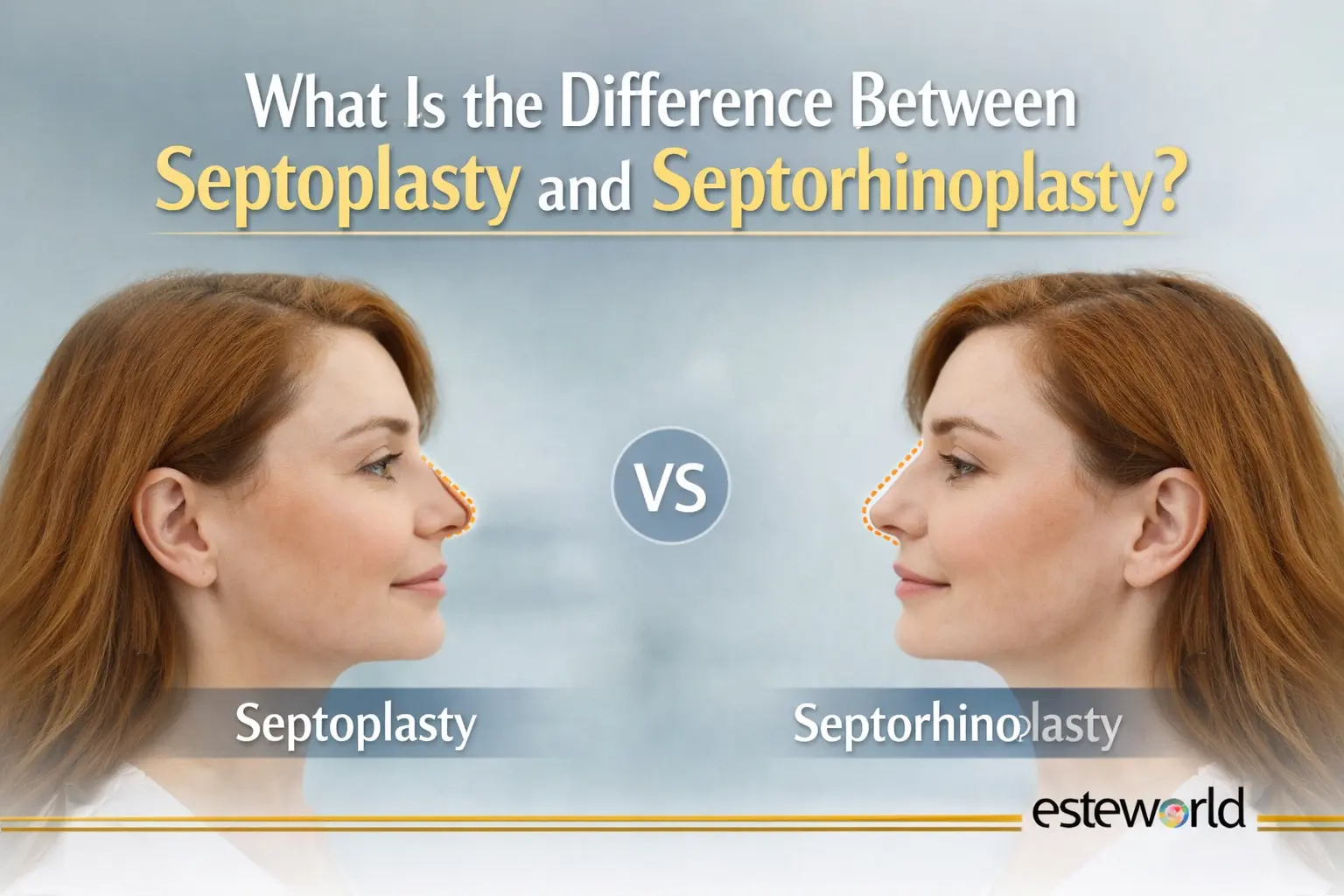
The nose shows this well. One ASPS surgeon notes that AI images often apply a generic idealised nose, and that they focus on looks over function, such as airflow. Our article on the difference between septoplasty and septorhinoplasty looks at how breathing and the shape of the nose can be treated together. Our rhinoplasty page has more about the procedure.
An AI image can still be useful as a starting point. BAAPS suggests three steps if you have made one:
- Bring both photos: Take your original, unedited photo as well as the AI version.
- Pinpoint the details: Say exactly what appeals to you, such as the angle of the jaw or the bridge of the nose.
- Listen to the limits: Let your surgeon assess your anatomy and explain what is safely and realistically achievable.
One surgeon quoted by ASPS warns that a generated image can become the expectation, even after the patient is told it is not possible. BAAPS adds that you should not feel pressured into surgery because an AI tool suggested a change.
AI Chatbots: Useful for Preparing, Not for Deciding
Studies suggest chatbots handle common questions reasonably well, but they are weaker on detail and on your own case:
- Common questions: In a 2026 study of 25 questions about five operations, ChatGPT-4o gave generally accurate answers and no unsafe recommendations.
- What was missing: The same study found that it left out less common but important risks. It also did not tailor its guidance to individual factors.
- Recovery questions: In a 2025 study of ten common rhinoplasty questions, three specialists found no critical errors. In a 2026 study of 15 questions, ten clinicians found accuracy and completeness varied, especially on returning to activity.
- Quality of information: A 2024 study scored ChatGPT-4 answers as poor or very poor on a validated quality tool, although clinicians rated their clarity and accuracy well.
Chatbot models change quickly, so these results may not describe the version you use. Both 2026 studies reach the same conclusion: a chatbot can support your reading, but it should not replace a discussion with your surgeon. Authors of a 2025 study add that all such models can produce inaccurate answers.
A sensible approach is to use one to learn the terms and draft your questions, then check the answers at your consultation.
AI Behind the Scenes: Planning, Risk and Paperwork
Research on AI in planning is growing. A 2025 systematic review of 18 studies found that image-based AI was used to support decisions and to identify factors linked to complications. Its authors say these tools may, in future, help to optimise plans and predict complications.
A second 2025 review looked at 25 studies of AI models in plastic surgery. Fewer than 40% reported external validation, which means testing the model on separate data. None included a prospective clinical trial. Claims that AI in the consultation already lowers complication rates or reduces surgical errors therefore go beyond this evidence.
ASPS has also reported individual surgeons using or considering AI for aftercare booklets, note-taking and appointment booking. One of them stresses that he reviews everything he publishes.
What a Consultation Still Has to Do
ASPS lists what a rhinoplasty consultation should cover, and much of it is a useful guide for other procedures too. That includes your goals, medical history, medicines and previous surgery. The surgeon may also examine and measure you, take photographs, and discuss options, likely outcomes and risks. Our plastic surgery page has more about individual operations.
The General Medical Council (GMC), the UK’s medical regulator, sets out further duties for doctors offering cosmetic procedures:
- They must ask why you want the procedure and what outcome you hope for.
- They must consider your vulnerabilities and psychological needs.
- They must talk about the physical and psychological impact if the result fails to meet your expectations.
- The doctor who will perform or supervise the procedure must discuss it with you and seek your consent personally.
- They must give you time to decide and tell you that you can change your mind.
These rules apply to UK doctors, but they make a useful checklist wherever you have treatment. The NHS adds that you should be given time to think after any consultation. You can also walk away if you are not completely comfortable. For the practical steps that follow, see our guide on how to prepare for aesthetic surgery.

Questions to Ask About the Technology
- Is this image based on a scan of my anatomy, or is it a generic AI image?
- How closely do your simulations usually match the real result for this procedure?
- What does the image not show, such as swelling, scars or healing?
- Is AI used in my assessment, records or planning, and who checks it?
- Where are my photographs stored, and who can see them?
When to Seek Medical Advice
See your own doctor if you think you might have body dysmorphic disorder (BDD). This is a mental health condition in which a person spends a lot of time worrying about flaws in their appearance. These flaws are often unnoticeable to others. According to the NHS, you might have BDD if you:
- Worry a lot about a specific area of your body, particularly your face.
- Spend a lot of time comparing your looks with other people’s.
- Look at yourself in mirrors a lot or avoid mirrors altogether.
The NHS notes that BDD can also lead to depression, self-harm and thoughts of suicide. If you are having such thoughts, get urgent medical help.
After surgery, contact your surgical team about any symptom that worries you, and do not rely on a chatbot to judge it. The NHS advises getting urgent medical advice if a scar is swollen or painful. The same applies if it feels warm to the touch or has pus coming out of it.
3D imaging and AI can make a consultation clearer, but current evidence supports them as aids to discussion, not as previews of a certain result. What matters most is what your own anatomy and health allow, and that still takes an examination by a qualified surgeon. If you would like to discuss your own situation, you can contact our team.