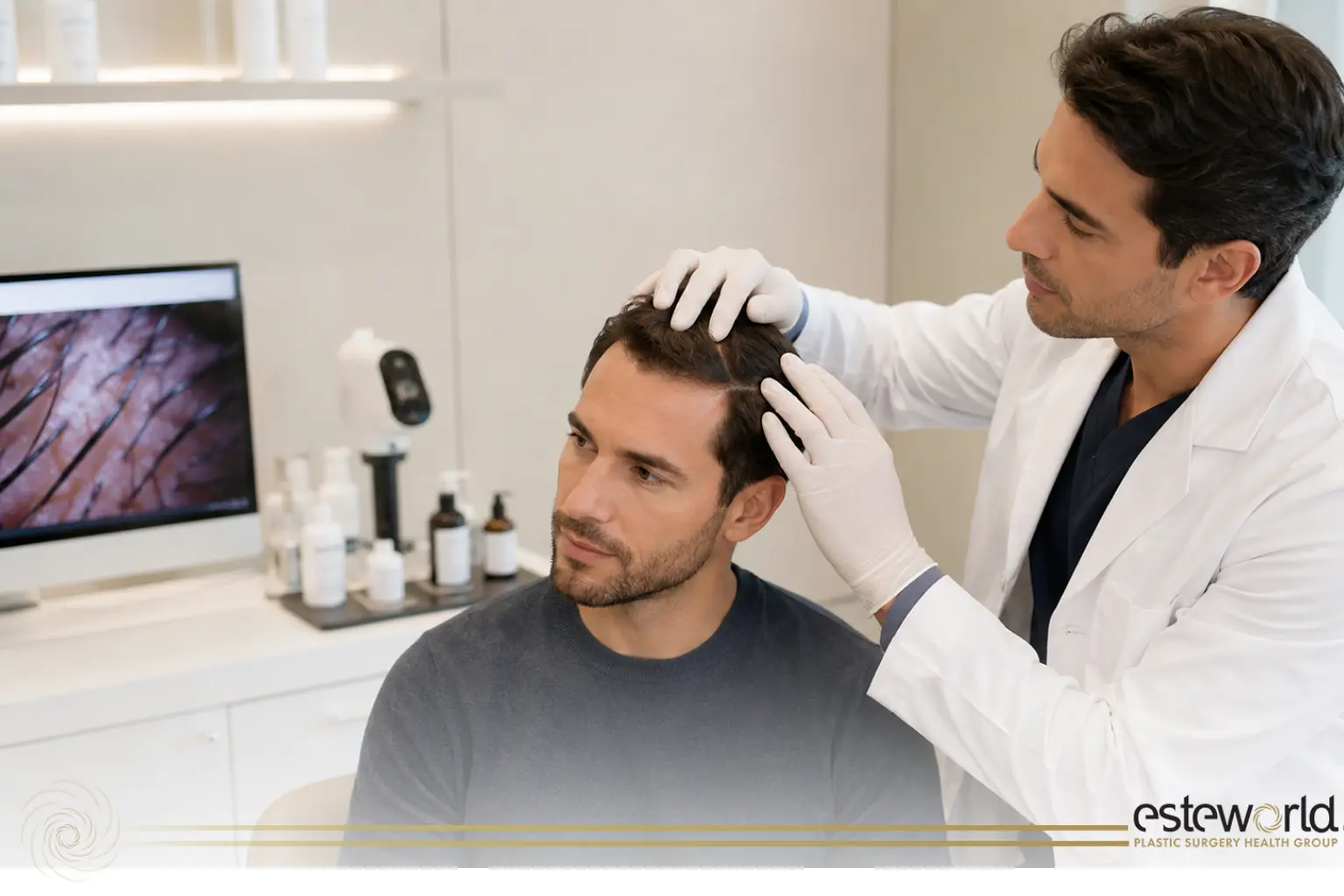

Hormones are chemical messengers that regulate various functions of our body and have a major impact on our health. Hormonal balances in our bodies control many vital functions, from our metabolism and emotional state to our growth and development and reproductive health. However, any disturbance in hormonal balance can negatively affect our overall health. One of the most common effects of these imbalances is on hair health.
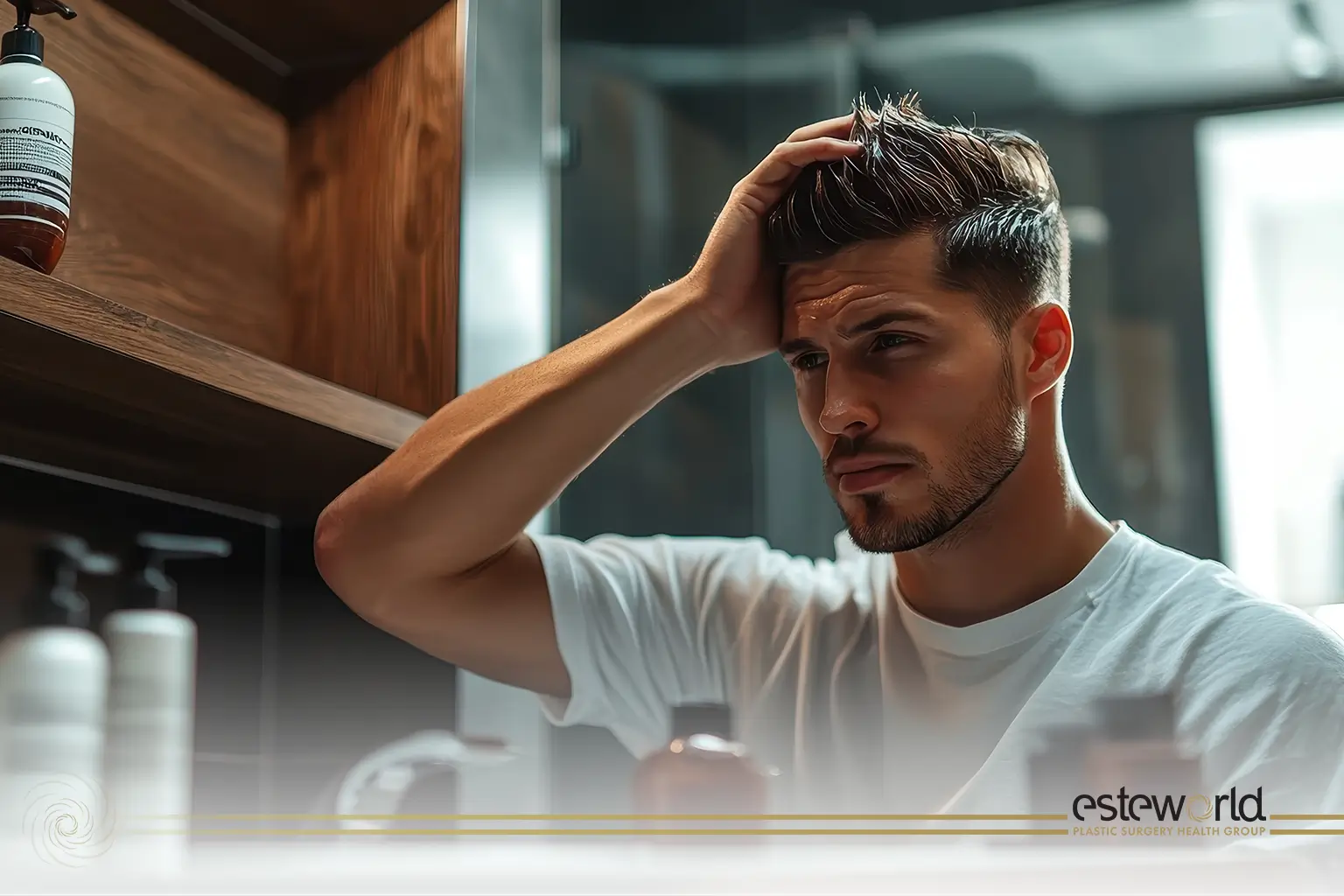
Our hair is an important part of us that greatly affects our appearance and our self-confidence. However, hormonal changes and imbalances can lead to hair loss, thinning or poor quality. In this blog post, we will examine the effects of hormonal imbalances on our hair health, explore the roles of different hormones in the hair growth cycle and discuss the causes, symptoms and treatment methods for these imbalances.
What is Hormonal Hair Loss?
Hormonal hair loss is a condition caused by hormone imbalances in the body. Hair loss occurs as a result of the negative effect of androgen hormones, especially dihydrotestosterone (DHT), on hair follicles. This type of hair loss usually occurs in combination with a genetic predisposition and can manifest itself as polycystic ovary syndrome (PCOS) in women and male pattern baldness (androgenetic alopecia) in men. Hormonal imbalances can also be caused by factors such as thyroid diseases, menopause, contraception or chronic stress.
Causes of Hormonal Imbalances
Polycystic Ovary Syndrome (PCOS): Causes imbalances in hormone production in women.
Menopause and Andropause: Decrease and imbalance in hormone levels with aging.
Thyroid Diseases: Thyroid gland dysfunctions such as hypothyroidism and hyperthyroidism.
Stress and Adrenal Fatigue: Long-term stress can cause hormone imbalances.
Birth Control Methods and Hormone Therapies: Medications and treatments that alter hormone levels.
Nutritional Disorders: Inadequate or unbalanced nutrition can affect hormone production.
Obesity: Excess weight can trigger hormonal imbalances.
Environmental Toxins: Chemical substances and toxins can disrupt the functioning of hormones.
The Role of Hormones in the Hair Growth Cycle
Hormones play a critical role in the hair growth cycle. While hormones such as estrogen and progesterone prolong the hair growth phase (anagen phase) and support the formation of healthy and strong hair, androgens, especially dihydrotestosterone (DHT), can cause hair loss by shrinking hair follicles. Thyroid hormones can also affect hair growth, causing both hair loss in hypothyroidism and hair thinning in hyperthyroidism. The balance of these hormones directly affects hair health and imbalances can lead to hair loss, thinning and loss of quality.
Types of Hormonal Imbalances and Their Effects on Hair
- Effect of Androgens (Dihydrotestosterone and Hair Loss)
- Male Pattern Hair Loss (Androgenetic Alopecia): Dihydrotestosterone (DHT) damages hair follicles, causing hair loss. It can occur in both men and women, but is more common in men.
- Changes in Estrogen and Progesterone Levels
- Pregnancy and Postpartum Period: Increased estrogen levels during pregnancy prolong the growth phase of the hair, and when estrogen levels drop after childbirth, sudden hair loss (telogen effluvium) may occur.
- Menopause: Decreased estrogen and progesterone levels can lead to hair loss and thinning.
- Thyroid Hormones and Hair Health
- Hypothyroidism: Low thyroid hormone levels slow hair growth and can cause hair loss.
- Hyperthyroidism: High thyroid hormone levels can lead to thinning hair and hair loss.
- Cortisol and the Effect of Stress on Hair
- Chronic Stress and Adrenal Fatigue: Prolonged high cortisol levels can increase hair loss and negatively affect hair health.
Each of these imbalances can affect hair health in different ways and can lead to hair loss, thinning or loss of quality. Maintaining hormonal balance is important for healthy hair growth.
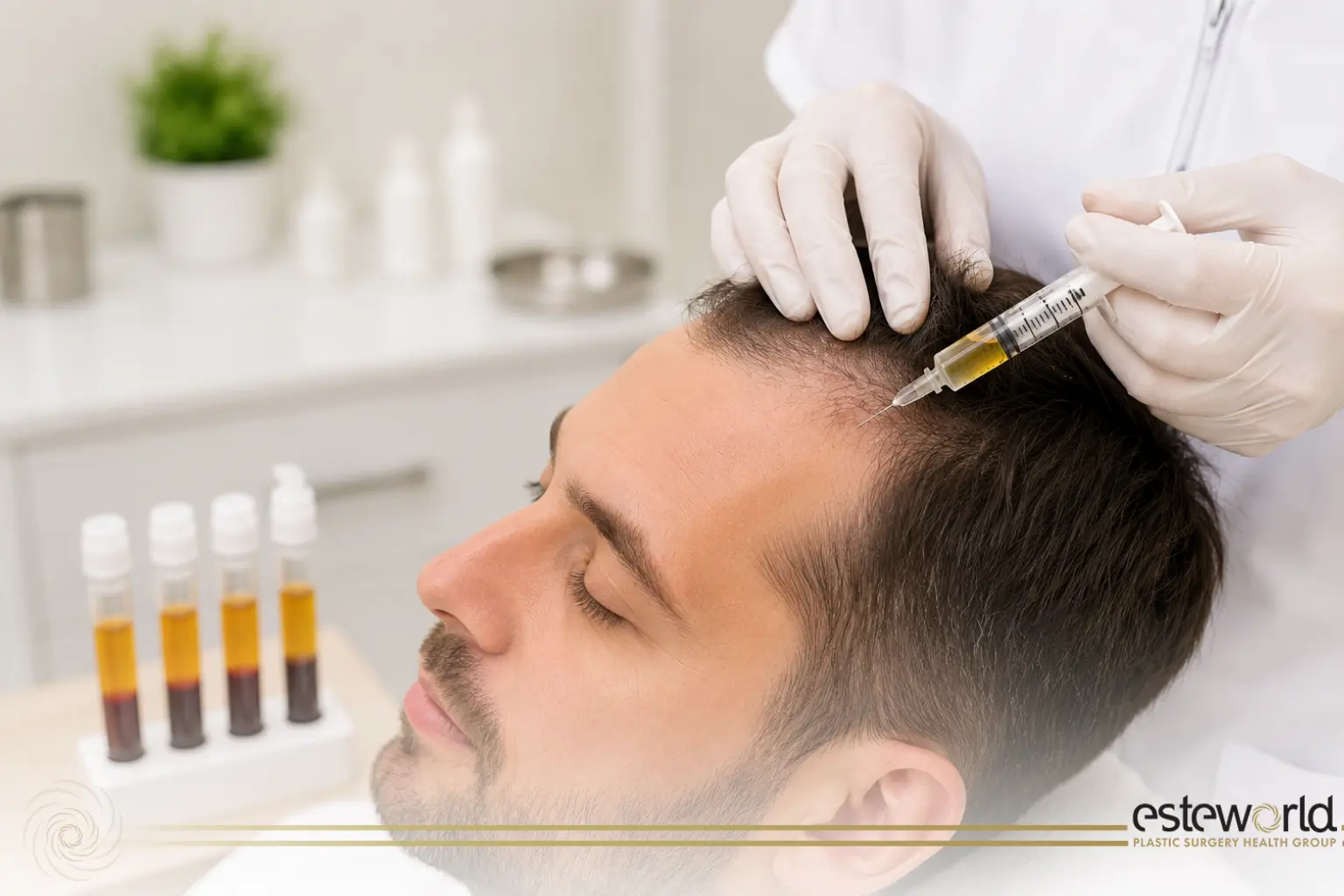
Esteworld expert hair transplant doctors create a personalized hair treatment plan according to the degree and type of hair loss. You can contact us for detailed information about hair transplantation and our treatments.