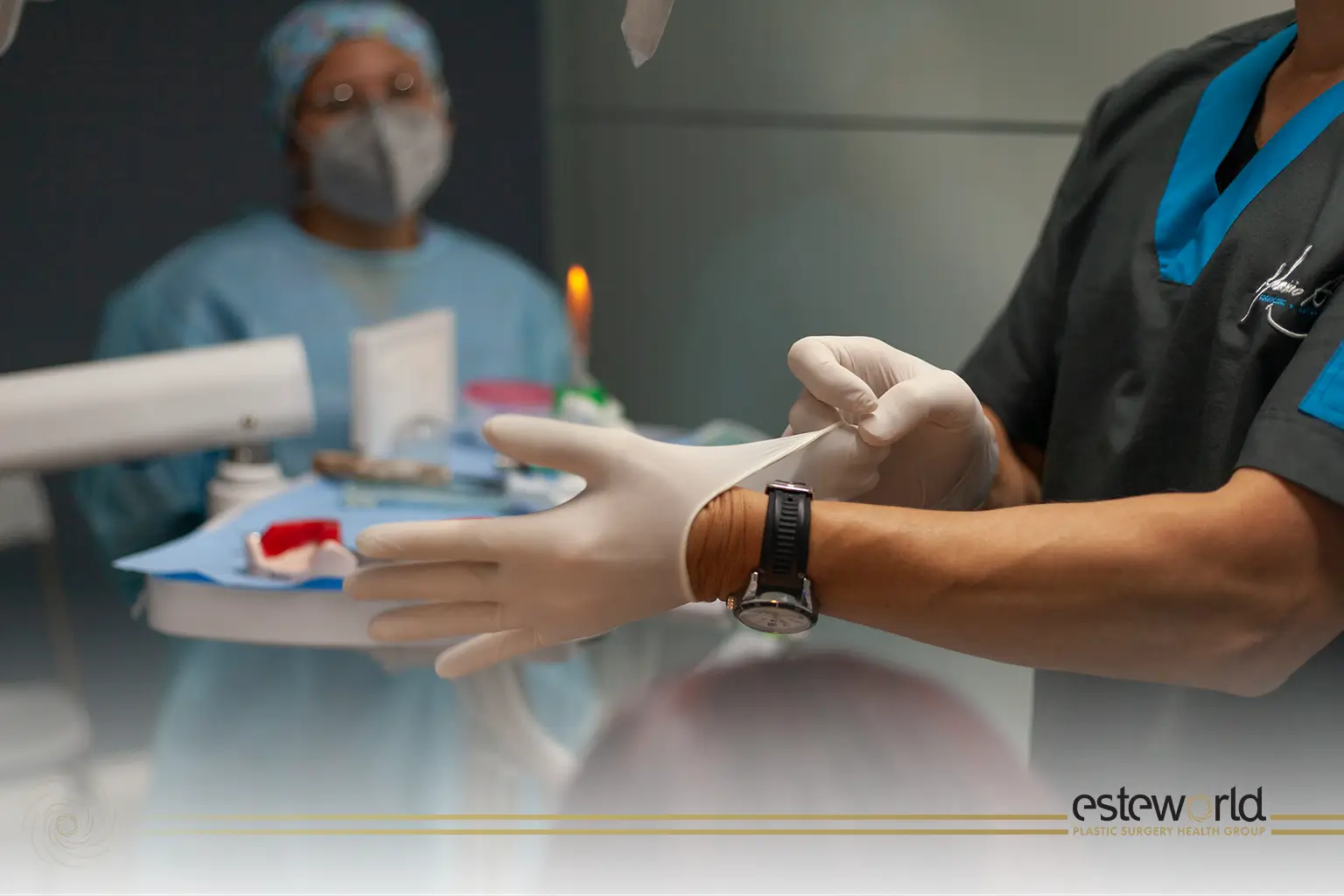

Understanding the Importance of Pre-Surgery Preparation
Preparing for aesthetic surgery is an essential step to ensure the procedure’s success and your overall well-being. In the UK, clinics and surgeons emphasize the importance of thorough preparation to minimize risks and maximize recovery outcomes. It’s not just about the surgery itself but about being physically, mentally, and emotionally ready for the process. Whether it’s a minor enhancement or a more involved procedure, following your surgeon’s guidelines is crucial. These recommendations typically include adjusting certain lifestyle habits, getting the necessary tests, and preparing mentally for the upcoming changes. The more prepared you are, the smoother the experience will be, and the better the results.
Key Steps to Take Before Your Surgery
One of the most important things to do before your aesthetic surgery is to follow any instructions given by your surgeon, such as discontinuing certain medications, especially blood thinners, that could increase bleeding risks during the procedure. It’s also important to avoid smoking or drinking alcohol in the weeks leading up to surgery, as these habits can interfere with the healing process and increase the risk of complications. Your surgeon may also recommend undergoing blood tests or other health assessments to ensure you’re in good shape for surgery. Finally, ensuring that you have a solid post-surgery care plan, such as arranging for someone to assist you during the recovery phase, will help the process go more smoothly.
Mental and Emotional Preparation for Surgery
Preparing mentally and emotionally for aesthetic surgery is just as important as preparing physically. Having realistic expectations about the outcomes of your surgery is key to being satisfied with the results. Discussing your goals with your surgeon and understanding the potential risks, recovery time, and possible complications can help reduce anxiety and set clear expectations. It’s also helpful to prepare yourself for the recovery period, as it may involve temporary discomfort and limitations in daily activities. Surrounding yourself with a support system of family or friends who understand your goals can provide the emotional encouragement you may need during the recovery phase.