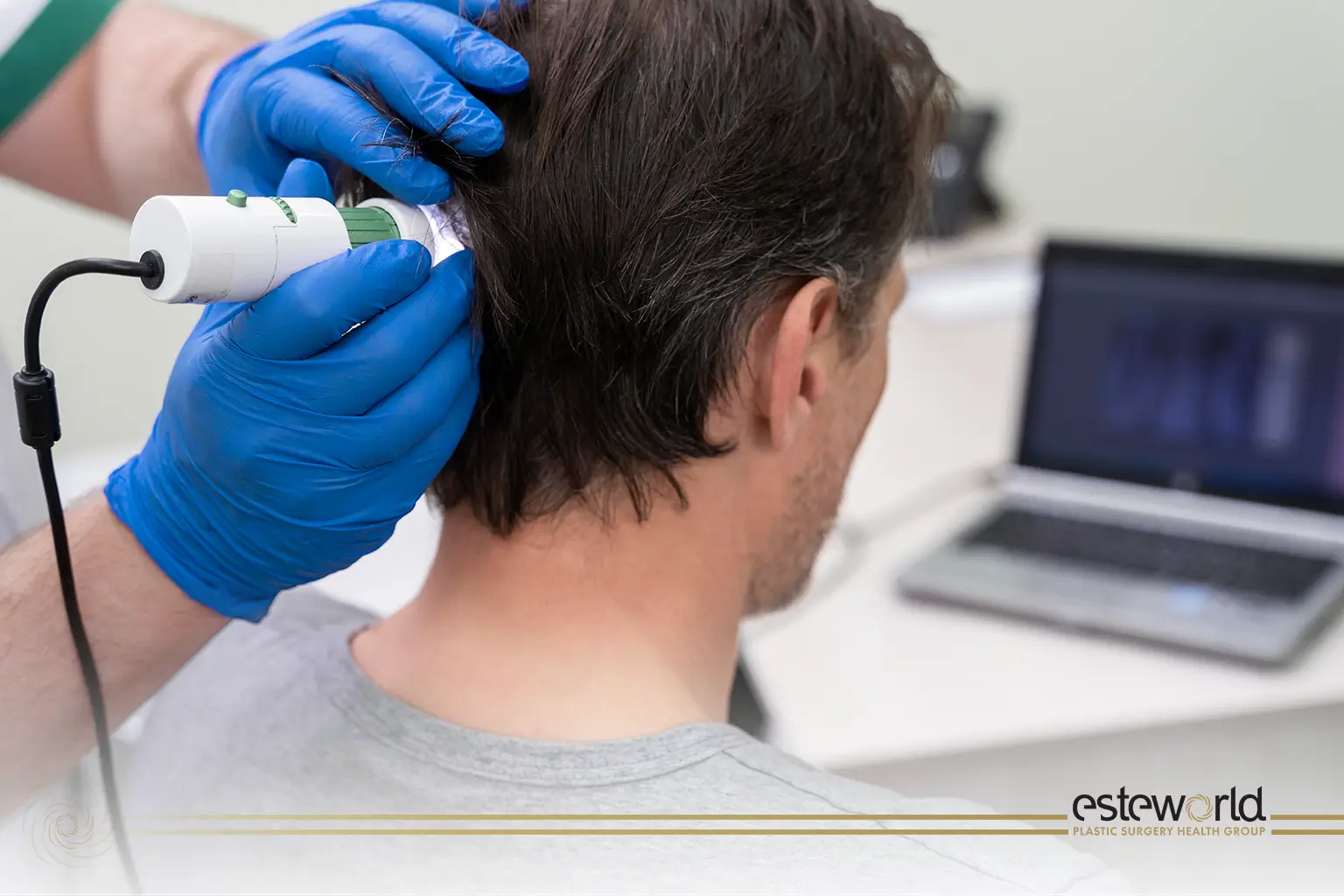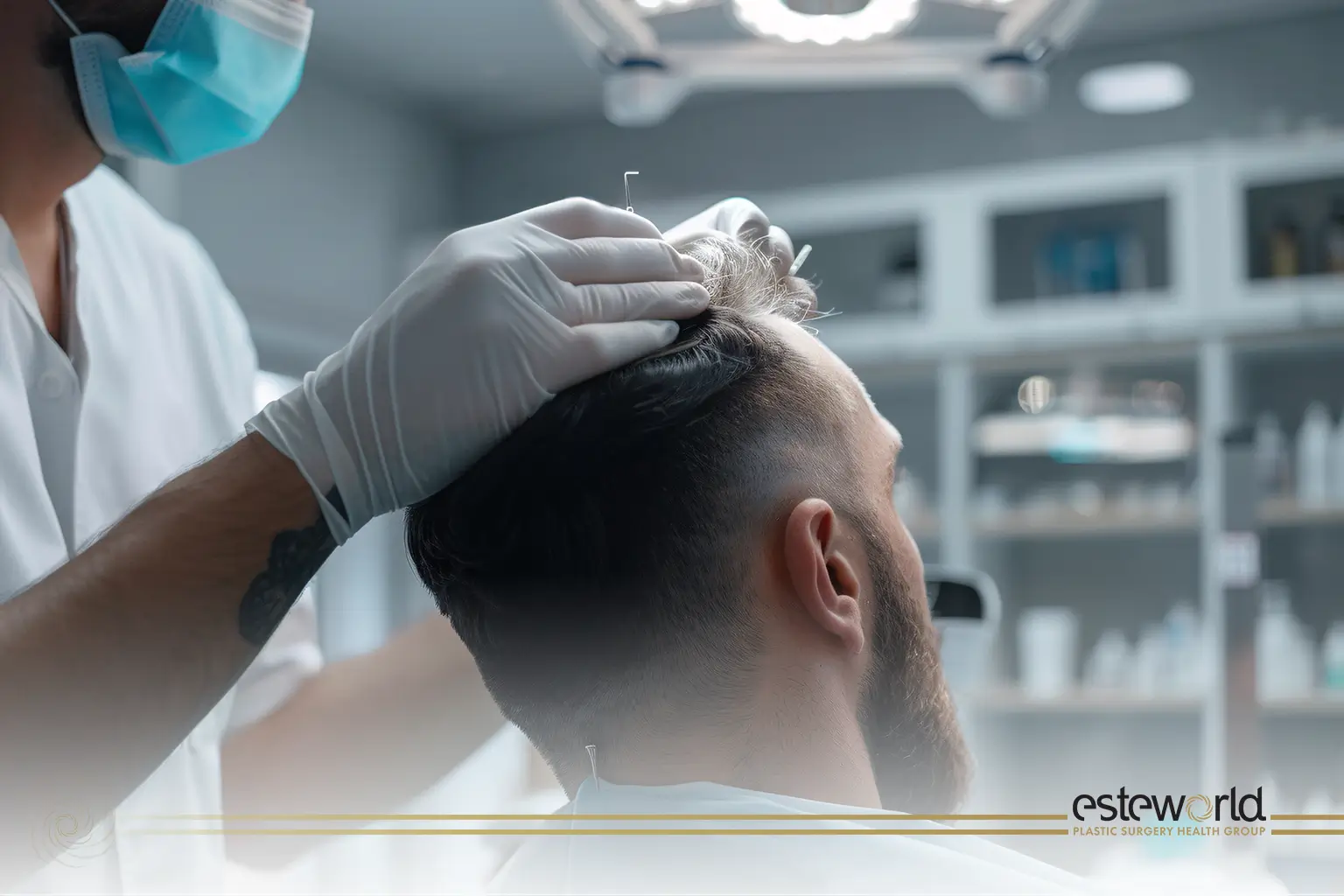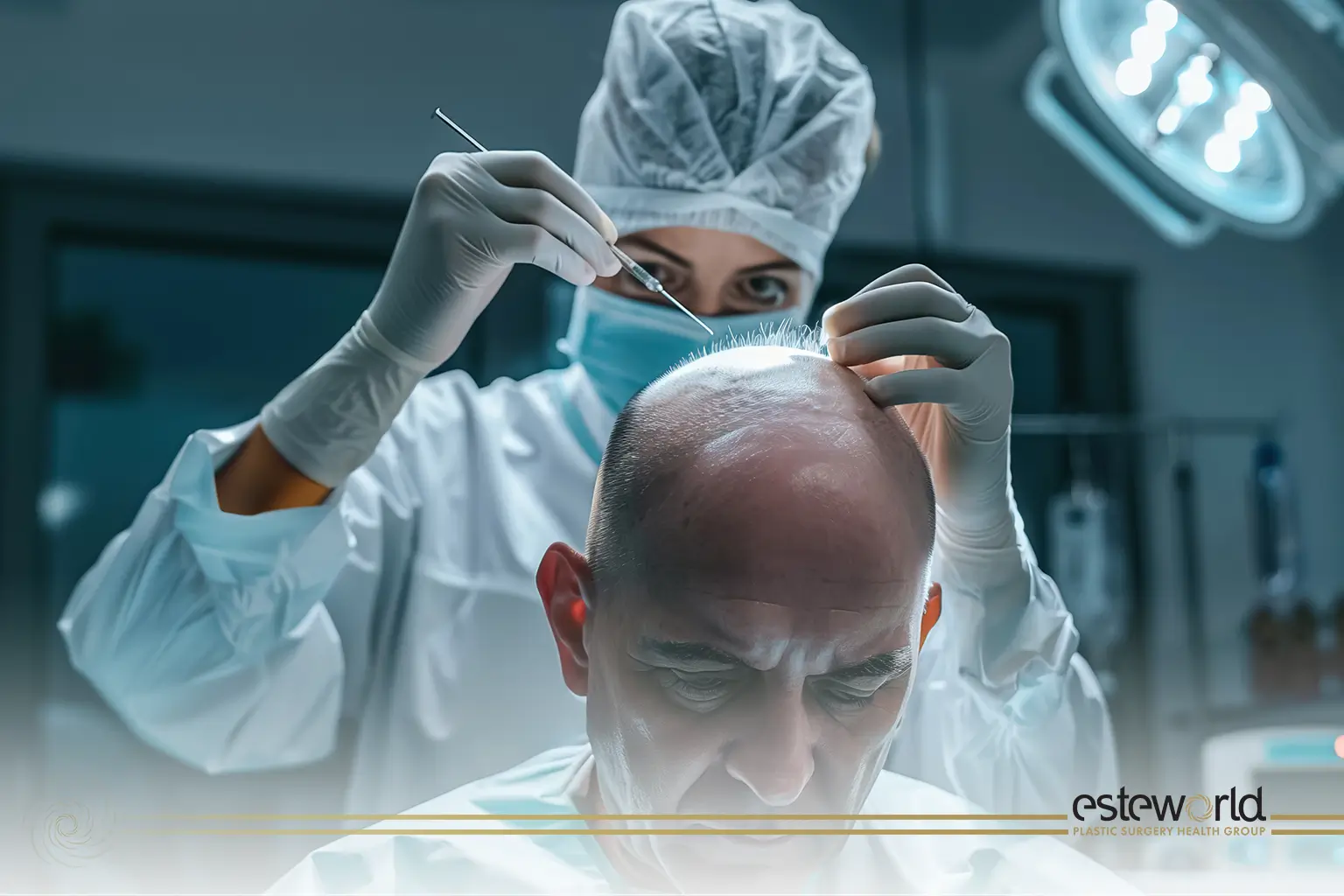
Your lifestyle choices have an impact on your hair health. If you are experiencing hair loss, it is important to first review your habits. If your diet lacks important minerals that can trigger hair loss, it can increase the problem, especially protein, zinc and iron. At the same time, a balanced intake of vitamins is also critical for hair health. It may not be possible to completely solve hair loss with food choices, but it is important to make a good start.
Dietary habits are not only effective in combating hair loss but are also important in hair transplant surgery. It is necessary to pay attention to nutrition before and after hair transplantation in order to avoid problems during the surgery, the healing process and the growth process of the transplanted hair.
How Should We Eat Before Hair Transplantation?
Although the hair transplant procedure is often emphasized for its aesthetic results rather than its surgical aspect, it is important to remember that it is actually a surgery. Like any surgery, hair transplantation requires a carefully planned preparation process. From the beginning of your surgery until the end of the healing process, you should eat according to your doctor’s recommendations and avoid habits that should be avoided. Here are some precautions that may be requested by your doctor before undergoing surgery:
Follow a Balanced Nutrition Program
A healthy diet before surgery is critical to promote healing and minimize the risk of complications. It is important to adopt a nutrient-dense diet that includes fruits, vegetables, protein and grains.
Maintain Body Fluid Balance
Water intake is important for overall body health. Drinking enough water before surgery is important to get through the surgical process comfortably and to speed up the healing process.
Avoid Alcohol Consumption
It is important not to drink alcohol for at least 24 hours before surgery. Alcohol can affect anesthesia and increase the risk of bleeding.
Avoid Blood Thinning Foods and Supplements
Certain foods and supplements can increase the risk of bleeding. It is important to be careful not to consume those with blood-thinning properties such as garlic, ginger, fish oil, vitamin E for at least 2 weeks before surgery.
Limit Caffeine Use
Heavy caffeine consumption can disrupt sleep patterns and trigger anxiety. It may be helpful to limit caffeine intake 24 hours before surgery.
How Should We Eat After Hair Transplantation?
After hair transplant surgery, a correct and balanced diet should be followed for a fast recovery process and healthy hair growth. Here are the nutrition rules that should be applied after surgery:
-
Give Importance to Adequate Protein Intake:
Keratin, the main building block of hair, is a protein composed of amino acids. Therefore, care should be taken to consume enough protein before and after hair transplantation.
-
Increase Fluid Consumption:
Adequate fluid intake is important to maintain the body’s moisture balance before surgery and during the healing process. Water should be the main source of fluid.
-
Focus on Healthy Foods:
Create a balanced diet of fruits, vegetables, grains, meats and healthy fats to provide the necessary nutrients for the healing process.
-
Limit Salt and Spices:
Salty and spicy foods can increase possible side effects of surgery, such as edema and inflammation. It is therefore important to limit excessively salty and spicy foods.
-
Consider Vitamin Supplementation:
It may be necessary to take vitamin supplements after surgery to support hair growth. If your doctor recommends appropriate vitamin supplements, you should take them regularly.