When Can You Resume Sports After a Hair Transplant?
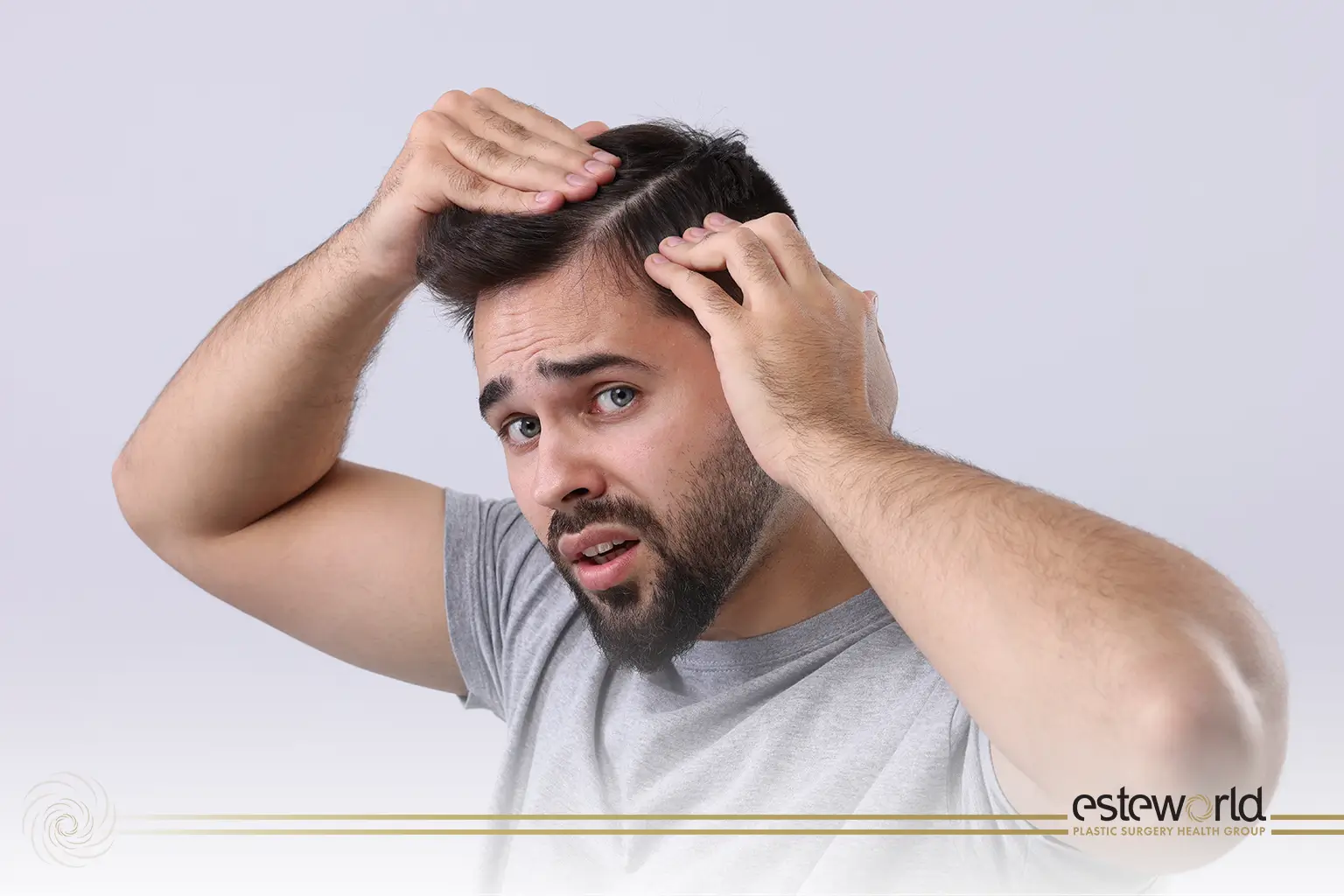
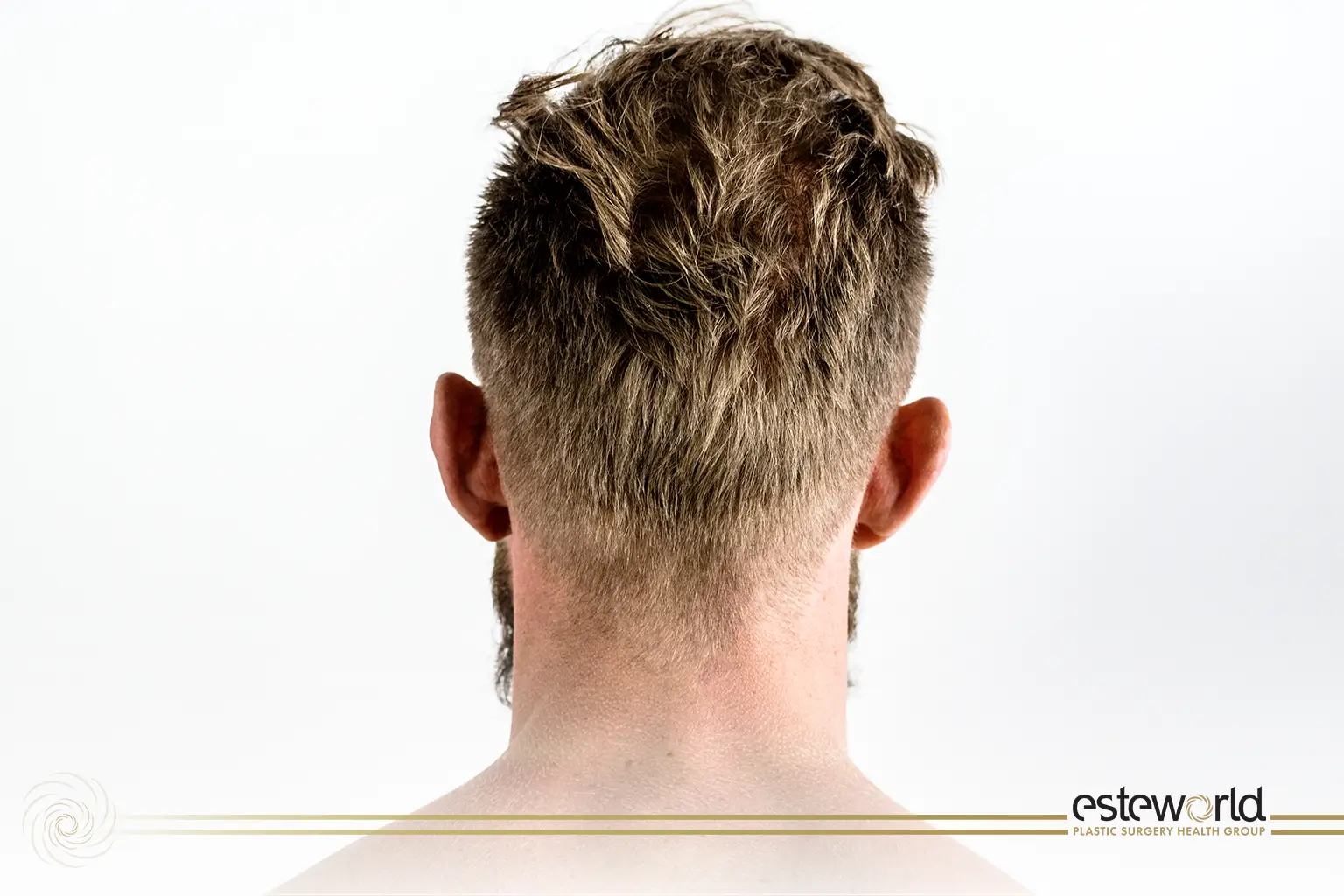
Returning to sports after a hair transplant requires a careful approach to avoid disrupting the newly transplanted hair grafts. Physical activities that involve intense movement, sweating, or risk of head contact can impact the healing process, particularly during the first few weeks post-surgery. Following your surgeon’s recommendations on when and how to resume sports is essential for protecting the grafts and ensuring optimal results. In this article, we’ll outline the general guidelines for resuming different types of sports after a hair transplant, helping you manage your recovery without compromising your fitness goals.
Light Exercise: When is it Safe to Start?
Most patients can resume light, low-impact exercises such as walking or gentle stretching within a week after their hair transplant. These activities are usually safe as they don’t involve excessive sweating or jarring movements that might disturb the grafts. During this initial recovery period, it’s important to avoid any exercises that cause strain or result in increased blood flow to the scalp, as this can cause swelling around the grafted areas. Consulting with your surgeon is always recommended before resuming any form of exercise, as every patient’s recovery timeline may differ.
Aerobic Activities: Resuming Cardio Workouts
Aerobic exercises like jogging, cycling, and swimming can generally be resumed 2-3 weeks after a hair transplant, provided the grafts have healed adequately. These activities increase blood flow and sweating, which can impact graft stability in the early stages. Swimming, in particular, should be avoided until the grafts have fully healed, as exposure to chlorine or saltwater may irritate the scalp and interfere with healing. Make sure to take gradual steps when returning to cardio, starting with low-intensity workouts and building up as your recovery progresses.
High-Impact Sports: When to Return to Intense Physical Activities
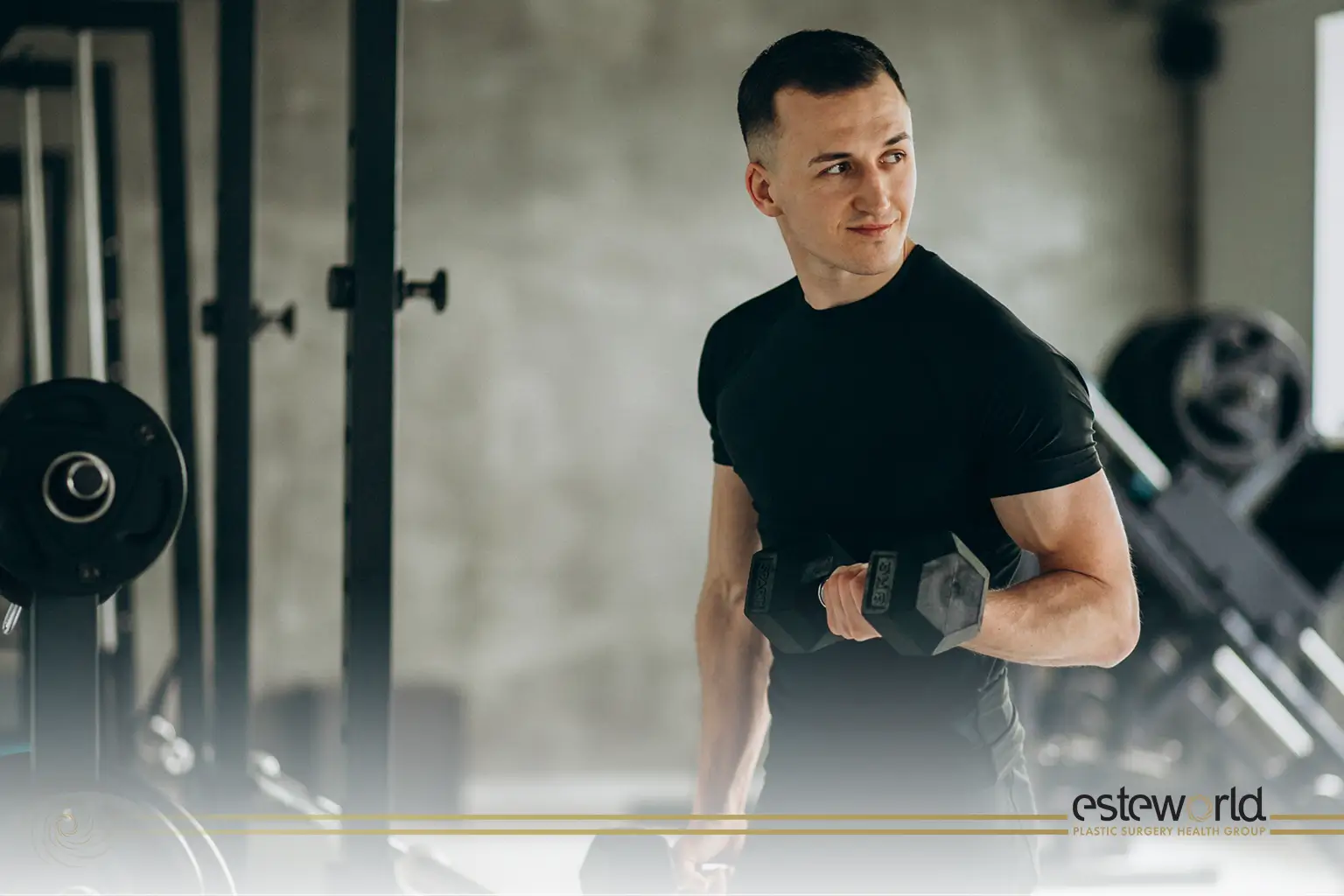
High-impact sports and intense physical activities, such as weightlifting, football, basketball, and martial arts, should be postponed for at least 4-6 weeks after a hair transplant. These sports can place significant strain on the scalp and increase the risk of accidental trauma to the transplanted area. Additionally, intense exercises cause increased sweating, which can interfere with the healing process. If you engage in contact sports or weight training, consult your surgeon about the appropriate timeframe for resuming these activities to avoid compromising the grafts.
Sun Exposure and Protective Gear During Sports
Protecting the scalp from direct sunlight is essential after a hair transplant, especially if you’re resuming outdoor sports. Sun exposure can harm the sensitive, healing skin on the scalp, causing burns or irritation that may affect the grafts. When engaging in outdoor activities, consider wearing a loose-fitting hat or cap to shield the scalp. Avoid tight headgear, which can rub against the grafts and cause discomfort. Your surgeon may recommend specific aftercare products to apply to the scalp if sun exposure is unavoidable during sports or outdoor activities.