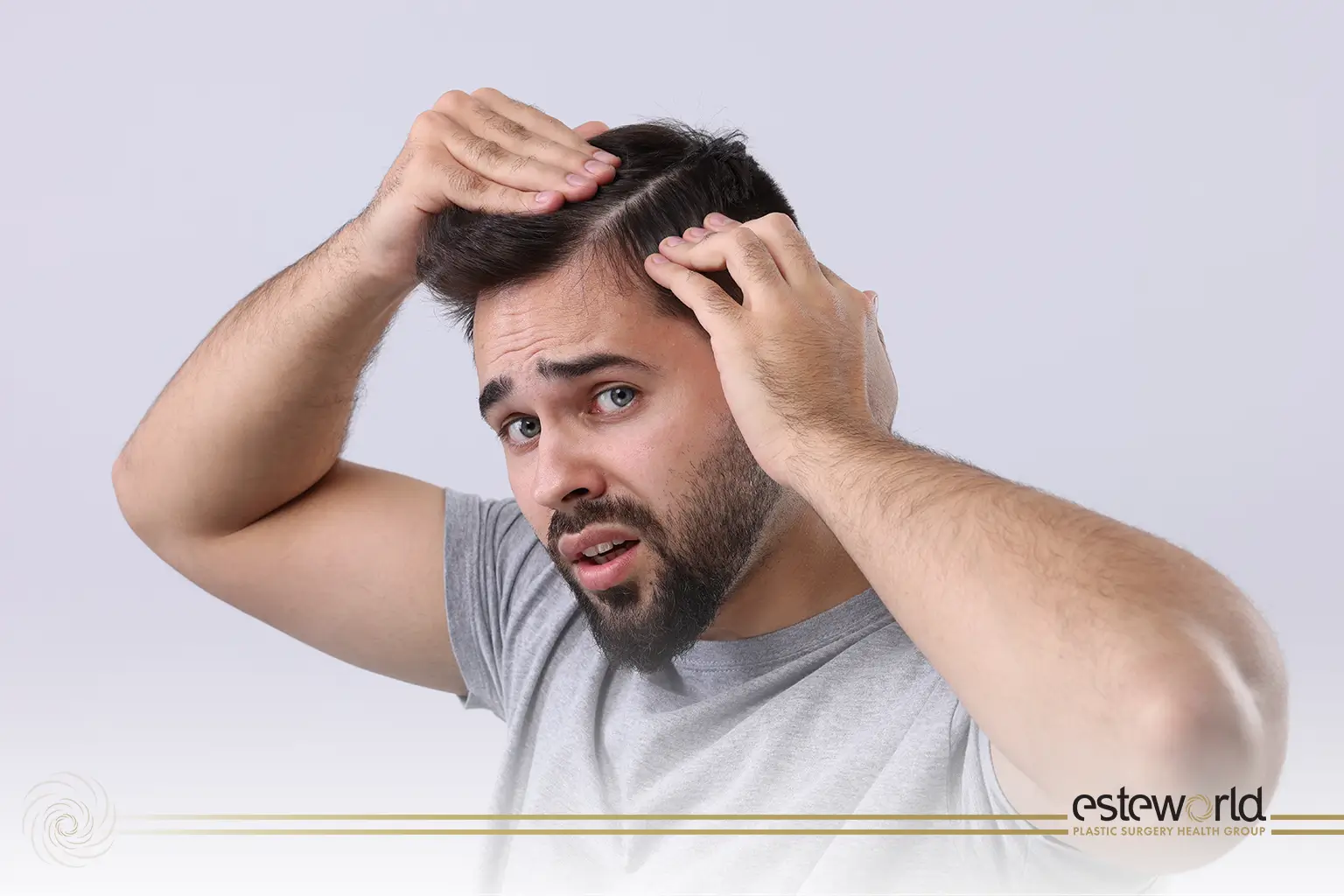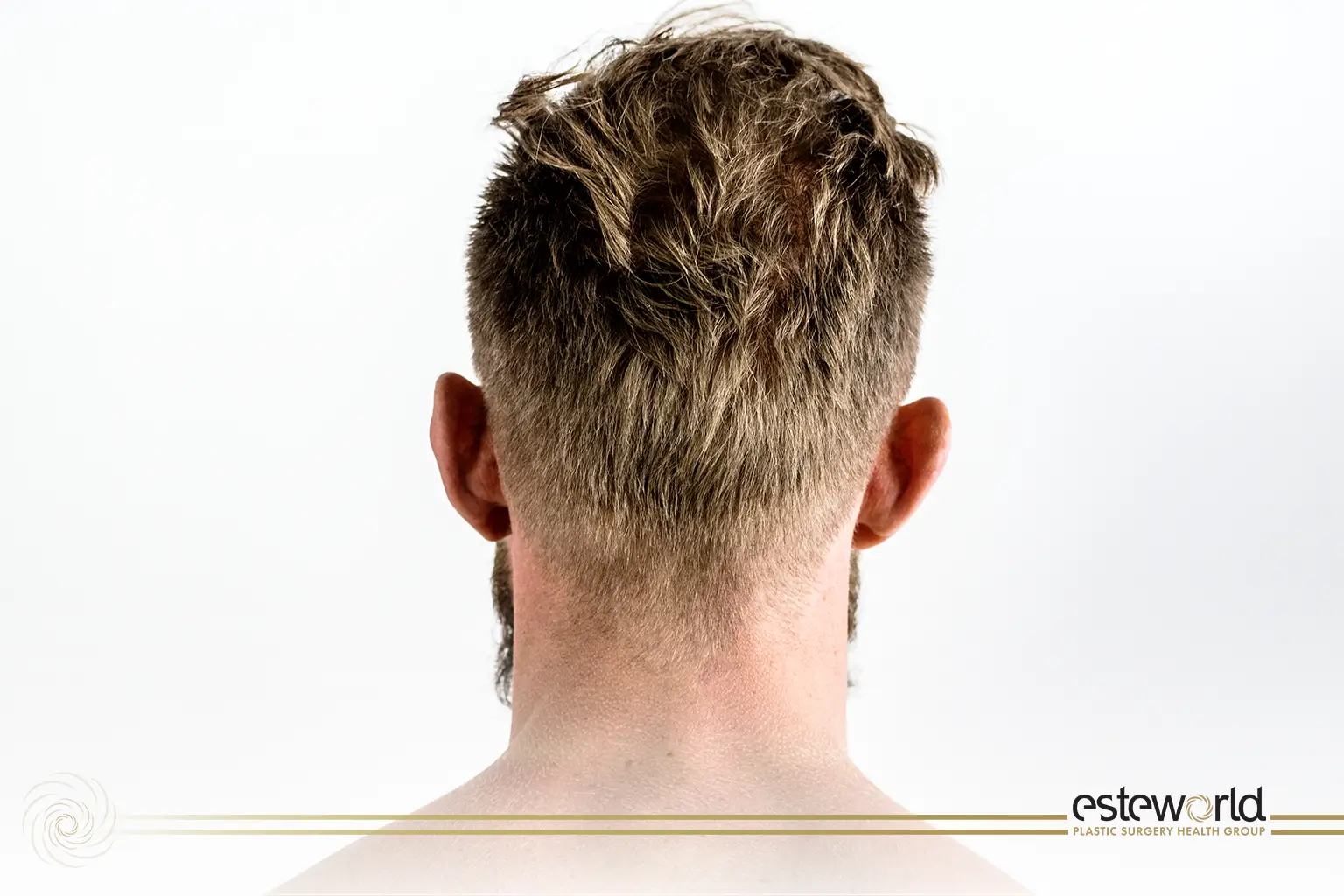
What Should Your Daily Routine Look Like After a Hair Transplant?
After a hair transplant, following a carefully structured daily routine is essential for promoting healing and ensuring the success of the procedure. The first few days and weeks post-surgery are particularly crucial, as this is when the newly transplanted hair follicles are most vulnerable. Adopting the right habits during this period will help you avoid complications and support optimal hair growth. In this article, we’ll guide you through a typical daily routine after a hair transplant, including hygiene practices, physical activity limitations, and scalp care tips.
Day 1-3: Protecting the Grafts
In the first few days following your hair transplant, the primary focus should be on protecting the transplanted grafts. Avoid touching, rubbing, or scratching your scalp, as this can dislodge the delicate grafts. You will likely be instructed to sleep with your head elevated to reduce swelling. During this time, avoid washing your hair, and refrain from using any hair products. Your surgeon may recommend using a saline spray to keep the grafts hydrated and to soothe the scalp. It’s important to follow these guidelines strictly to promote proper healing during the initial recovery phase.
Day 4-7: Gentle Washing and Scalp Care
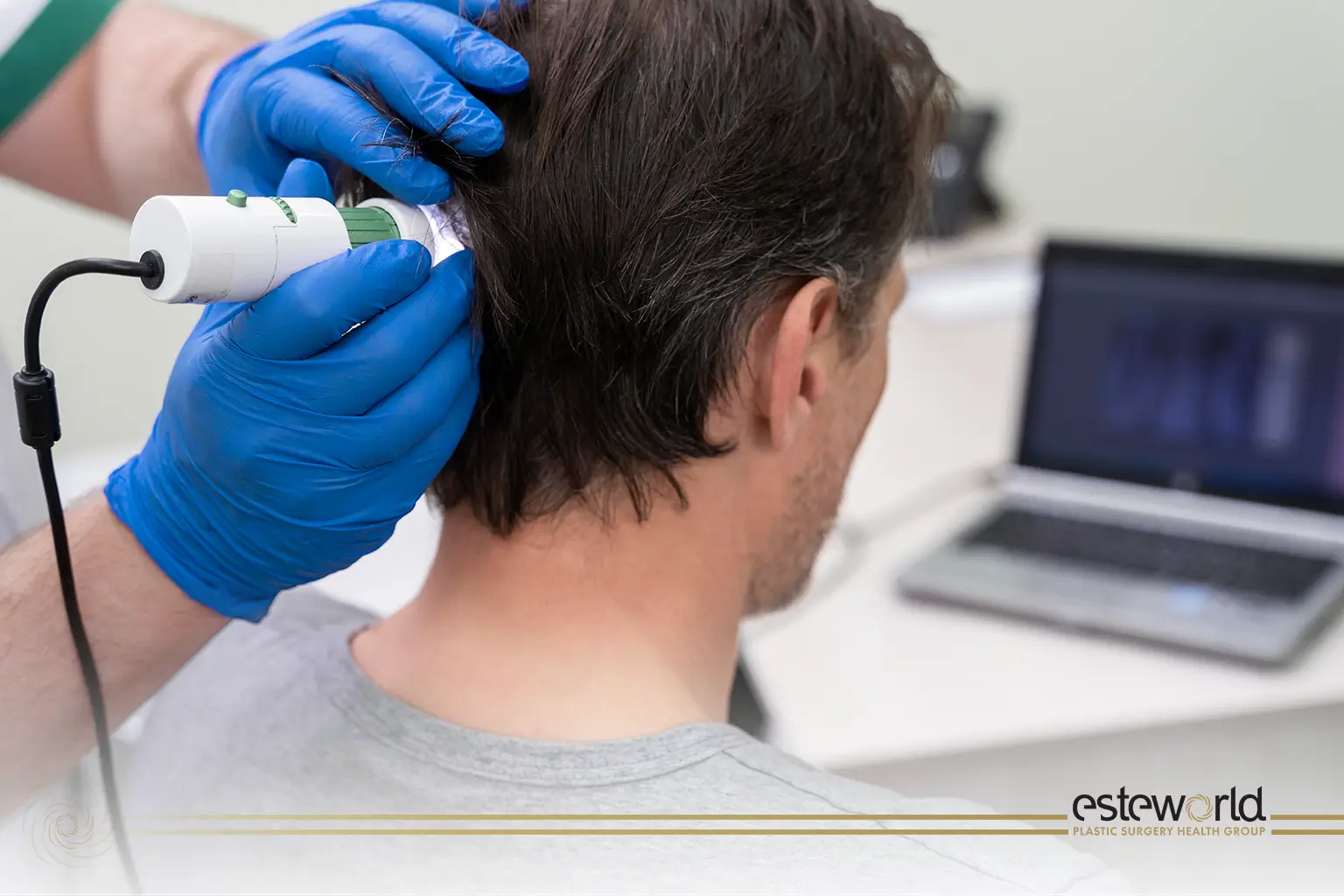
By the fourth day, you may be allowed to gently wash your hair, but it’s crucial to follow your surgeon’s instructions on how to do so. Use a mild, doctor-recommended shampoo and avoid applying direct water pressure to the scalp. Instead, pour water gently over the treated area and carefully dab your scalp with a clean towel to dry. During this period, you can resume light activities but should still avoid strenuous exercises, as excessive sweating can affect the grafts. It’s also advisable to avoid wearing tight hats or anything that could press against your scalp.
Week 2-4: Resuming Normal Activities
By the second to fourth week, your scalp should be healing well, and you can begin returning to your normal activities, although it’s still important to avoid heavy exercise or any activities that may involve direct sun exposure to the scalp. You can gradually increase the frequency of hair washing, but continue using gentle motions and mild shampoos. At this stage, any scabbing or crusting around the grafts will start to fall off naturally. Be patient and avoid picking at these areas, as doing so could interfere with the healing process and impact the success of the transplant.
Month 1-3: Maintaining Scalp Health
At this point, your daily routine should focus on maintaining scalp health and supporting hair growth. Continue using a gentle shampoo, and avoid hair products that contain harsh chemicals. Your surgeon may also recommend applying hair growth treatments like minoxidil or taking prescribed medications such as finasteride to help stimulate hair regrowth and prevent future hair loss. Light exercise can be resumed, but avoid direct sun exposure to your scalp or wearing tight headwear. Remember that hair growth happens in cycles, so be patient as new hair starts to appear over the next few months.