Hair Transplant After 3 Months is one of the most discussed stages in the entire recovery journey because this is the point when many patients begin looking in the mirror every day and asking whether their progress is normal. Hair Transplant After 3 Months can feel both exciting and frustrating at the same time. The scalp usually looks calmer than it did in the first few weeks, yet the final cosmetic result is still far away, which can create mixed emotions and unrealistic expectations.
At this stage, most people are no longer dealing with the immediate post-procedure discomfort, but they are also not yet enjoying the full density they imagined before treatment. This middle phase often brings questions about shedding, patchy regrowth, redness, texture changes, and how long it will take for visible improvement to become obvious. Understanding what usually happens after three months helps patients stay patient, protect their grafts, and recognize the difference between normal progress and signs that deserve professional attention.
What Happens 3 Months After a Hair Transplant?
Three months post-transplant is often considered the turning point in the recovery timeline. By this time, the scalp has fully healed from the surgical procedure. Any redness, swelling, or scabbing from the earlier weeks is typically resolved, and patients are no longer dealing with visible signs of surgery.
At this stage, the newly implanted follicles begin their natural growth cycle. Many patients will notice early signs of hair emerging from the transplanted areas, although these hairs are usually thin, fine, and may fall out temporarily before regrowing thicker. This phenomenon is normal and known as the “telogen to anagen transition,” where follicles move from the resting phase into active growth.
The Hair Growth Cycle at 3 Months
Understanding the hair growth cycle is essential for interpreting progress after a hair transplant at 3 months. Each hair follicle operates independently and goes through three main phases:
- Anagen (growth phase): This is when new hair actively grows. Most hairs will re-enter this stage after the third month.
- Catagen (transitional phase): A brief phase that prepares the follicle to rest.
- Telogen (resting phase): Previously transplanted follicles shed their hairs before beginning new growth.
At 3 months, most follicles are transitioning into the anagen phase, so patients begin to see initial hair sprouting. However, growth is not yet uniform, and it’s common for some areas to appear fuller while others still look sparse.
Is It Normal to Still Look Bald at 3 Months?
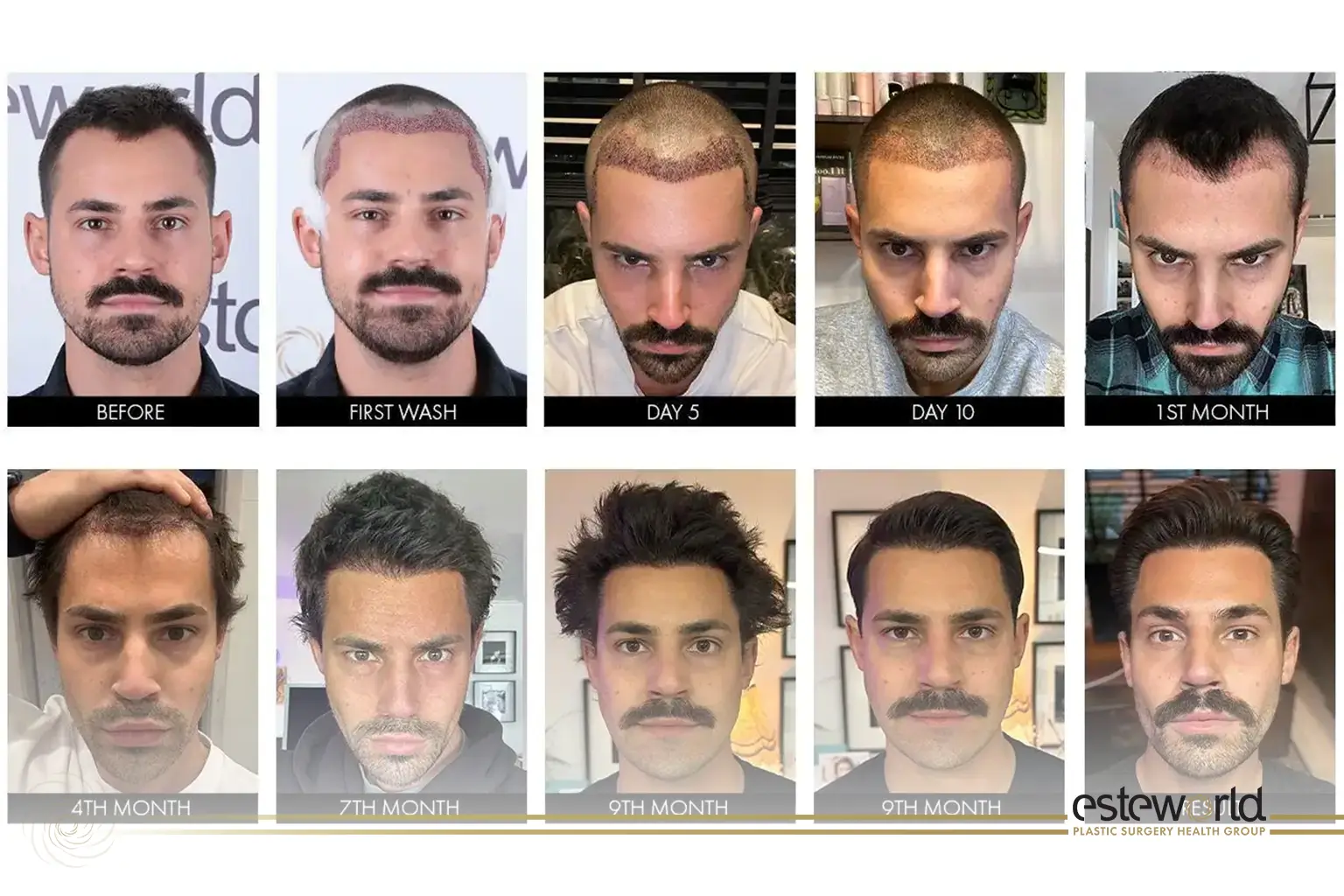
Yes. It’s perfectly normal for the scalp to appear thin or patchy at the 3-month mark. This can be discouraging for some patients, especially those expecting more immediate results. The reality is that hair transplantation is a long-term process, and the real transformation begins after the third month, continuing steadily over the next 9 to 12 months.
The key is patience and understanding that every patient responds differently. Some individuals experience faster growth due to genetics, health, and the quality of the procedure, while others see more gradual changes.
Common Experiences at 3 Months Post-Transplant
Hair Transplant After 3 Months can bring a wide variety of visual and physical changes. Some of them feel reassuring, while others can cause concern if a patient is not prepared for them. Even when the transplant is progressing normally, it may not look polished yet. The scalp is still transitioning from recovery to active regrowth.
You may notice:
- Fine baby hairs starting to appear in the transplanted area
- Uneven growth with some spots filling in earlier than others
- Mild pinkness or sensitivity, especially in fair or reactive skin
- Temporary pimples or ingrown hairs as new strands break through
- A dry or slightly flaky scalp during the healing transition
- Native hair looking thinner because of temporary shock loss
- Early hairs appearing curly, wiry, or lighter in color than expected
These changes are usually part of the normal adjustment period. The appearance of baby hairs is a positive sign, but it is equally normal not to see dramatic coverage yet. Temporary redness can persist longer in some skin types, especially after larger sessions. Small pimples may happen when new hairs push through the surface, and they are not always a sign of infection. Texture changes are also common because the new hairs are still immature. Over time, they typically become softer and more consistent with the surrounding hair.
How To Care For Your Hair And Scalp
By the third month, many patients assume they can completely return to their old habits, but this stage still requires sensible care. The grafts are secure, yet the follicles are in a vulnerable growth phase where the overall health of the scalp matters. Good aftercare is no longer about protecting fresh incisions; it is about creating the best environment for strong, healthy regrowth. Gentle treatment, a balanced routine, and realistic expectations are all part of long-term success.
At this point, washing is usually much easier than it was in the first weeks, but overly aggressive scrubbing is still unnecessary. A mild shampoo and gentle fingertip massage are often better than harsh products or vigorous rubbing. Patients should also be mindful of heat styling, strong chemicals, and tight hairstyles that put strain on the scalp. If the doctor has recommended medical therapy such as minoxidil, finasteride, or supportive supplements, consistency matters. These treatments may help preserve native hair and support the overall visual result, particularly in patients with ongoing hair loss outside the transplanted zone.
Lifestyle also plays a bigger role than many people realize. Smoking can reduce circulation, chronic stress can affect the hair cycle, and poor sleep may slow the body’s recovery processes. A nutrient-rich diet that supports keratin production and general healing can be helpful. Hydration, scalp hygiene, and sun protection remain relevant as well. Even though the major recovery period is over, the follicles are still developing under the surface.
A practical routine at this stage often includes:
- Washing the scalp regularly with gentle products
- Avoiding harsh dyes, bleaching, or chemical treatments too early
- Protecting the scalp from strong direct sun exposure
- Following prescribed medications exactly as advised
- Maintaining a healthy diet rich in protein, iron, and vitamins
- Limiting smoking and excessive alcohol consumption
- Avoiding panic if growth seems uneven from one side to another
The goal is not perfection but consistency. Patients who take care of their scalp and overall health often put themselves in a better position for stronger hair quality in the coming months.
When To Be Patient And When To Contact Esteworld Clinic
At the three-month stage, many changes in the transplanted area are still considered part of the normal healing and growth process. It is common for patients to notice uneven regrowth, temporary thinning, mild redness, or slow visible progress during this period. In most cases, these signs do not indicate a problem. Hair follicles continue developing beneath the surface, and noticeable improvement often becomes clearer in the following months. For this reason, patience is essential, especially when the scalp is healing well and there are no unusual symptoms affecting comfort or appearance.
At Esteworld, we always remind our patients that hair transplant recovery is a gradual journey rather than an instant transformation. However, professional follow-up is equally important if there are unexpected changes such as increasing pain, unusual sensitivity, discharge, persistent swelling, or inflamed areas on the scalp. If a patient feels uncertain about the progress, contacting the clinic can provide reassurance and expert evaluation. Our specialists carefully assess whether the recovery is progressing as expected and guide patients through every phase of post-transplant growth with personalized support.