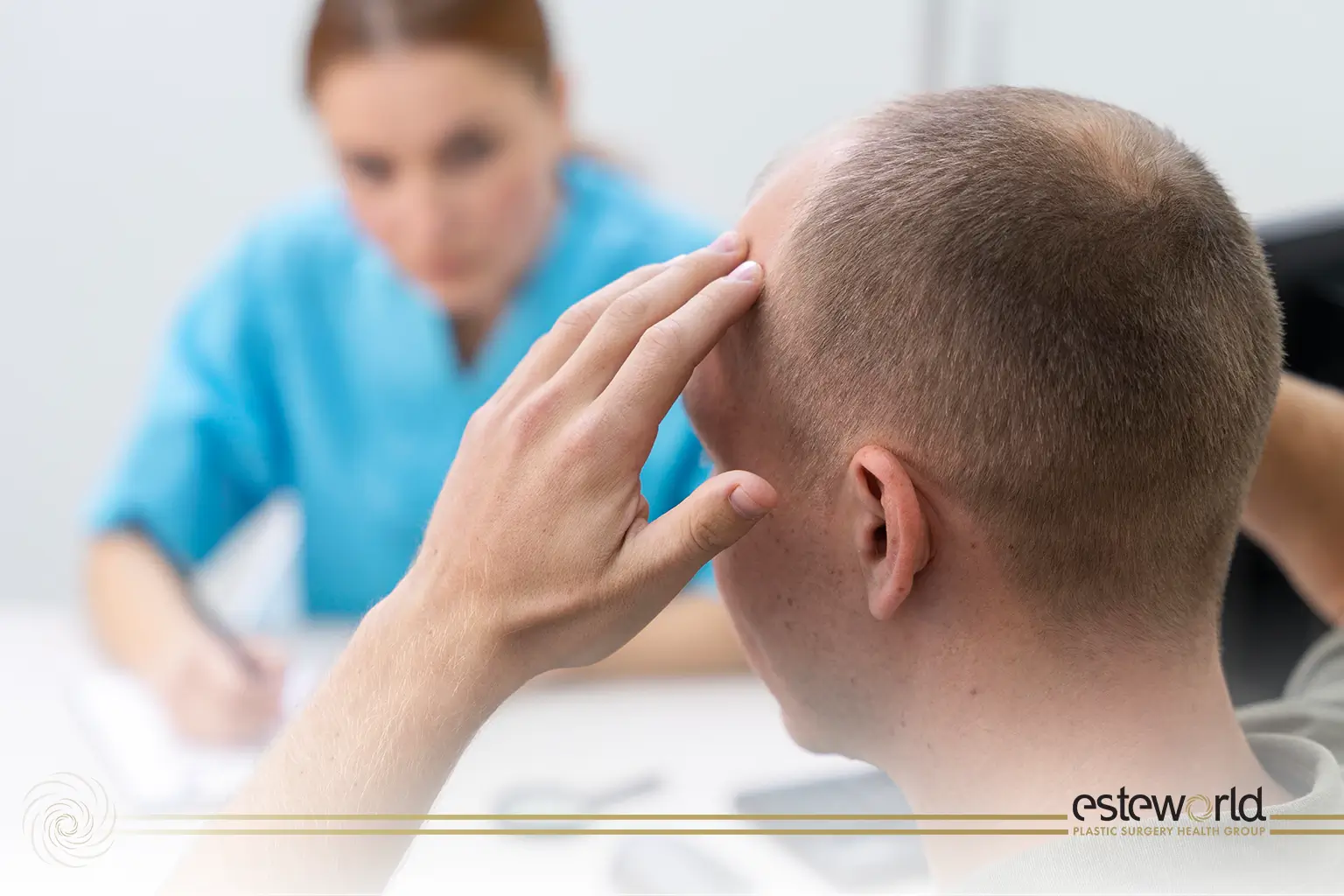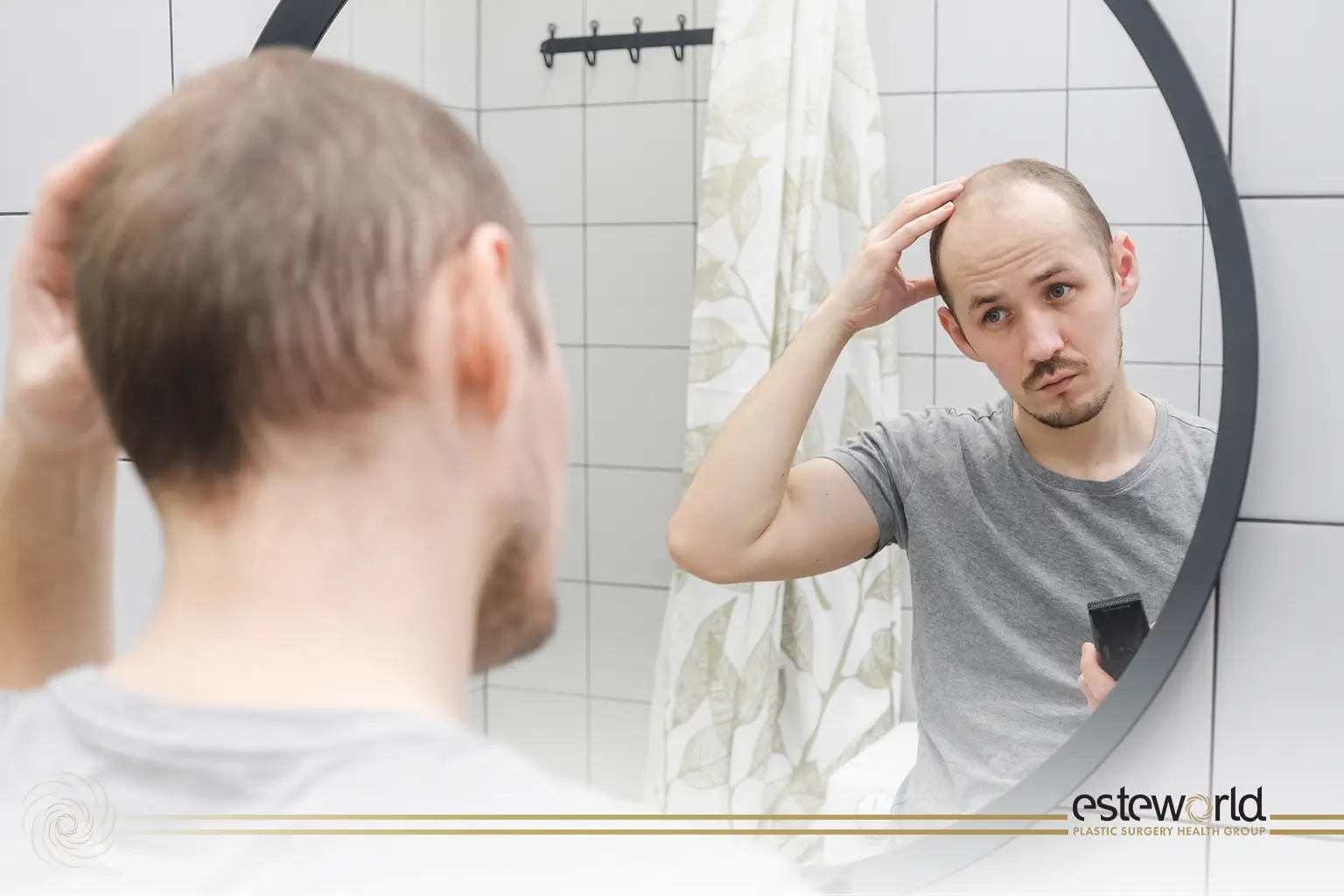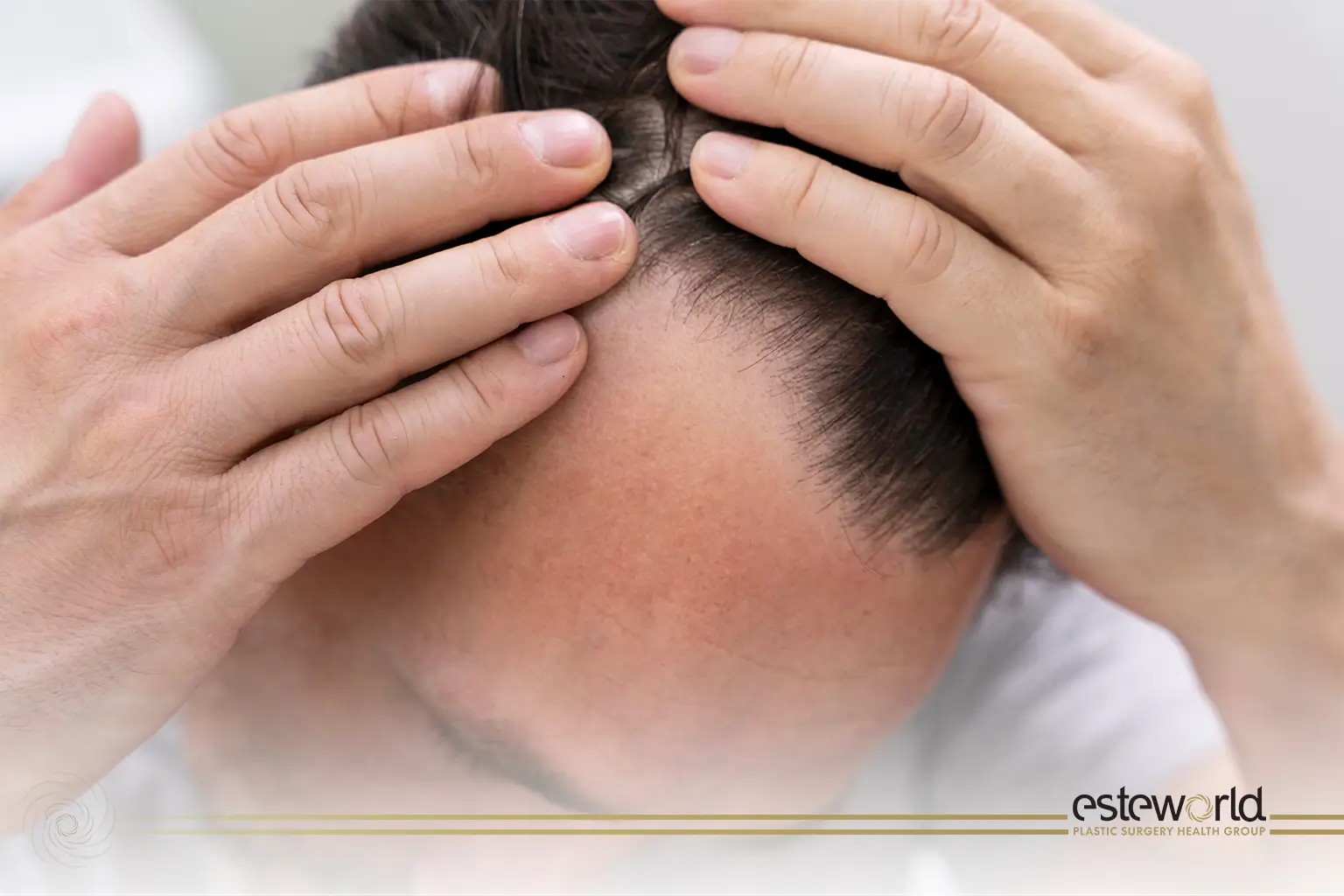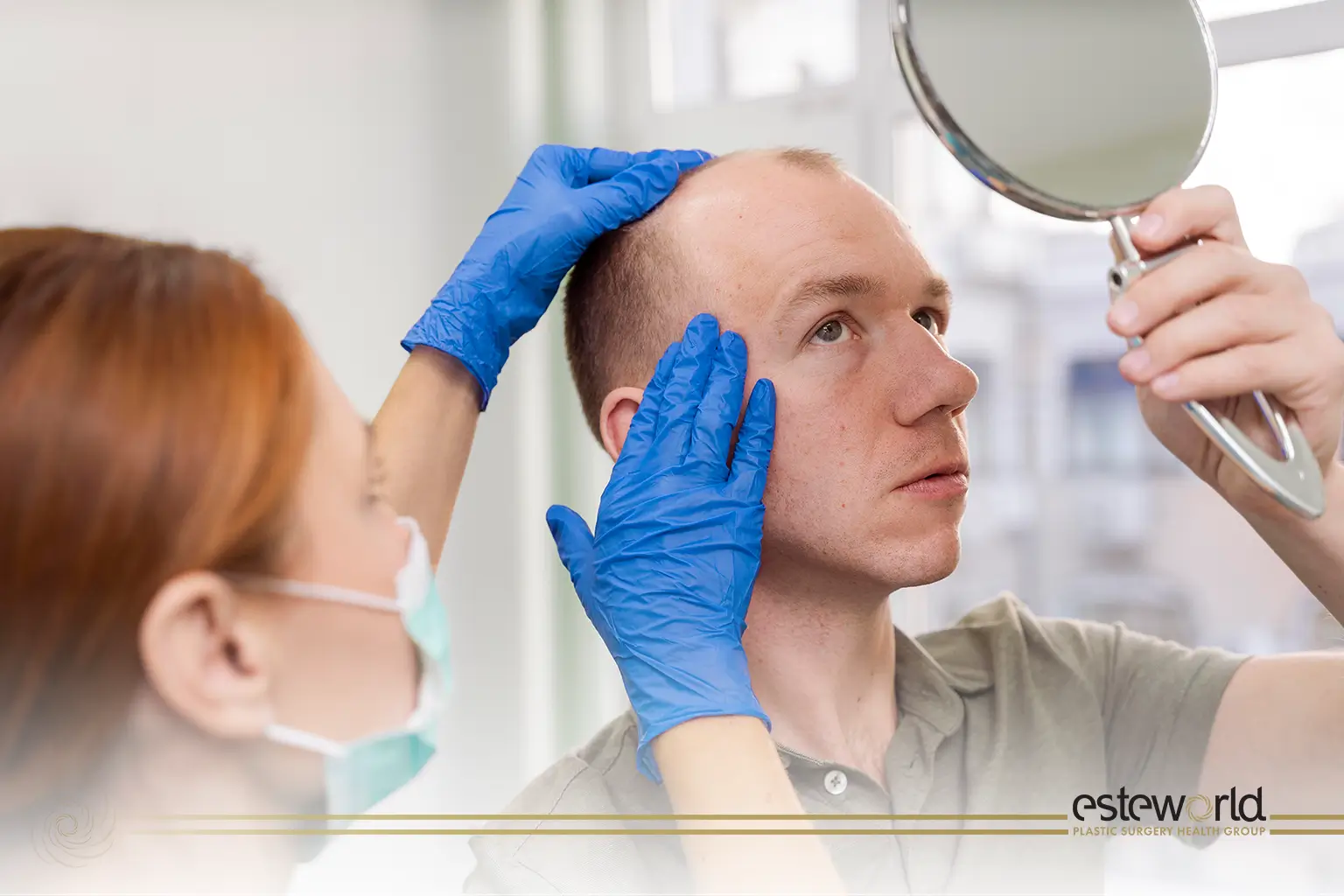
Hair loss is a common problem faced by many people and can occur in various ways due to different causes. Alopecia is the general name for hair loss and there are several types. Each type of alopecia is characterized by unique symptoms and causes and requires different treatment approaches. In this article, we will examine the 6 most common types of alopecia and their treatment methods. Our aim is to help individuals experiencing hair loss to understand the causes of the condition and the treatment options available.
What is Alopecia?
The medical term Alopecia Areata, commonly known as ringworm, is derived from the word “alopecia”, which means hair loss. Ringworm causes hair loss in round or oval patches on the scalp, eyebrows, eyelashes, beard, mustache or body hair. This condition can occur in people of any age and gender. The cosmetic problems caused by ringworm can seriously affect a person’s quality of life and the changes in appearance can have a negative impact on mental health. Ringworm, which usually starts as a single plaque on the scalp, can spread over time.
What are the Types of Alopecia?
The 6 most common types of alopecia:
1. Androgenetic Alopecia
Androgenetic alopecia, also known as male or female pattern baldness, can affect up to 50% of both men and women. The condition usually occurs any time after puberty and is characterized by the gradual and progressive loss of terminal hairs (thicker, longer hair) on the scalp. In men, the most pronounced hair loss occurs in the vertex (crown) and frontotemporal (forehead and temple) areas. In contrast, women usually retain their frontal hairline, but experience widespread hair loss in the upper part of the scalp (apical), resulting in thinning of a larger area of hair towards the front. The earliest sign of androgenetic alopecia in women is the widening of the hair parting line in a Christmas tree-like pattern.
Treatment: Medications such as minoxidil, finasteride; hair transplantation; Acell PRP (Platelet Rich Plasma) treatment, Hair laser treatment
2. Alopecia Areata
Alopecia Areata is a chronic condition caused by the immune system attacking the hair follicles, nails and sometimes the retinal pigment epithelium. This disease causes scarless hair loss, meaning that the hair follicles are not permanently damaged. Alopecia Areata presents as smooth, scarless areas of hair loss on the scalp or other hairy areas. In some people, hair grows back spontaneously within a year, but the condition is usually characterized by recurrent periods of hair loss. In recent years, various new methods have been developed to treat this condition. Therefore, consulting a dermatologist early in the treatment process can significantly increase the likelihood of stopping hair loss and promoting normal hair growth.
Treatment: Stem cell hair therapy, exosome hair therapy, hair transplantation, corticosteroids, Immunotherapy
3. Telogen Effluvium
Telogen Effluvium is a common form of hair loss and usually occurs when a higher than normal number of hair follicles enter the resting (telogen) phase. In this condition, hair loss can often be widespread and sudden. Telogen Effluvium usually develops due to factors such as physical or emotional stress, illness, hormonal changes or side effects of certain medications. Hair loss usually occurs evenly throughout the hair and is not limited to certain areas. The condition is usually temporary and the hair follicles are not permanently damaged.
Treatment: Stress management, healthy diet, hormonal balance, minoxidil, hair treatments, hair transplantation
4. Traction Alopecia
Traction alopecia is a type of hair loss caused by constant pulling or stretching of the hair. This condition occurs when excessive mechanical stress is applied to the hair follicles and can cause the hair to weaken and fall out. Traction alopecia is often caused by tight hairstyles or hair styling methods. Practices such as particularly tight ponytails, braids, hairpins or hair extensions put too much tension on the hair follicles and can lead to hair loss over time.
Treatment: Exosome hair treatment, hair care, hair transplantation
5. Cicatricial (Scarring) Alopecia
Cicatricial alopecia is a type of hair loss in which the hair follicles are permanently damaged and scar tissue forms. This condition usually occurs as a result of inflammation or infection of the scalp. When the hair follicles are destroyed by inflammation or infection, scar tissue forms, which inhibits hair growth. Cicatricial alopecia is usually permanent and hair does not grow back in the affected areas. Treatment usually involves controlling the infection, reducing inflammation and improving scalp health. This condition can be difficult to treat and in some cases surgical interventions such as hair transplantation may be required.
Treatment: Hair laser and hair transplantation
6. Anagen Effluvium
Anagen effluvium is a type of hair loss caused by damage to the hair during its growth phase (anagen phase). This condition often develops as a side effect of aggressive medical treatments, and is particularly common in cancer treatments such as chemotherapy. Anagen effluvium is characterized by sudden and intense hair loss due to rapid damage to the hair follicles. The hair follicles exit the growth phase and enter the resting or shedding phase. This condition can often lead to complete hair loss and can have a marked effect on the scalp. In anagen effluvium, hair growth is usually possible after treatment because the hair follicles are not damaged and are prone to regrowth.
Treatment: Acell PRP , Hair transplantation, hair laser
If you want to get more information about hair transplantation and treatments for alopecia treatment, you can contact Esteworld’s expert hair physicians. With the right treatment and expert opinion, you can achieve natural, healthy and permanent results.