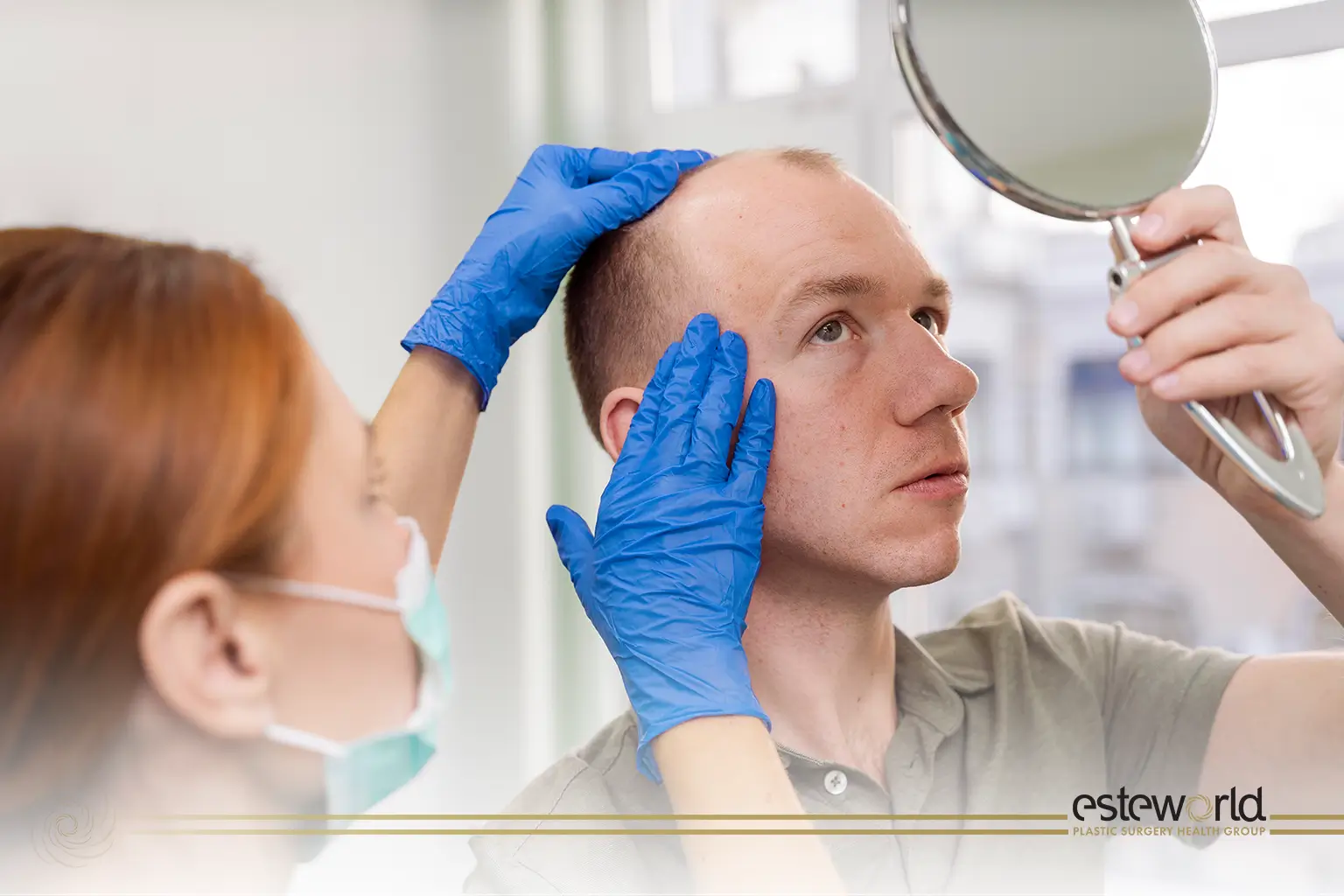
Hair loss is a condition in which genetic factors play an important role. Genetic predisposition affects an individual’s propensity for hair loss and determines susceptibility to male pattern baldness or other types of hair loss. One of the main factors affecting the success of hair transplantation is genetic characteristics. Therefore, it is important to understand genetic factors to deal with the hair loss problem and plan an effective hair transplant. In this content, we will take a closer look at the role of genetics in hair loss and its effects on hair transplantation success.
What is Genetic Hair Loss?
Genetic hair loss, also known as androgenetic alopecia, is a hereditary condition characterized by a gradual and predictable pattern of hair loss. It is the most common cause of hair loss in both men and women. The term “androgenetic” implies that genetic and hormonal factors contribute to the development of this condition.
In individuals genetically predisposed to androgenetic alopecia, hair follicles are sensitive to dihydrotestosterone (DHT), a hormone derived from testosterone. Over time, exposure to DHT causes hair follicles to shrink, leading to shorter and finer hair growth cycles. Eventually, the affected follicles stop producing new hair altogether, resulting in visible thinning and, in some cases, balding.
Genetic hair loss typically follows a specific pattern. In men, it often begins with a receding hairline and thinning at the crown, forming an “M” shape. Women with androgenetic alopecia typically experience diffuse thinning across the crown of the scalp, rather than specific patterns.
While genetic hair loss cannot be completely prevented, various treatments, including medications like minoxidil and finasteride, as well as surgical options like hair transplantation, can help manage the condition and promote hair regrowth.
How Do You Know If Hair Loss Is Genetic?
Nutrient deficiencies, medical conditions, or hormonal changes can cause hair thinning. However, there are specific symptoms that will help you identify genetic hair loss.
The main symptoms of genetic hair loss are:
- Family history of hair thinning or baldness.
- Gradual onset usually begins in the late teens to early twenties in men and later in women.
- Receding hairline and bald spots in men.
- A pattern that causes thinning of hair along the top of the scalp in women.
- Hair miniaturization, where hair strands become thinner over time.
- Absence of obvious triggers such as childbirth, iron deficiency or medication side effects.
- Separation of negative tensile test and positive test signal where hairs resist regrowth.
- Increased shedding of fine, short hairs indicating a high telogen ratio.
- Hair becomes resistant to hair products and they do not work as effectively as before.
- These symptoms are not sufficient for a definitive diagnosis, so a professional evaluation and diagnosis is required. Targeted treatments may help slow hair loss.
Does Genetic Hair Loss Affect Hair Transplantation Results?
Genetic hair loss, also known as androgenetic alopecia, can influence hair transplantation results to some extent. When individuals undergo a hair transplant, the transplanted hair follicles are typically taken from areas that are resistant to the effects of genetic hair loss, known as the “donor area.” These areas are usually on the back or sides of the scalp.
The success of a hair transplant depends on the viability of the transplanted hair follicles and their ability to thrive in the new location. If the donor follicles are taken from areas that are genetically resistant to hair loss, the transplanted hair is less likely to be affected by genetic factors and is expected to maintain its growth.
However, it’s important to note that while a hair transplant can provide a more permanent solution for those with genetic hair loss, it doesn’t alter the genetic factors causing hair loss in the first place. Therefore, individuals may continue to experience hair loss in non-transplanted areas over time.
The overall success of a hair transplant in the context of genetic hair loss depends on various factors, including the individual’s specific situation, the expertise of the surgeon, and the chosen transplantation technique. Consulting with a qualified hair restoration specialist can provide personalized insights and expectations based on individual circumstances.