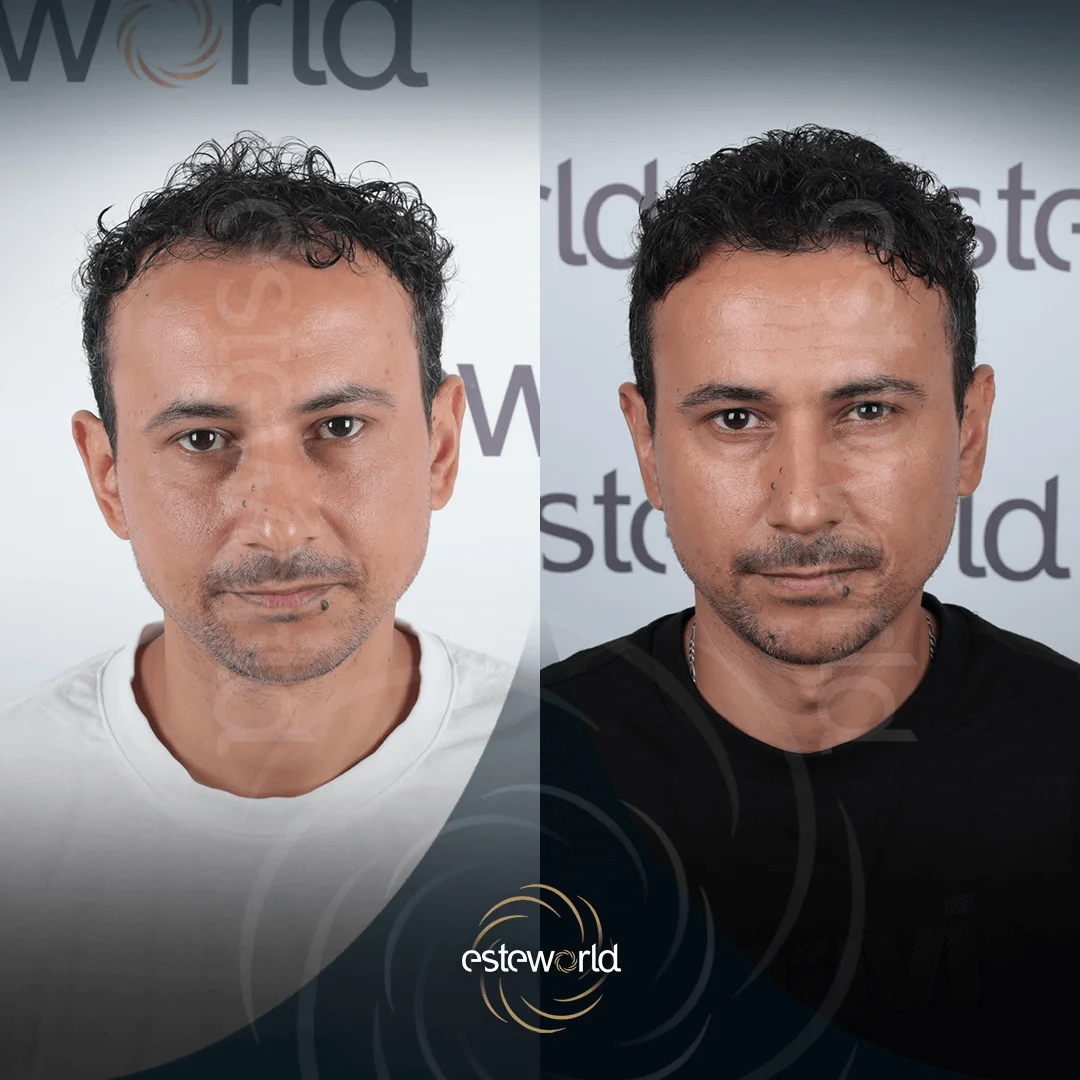
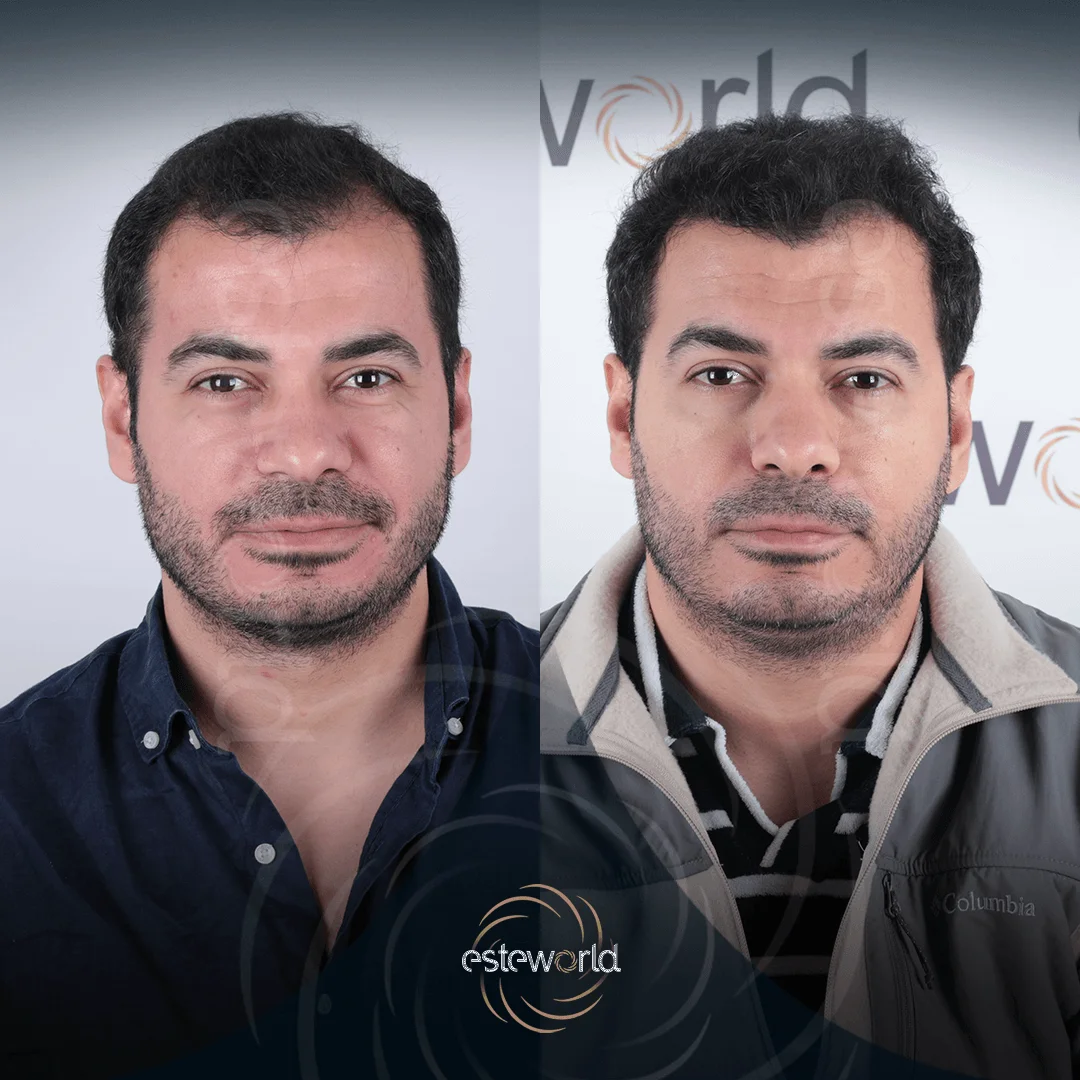
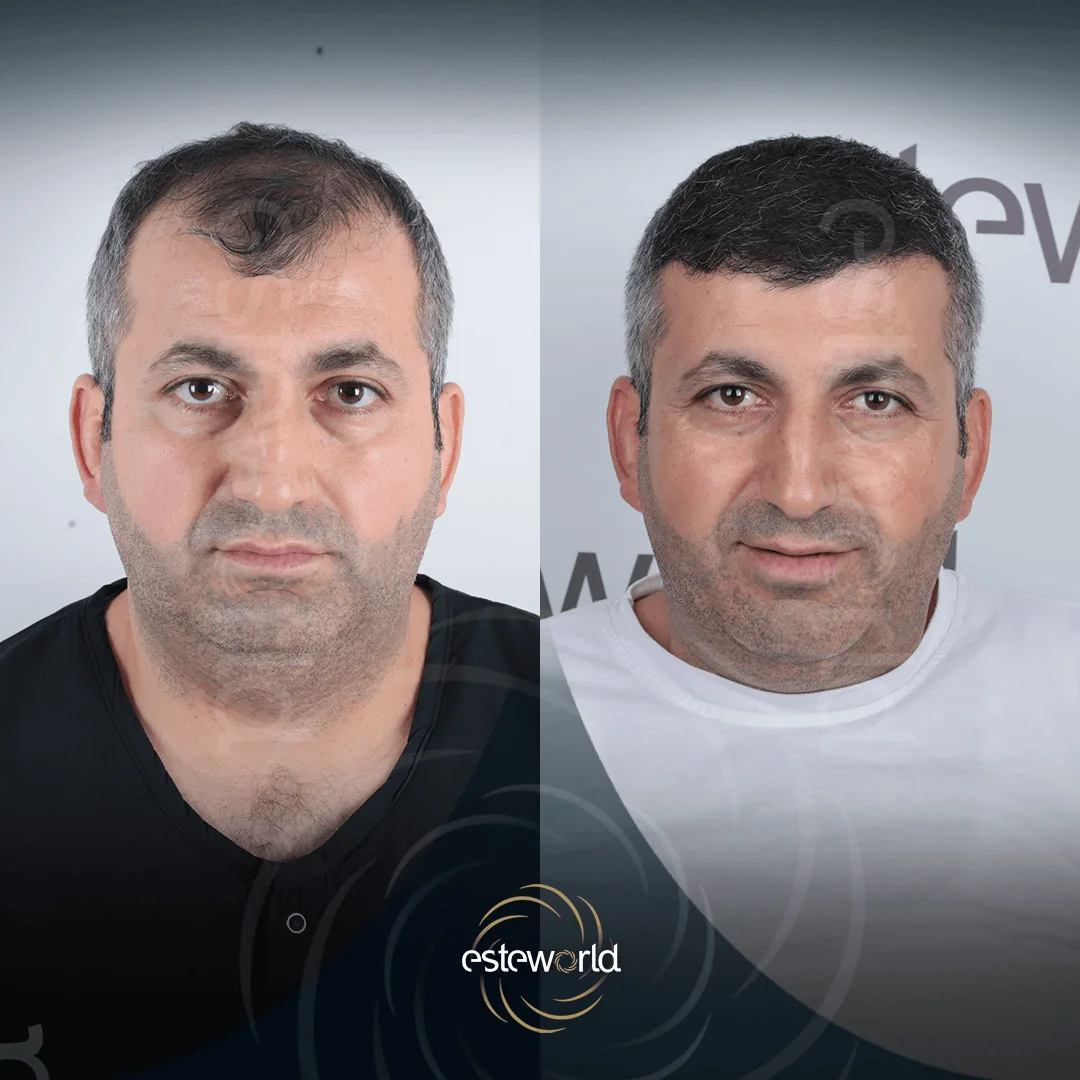
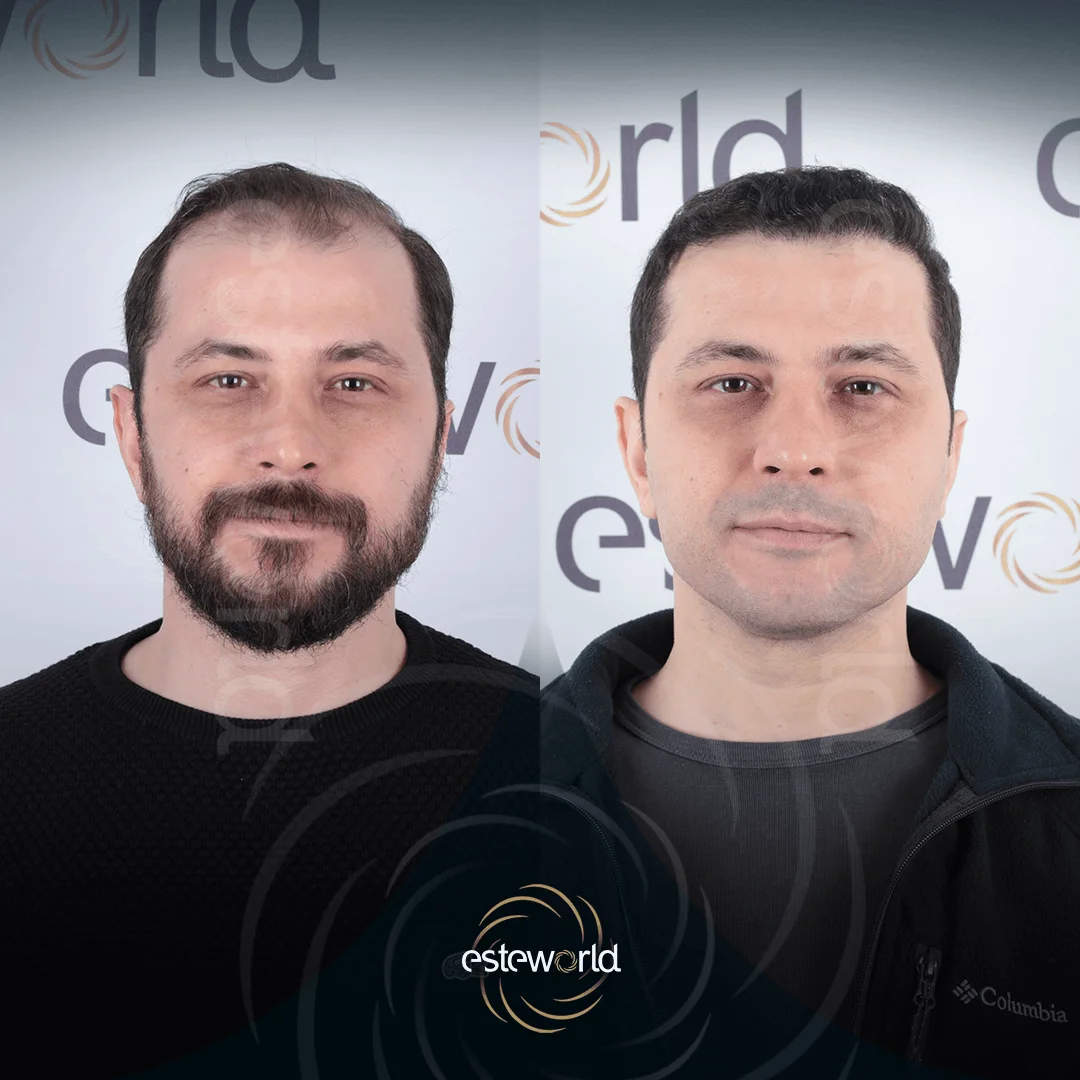
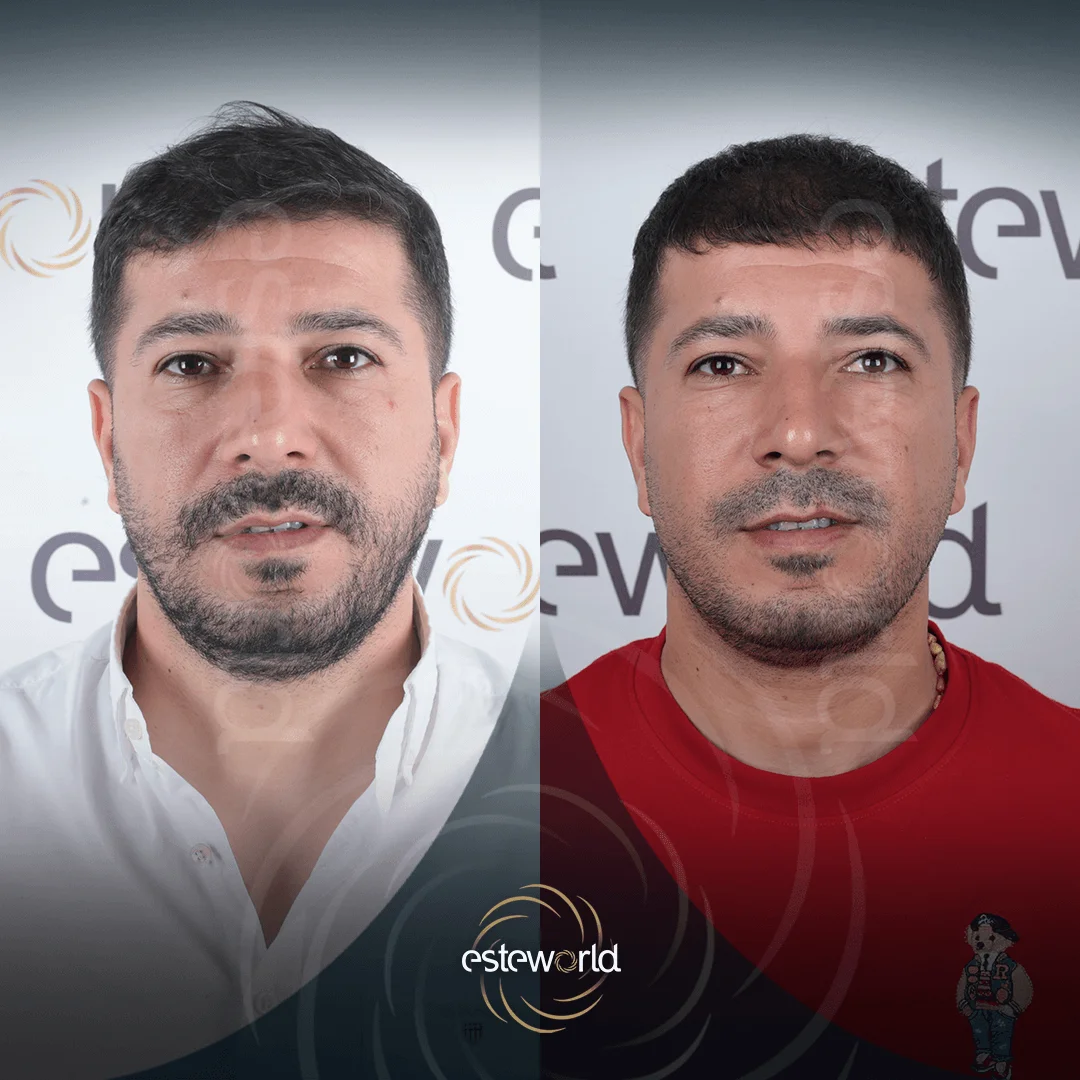
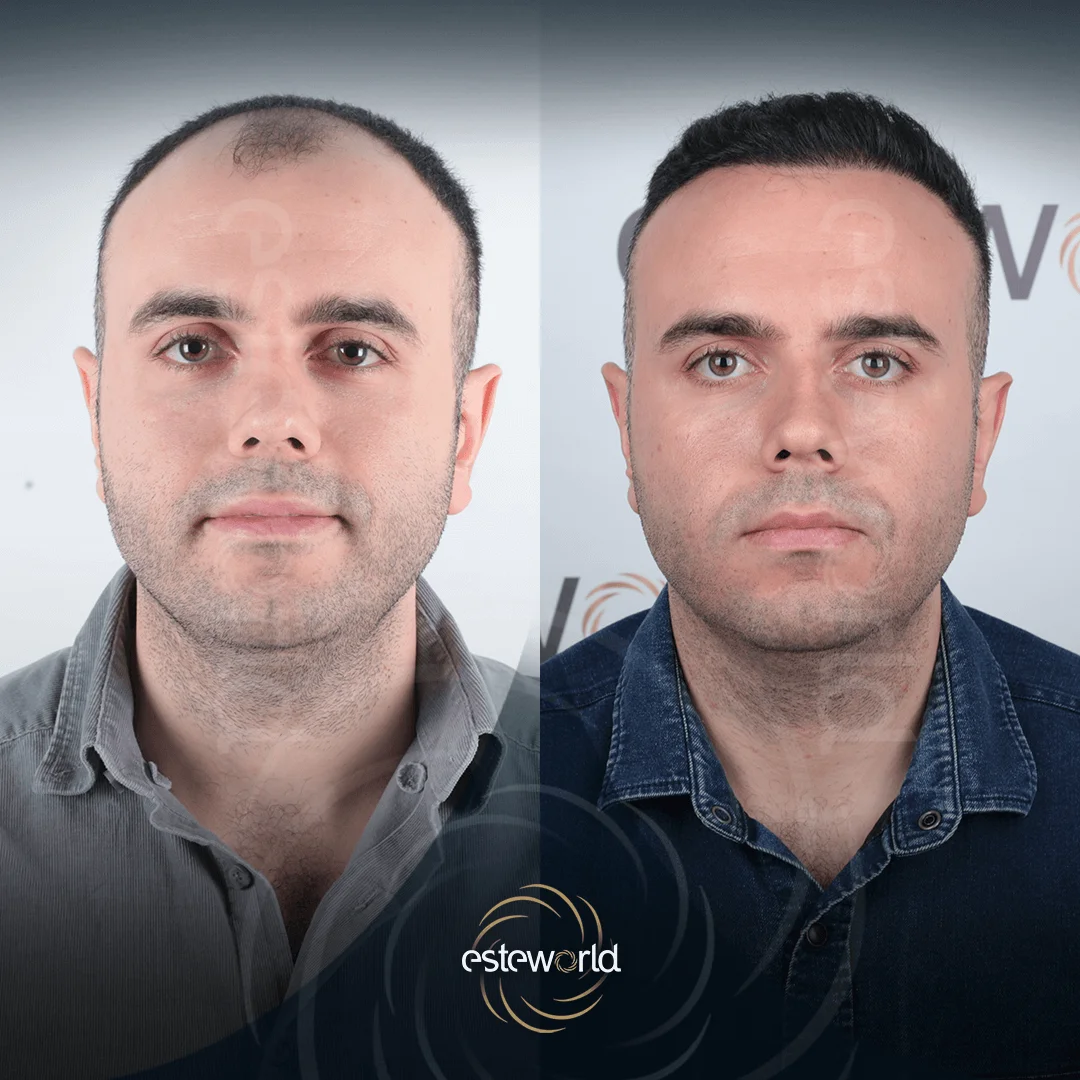
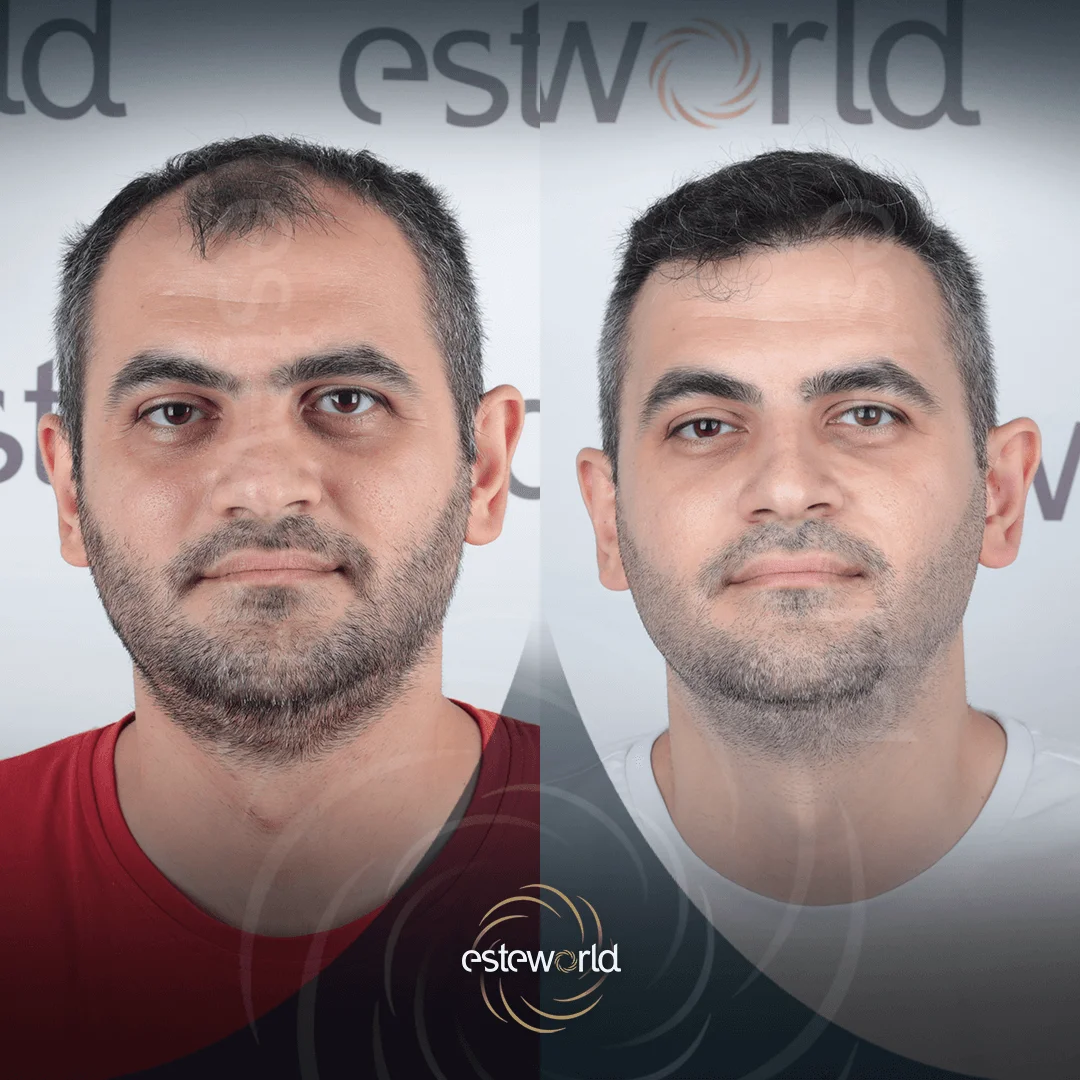
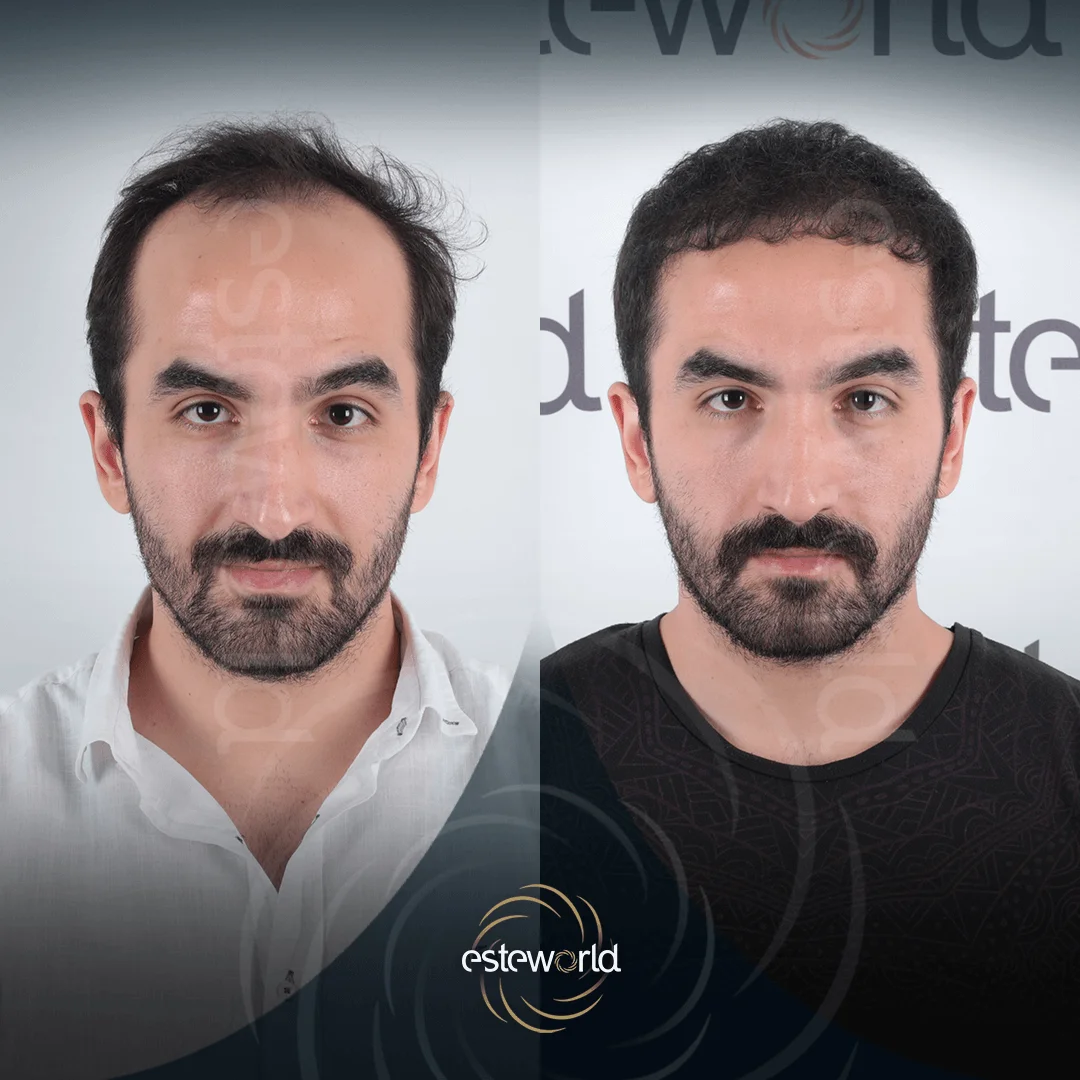
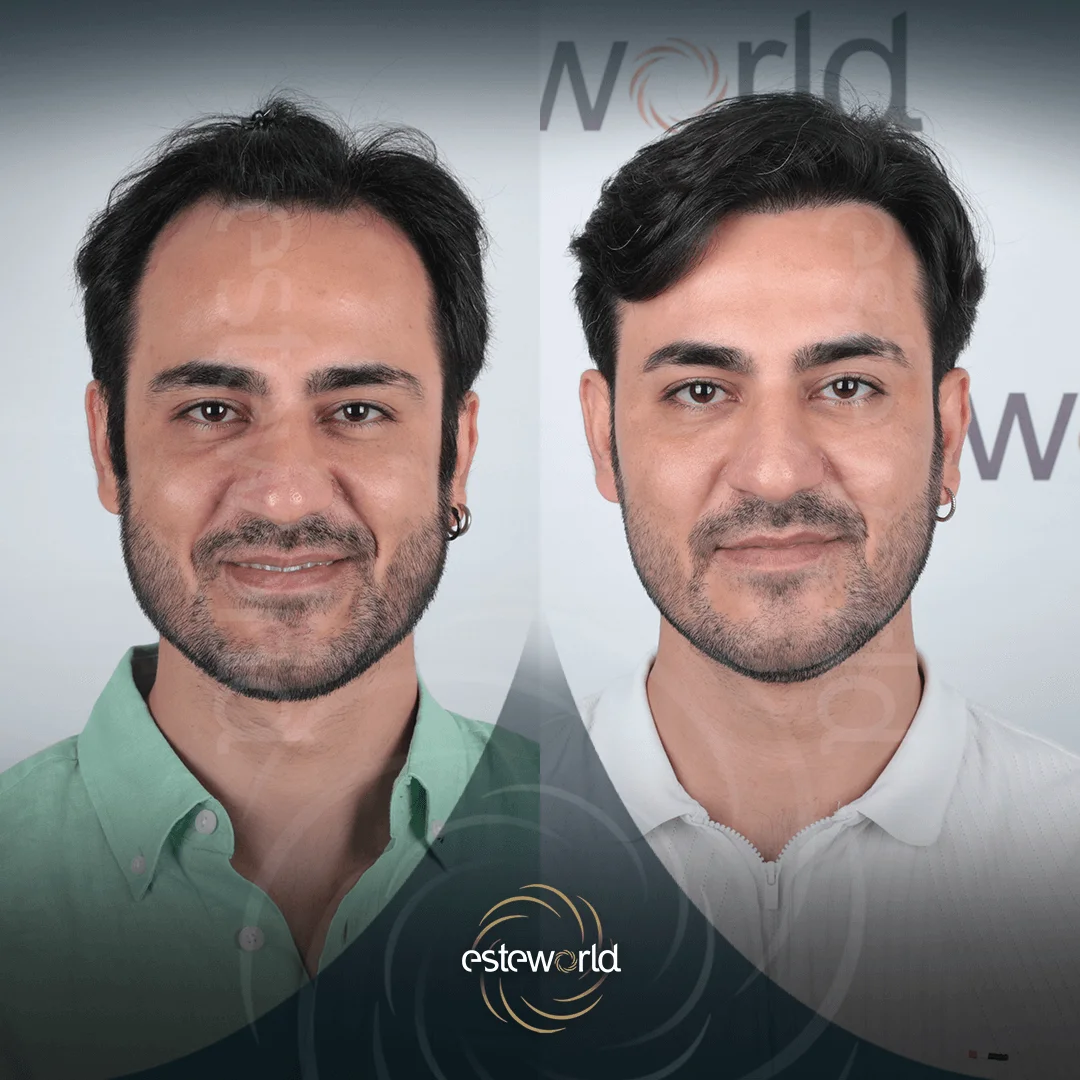
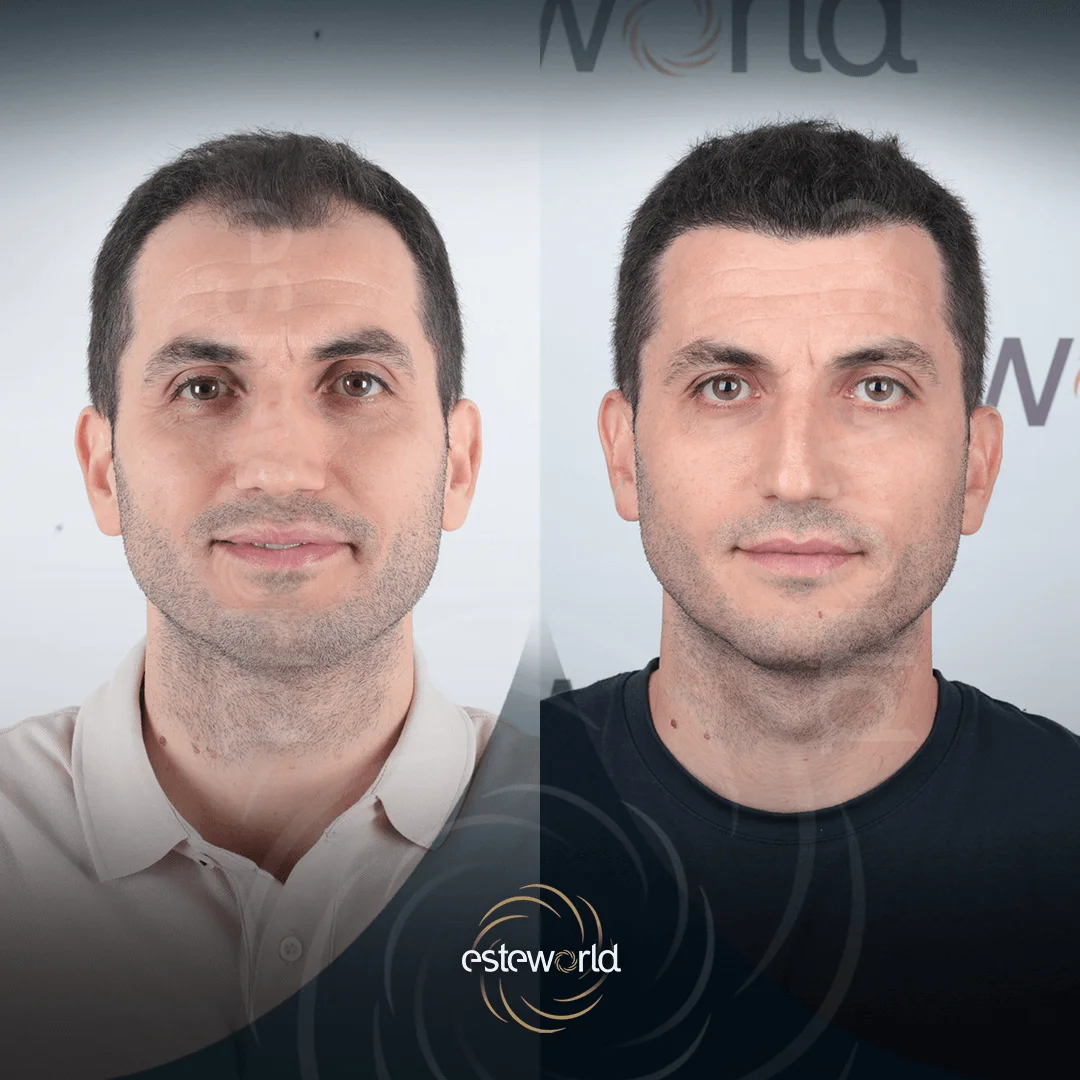
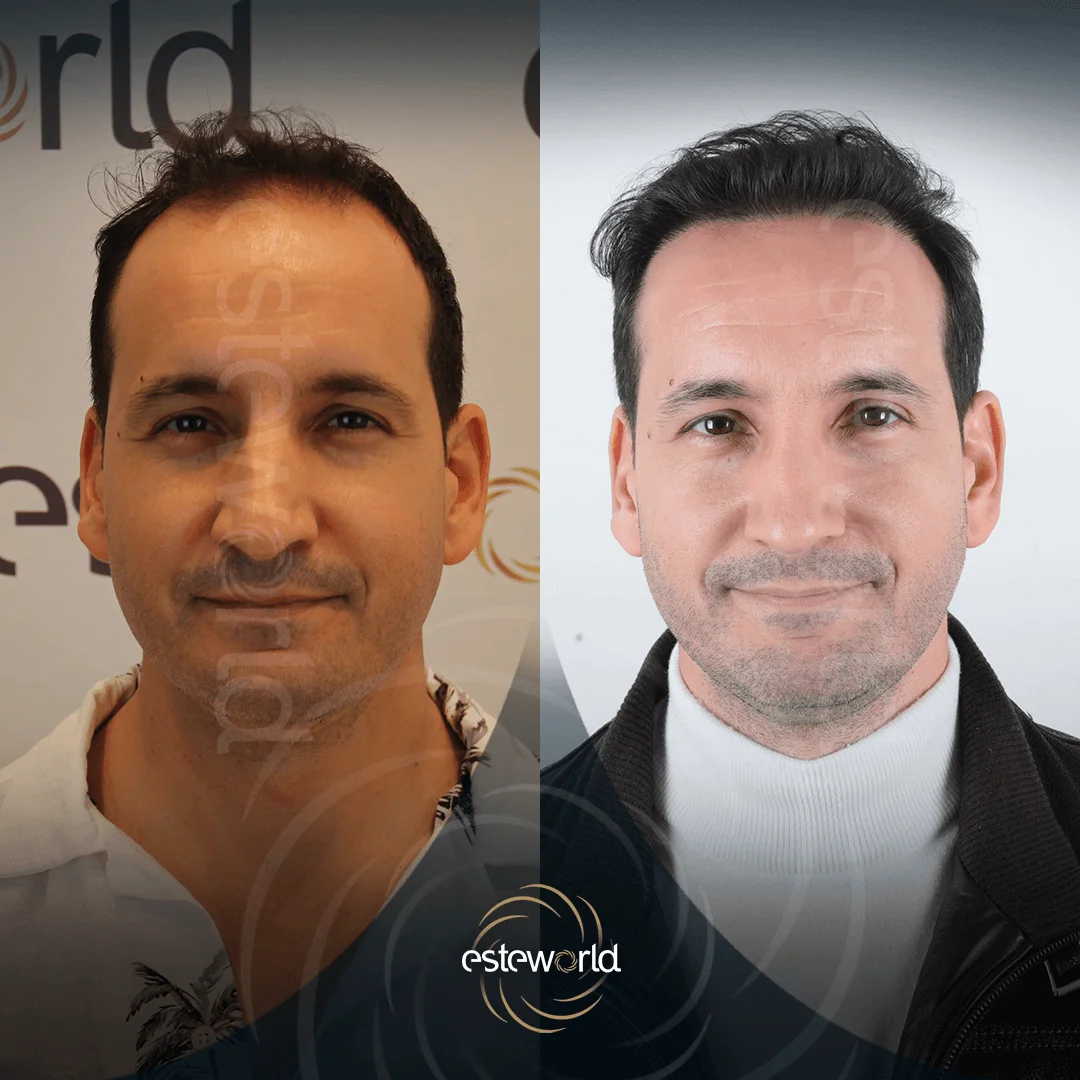
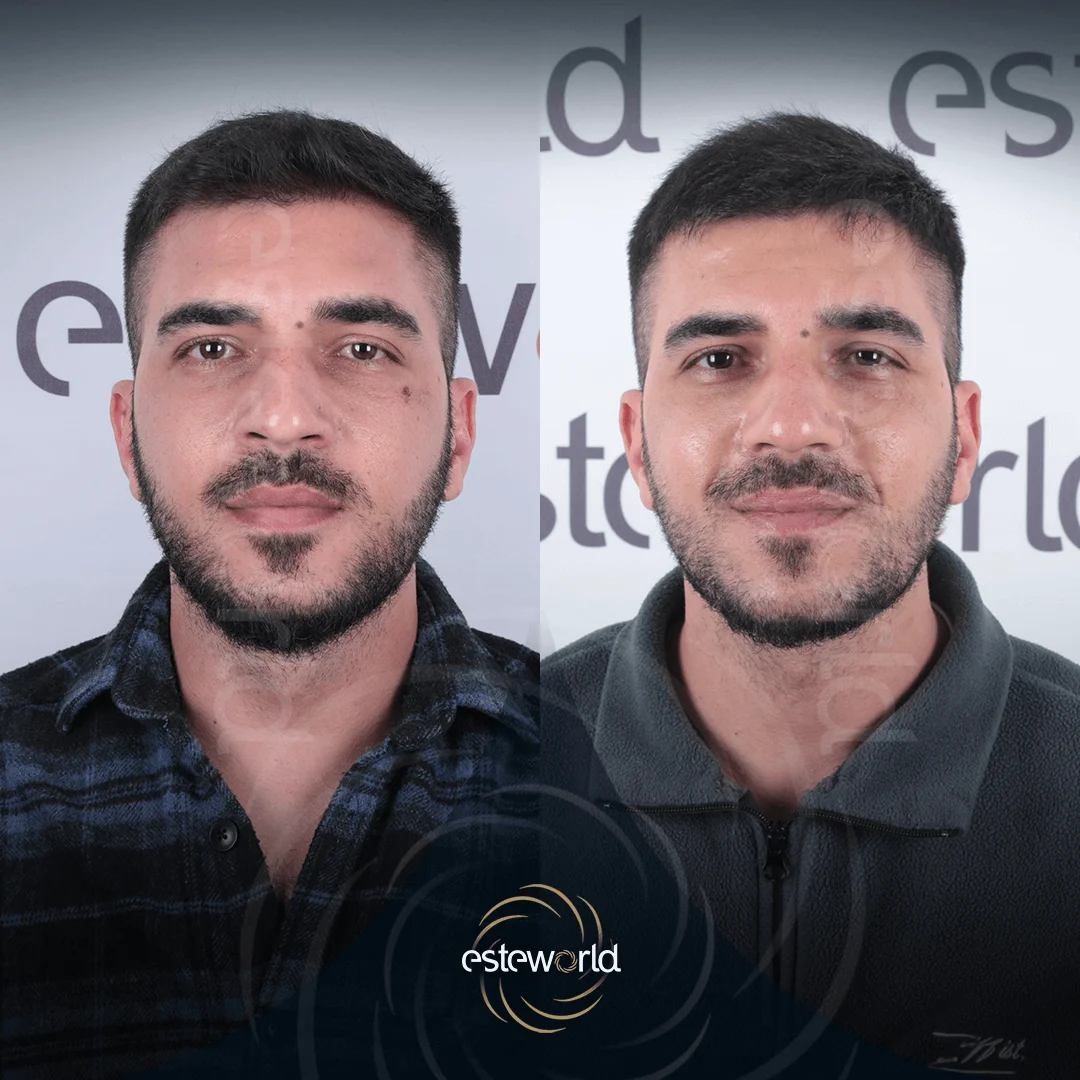
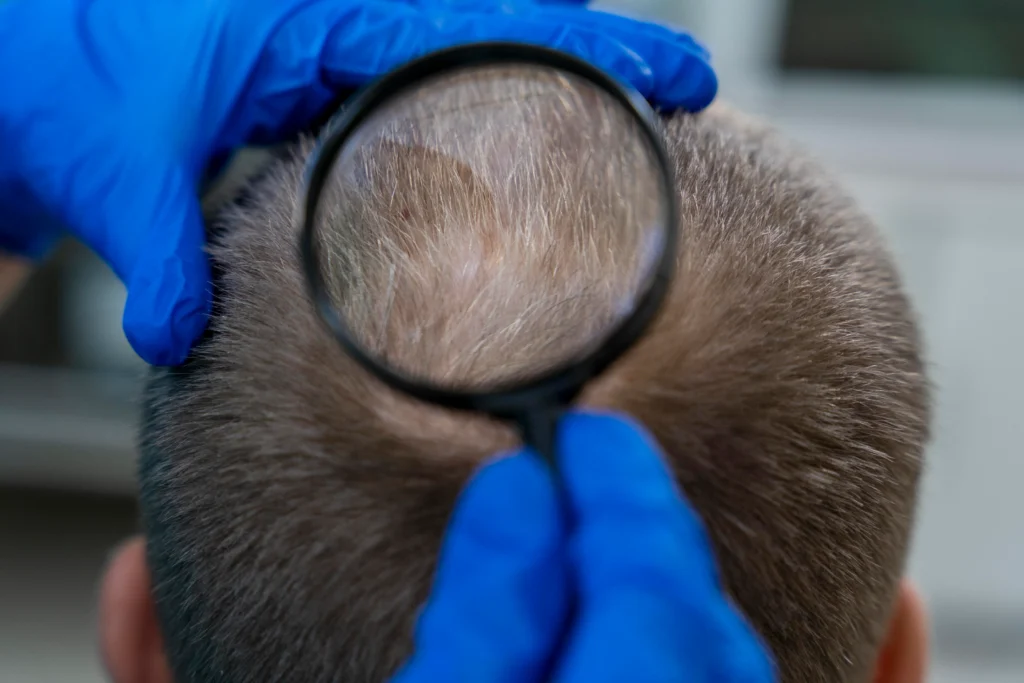
Laser hair transplant in Turkey refers to non-surgical hair restoration treatments that use low-level laser therapy (LLLT) to stimulate hair follicles and improve hair density. Unlike traditional hair transplant methods that involve grafting, this procedure relies on laser energy to enhance scalp circulation, boost cellular activity, and support the natural growth cycle of the hair.
What is Hair Laser?
Laser hair transplant is a medical treatment method used to reduce or stop hair loss, stimulate hair growth and improve the quality of hair. This treatment aims to achieve these effects by stimulating hair follicles using low-level laser light.
Low-level laser light, when applied to the hair follicles, can increase cellular activity, promote blood circulation and stimulate hair follicles to promote hair growth. In this way, it is aimed to thicken the hair strands and reduce hair loss.
Who Should Prefer Hair Laser?
Hair laser treatment is generally suitable for people experiencing hair loss, but it may not be effective for everyone. The effects of the treatment may vary from person to person and regular sessions are generally recommended. Both women and men can benefit from laser hair treatment.
Hair Laser in Men
Hair loss in men is a common condition usually caused by genetic factors. Hair laser treatment in men can be an effective method to stop hair loss and stimulate hair growth. Low-level laser light can improve hair quality and reduce hair loss by stimulating hair follicles. Hair laser treatment can be a suitable and effective option for men, but the results of each individual may be different. Therefore, it is important to consult a health professional before applying this treatment.
Thanks to hair laser treatment, which gives very successful results in both men and women, people can have lush and full hair in a completely painless, comfortable and safe way.
How is Laser Hair transplant Applied?
Laser Hair transplant is a treatment approach used as an effective method for individuals with hair loss. In this method, laser technology plays a supporting role in the hair transplant process and is used to accelerate blood circulation and tissue healing in the areas where the hair is transplanted.
Stages of Laser Hair transplant:
- Firstly, the hair structure and the degree of hair loss are analysed by a specialist dermatologist. According to the results of the hair analysis, the suitability of laser hair transplant is evaluated and a treatment plan is created.
- Before hair transplant, tiny channels are opened in the hair area with a device called dermapen and a serum that accelerates the growth and nutrition of hair follicles is applied. This is the preparation phase to increase the results of hair transplant.
- Using a laser device, shots are fired at the dysfunctional capillaries under the scalp. These shots accelerate blood circulation, stimulate hair follicles and promote hair growth.
- During the hair transplant process, laser-assisted hair transplant is applied. Laser beams are directed to the opened channels to stimulate the hair follicles. This helps the transplanted hair to grow and hold faster.
What are the Advantages of Laser Hair Treatment?
- Laser hair treatment is a non-surgical procedure and is usually painless. It offers a comfortable experience for patients.
- It has no side effects.
- Laser light can increase blood circulation in the scalp. This allows the hair follicles to be better nourished and oxygenated, thus stimulating hair growth.
- The sessions are usually quick and do not disrupt the person’s daily routine. It can be applied as several sessions per week and patients can quickly return to their normal life.
- Laser hair treatment can be combined with other hair restoration methods such as hair transplant. This can support hair transplant to achieve more effective results.
Why Should I Get Laser Hair Treatment in Turkey?
There are many reasons to have laser hair transplant in Turkey. Firstly, hair transplant costs in Turkey are more affordable and competitive compared to other countries. High-quality healthcare services are offered at more accessible prices compared to other countries. In addition, Turkey has experienced and specialised doctors in the field of laser hair transplant. This is a guarantee of successful results and satisfaction. Another reason is Turkey’s geographical location. Turkey is easily accessible from Europe, Asia and the Middle East and provides ease of travel for international patients. Cost-effectiveness, expertise, successful results and accessibility make Turkey a preferred destination for hair laser treatment.
Hair Laser Transplant in Turkey Cost 2026
Laser hair transplant cost vary depending on the experience of the doctor, the technology used and the location of the clinic. It is difficult to specify a clear price because personalised treatment plans and needs are among the important factors affecting prices. You can contact us directly for detailed price information.
You can contact Esteworld for detailed information about 2026 laser hair transplant prices. Meet Esteworld’s expert hair doctors and achieve the permanent results you want.