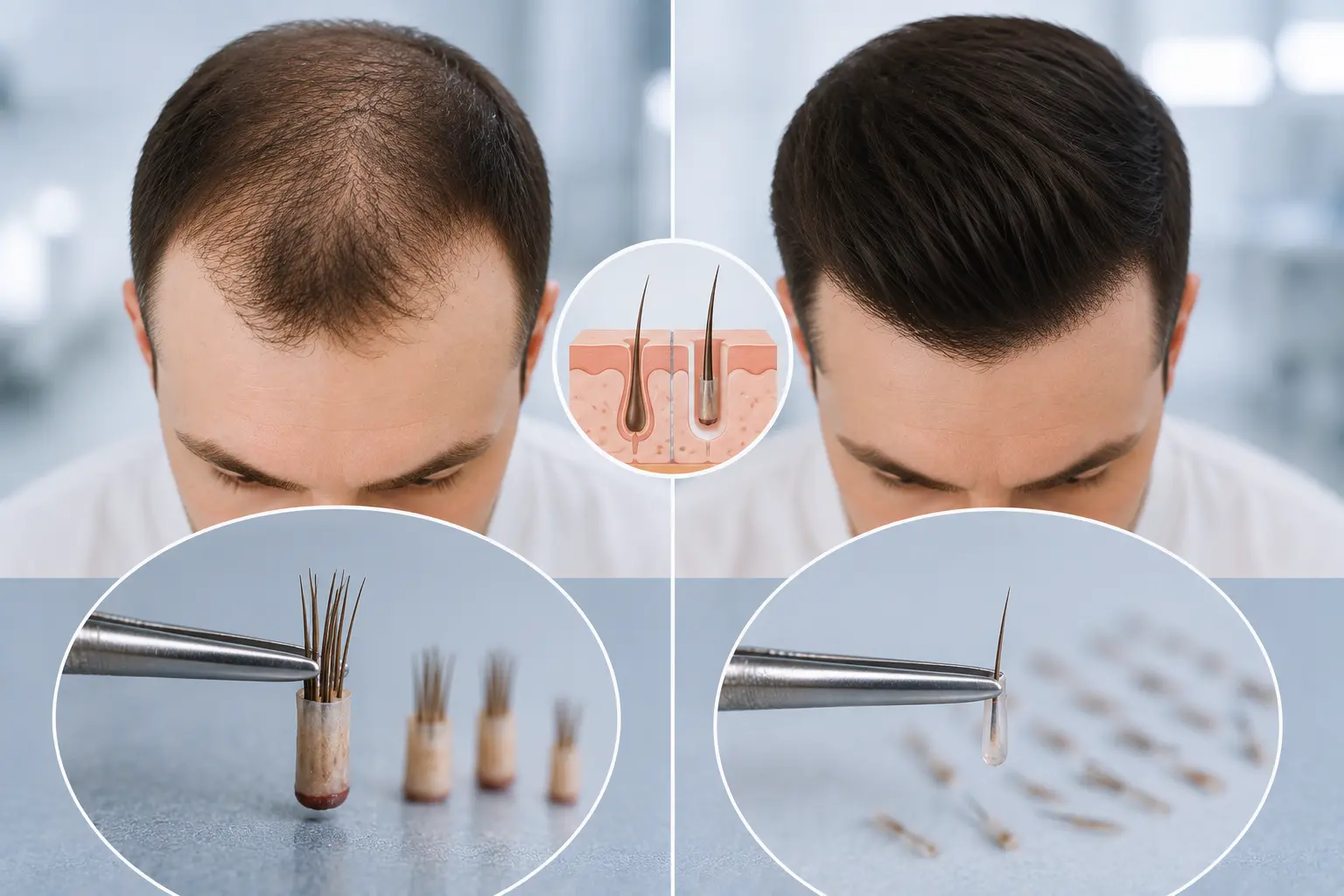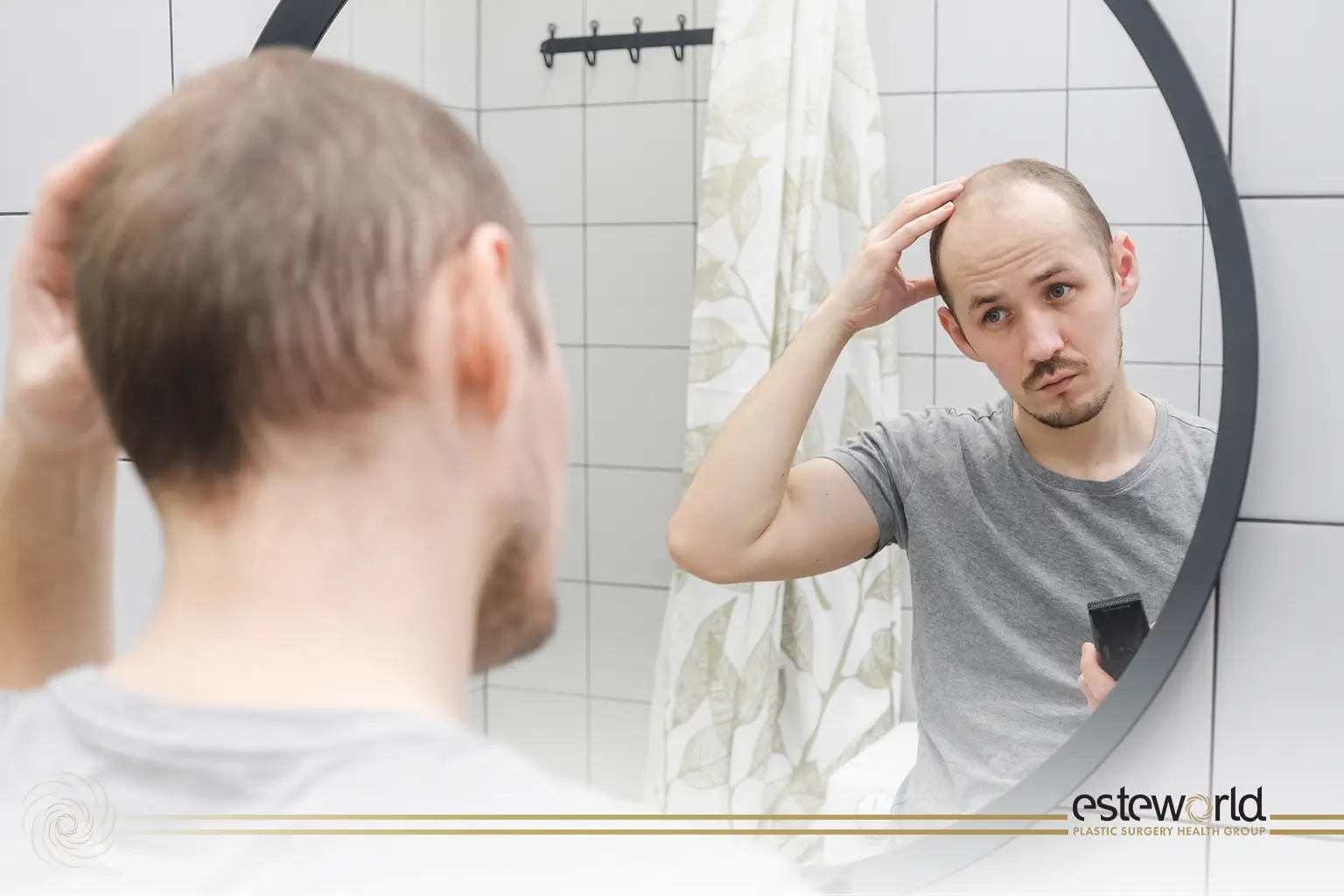

Hair loss can cause not only a physical change but also a mental and emotional transformation. Negative stigmas and prejudices towards hair loss in the general perception of society affect the quality of life of individuals with this condition.
In this content, we will focus on coping with hair loss and breaking the stigmas about it. From the psychological effects of hair loss to the stigma in social perception, we will explore how we can break these stigmas through education and awareness.
In this content, you will witness a powerful movement to break down the social stigma of hair loss and we will take steps together in this struggle. Are you ready? Let’s start breaking the stigma of hair loss together.
Underlying Causes of Hair Loss
- Genetic Factors
- Hormonal Changes
- Stress and Anxiety
- Wrong Eating Habits
- Thyroid Problems
- Scalp Problems
- Medication Use
- Hair Care Products and Procedures
- Menopause
- Severe Diseases and Treatments
Treatment of serious diseases or heavy treatment methods can cause hair loss.
Each of these causes are factors that vary from individual to individual and it is important to contact a specialised health professional in case of hair loss.
Psychological Effects of Hair Loss on İndividuals
The psychological effects of hair loss on individuals are as follows:
Loss of Self-Confidence: Hair loss can lead to loss of self-confidence in many individuals about their appearance. Hair often has a significant impact on a person’s appearance and self-confidence.
Decline in Self-Esteem: Hair loss can affect an individual’s self-esteem and perception of value. This may force the person to evaluate and accept themselves in a negative way.
Social Pressure and Stigmatisation: Negative perceptions of hair loss in society can make it difficult for the individual to cope with this condition. Social stigmas and prejudices may cause the person to feel excluded.
Social Isolation: Hair loss can negatively affect an individual’s social interactions. The individual may avoid social environments and feel isolated because of his/her appearance.
Depression and Anxiety: Hair loss can trigger psychological problems such as depression and anxiety. This may negatively affect the emotional health of the individual.
Change in Personal Identity: Hair loss can create a sense of change in an individual’s personal identity. Hair is an important element that a person introduces to the outside world, and therefore hair loss can affect the individual’s perception of identity.
Sexual Desire: Hair loss can create insecurity about sexual attractiveness and cause sexual reluctance.
These psychological effects emphasise the importance of support and understanding in the process of coping with hair loss. Expert help, support groups and a conscious awareness can help the individual to maintain emotional health in this challenging process.
The Role of Educational Programmes and Social Media in Raising Awareness in Combating Hair Loss
The role of educational programmes and social media in raising awareness in the fight against hair loss is as follows:
Education Programmes:
Information Sharing: Educational programmes that share accurate information about hair loss help individuals understand the situation and raise awareness.
Professional Counselling: Educational programmes provide personal counselling to individuals through experts and teach them strategies to cope with hair loss.
Role of Social Media:
Community Building: Online communities that provide support and solidarity among individuals experiencing hair loss are an effective tool of social media.
Sharing Personal Stories: Individuals experiencing hair loss sharing their personal stories on social media can inspire others and raise awareness.
Awareness Campaigns: Social media platforms allow for the spread of conscious campaigns to break the stigma of hair loss. Hashtag campaigns can reach large audiences and raise awareness.
Interaction with Experts: Hair loss experts answering questions on social media provides reliable information and support to individuals.
Daily Progress Sharing: Individuals sharing their processes of coping with hair loss on social media can be a motivating resource for others.
Integration of Education Programmes and Social Media
Live Broadcasts and Webinars: Training programmes can reach a wider audience and increase interaction by organising live broadcasts and webinars via social media.
Online Training Materials: Social media platforms enable individuals to continuously learn about hair loss issues by sharing educational materials.
Educational programmes and social media play an important role in raising awareness and building support in the fight against hair loss. By creating a strong bond between individuals, these platforms contribute to changing the social perception of hair loss in a positive way.