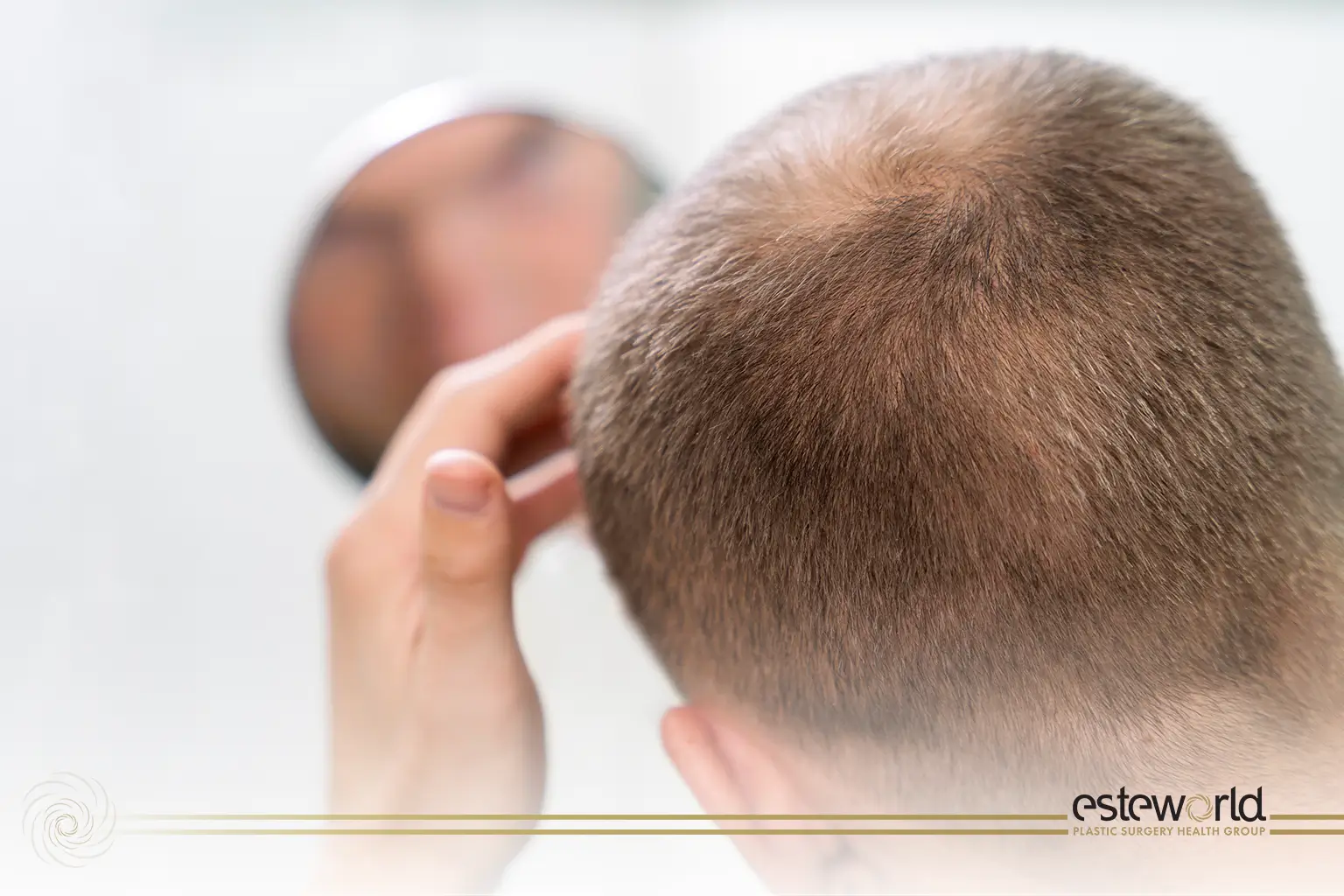

Bald spots are a common hair loss problem faced by many people and attract attention with their psychological effects as well as aesthetic concerns. Bald spots, which manifest themselves as thinning or complete loss of hair in certain areas of the hair, can occur due to many different reasons, from genetic factors to hormonal changes, stress and nutritional deficiencies. In this blog post, we will examine the causes of bald spots in detail, share with you the treatment methods that can be applied to deal with this problem and tips for maintaining hair health. Here you can find all the information you need to be more informed and equipped to combat hair loss.
What is Hair Loss (Alopecia)?
Alopecia is a condition of hair loss or balding. Although it is usually evident on the scalp, it can also occur in areas where hair grows anywhere on the body. This condition is more common in men than in women.
What Causes Bald Spots?
Dihydrotestosterone, commonly known as DHT, is the root cause of most cases of baldness. Both men and women produce DHT. In fact, about 10% of testosterone in the body is converted into DHT.
This is a completely natural and normal process, but some individuals have hair follicles that are genetically sensitive to DHT. This means that follicles will shrink and weaken when exposed to DHT. Male pattern baldness (MPHL) usually starts at the crown and hairline because the follicles in these areas are the most sensitive to DHT.
However, DHT is not responsible for all hair loss. Apart from MPHL, there are several other factors that can cause hair loss. These include the following:
- Physical stress
- Emotional stress
- Hormonal changes
- Medical conditions
- Medicines
- Hair products and styling
- Malnutrition
- Aging
What are the Symptoms of Hair Loss?
Hair loss symptoms vary depending on the type. Here are a few types of hair loss:
Female pattern hair loss: Although rarer, female pattern baldness is different from male pattern baldness because the hair usually thins all over the head, but the hairline is preserved. Female pattern baldness usually does not result in complete hair loss.
Male pattern baldness: Male pattern baldness is usually inherited and can start at any age. Hair loss usually starts on the front, sides or crown of the head. Some men develop only a bald spot or receding hairline, while others may lose all their hair.
Alopecia areata: This type of hair loss is characterized by sudden hair loss in a specific area and is known as ringworm. The hair usually grows back after a few months. However, if all body hair is lost, it may not grow back. The exact cause of this type is unknown, but autoimmune diseases, allergies and genetic factors are thought to play a role. Complete hair loss on the scalp is called alopecia totalis, while loss of all body hair is called alopecia universalis.
Toxic alopecia Toxic alopecia can occur after a high fever or a serious illness. Some medications, especially thallium, high doses of vitamin A, retinoids and cancer drugs can also cause it. Medical conditions such as thyroid disease and childbirth can also lead to toxic alopecia. This is usually a temporary hair loss.
Scatricial alopecia: Scars can prevent hair regrowth. Scars caused by burns, injuries or radiation therapy can cause hair loss. Other causes such as lupus, bacterial or fungal skin infections, lichen planus, sarcoidosis, tuberculosis or skin cancer can also lead to hair loss.
Trichotillomania (hair pulling): Hair pulling behavior can lead to hair loss and is more common in young children.
How is hair loss (baldness) diagnosed?
Diagnosis of hair loss (baldness) usually begins with a physical examination by a dermatologist or hair transplant doctor. The doctor will review the patient’s medical history and family history to assess the type and extent of hair loss. If necessary, additional tests such as blood tests, biopsy or dermatoscopy are performed to try to identify underlying causes such as hormonal imbalances, nutritional deficiencies or autoimmune diseases. This process ensures an accurate diagnosis and appropriate treatment plan.
- Baldness Hair Loss Treatment
- Your doctor will determine the most appropriate treatment for you based on the following factors
- Your age
- Your general state of health
- Medical history
- Degree of hair loss
- Your tolerance to certain medicines, procedures and treatments
- Estimation of how long hair loss will last
Research into solutions for hair loss is ongoing. Current treatment options may include
- Medications that promote hair growth (such as minoxidil and finasteride)
- Corticosteroid injections (for alopecia areata or other inflammatory causes of hair loss)
- Hair laser treatment
- Stem cell hair treatment
- Exosome hair treatment
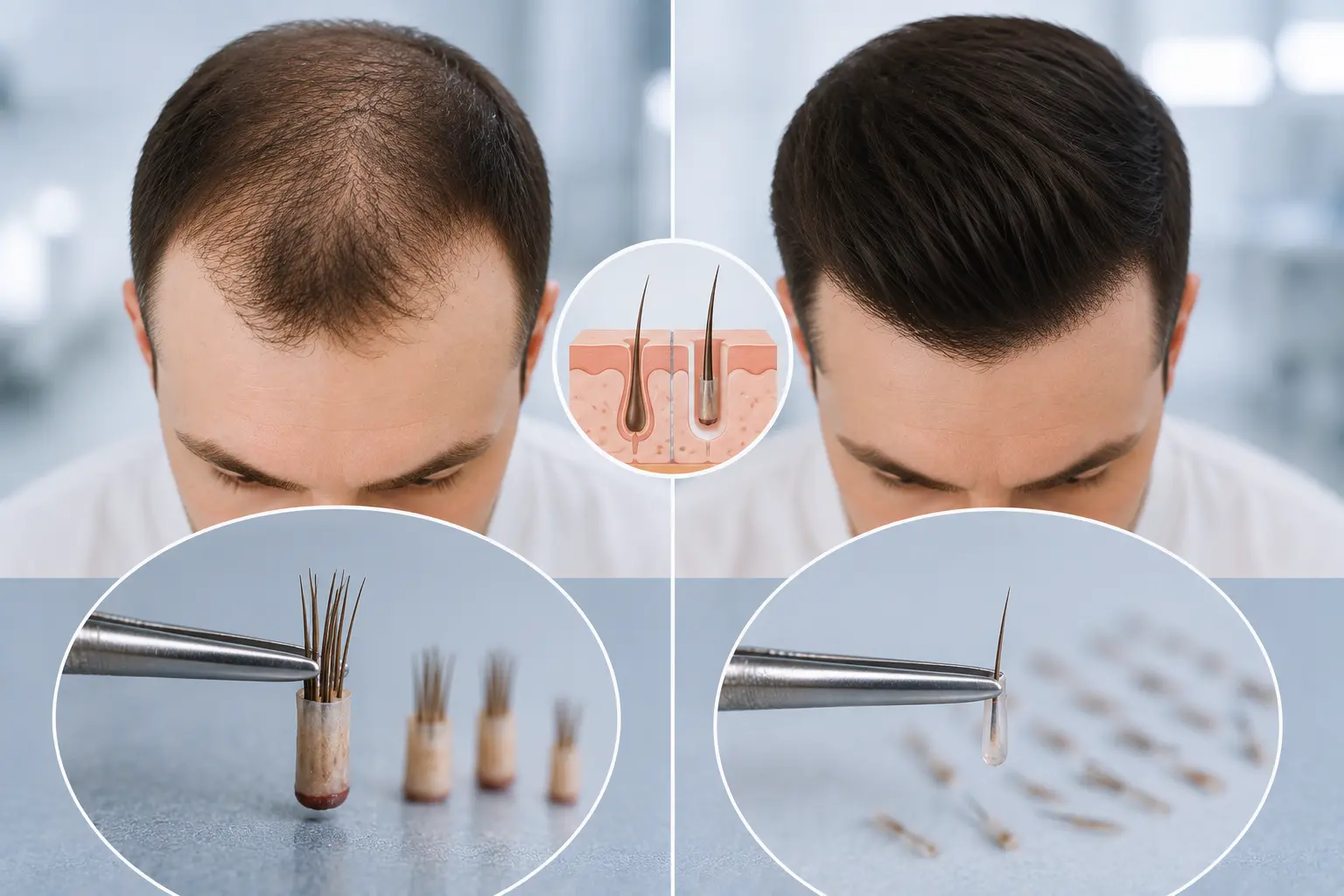
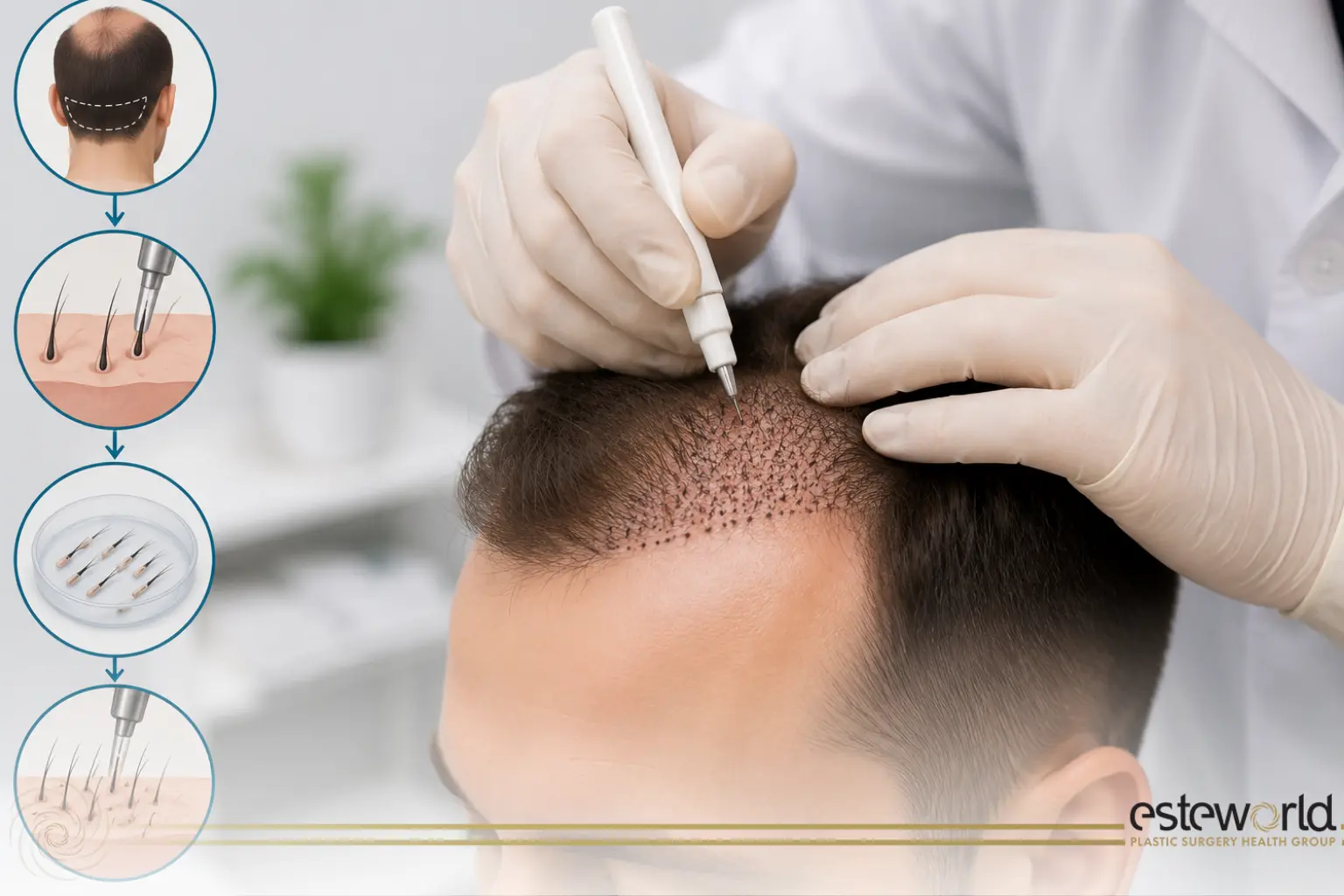
- Hair transplantation
If you want to get rid of baldness with customized solutions. You can meet Esteworld expert hair transplant doctors and get natural, healthy and permanent hair. You can contact us for detailed information about hair transplantation and our treatments.