What Is Digital Smile Design? Benefits, Process and Results
In recent years, aesthetic dentistry has increasingly focused on personalised and predictable treatment planning. Patients no longer want to rely solely on imagination when making decisions about their smile. Instead, they expect to understand how dental treatments may affect their facial appearance before the procedure begins.
This need for clearer communication and realistic expectations has led to the development of digital planning approaches in dentistry. Digital Smile Design has emerged as a solution that helps dentists evaluate aesthetic goals more systematically while allowing patients to take an active role in the planning process. By visualising potential outcomes in advance, both the dentist and the patient can move forward with greater confidence and clarity
What Is Digital Smile Design?
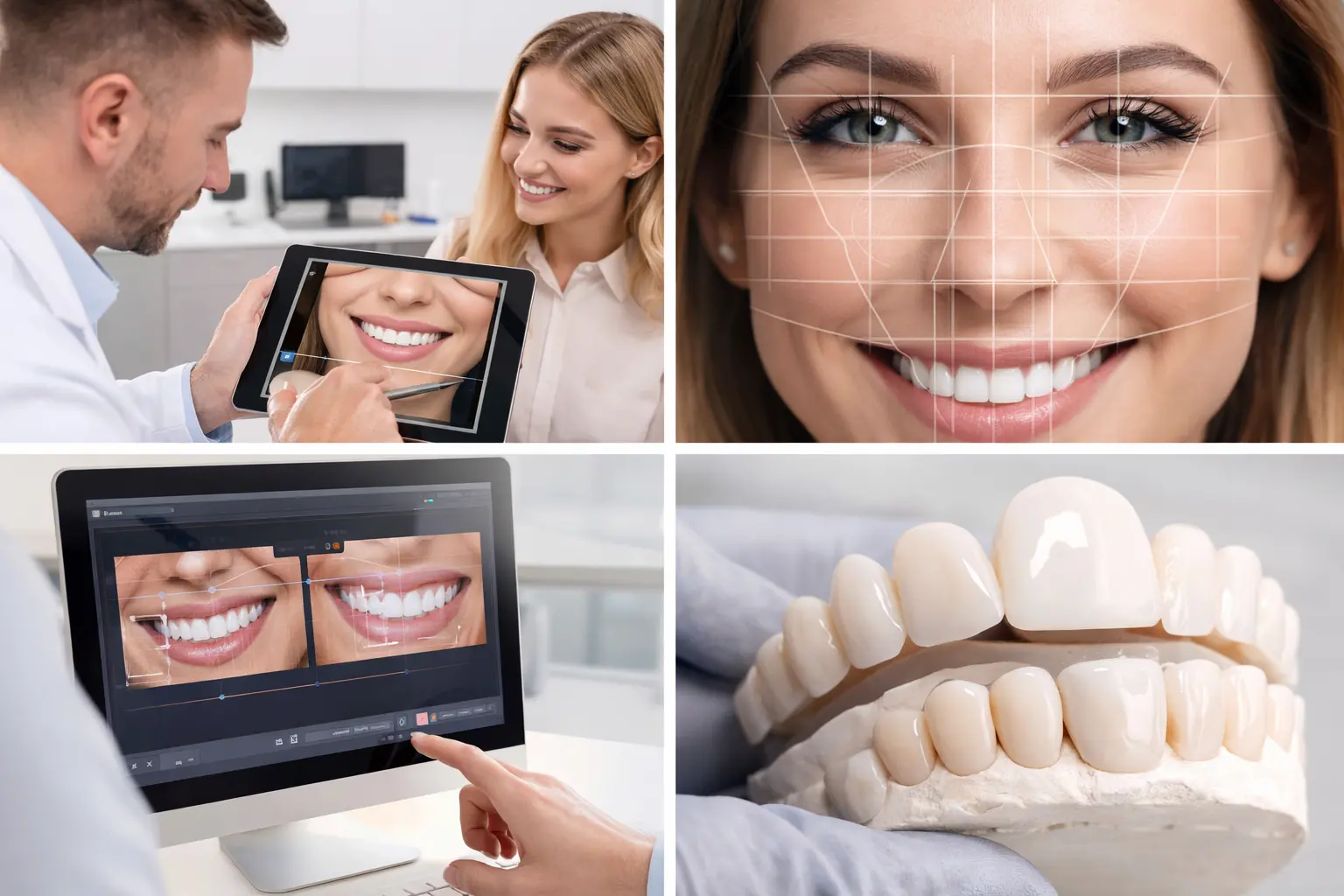
Digital Smile Design is a digital planning concept used to design a patient’s smile by analysing facial features, dental structure and smile dynamics. It is based on the use of clinical photographs, videos and specialised software to evaluate the relationship between teeth, gums, lips and facial proportions in a structured and measurable way.
Rather than being a standalone treatment, Digital Smile Design functions as a planning framework that guides various dental procedures. By creating a digital simulation of the planned smile, dentists can customise treatment strategies according to functional needs and aesthetic goals. This approach supports more controlled treatment planning and helps align clinical outcomes with patient expectations.
Who Is a Good Candidate for Digital Smile Design?
Digital Smile Design may be suitable for patients with different aesthetic and restorative expectations, particularly in the following situations:
- Individuals with aesthetic concerns about their smile, such as tooth shape, size, colour or symmetry.
- Patients who want to visualise treatment results in advance before committing to a dental procedure.
- People considering cosmetic dental treatments, including veneers, crowns or smile makeovers.
- Patients planning comprehensive dental treatments involving more than one procedure.
- Individuals seeking a personalised smile design that takes facial features and proportions into account.
- Patients who feel uncertain about treatment outcomes and prefer a structured and transparent planning process.
Suitability should always be determined after a thorough dental examination, as oral health conditions and treatment goals vary from person to person.
Which Dental Treatments Can Be Planned with Digital Smile Design?
Digital Smile Design can be applied to a wide range of dental treatments by serving as a visual and analytical planning tool before the clinical procedures begin. It helps dentists evaluate aesthetic harmony while aligning treatment steps more accurately.
- Porcelain veneers: Digital Smile Design allows the shape, size and position of veneers to be planned in harmony with facial features.
- Dental crowns: Crown restorations can be digitally designed to achieve both functional balance and aesthetic consistency.
- Smile makeover treatments: When multiple aesthetic procedures are planned together, Digital Smile Design supports a more coordinated approach.
- Dental implants: Implant positioning and prosthetic design can be planned with consideration of smile aesthetics and facial proportions.
- Orthodontic treatments: Smile analysis helps evaluate how tooth movement may affect the overall smile and facial appearance.
- Teeth whitening procedures: Digital Smile Design can support aesthetic planning by showing how tooth colour changes may influence the final smile.
The suitability of Digital Smile Design for each treatment depends on individual dental needs and should be evaluated by a qualified dentist.
How Does Digital Smile Design Work?
Digital Smile Design works through a structured digital planning process carried out before any dental treatment begins. The process starts with the collection of detailed visual data, including high-quality photographs and videos of the patient’s face, smile and teeth. These visuals are used to analyse facial proportions, lip movement, smile line and tooth visibility in a comprehensive way.
Based on this analysis, the dentist evaluates the relationship between facial features and dental structures, such as tooth shape, size, alignment and gum levels. Specialised software is then used to create a digital simulation of the planned smile. This preview allows both the dentist and the patient to review the proposed design, discuss expectations and make adjustments if needed. Once the digital design is approved, it serves as a guide for the planned dental treatments, helping ensure a more controlled and predictable clinical process.
What Are the Benefits of Digital Smile Design?
Digital Smile Design offers several advantages that improve both treatment planning and patient experience:
- Visualisation before treatment: Patients can see a digital preview of their potential smile before any procedure begins.
- More predictable outcomes: Digital planning helps align aesthetic goals with clinical steps, reducing uncertainty.
- Personalised smile design: The smile is planned according to individual facial features, dental structure and expectations.
- Improved dentist–patient communication: Visual simulations make it easier to discuss treatment goals and preferences.
- Better aesthetic harmony: Teeth, lips and facial proportions are evaluated together rather than separately.
- Support for complex treatments: Digital Smile Design is especially useful when multiple dental procedures are planned together.
- Reduced need for revisions: Clear planning at the beginning may help minimise unexpected changes during treatmen
Digital Smile Design vs Traditional Smile Design
Digital Smile Design and traditional smile design differ mainly in how treatment planning is approached and communicated. While both methods aim to improve smile aesthetics, Digital Smile Design relies on digital analysis and visual simulations, whereas traditional smile design is based largely on clinical examination and dentist experience.
| Feature | Digital Smile Design | Traditional Smile Design |
| Planning method | Digital analysis using photos, videos and software | Visual assessment and manual planning |
| Patient involvement | Patient can see and review a digital smile preview | Limited visualisation before treatment |
| Predictability | Higher predictability through digital simulations | Results depend more on experience and interpretation |
| Personalisation | Facial features and proportions analysed in detail | Focus mainly on teeth and bite |
| Communication | Clear visual communication between dentist and patient | Verbal explanations and mock-ups |
| Revision potential | Adjustments can be made digitally before treatment | Changes often occur during or after treatment |
Digital Smile Design supports a more structured and transparent planning process, especially for patients who want to understand and visualise potential results in advance.
Digital Smile Design has become an important planning approach in modern aesthetic dentistry by bringing technology and personalised care together. By allowing dentists and patients to evaluate smile aesthetics digitally before treatment begins, it supports clearer communication and more controlled decision-making.
Rather than being a treatment on its own, Digital Smile Design acts as a guiding framework for various dental procedures. It helps align facial features, dental structure and aesthetic expectations in a systematic way. While digital simulations provide valuable insights, the success of the final outcome depends on proper clinical evaluation and professional expertise. For this reason, Digital Smile Design should always be applied as part of a comprehensive dental examination and personalised treatment plan.