Dental implant treatment involves artificial roots placed to replace missing teeth and is generally considered a long-term solution. However, adopting proper nutritional habits after the implant procedure is extremely important to ensure successful integration of the implant and to accelerate the healing process. During this period, an appropriate nutrition plan reduces the risk of infection in the area where the implant is placed, supports tissue healing, and helps the implant remain long-lasting. In this article, we will share suitable nutritional habits and what you should pay attention to after dental implant treatment.
Why Is Nutrition Important After a Dental Implant?
Dental implant treatment is an effective and permanent solution for restoring oral and dental health. However, the success of the treatment is not limited to the operation alone. Post-implant nutrition is of great importance for a healthy and rapid healing process.
1. Speeds Up the Healing Process
After implant placement, time is needed for the jawbone and the implant screw to fuse (osseointegration). During this process, consuming soft and nutritious foods accelerates tissue repair and reduces the risk of infection.
2. Reduces the Risk of Infection
In addition to maintaining hygiene in the wound area after the implant, avoiding acidic, spicy, or hard foods also lowers the possibility of infection. Proper nutrition supports the immune system and allows the tissues around the implant to heal more easily.
3. Reduces Pain and Swelling
Consuming hot or hard foods in the first days may increase pain. Cold and liquid foods help reduce swelling while also supporting nutrient intake.
4. Increases Implant Success
Incorrect eating habits may lead to complications around the implant. Especially in the first days, avoiding chewing movements and eating in a way that does not strain the implant area ensures that the implant settles successfully.
5. Linked to Overall Health
Nutrition affects not only oral health but also overall body health. A diet rich in protein, vitamins, and minerals both accelerates general healing and contributes to the longevity of the dental implant.
How Should Nutrition Be After an Implant?
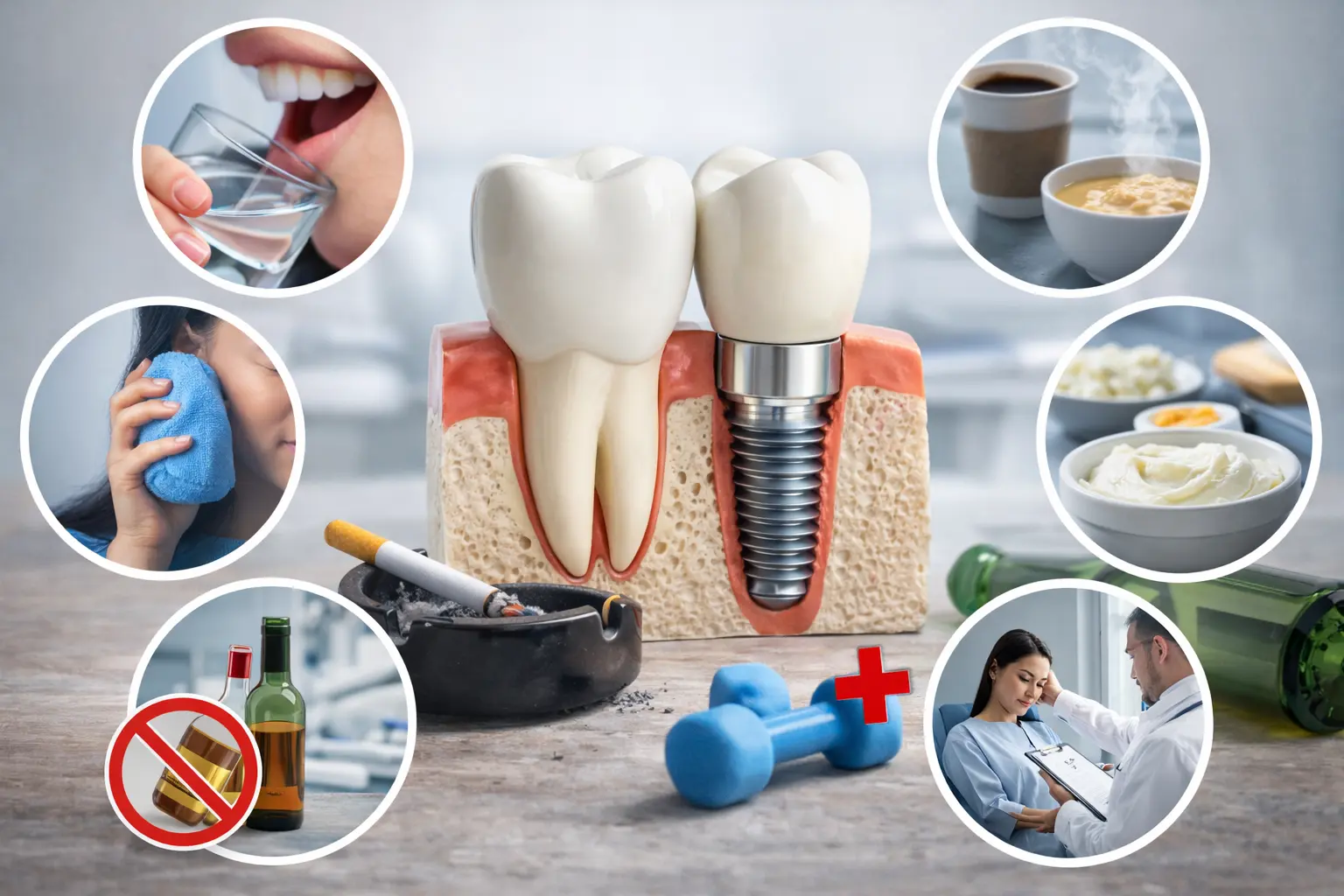
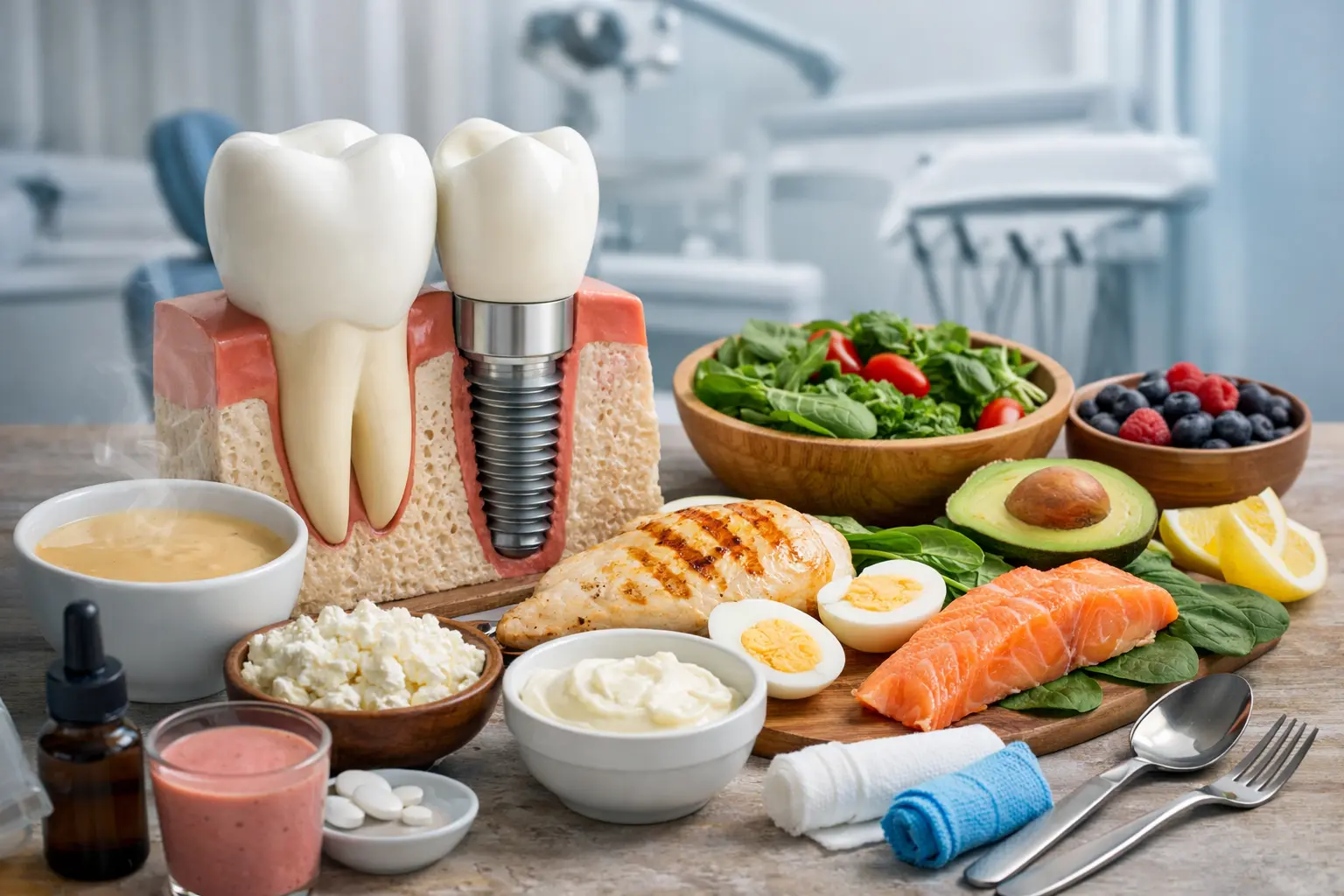
After dental implant surgery, the list of foods you can consume varies depending on the stages of your healing process. In the first weeks after the operation, it is important to consume liquid and soft foods to ensure healthy healing of the implant. Extremely hot and cold foods should be avoided during this period, and you should gradually transition back to a normal diet.
Foods That People with Dental Implants Can Eat
After implant treatment, nutrition is the most important factor during the healing process. The duration of maintaining proper eating habits may last longer than three months depending on the patient’s bone structure. During this 3-month period, you can consume the foods listed below and should avoid certain foods.
Foods That Can Be Eaten a Few Hours After Dental Implant Treatment
No food or drink should be consumed for the first 2 hours after implant surgery. During the following 24 hours, very hot, very cold, or hard foods that may cause sensitivity in the teeth should be avoided.
Foods you can consume a few hours after a dental implant include:
- Warm soups
- Pudding and similar soft desserts
- Chicken or meat broth
- Smoothies
- Soft foods such as cottage cheese
- Various purees
Foods That Can Be Eaten During the First Week After Implant Treatment
The intense sensitivity period generally lasts between 24 and 48 hours, and after this time you can partially return to normal eating habits. However, it is still important to continue avoiding hard food groups that may create pressure in the mouth.
In the first week after dental implant treatment, you can transition to some foods that you can chew without putting too much pressure on your teeth. Some foods that can be consumed in the first week after an implant include:
- Soft grains such as spaghetti or rice
- Fresh bread or sandwich bread
- Steamed vegetables such as broccoli, carrots, zucchini
- Boiled or omelette-style eggs
- Soft fruits such as bananas and peaches
Foods That Can Be Eaten After the 2nd Week of Implant Treatment
From the second week after dental implant treatment, if you do not experience any discomfort, you can move on to harder and more solid foods. Some foods you can consume in the 2nd and 3rd weeks after an implant include:
- Meatballs
- Chicken
- Fish such as salmon, cod, and haddock
- Raw vegetables and fruits
Long-Term Eating Habits After an Implant
Nutrition after a dental implant is not limited to just a few days after the operation. For permanent and healthy results, long-term dietary habits should also be reviewed. Proper nutrition ensures the longevity of the implant and helps maintain overall oral health.
1. Avoid Sugar and Acid
Constant consumption of sugary and acidic foods may cause irritation in the gums and bacterial formation. Over time, this may damage the tissues around the implant.
2. Prefer Fibrous and Natural Foods
Vegetables, fruits, and whole grains support your digestive system and help keep the tissues around the implant healthy.
3. Drink Water Frequently
Moisture balance in the mouth should be maintained. Adequate water consumption preserves oral hygiene, prevents bacterial growth, and keeps the area around your implant clean.
4. Eat a Balanced and Regular Diet
A diet rich in vitamins, minerals, and protein directly affects not only your general health but also your gum health. Create balanced plates at breakfast, lunch, and dinner.
5. Pay Attention to Chewing Habits
To avoid straining the implanted area in the long term, stay away from very hard-shelled nuts or foods that are difficult to chew, such as ice cream.
💡 Note: Do not forget to visit your dentist at least once a year for a check-up. The lifespan of dental implants depends on your care and habits.
Foods That Support Healing After an Implant
The healing process after a dental implant is directly related to how well the body is nourished. Some foods can accelerate tissue regeneration and bone formation during this period.
1. Protein Sources (Eggs, Yoghurt, Chicken, Lentils)
Protein is one of the most important building blocks in wound healing. Consuming sufficient protein at each meal helps repair tissues in the implant area.
2. Omega-3 Fatty Acids (Salmon, Walnuts, Chia Seeds)
Omega-3 reduces swelling thanks to its anti-inflammatory effect, supports the immune system, and improves the implant’s integration with the bone.
3. Vitamin C (Orange, Kiwi, Spinach)
Vitamin C increases collagen production and contributes to healthy gums. Daily vitamin C intake should be monitored.
4. Calcium and Vitamin D (Milk, Cheese, Egg Yolk)
Essential for bone health. The integration of the dental implant with the jawbone is directly related to adequate calcium and vitamin D intake.
5. Soft and Nutritious Foods (Avocado, Banana, Purees)
In the first weeks, foods that are both easy to chew and nutritious should be preferred. This protects the implant area while ensuring the body receives the energy it needs.
Recommended Food List (Nutrition Table After Dental Implant)
| Period | Recommended Foods | Foods to Avoid |
| First 24 Hours | Warm soup, yoghurt, banana puree, milk, smoothie, water, herbal tea | Hot drinks, spicy foods, hard nuts |
| 1–7 Days | Vegetable purees, boiled potatoes, soft fruits (avocado, banana), cheese | Chips, sour-salty snacks, carbonated drinks |
| After 2nd Week | Chicken, fish, eggs, whole wheat pasta, lentil soup | Hard meats, crackers, coffee, alcohol |
| Long Term | Vegetables, fruits, yoghurt, kefir, walnuts, salmon, whole grains | Sugary foods, acidic drinks, artificial sweeteners |
What Should Not Be Eaten After Dental Implant Surgery?
Some foods should not be consumed after implant treatment as they may irritate the gums and tooth enamel. During the 2-week healing period after implant surgery, you should avoid the following foods:
- Hard-shelled foods
- Hard meat products such as steak
- Raw vegetables and hard fruits
- Snacks such as crackers and chips
- Caramel and candies
- Chewing gum
- Pastries
- Spicy foods
- Hot foods and drinks
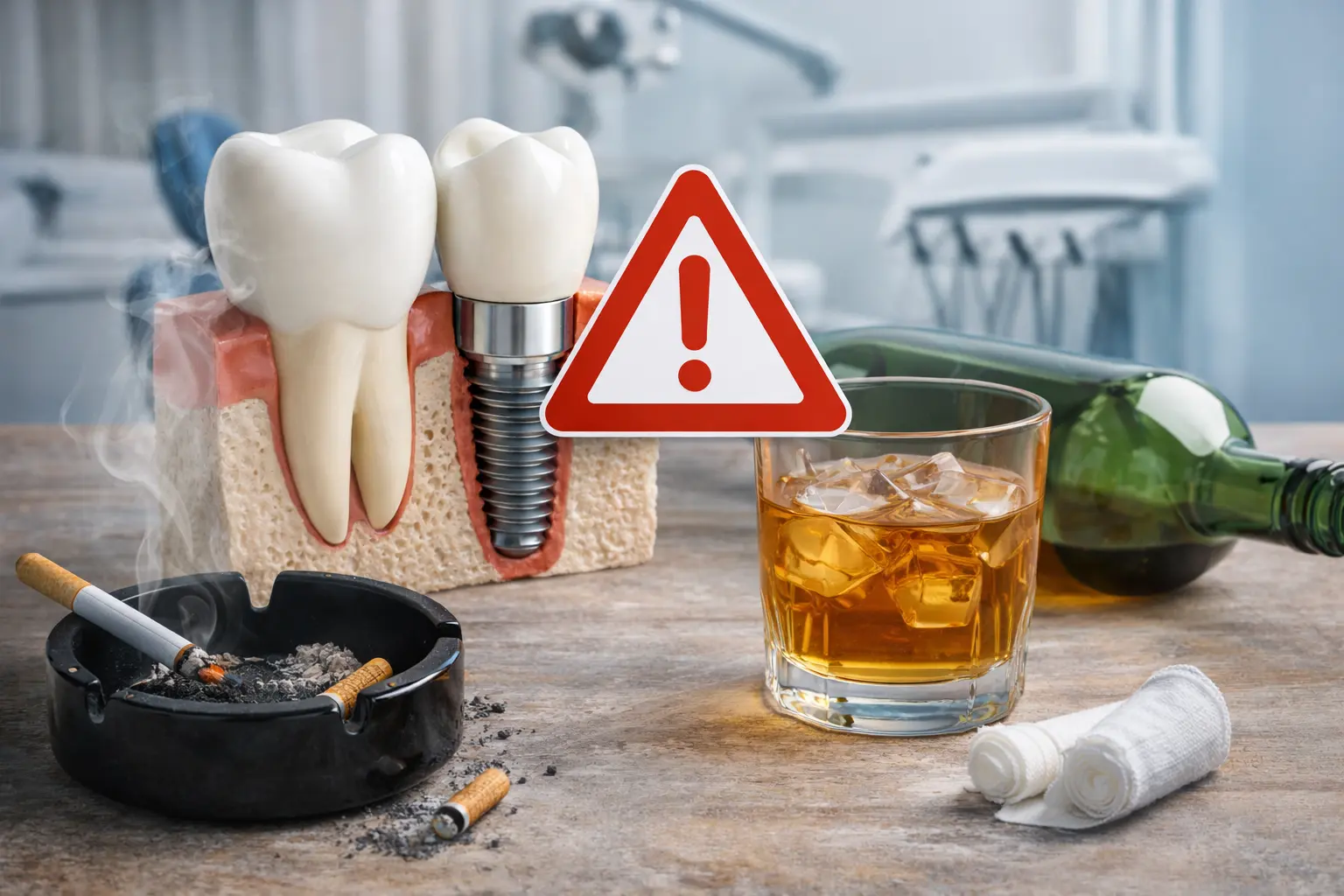
- Alcoholic and caffeinated beverages
With 25 years of experience, we provide services in international standards using the latest technologies and our expert team in implant dental treatment. As Esteworld, we efficiently manage the implant treatment process with our specialist doctors and help you achieve the best results with our personalised treatment services. You can contact us to achieve a perfect smile and to get detailed information about implant dental treatment.