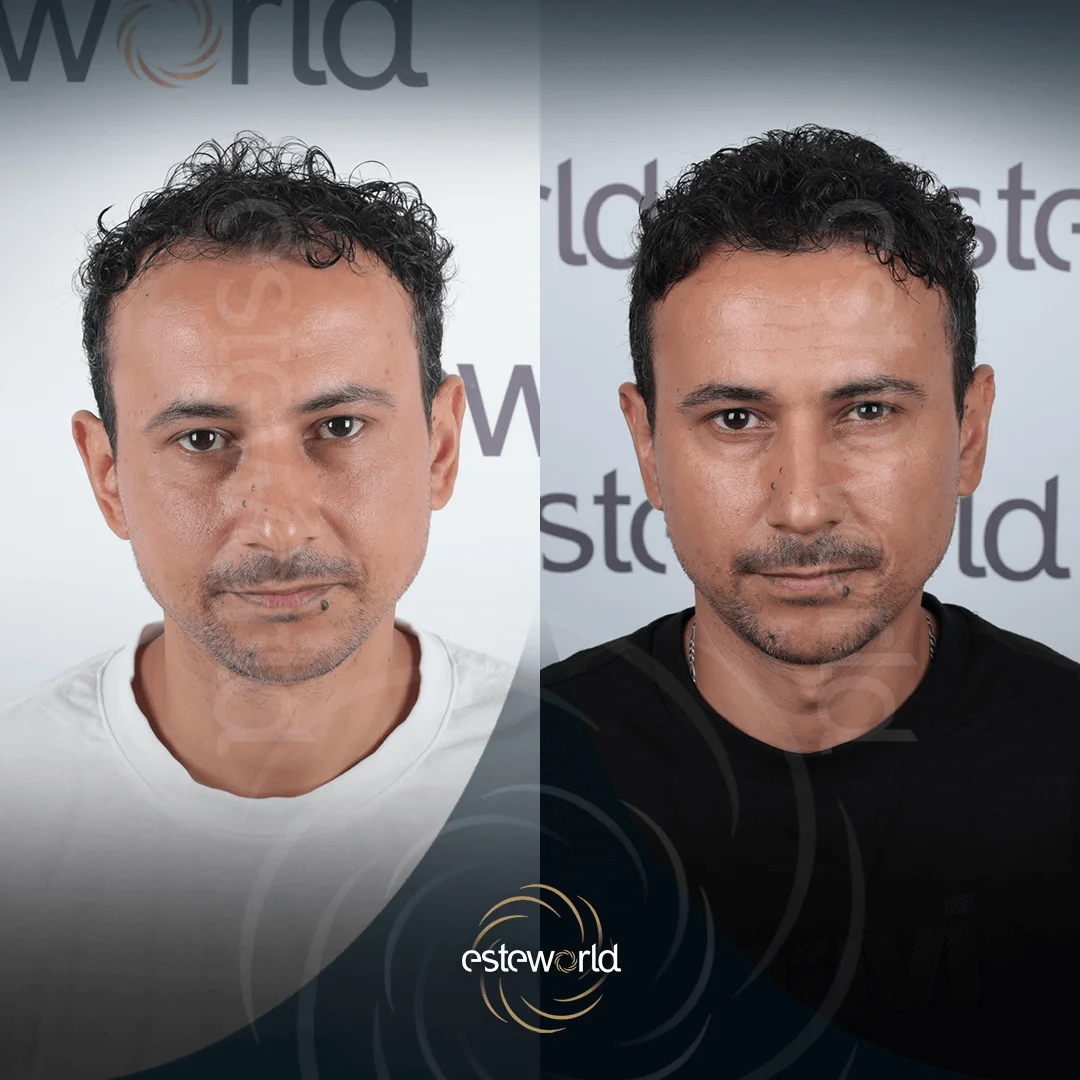
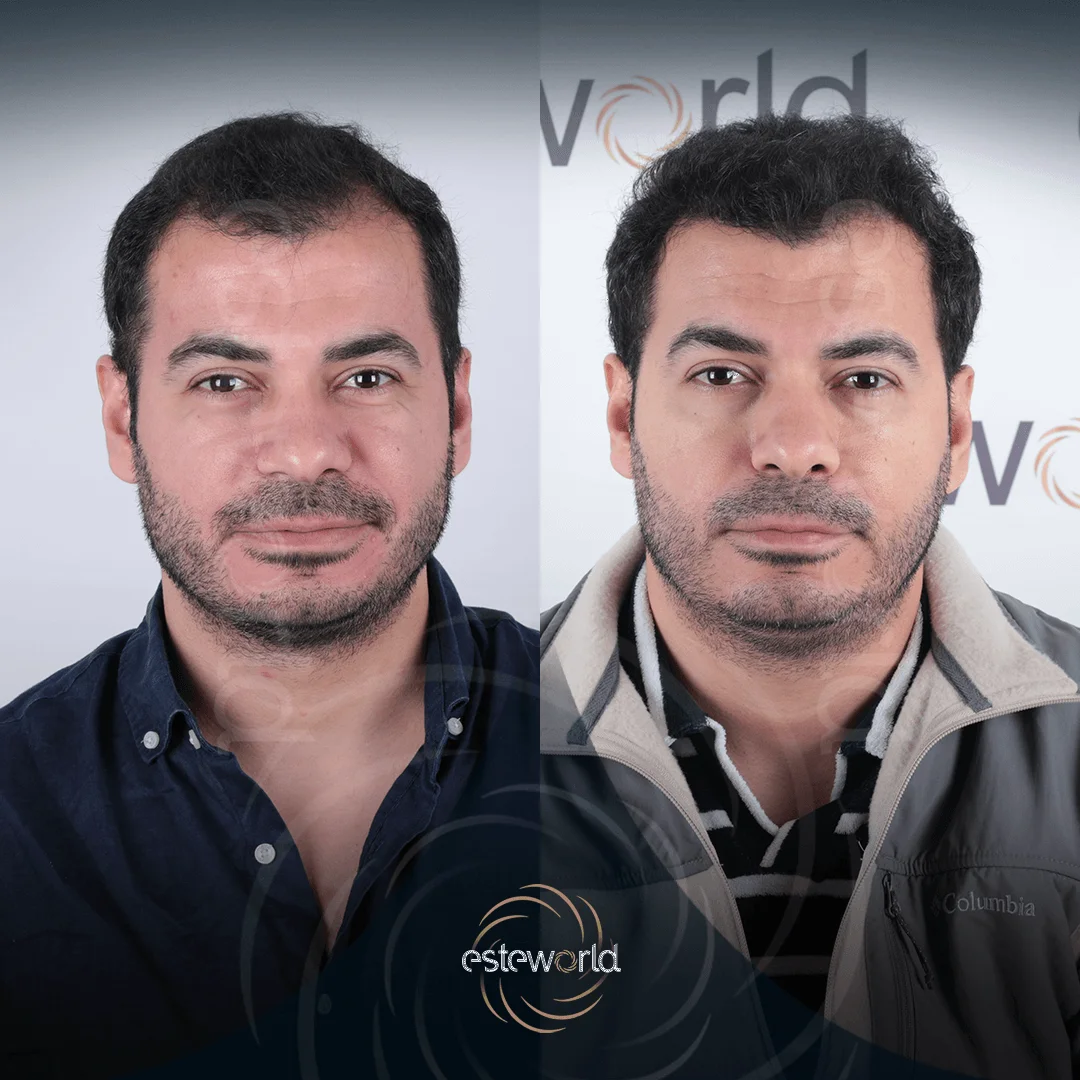
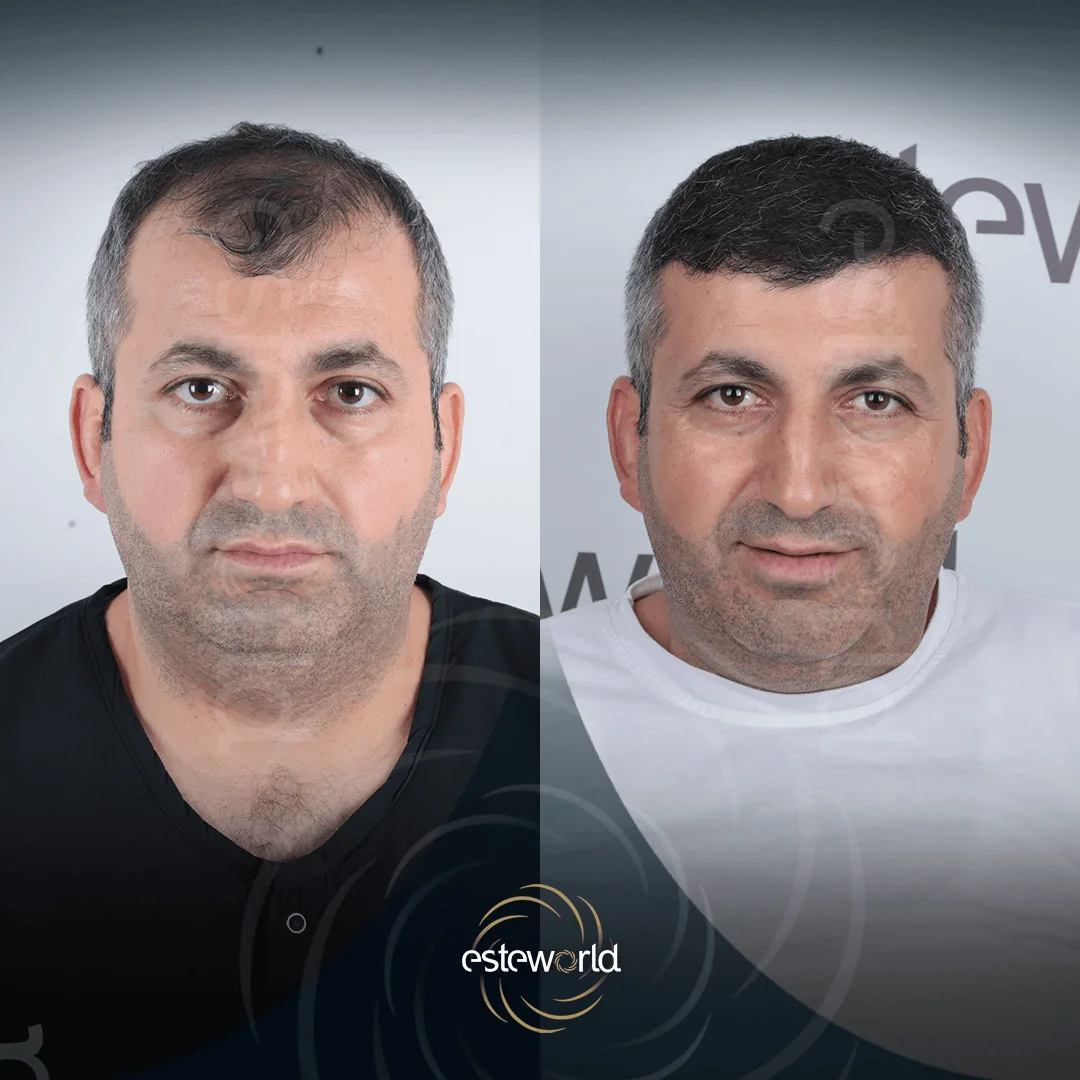
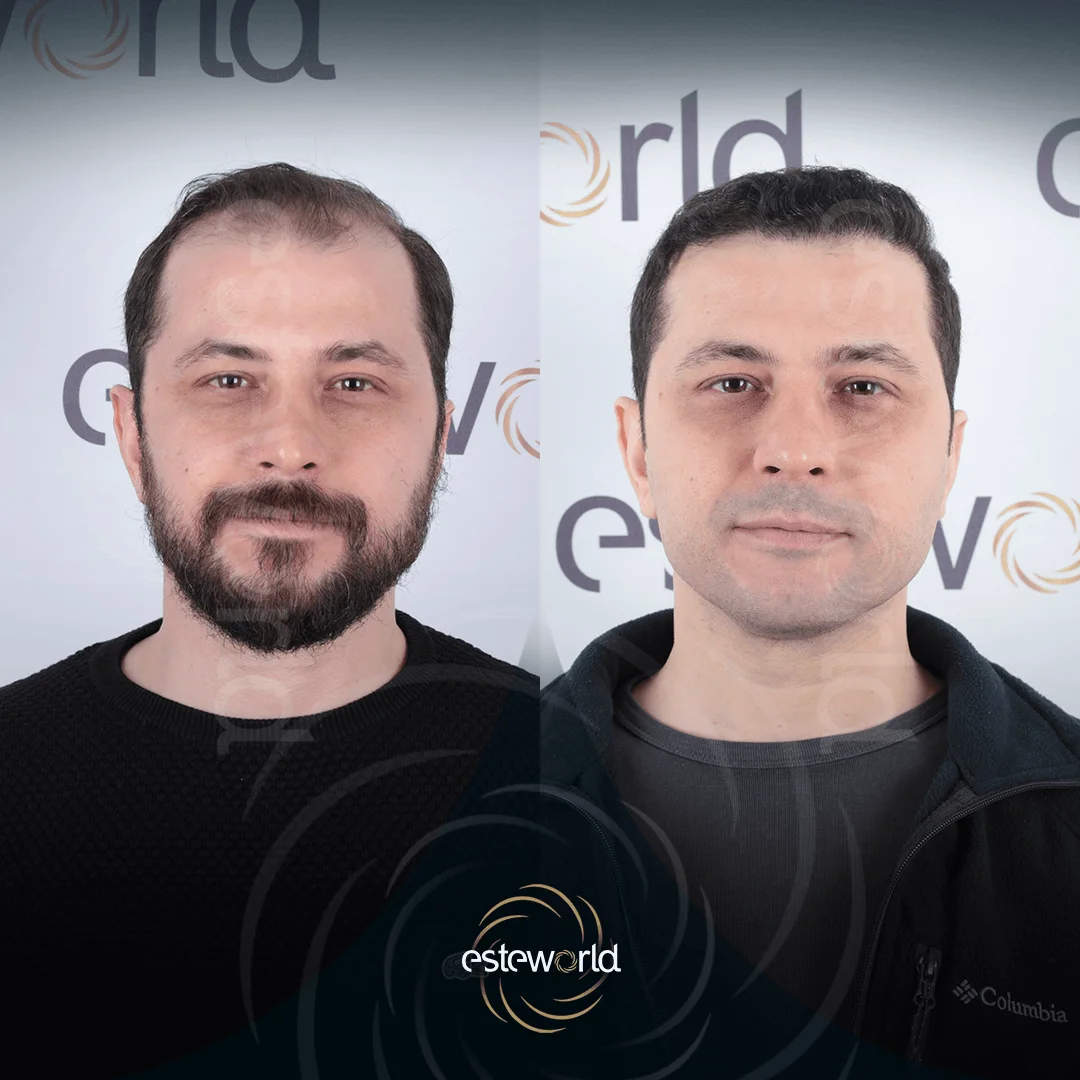
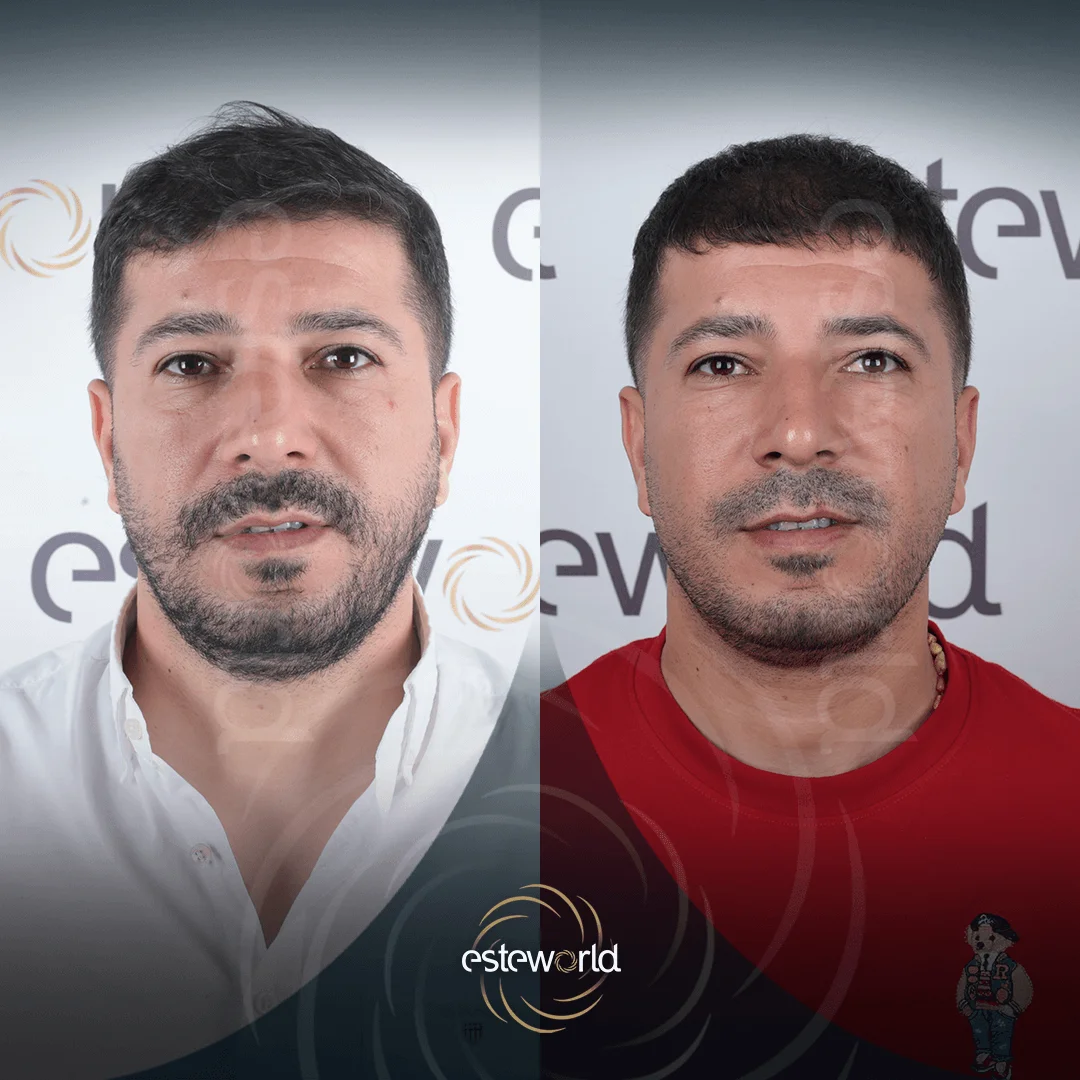
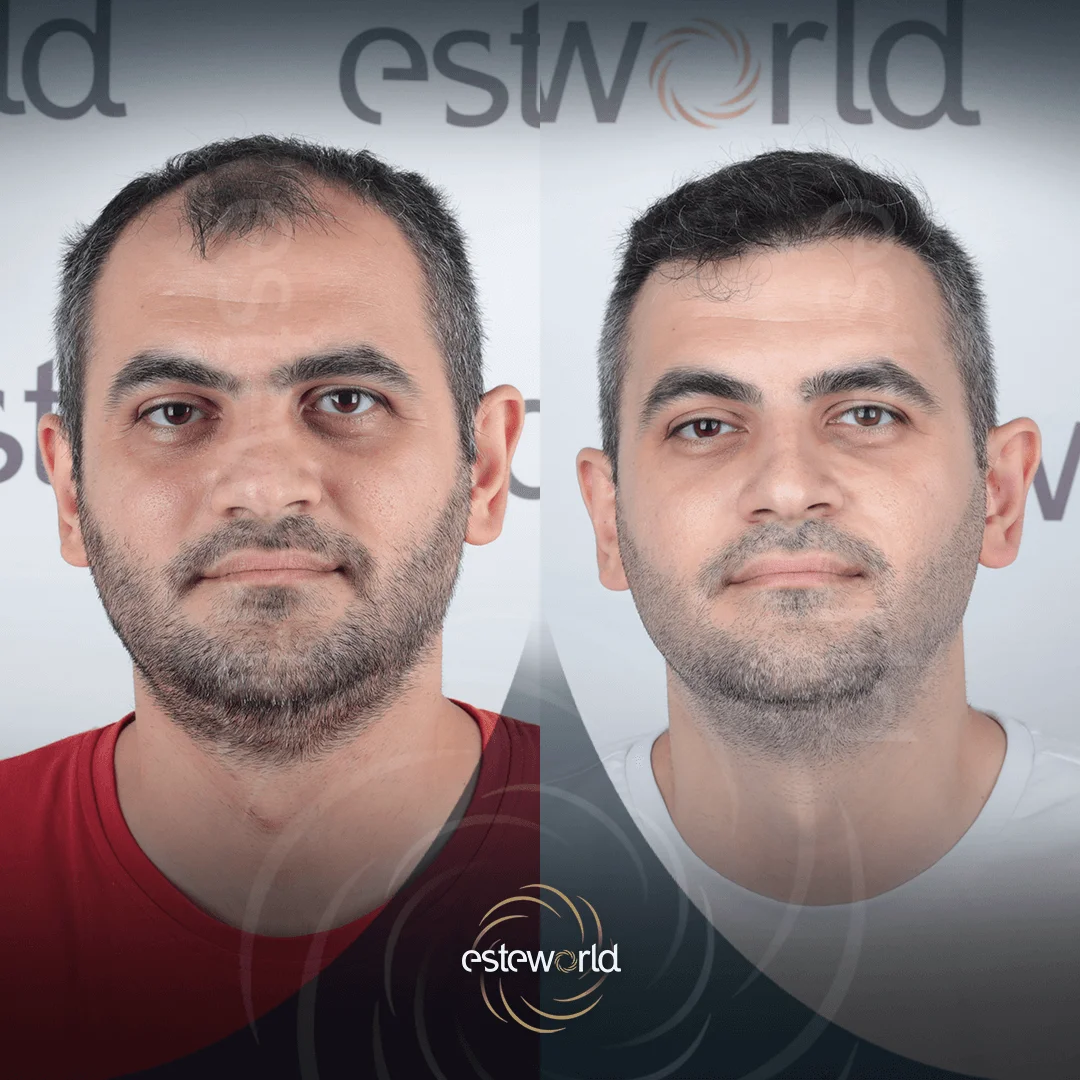
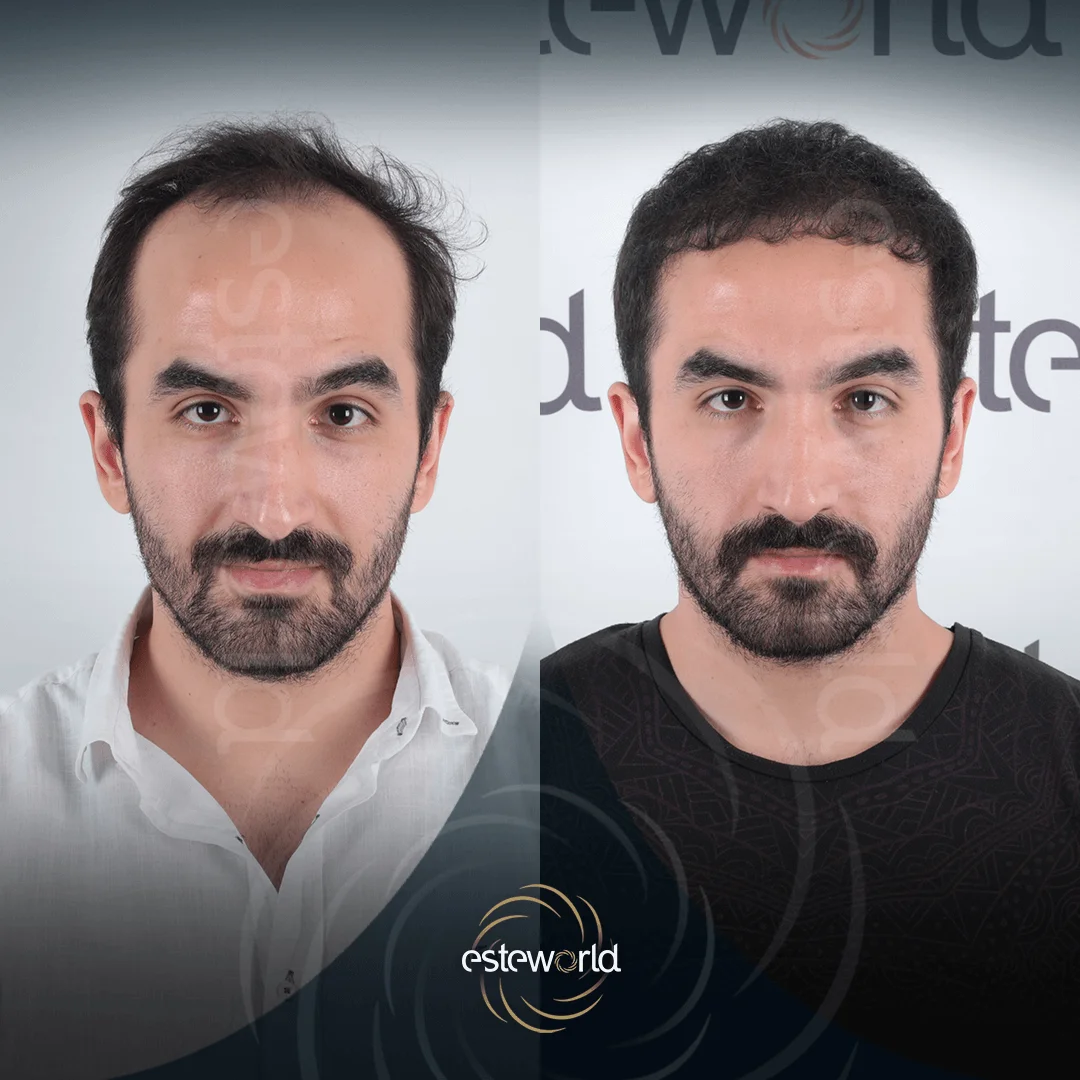
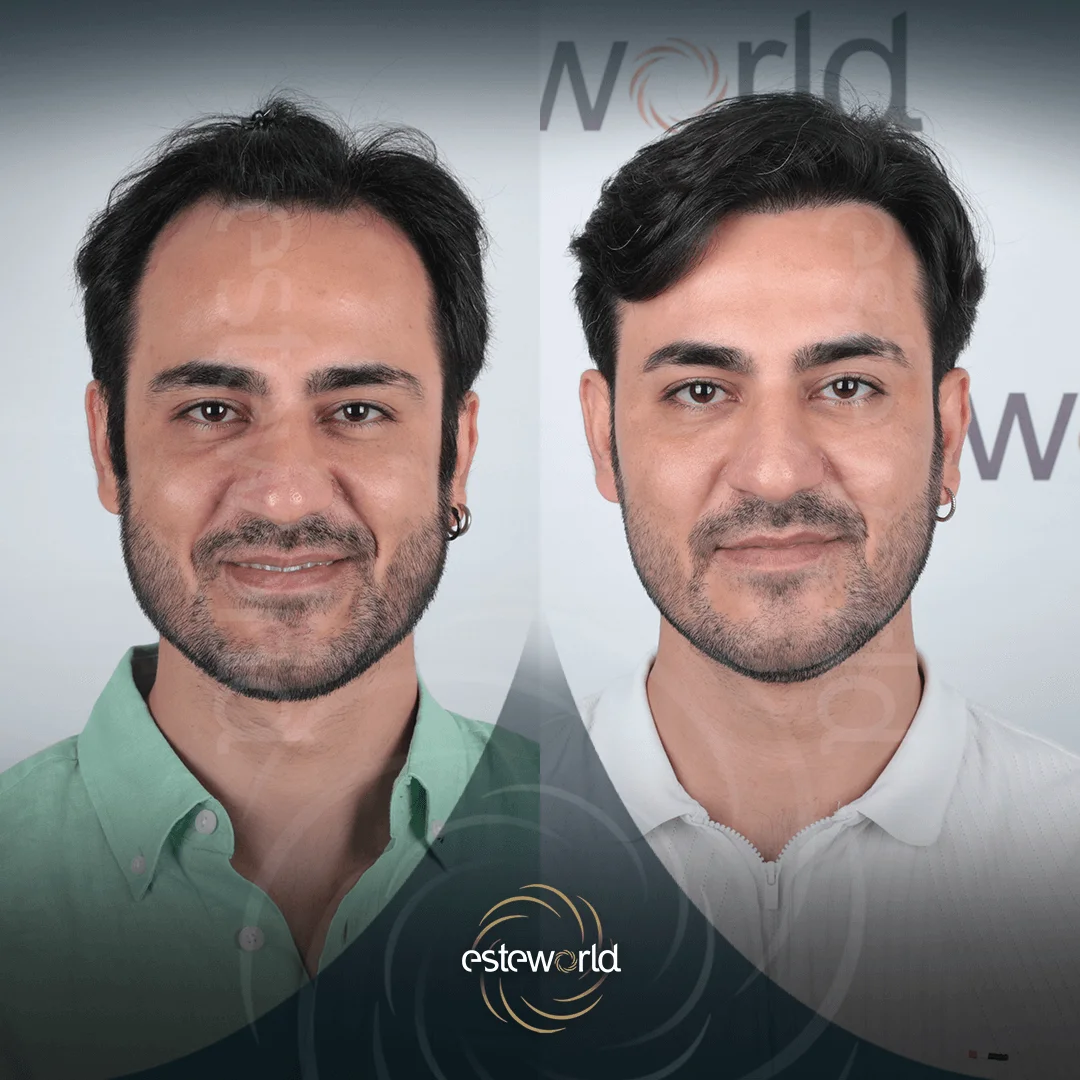
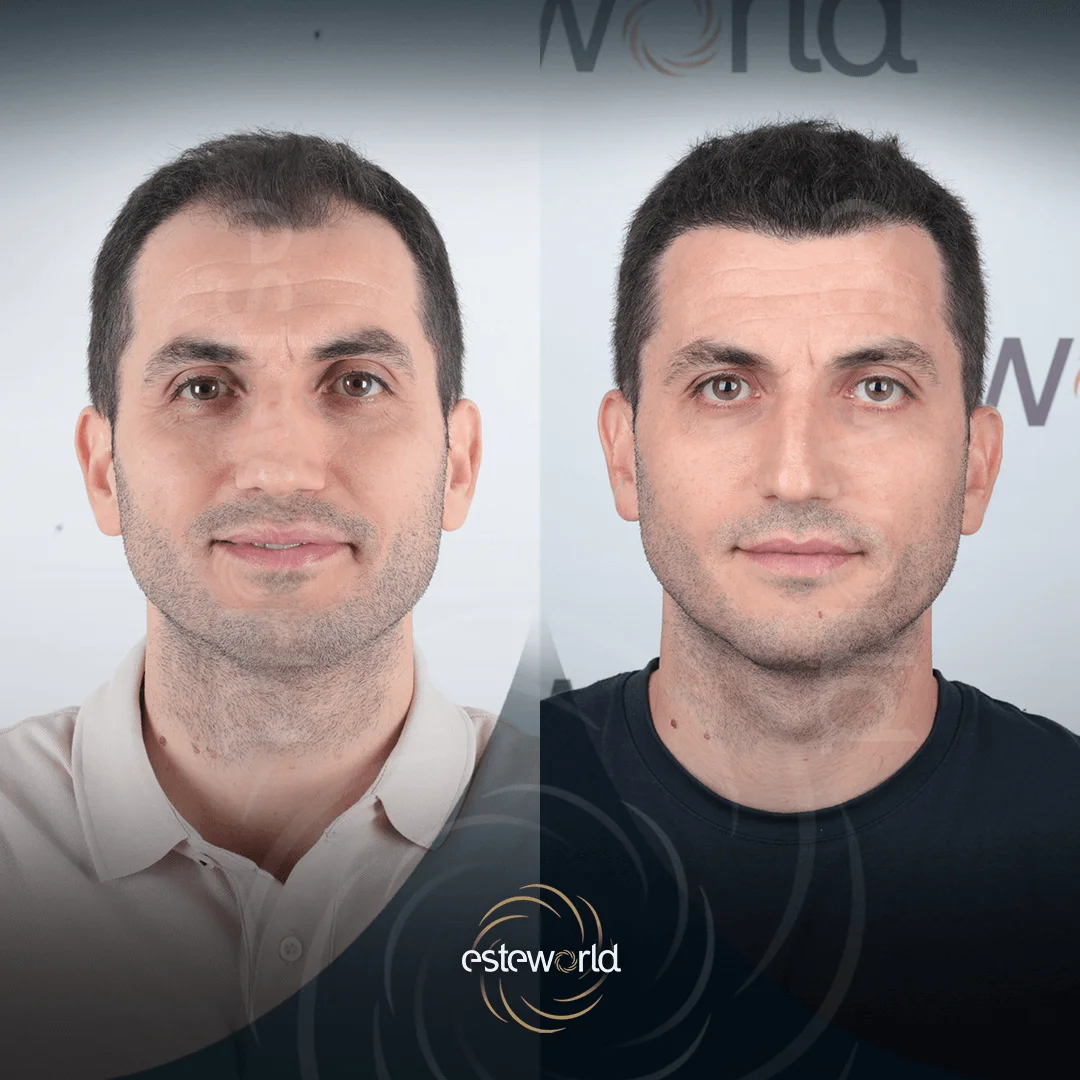
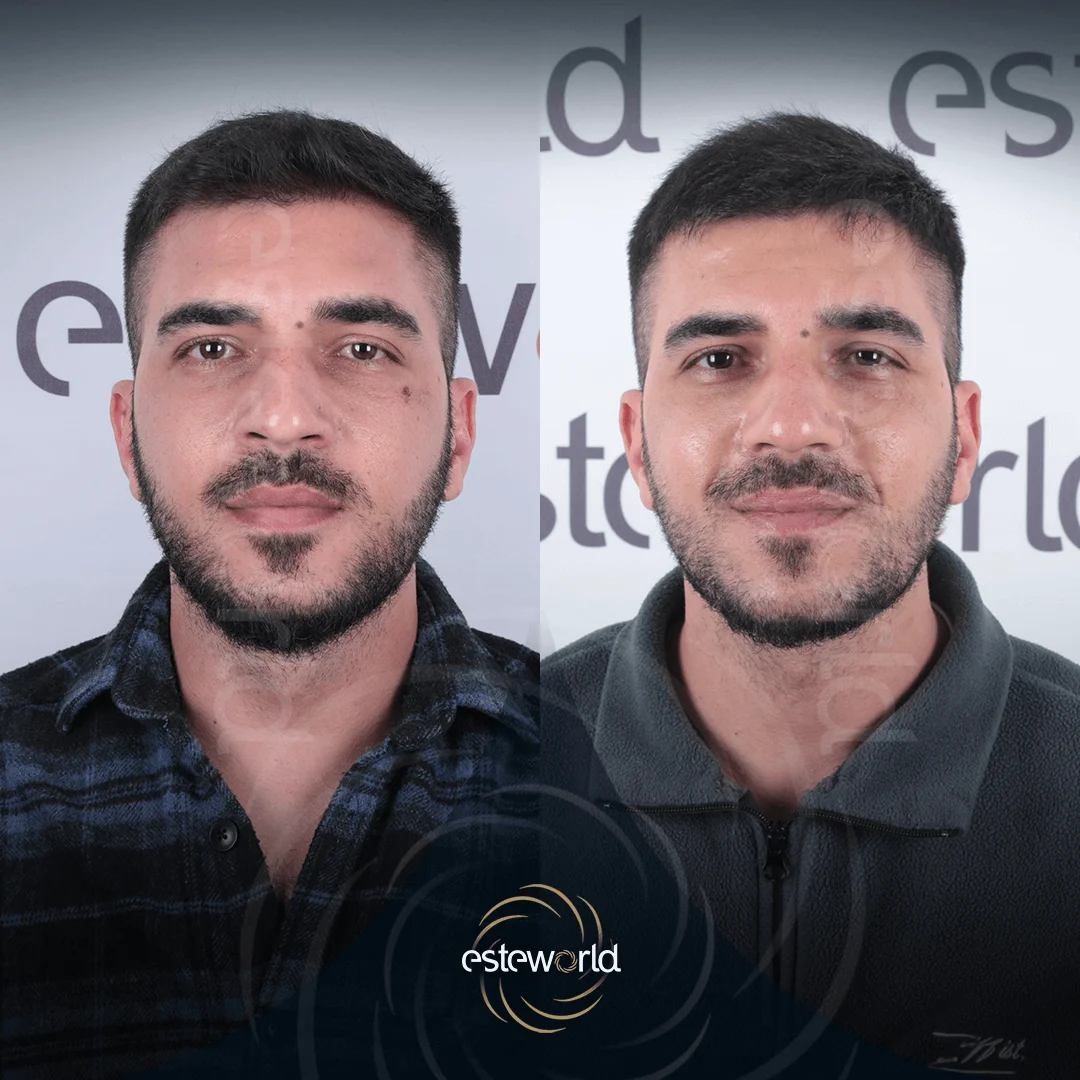
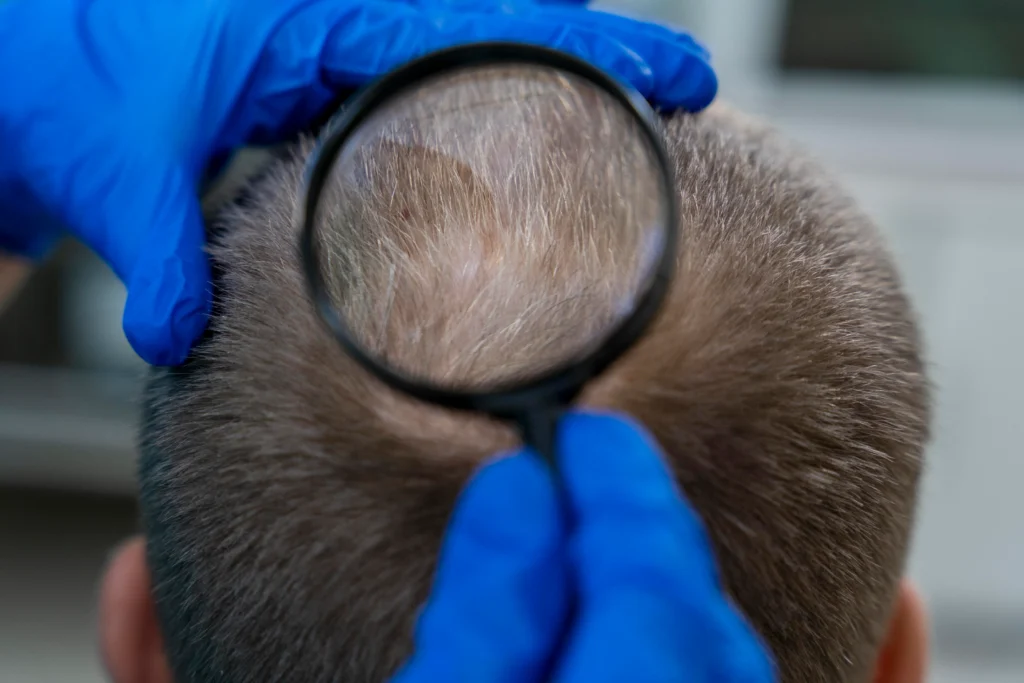
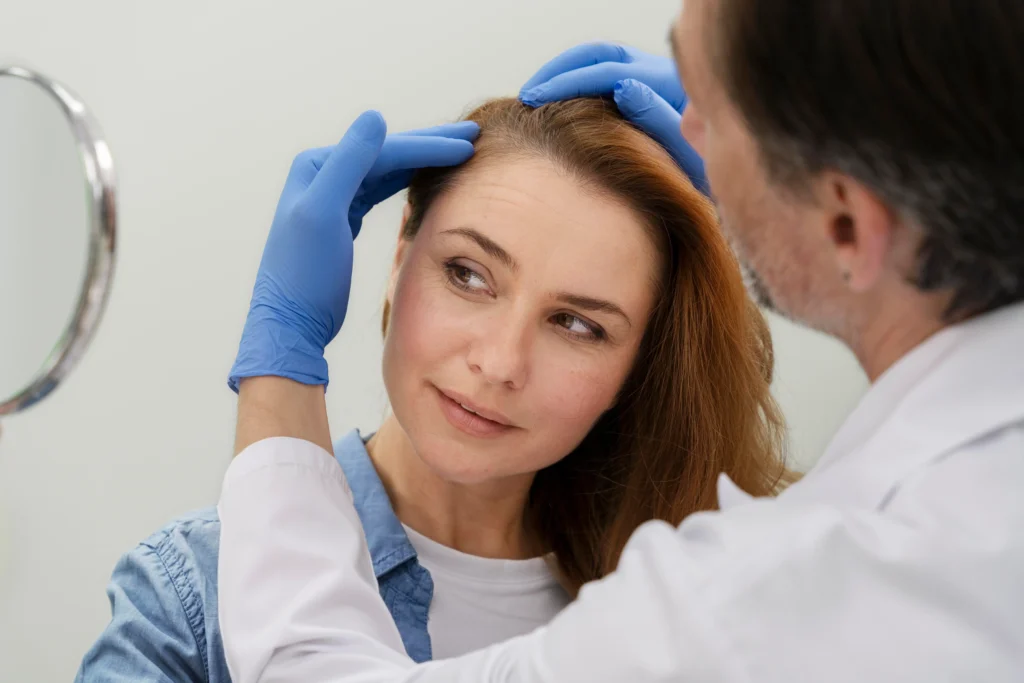
Hair loss affects both men and women at different stages of life and for many different reasons. Genetics, hormonal changes, stress, ageing, nutritional deficiencies, and medical conditions can all contribute to thinning hair or visible baldness. In 2026, hair restoration options continue to expand, ranging from medical therapies and scalp treatments to advanced hair transplant techniques.
However, not every treatment works the same way for every person. The best hair loss treatment often depends on the cause of hair thinning, the severity of hair loss, donor hair quality, and long-term expectations. Understanding the advantages and limitations of each option is one of the most important parts of making an informed decision.
Hair loss treatments for men and women include medical therapies, PRP, exosome applications, mesotherapy, laser treatments, and modern hair transplant techniques such as FUE and DHI. The most suitable option depends on hair loss type, age, scalp condition, and long-term hair restoration goals.
Why Hair Loss Has Become a Bigger Topic in 2026
Hair loss has always existed, but the conversation around it has changed significantly over the past decade. Earlier generations often accepted thinning hair as an unavoidable part of ageing. Today, both men and women are far more likely to explore treatment options early.
One reason for this change is visibility. Social media, high-resolution photography, video calls, and online content have increased awareness of appearance-related concerns. Many people now notice gradual thinning earlier than before.
Another factor is the increasing accessibility of hair restoration technologies. Treatments that once seemed limited to celebrities or specialised clinics are now discussed openly in everyday life.
In 2026, patients are no longer only asking, “Can hair loss be treated?” They are also asking more detailed questions such as:
- Which hair loss treatment gives natural results?
- Is PRP enough for thinning hair?
- Are hair transplants permanent?
- What treatment works best for women?
- Can early hair loss be reversed?
The answers depend on understanding the type and cause of hair loss first.
What Causes Hair Loss in Men and Women?
Hair loss is not always caused by the same factor. This is one of the biggest misconceptions surrounding the topic.
In men, androgenetic alopecia remains one of the most common causes. This pattern usually begins with recession around the temples or thinning at the crown area.
Women, however, often experience more diffuse thinning across the scalp rather than clear bald patches. Hormonal fluctuations, stress, pregnancy, menopause, and nutritional deficiencies can all influence female hair density.
Some of the most common causes include:
| Hair Loss Cause | Common in Men | Common in Women |
| Genetic hair loss | Very common | Common |
| Hormonal changes | Moderate | Very common |
| Stress-related shedding | Common | Common |
| Nutritional deficiencies | Moderate | Common |
| Medical conditions | Moderate | Moderate |
| Aggressive hairstyling | Rare | Common |
Understanding the root cause matters because the best treatment for genetic hair loss may not work for temporary shedding caused by stress or nutritional imbalance.
Medical Hair Loss Treatments in 2026
Medical therapies continue to play an important role in modern hair restoration plans. These treatments are often recommended during early-stage hair loss or as supportive care after hair transplant surgery.
Two of the most widely discussed medications remain Minoxidil and Finasteride.
Minoxidil is commonly used to support blood circulation around hair follicles and may help prolong the hair growth cycle. It is available in topical forms and is used by both men and women in different concentrations.
Finasteride is generally prescribed for male pattern hair loss because it targets DHT, one of the hormones linked to follicle miniaturisation.
Medical treatments may help slow progression, but results vary between individuals. Some people respond well, while others notice only limited improvement.
Consistency is also important. Many medical therapies require regular use over several months before visible changes appear.
PRP Hair Treatment: Does It Really Work?
PRP, or Platelet-Rich Plasma therapy, continues to be one of the most researched supportive hair treatments in 2026.
The process involves collecting a small blood sample, separating platelet-rich plasma, and injecting it into the scalp.
Platelets contain growth factors that may support scalp circulation and follicle activity. PRP is commonly used for:
- Early hair thinning
- Supporting weak hair follicles
- Post-hair transplant recovery
- Seasonal shedding periods
Some patients notice improved hair quality and reduced shedding after several sessions. However, PRP is not usually considered a replacement for hair transplant surgery in advanced baldness cases.
Results often depend on the condition of existing follicles. Completely inactive follicles may not respond the same way as weakened but still living follicles.
Exosome Hair Therapy in 2026
Exosome hair therapy has become one of the newest topics in regenerative hair treatments. Although still evolving, many clinics now include exosome applications within broader hair restoration protocols.
Exosomes are microscopic extracellular vesicles involved in cellular communication. In hair treatments, they are being explored for their regenerative potential.
Interest in exosome therapy increased because many patients now prefer non-surgical approaches before considering transplantation.
However, it is important to understand that exosome therapy is not a guaranteed solution for severe baldness. Research is still developing, and outcomes may vary significantly.
Most specialists view exosome applications as supportive rather than standalone permanent solutions.
Hair Mesotherapy for Thinning Hair
Hair mesotherapy involves injecting vitamins, amino acids, minerals, and supportive ingredients directly into the scalp.
The goal is to improve scalp condition and support weaker follicles.
This treatment is often preferred by patients experiencing:
| Common Reasons for Mesotherapy | Why Patients Choose It |
| Seasonal shedding | Temporary support |
| Stress-related thinning | Scalp nourishment |
| Weak hair quality | Hair strengthening |
| Early-stage hair loss | Preventive approach |
Mesotherapy is frequently combined with PRP or other supportive therapies. It is generally considered less invasive than surgery, although multiple sessions may be required.
Low-Level Laser Therapy for Hair Loss
Low-Level Laser Therapy, often called LLLT, remains another non-surgical option in 2026.
This treatment uses light energy to stimulate follicle activity and scalp circulation.
Laser devices are now available in clinics as well as home-use systems such as laser caps and combs.
Patients often prefer LLLT because it is painless and does not involve injections or surgery. However, results are usually gradual and more noticeable in mild to moderate thinning cases.
FUE Hair Transplant: The Most Popular Surgical Option
FUE hair transplant continues to dominate the hair restoration field in 2026.
FUE, or Follicular Unit Extraction, involves removing individual grafts from the donor area and implanting them into thinning or bald regions.
One reason for its popularity is natural-looking results. Modern FUE planning focuses heavily on:
- Natural hairline design
- Correct graft angle placement
- Donor preservation
- Long-term density planning
Unlike older techniques, FUE avoids a large linear scar because follicles are extracted individually.
Patients often choose FUE for frontal hairline restoration, crown area repair, beard transplantation, and corrective surgeries.
DHI Hair Transplant: How Is It Different?
DHI, or Direct Hair Implantation, is often discussed alongside FUE because both techniques use follicular extraction principles.
The main difference lies in implantation.
In DHI procedures, grafts are often implanted using specialised implanter pens that may allow more controlled placement.
Some clinics promote DHI as offering denser results, although the final outcome still depends heavily on surgical planning and medical experience.
The best technique is not always universal. Some patients may benefit more from traditional FUE planning, while others may be suitable candidates for DHI approaches.
Hair Transplant for Women
Female hair transplant procedures are becoming increasingly common.
Women often experience different hair loss patterns compared to men. Instead of complete baldness, many develop diffuse thinning, widened part lines, or temporal recession.
Hair transplant surgery for women requires careful evaluation because donor quality and existing hair density are crucial.
In some cases, non-surgical treatments may be recommended before considering surgery.
Modern female hair restoration plans often focus on maintaining natural density rather than creating aggressive hairlines.
Hair Loss Treatments for Women: The Most Popular Methods in 2026
Hair loss in women is often emotionally different from male hair loss because women usually experience diffuse thinning rather than complete baldness. Many female patients notice widening part lines, reduced ponytail volume, or thinning around the frontal hairline before they see visible scalp exposure.
For this reason, female hair restoration planning often focuses on preserving existing density while creating a natural appearance.
One of the biggest changes in 2026 is the growing number of women choosing advanced hair restoration procedures that allow discreet recovery and more personalised planning.
Unshaven Hair Transplant for Women
Unshaven hair transplant procedures have become increasingly popular among female patients who want to avoid visible shaving during recovery.
In traditional hair transplant procedures, donor areas are often shaved to allow easier graft extraction. However, many women prefer to keep their existing hairstyle private during the healing process.
With unshaven hair transplant techniques, selected donor areas can sometimes be hidden beneath surrounding hair. This allows many patients to return to social life more comfortably after surgery.
The method is often preferred by women who:
- Want minimal visibility during recovery
- Work in professional environments
- Prefer longer hairstyles
- Want discreet hairline restoration
Although unshaven procedures may require more detailed surgical planning and longer operation times, many women consider the recovery experience more comfortable from a social perspective.
DHI Hair Transplant for Women
DHI hair transplant has become one of the most requested techniques among female patients in recent years.
DHI, or Direct Hair Implantation, involves placing grafts using specialised implantation pens that may allow more controlled density planning.
Women often choose DHI because the technique can support implantation between existing hairs without requiring aggressive shaving in some cases.
This becomes especially important in female diffuse thinning because preserving surrounding native hair is a major part of the planning process.
DHI procedures are commonly preferred for:
| DHI Hair Transplant Areas | Why Women Choose It |
| Hairline restoration | Softer frontal appearance |
| Temple filling | Face framing effect |
| Diffuse thinning | Density support between existing hair |
| Scar concealment | Natural blending |
Natural angle placement is particularly important in female hair transplant planning because harsh or overly straight hairlines may create an unnatural appearance.
Sedation Hair Transplant for Women
Sedation-assisted hair transplant procedures have also become increasingly popular in 2026.
Many patients feel anxious about long surgical sessions, injections, or remaining awake during treatment. Sedation techniques aim to improve comfort and reduce procedural anxiety.
Unlike general anaesthesia, sedation is generally used to help patients feel calmer and more relaxed while still maintaining controlled medical monitoring.
Women who choose sedation hair transplant procedures often mention comfort as one of the biggest advantages.
This approach may be considered for patients who:
- Feel nervous about surgery
- Have anxiety related to medical procedures
- Prefer a more relaxed treatment experience
- Are undergoing larger graft sessions
The suitability of sedation depends on individual medical evaluation and should always be discussed with qualified healthcare professionals.
Beard and Eyebrow Hair Transplants
Hair restoration is no longer limited to the scalp. Modern hair transplant procedures now include beard and eyebrow restoration techniques designed to support more balanced and natural facial aesthetics.
Beard transplantation has become increasingly popular among men looking for fuller and denser facial hair. Eyebrow transplantation is also widely requested by both women and men experiencing sparse brows caused by genetics, excessive plucking, burns, trauma, or scarring.
These procedures require a highly detailed approach because facial hair direction, angle, and density directly affect natural appearance. Unlike scalp hair transplantation, facial hair restoration demands much more precise graft placement.
Especially in eyebrow transplantation, angle placement is one of the most critical parts of the procedure. Eyebrow hairs naturally grow at very low and soft angles against the skin, so incorrect implantation can create an artificial appearance.
In recent years, Micro Brow eyebrow transplant technology has become one of the most advanced approaches in eyebrow restoration. This specialised technique focuses on creating softer transitions, more controlled density planning, and highly natural eyebrow direction design.
Micro Brow eyebrow transplantation is currently performed in only three centres worldwide, and Esteworld is the only clinic in Türkiye offering this advanced eyebrow restoration technique.
This method is particularly preferred by patients looking for natural-looking eyebrow density without the artificial appearance sometimes associated with permanent makeup or microblading procedures.
Women experiencing thinning eyebrows after years of overplucking, hormonal changes, or failed cosmetic procedures are among the most common candidates for Micro Brow eyebrow transplantation.
Which Hair Loss Treatment Is Best?
There is no single treatment that works best for everyone.
The ideal approach depends on:
| Factor | Why It Matters |
| Hair loss type | Different causes require different solutions |
| Age | Future hair loss planning is important |
| Donor quality | Essential for transplant procedures |
| Hair thickness | Influences visual density |
| Expectations | Realistic goals affect satisfaction |
A patient with temporary stress shedding may not need surgery, while someone with advanced genetic baldness may require transplantation for visible improvement.
This is why personalised evaluation matters more than online trends.
Are Hair Loss Treatments Permanent?
This depends on the treatment type.
Medical therapies and supportive treatments often require ongoing maintenance. Hair transplant procedures, however, usually involve donor follicles that are more resistant to genetic hair loss.
Still, native hair surrounding transplanted grafts may continue thinning over time.
This is why many clinics now focus on long-term hair preservation strategies rather than only short-term cosmetic improvement.
Common Mistakes People Make When Choosing Hair Loss Treatments
One of the biggest mistakes is starting treatment without understanding the actual cause of hair loss.
Another issue is expecting instant results. Hair restoration usually requires patience because follicles follow natural growth cycles.
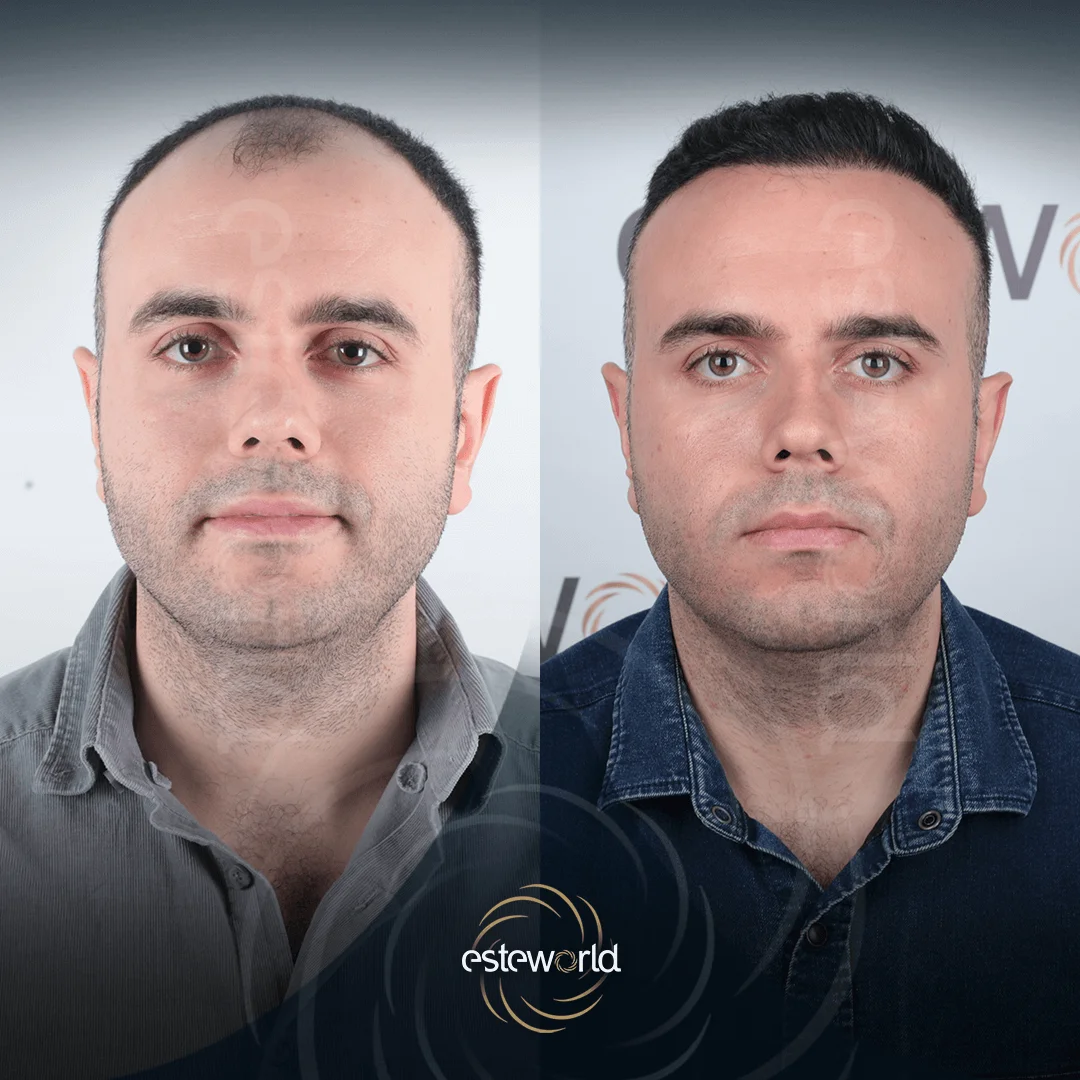
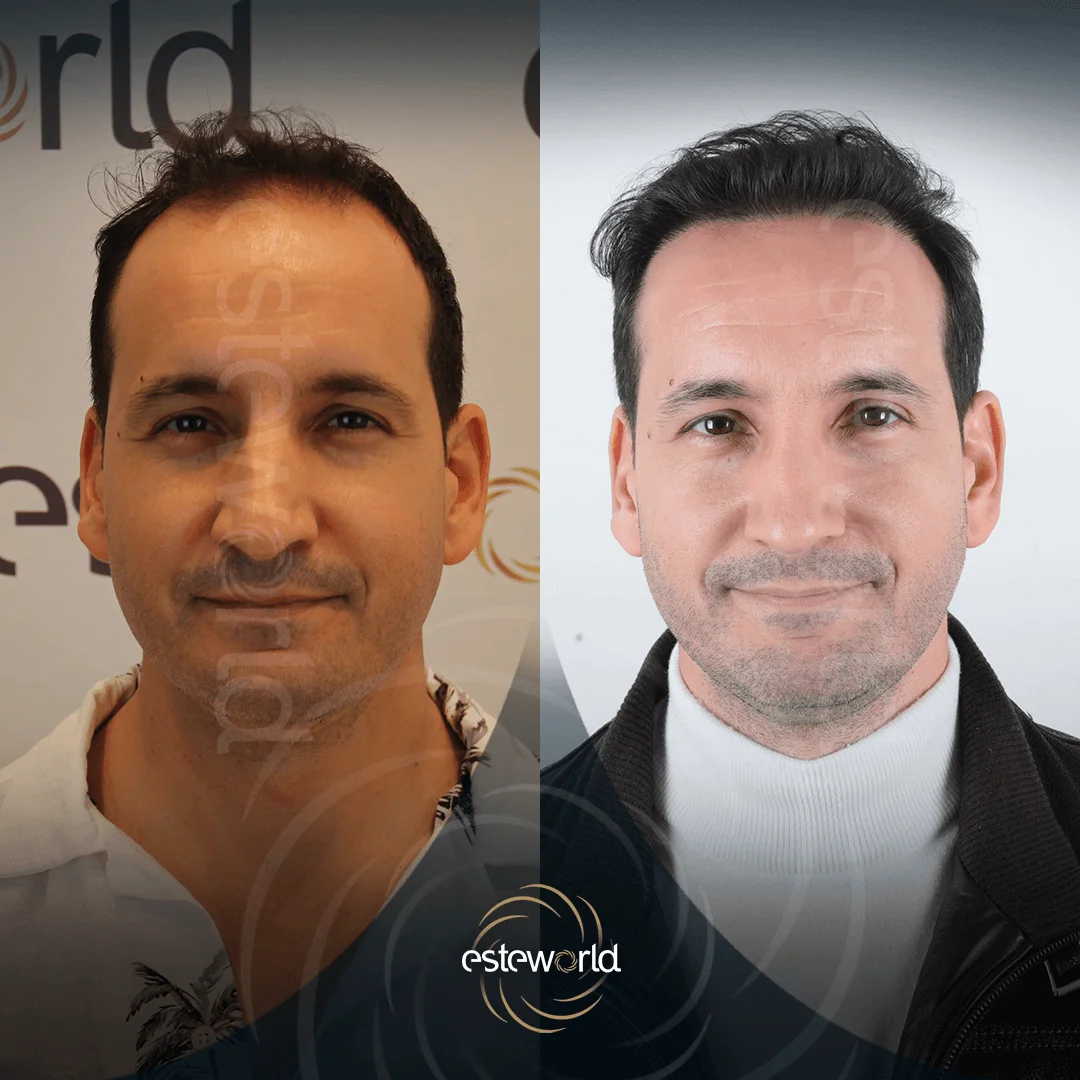
Patients also sometimes rely too heavily on heavily edited social media transformations. Lighting, styling, and image editing can create unrealistic expectations.
Choosing clinics purely based on low pricing can also create long-term problems, especially in hair transplant surgery where donor preservation is critical.
Hair Loss Treatment Costs in 2026
Hair restoration costs vary depending on the type of treatment, number of sessions, clinic reputation, and country.
Below is a general overview:
| Treatment | Typical Cost Range |
| PRP Therapy | Moderate |
| Mesotherapy | Moderate |
| Exosome Therapy | Higher |
| FUE Hair Transplant | Moderate to High |
| DHI Hair Transplant | Higher |
Türkiye remains one of the leading destinations for hair restoration because of experienced medical teams and comparatively competitive pricing.
However, treatment quality should always be prioritised over price alone.
Hair loss treatment in 2026 is more advanced and personalised than ever before. From medical therapies and regenerative scalp treatments to advanced FUE and DHI transplantation techniques, patients now have far more options than previous generations.
Still, successful outcomes depend on proper diagnosis, realistic expectations, and long-term planning.
The best treatment is not necessarily the newest or the most expensive. It is the option that suits the individual’s scalp condition, hair loss pattern, and future goals most appropriately.
People considering treatment should focus on medically guided evaluation rather than social media hype alone.