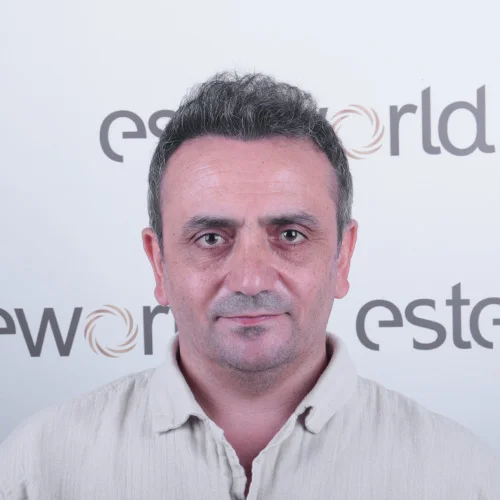
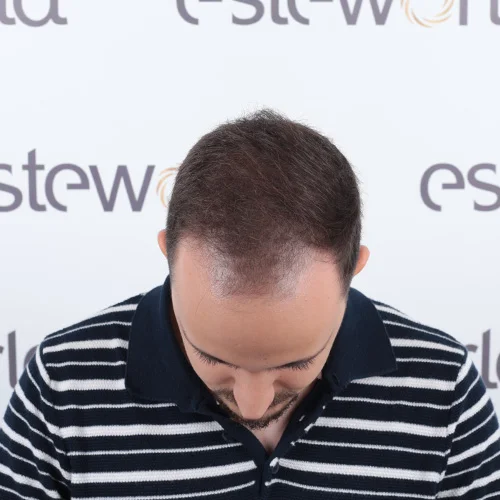
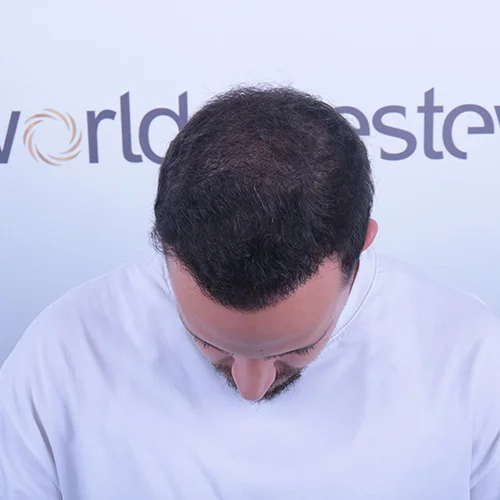
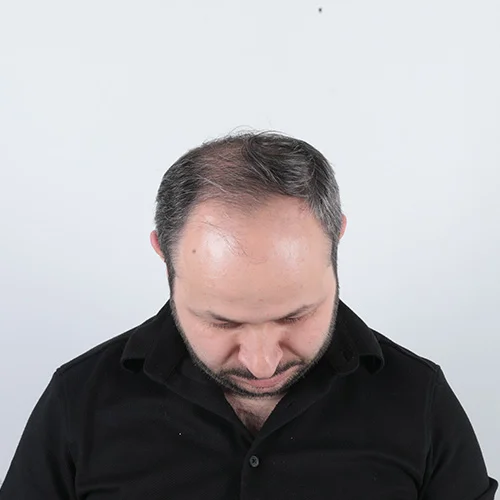
Hair Transplant Before and After: Real Patient Results from Turkey
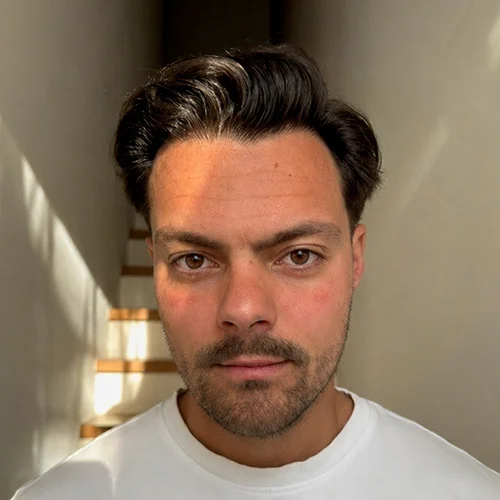
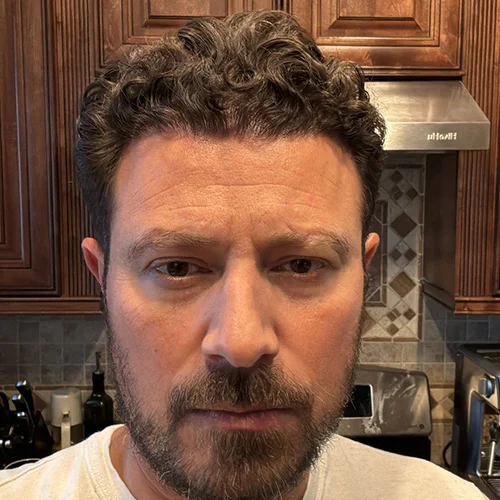
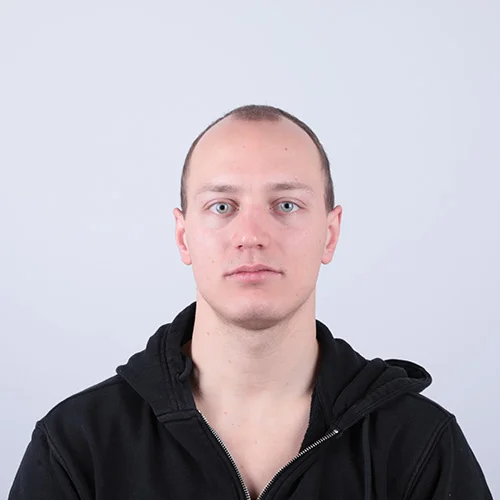
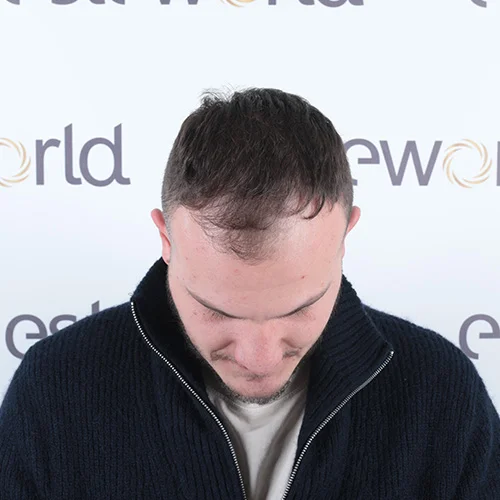
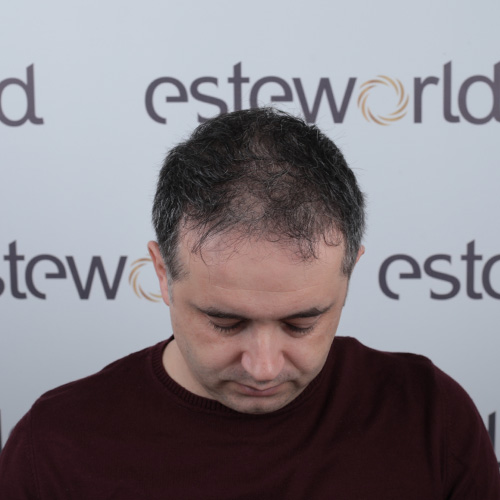
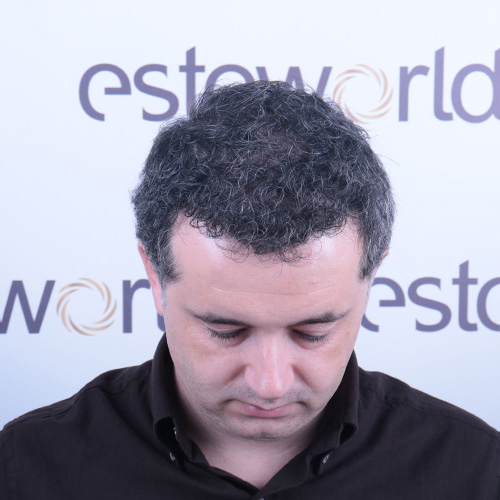
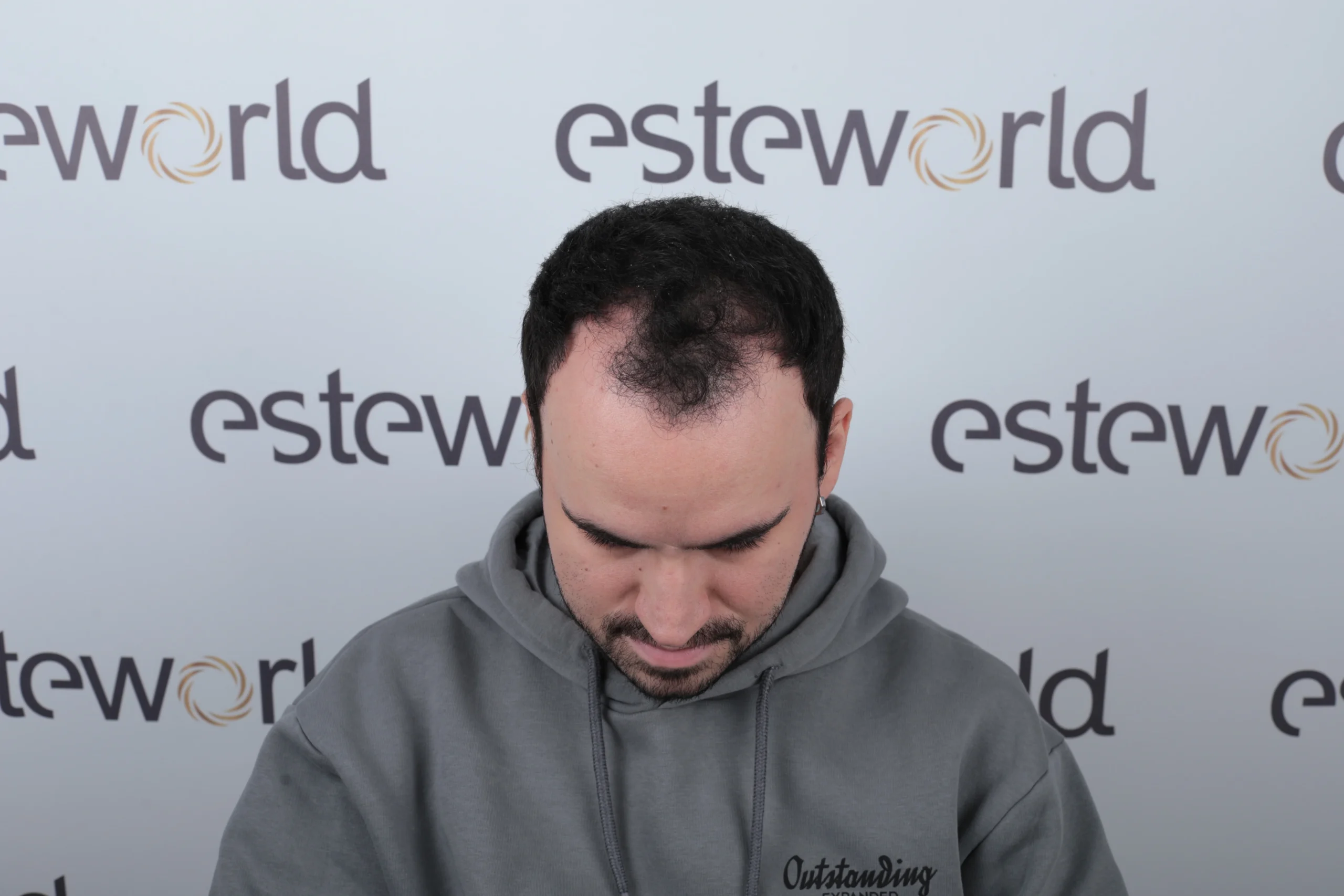
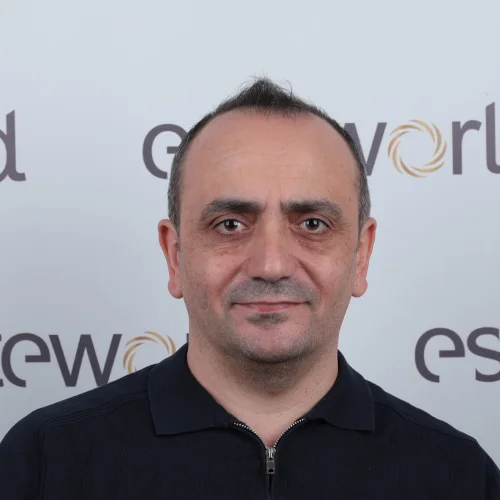
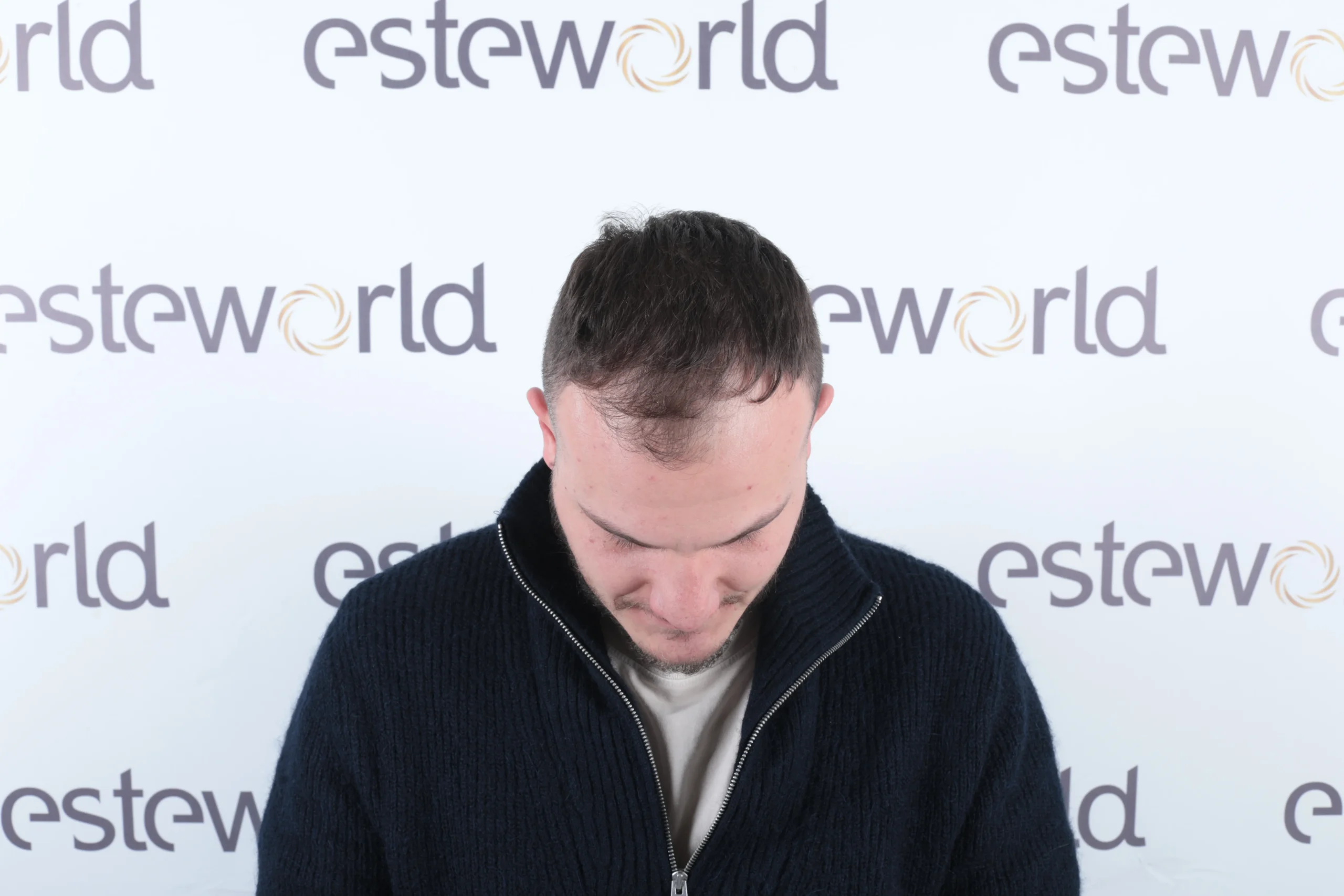
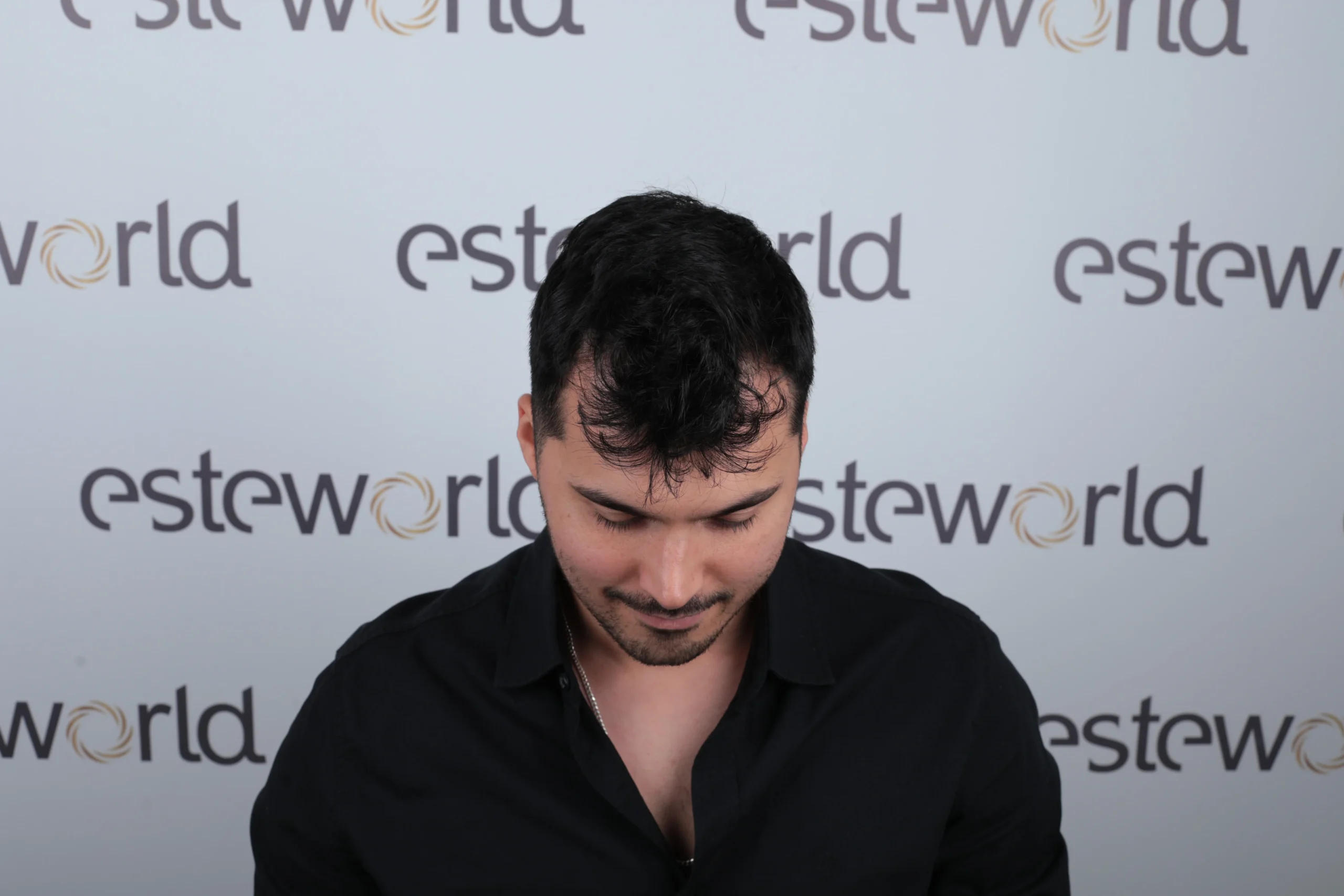
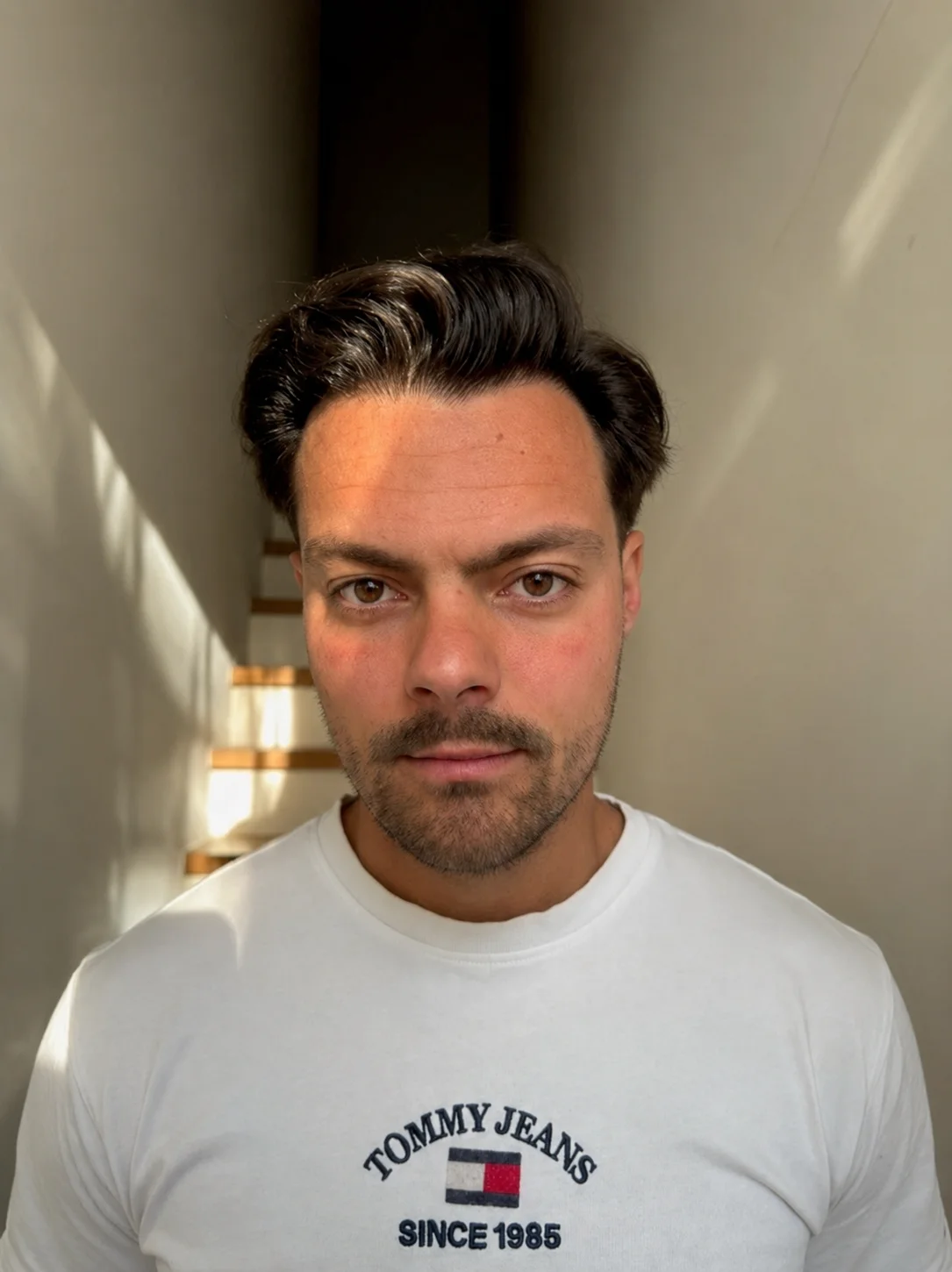
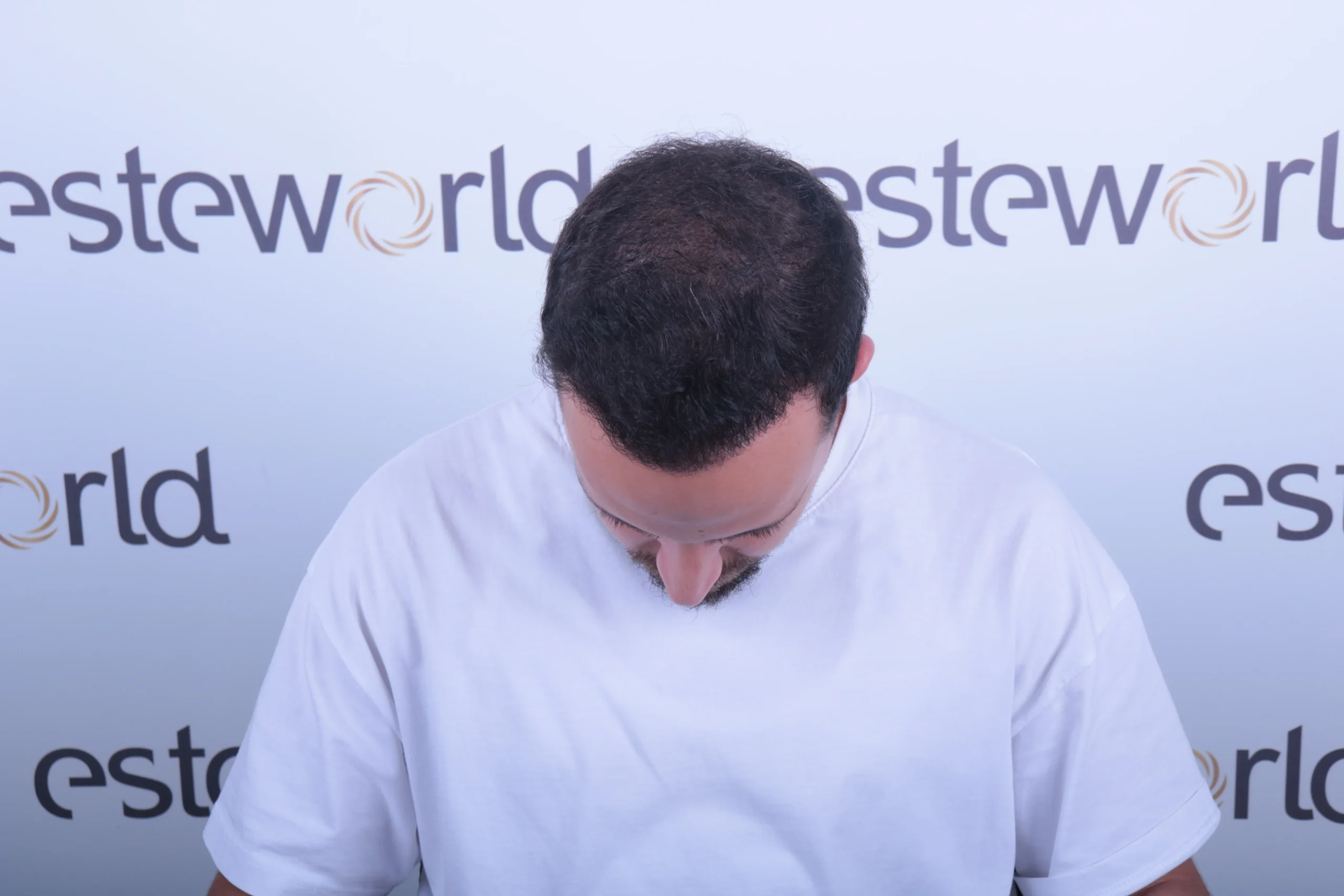
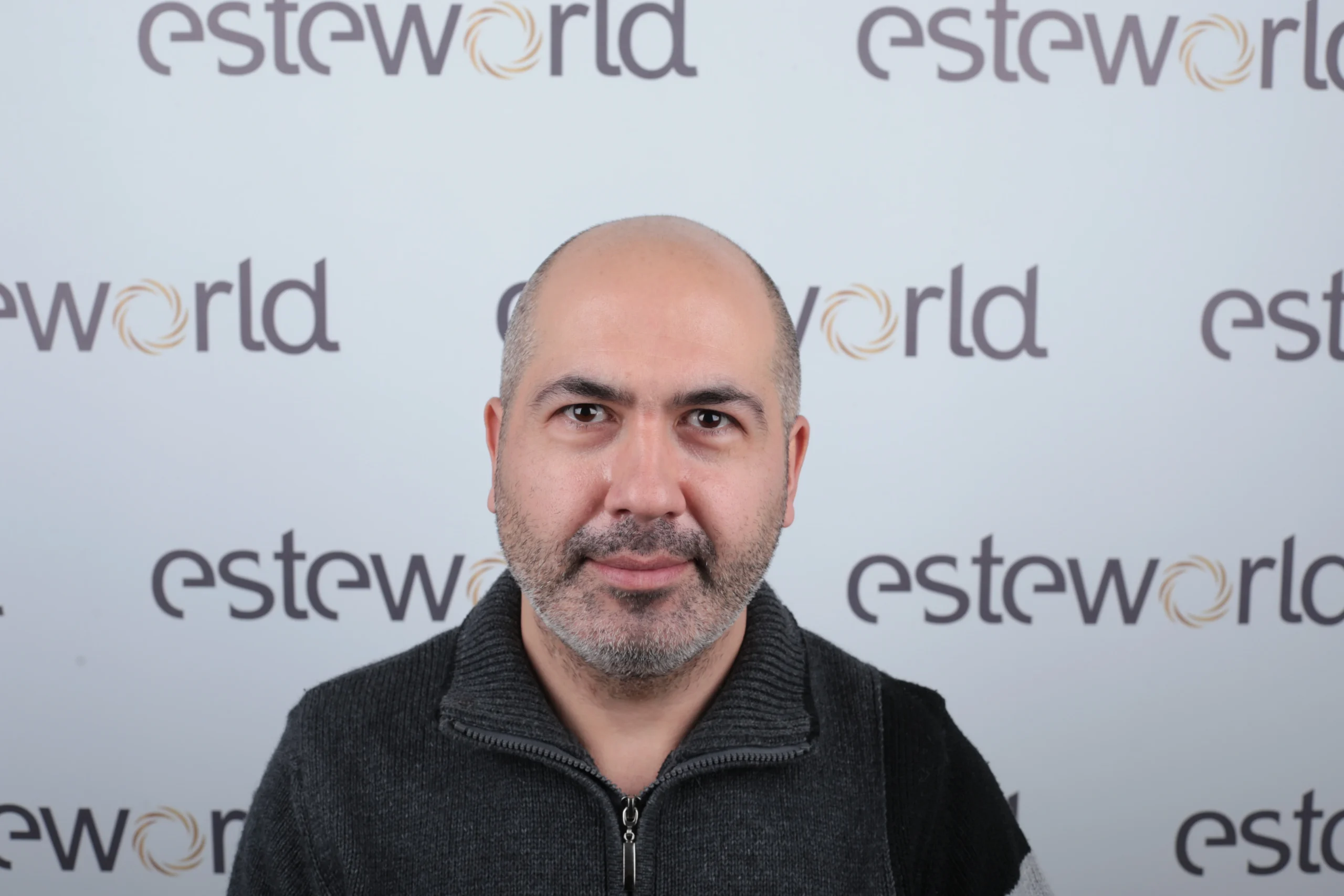
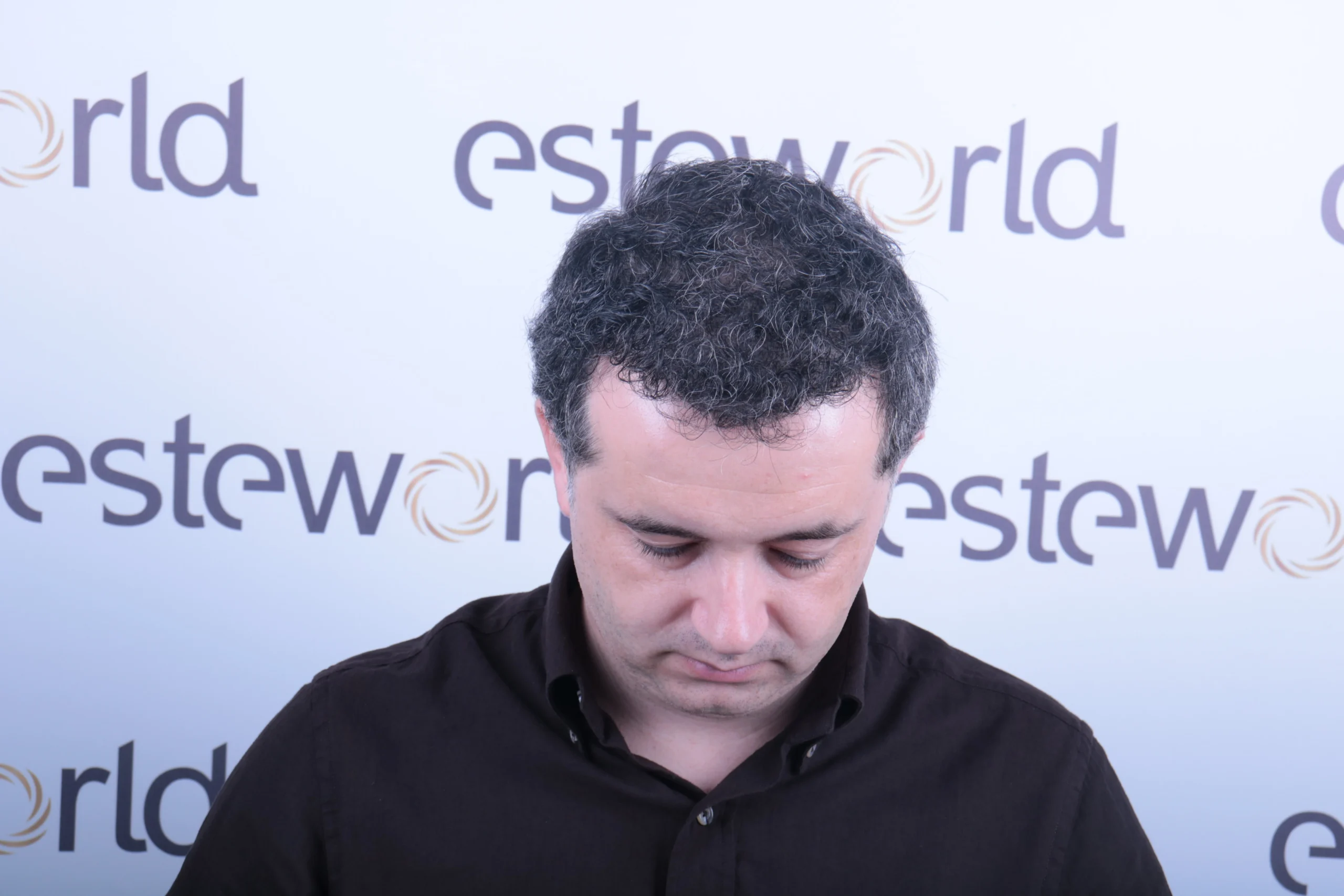
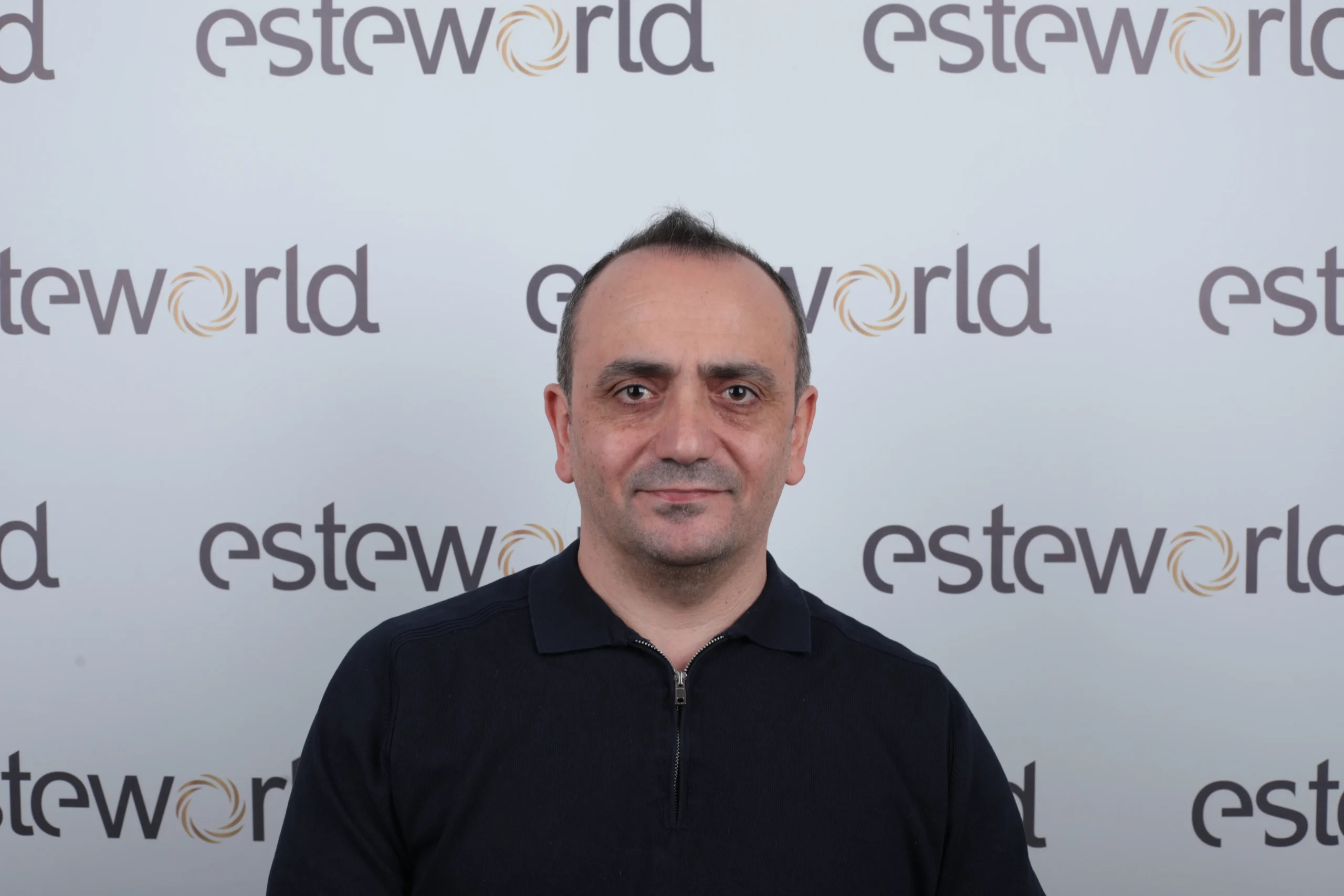
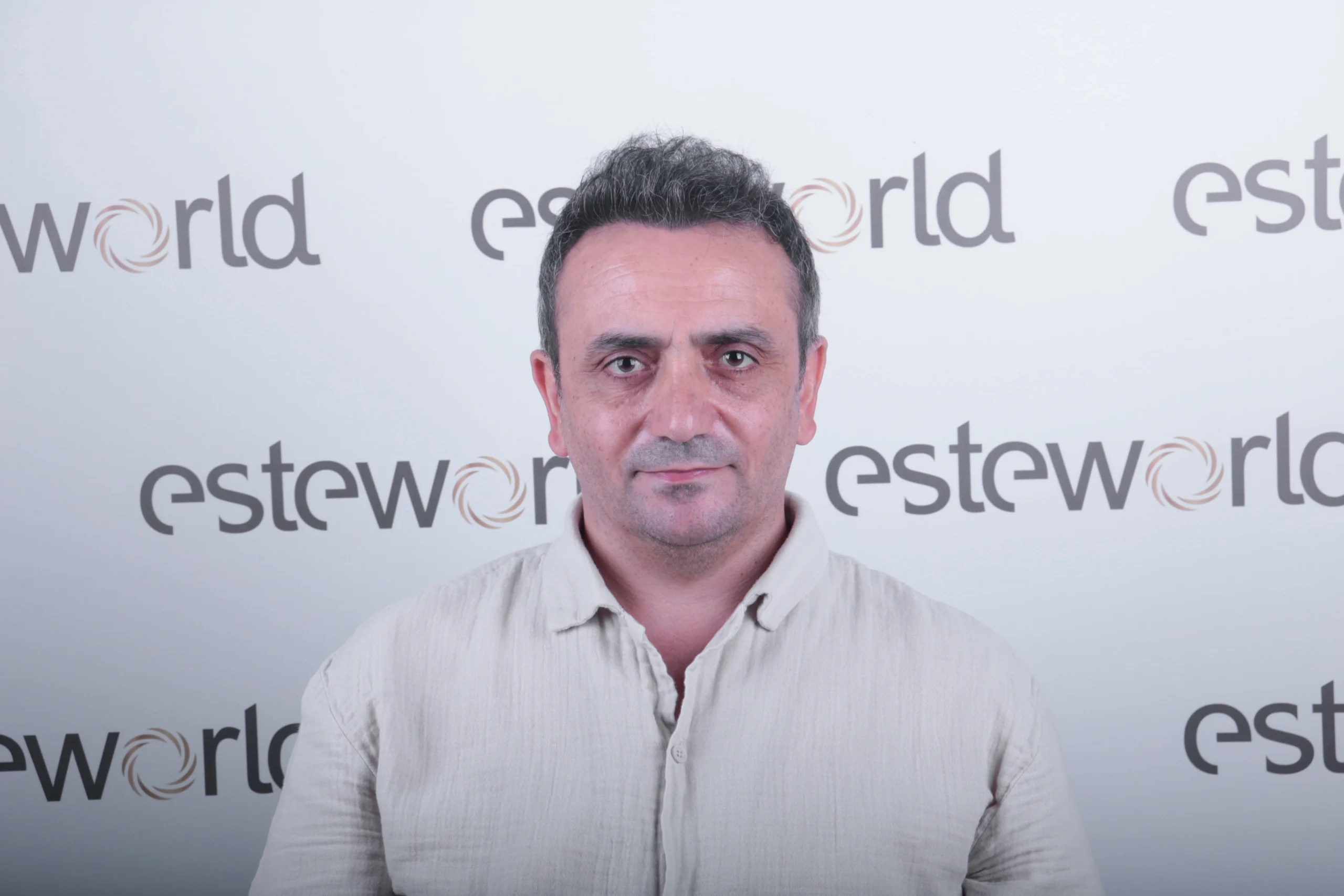
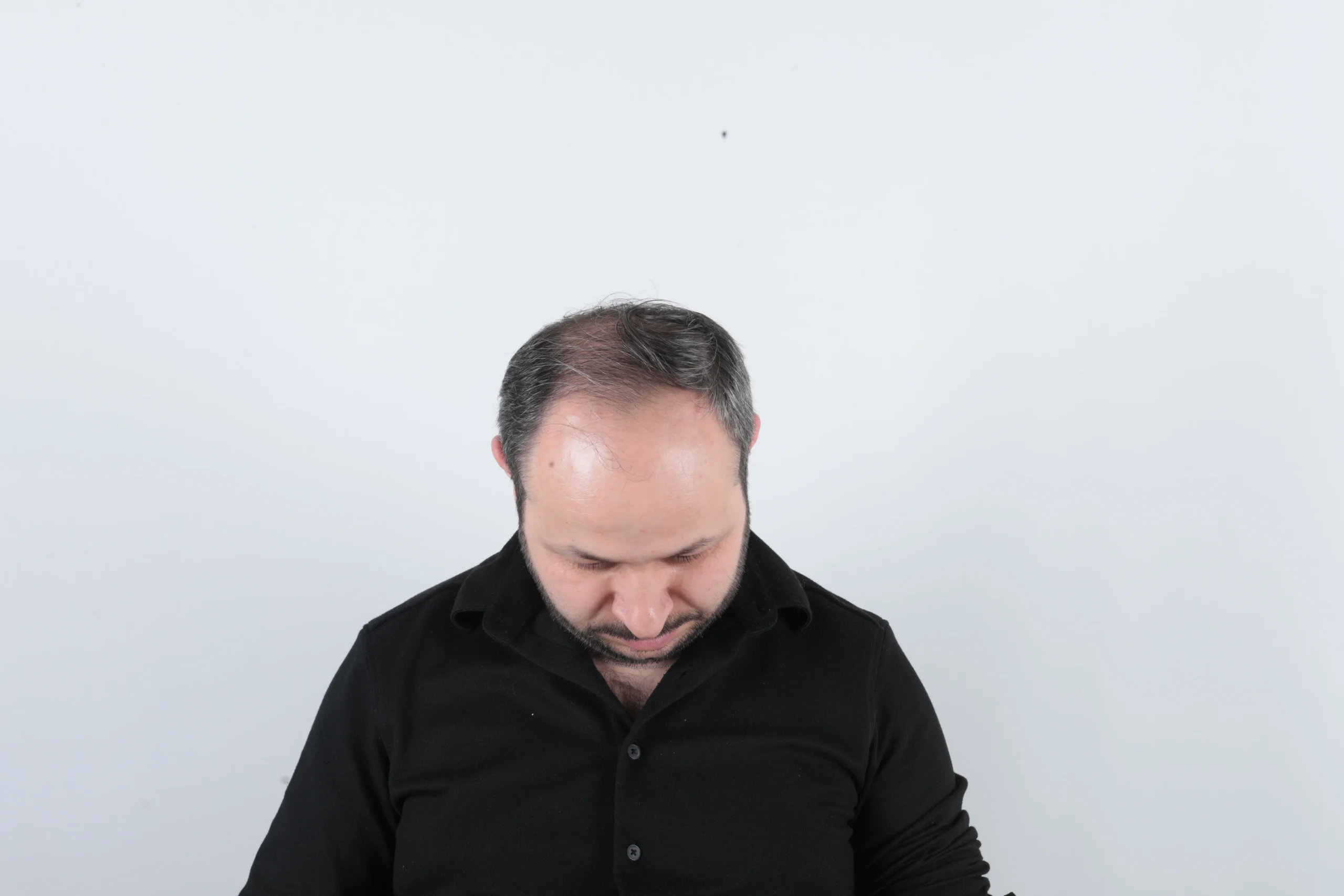
A hair transplant before and after gallery shows the same patient photographed before surgery and again once the transplanted follicles have matured, usually between 9 and 18 months. This page holds 12 cases from our Istanbul clinic, filtered by graft count, technique, Norwood stage and time elapsed since the operation
What This Gallery Contains
Every figure below is calculated from the cases published on this page, not from industry averages. We update it whenever new cases are added.
| Metric | Value |
|---|---|
| Total published cases | 15 |
| Graft range across all cases | 2,410 – 5,050 |
| Median graft count | 4,650 |
| Most common graft band | 4,500 – 5,000 |
| Technique split | %90 DHI, %10 Sapphire FUE |
| Patient countries represented | Belgium, Turkey, Netherlands, USA |
| Cases including PRP sessions | 9 |
| Gallery last updated | 28 August 2026 |
How to Read a Before and After Photo Properly
Most galleries are photographed to flatter. Seven checks will tell you whether what you are looking at is a fair representation of the surgery.
- Check the lighting is identical in both frames. Overhead light hides scalp; front light exposes it. A gallery that lights the “before” from above and the “after” from the front is showing you a lighting change, not a surgical result.
- Check the hair is dry and unstyled in both frames. Wet or product-set hair clumps and reads as roughly 30 per cent more density than the same hair dry.
- Check the camera angle matches. A downward angle over the crown exaggerates loss; a level angle understates it. The two frames must be shot from the same height.
- Check the time stamp. A result at 6 months is not a final result. Anything photographed before 9 months is a progress shot, and any gallery that does not state the interval is withholding the single most important variable.
- Look at the hairline, not the volume. Density can be created with enough grafts by almost anyone. A hairline with irregular, soft, single-follicle edges and correct angulation is the part that requires judgement — and the part that ages well.
- Look at the donor area if it is shown. A well-managed donor looks evenly harvested and unremarkable. Patchy or over-harvested donor areas are the most common long-term complaint after surgery in Turkey, and galleries almost never show them.
- Check whether the graft count matches the area covered. 3,000 grafts across a Norwood 3 hairline and 3,000 grafts across a Norwood 6 scalp produce completely different densities. Compare like with like.
What Each Graft Range Realistically Covers
Grafts are follicular units, not individual hairs. One graft carries one to four hairs, so 3000 grafts typically means roughly 3000 × 2.2 hairs. The table below reflects what we see across the cases in this gallery.
| Graft range | Typically treats | Norwood stage | Typical session |
|---|---|---|---|
| 2,000 – 2,500 | Hairline and temple corners only | Norwood 2 to 3 | 5 to 6 hours, one day |
| 2,500 – 3,500 | Hairline, temples and front third | Norwood 3 to 4 | 6 to 7 hours, one day |
| 3,500 – 4,500 | Front and mid-scalp, partial crown | Norwood 4 to 5 | 7 to 8 hours, one day |
| 4,500 – 5,000 | Front, mid-scalp and crown | Norwood 5 | 8 to 9 hours, one or two days |
| 5,000 and above | Full scalp coverage, or crown-priority planning | Norwood 5 to 6 | Two-day session |
Where the ceiling comes from: graft numbers are limited by donor capacity, not by what a patient asks for. A typical donor area yields between [6,000] and [8,000] grafts across a lifetime, across all sessions. A surgeon who agrees to place 6,000 grafts in one operation on a limited donor is spending capacity you may need in ten years.
When the Result Appears: Month by Month
Transplanted follicles do not grow continuously. They shed, rest, and then regrow. The gallery photographs on this page are labelled with the month they were taken so you can match them to this timeline.
| Timeframe | What you would see in a photograph | Roughly what percentage of the final result |
|---|---|---|
| Day 1 to 10 | Redness and scabbing across the recipient area | 0 per cent. Not a stage anyone photographs for a gallery |
| Week 2 to 4 | Shock loss. Transplanted hairs shed and the area can look as it did before surgery | 0 per cent. The most common point at which patients panic |
| Month 2 to 3 | Little visible change while the follicles rest | 0 to 10 per cent |
| Month 4 to 6 | First real growth, still fine in texture | 30 to 50 per cent |
| Month 9 to 12 | Density and texture mature. Most of the photographs on this page are taken here | 70 to 90 per cent |
| Month 12 to 18 | Final result, with the crown usually the last area to complete | 100 per cent |
| Month 18 and beyond | Stable. Further change comes from native hair loss, not from the transplant | 100 per cent |
Why the crown is last: crown hair grows in a whorl pattern, and grafts placed into a whorl take longer to align directionally. A crown that looks thin at month nine frequently completes by month fifteen.
Results by Norwood Stage
| Norwood stage | Pattern | Typical grafts | Realistic outcome | Second session likely? |
|---|---|---|---|---|
| Norwood 2 | Slight temple recession | 1,500 – 2,200 | Full restoration of the original hairline | Rarely |
| Norwood 3 | Defined temple recession, M-shape | 2,000 – 3,000 | Full hairline restoration with high density | Rarely |
| Norwood 3 Vertex | Recession plus early crown thinning | 2,800 – 3,800 | Hairline restored, crown improved but not always full | Sometimes |
| Norwood 4 | Recession with a distinct thinning crown | 3,000 – 4,200 | Strong front and mid-scalp, crown partially covered | Sometimes |
| Norwood 5 | Bridge between front and crown narrowing | 4,000 – 5,000 | Good front and mid-scalp, crown coverage rather than full density | Often |
| Norwood 6 | Bridge lost, large connected bald area | 5,000 – 6,500 across sessions | Framed face and coverage, not the density of a Norwood 3 result | Usually |
| Norwood 7 | Only a narrow donor rim remains | Donor-limited | Conservative hairline and partial coverage, expectations set carefully | Planning-dependent |
The honest version: at Norwood 5 and above, the goal changes from restoring density to redistributing a limited donor supply across a larger surface. A surgeon who promises a Norwood 6 patient the density of a Norwood 3 result is describing something the donor area cannot supply.
Does the Technique Change the Result? Sapphire FUE vs DH
Both techniques extract follicles the same way. They differ in how the follicle is placed into the recipient area, which affects density, healing and which areas suit them best.
| Comparison point | Sapphire FUE | DHI (Direct Hair Implantation) |

|---|---|---|
| Recipient site creation | Sapphire blade opens channels first, grafts placed after | Choi implanter opens and places in one motion |
| Typical density achievable | [40 to 50] grafts per cm² | [45 to 55] grafts per cm² |
| Best suited to | Large areas, high graft counts, full scalp | Hairline detail, crown whorl, unshaven cases |
| Shaving required | Full shave typically required | Can be performed with limited or no shaving |
| Session length for 3,000 grafts | [6 to 7] hours | [7 to 8] hours |
| Healing appearance at 10 days | Comparable | Comparable |
| Cases visible in this gallery | 11 | 11 |
What actually determines the result: in cases with equivalent donor quality and graft counts, technique accounts for less of the outcome than hairline design, angle and direction of placement, and graft handling time outside the body. Technique matters most where the area is unusual — a whorl-pattern crown or an unshaven procedure — not as a general ranking of one method over another.
For Patients Travelling from the UK and US
7,000 of our patients have travelled from the United Kingdom and 5,000 from the United States. The clinical standards remain the same; however, logistics and follow-up processes differ.
| Detail | United Kingdom | United States |
|---|---|---|
| Typical flight time to Istanbul | 4 hours | 10 to 13 hours |
| Recommended stay | 3 nights | 4 nights |
| Earliest return flight after surgery | Day 3 | Day 4 |
| First wash | Performed at the clinic on day 2 | Performed at the clinic on day 2 |
| Follow-up | Photo review at months 1, 3, 6 and 12 | Photo review at months 1, 3, 6 and 12 |
| Time off work typically taken | 7 to 10 days | 10 to 14 days |
| Cost comparison against home market | See our hair transplant cost page | See our hair transplant cost page |


Follow-up once you are home
- You send scheduled photographs at months 1, 3, 6 and 12 through [WhatsApp / patient portal].
- Your case is reviewed by the same surgical team that performed the operation.
- Medication (finasteride, minoxidil) is continued under the guidance of your own GP or physician, who should be told the surgery took place.
- If a second session is indicated, it is assessed no earlier than month 12.
Find the Case Closest to Yours
Send four photographs of your scalp: front, top and both sides. A patient consultant will reply with an estimated graft range and share the cases in this gallery that are closest to your situation. The assessment is free and comes with no obligation. You can also schedule a free consultation with one of our doctors for a clinical opinion and a personalised treatment plan.
- Dr. Burak TUNCER
- Publication Date: 12 August 2026
- Last Updated: 4 September 2026
FAQ’s About Hair Transplant Result
Are these hair transplant before and after photos real?
Yes. Every photograph on this page is of a patient treated at our Istanbul clinic, taken in the same room under fixed lighting, with dry unstyled hair, and published with written consent. No retouching, colour grading or density filtering is applied. Each image is labelled with the number of months elapsed since surgery.
How long after a hair transplant do you see the final result?
Between 12 and 18 months. Transplanted hairs shed within the first four weeks, rest for two to three months, and begin regrowing from month four. By month twelve most patients see 70 to 90 per cent of the final result, with the crown typically completing last.
What do 3,000 grafts look like?
Roughly 6,600 hairs, enough to rebuild a hairline, temples and the front third of the scalp at a Norwood 3 to 4 stage. On a larger bald area the same 3,000 grafts spread thinner and read as coverage rather than density. Filter this gallery to the 2,500–3,500 band to compare like with like.
Do hair transplant results in Turkey last?
Transplanted follicles are taken from the donor area at the back and sides, which is genetically resistant to the hormone that causes pattern baldness. Those follicles are permanent. Your untransplanted native hair can continue to thin, which is why many surgeons recommend continuing medical treatment after surgery.
Why do some results at 6 months look thinner than at 12 months?
Because at six months the transplanted hairs are still fine in texture and only 30 to 50 per cent of them have emerged. Hair thickens as it matures through successive growth cycles. A six-month photograph is a progress shot, not an outcome.
Do you have before and after results from UK or US patients?
Yes. To date, 7,000 patients from the United Kingdom and 5,000 from the United States have travelled to Esteworld for treatment. Each featured patient’s country of residence is listed on their case card. The clinical standards remain the same for all patients; what differs is travel time, length of stay and how follow-up care is managed once you return home.
What does a bad hair transplant result look like?
The most common signs are a hairline that is too straight or too low for the patient’s age, grafts placed at the wrong angle so hair grows outward rather than forward, visible spacing between grafts under direct light, and an over-harvested donor area that thins visibly when hair is cut short.
Are women's hair transplant results different from men's?
The surgery is the same, but the planning differs. Female pattern loss is usually diffuse rather than patterned, so donor hair is often also affected, and a dermatological assessment comes first to rule out causes such as thyroid disease or iron deficiency. Female cases in this gallery are marked and filterable.
What does a hair transplant in Turkey cost?
Price is determined by graft count, technique and what the package includes. Full current pricing, including what is and is not included, is set out on our hair transplant cost page. Any quotation given before your donor area has been assessed is an estimate, not a price.