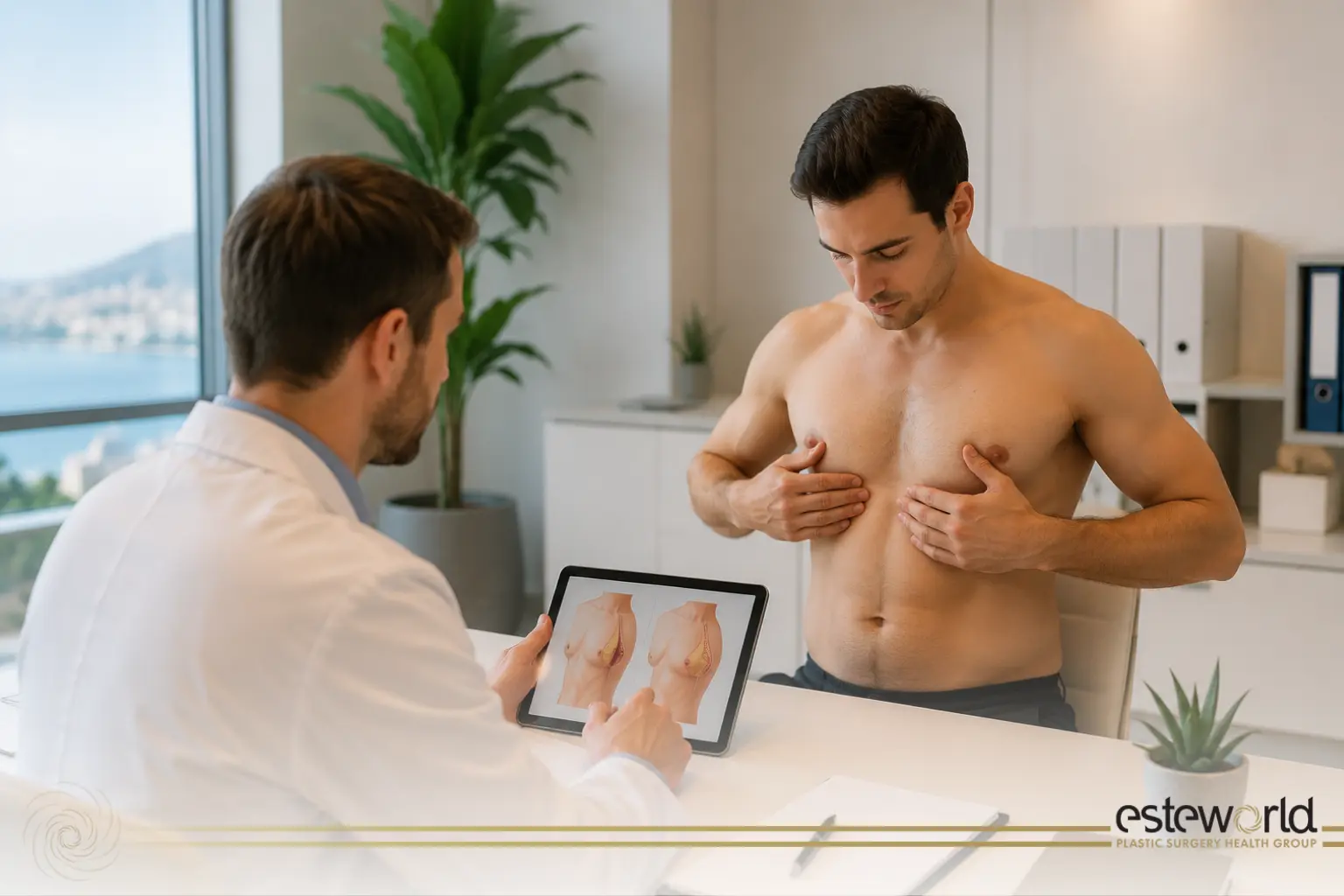

Breast reduction surgery has become one of the most frequently discussed plastic surgery procedures in recent years. While many people associate the operation with aesthetic goals, the reality is often much more practical. For individuals living with overly large breasts, daily activities such as exercising, sleeping comfortably, maintaining good posture, or even finding well-fitting clothing can become challenging.
As awareness of physical wellbeing continues to grow, more patients are exploring breast reduction surgery as a way to improve comfort, mobility, and overall quality of life. Advances in surgical techniques and recovery protocols have also contributed to a more personalised approach, allowing patients to achieve results that are tailored to their body proportions and individual needs.
Breast reduction surgery is a procedure that removes excess breast tissue, fat, and skin to create a breast size that is more proportionate to the body. Beyond cosmetic changes, many patients seek the operation to relieve neck pain, shoulder discomfort, back strain, and limitations in physical activity. In 2026, modern surgical techniques continue to focus on balancing aesthetic outcomes with functional improvements, helping patients feel more comfortable in their everyday lives.
Breast reduction surgery is a procedure designed to reduce breast size by removing excess tissue, fat, and skin. It is commonly performed to improve physical comfort, reduce pain associated with heavy breasts, and create a more balanced body silhouette.
Why More Women Are Considering Breast Reduction Surgery in 2026?
The conversation around breast reduction surgery has evolved significantly over the last decade. While appearance remains an important factor for some patients, many individuals now view the procedure as part of a broader effort to improve their physical wellbeing and daily comfort.
Healthcare professionals increasingly recognise the impact that excessively large breasts can have on musculoskeletal health. Constant strain on the neck, shoulders, and back can affect posture, movement, and overall quality of life. For many patients, the decision to undergo surgery is not simply about changing appearance but about reducing ongoing discomfort.
The Growing Focus on Physical Comfort
Modern lifestyles place considerable demands on the body. Long working hours, sedentary office environments, and increased participation in fitness activities have made physical comfort a higher priority than ever before.
Individuals with disproportionately large breasts often report discomfort during exercise, difficulty finding supportive clothing, and challenges maintaining an active lifestyle. Breast reduction surgery may help address these issues by reducing excess weight and improving body balance.
Changes in Lifestyle and Fitness Goals
As fitness and wellness continue to play a larger role in everyday life, many people seek solutions that allow them to move more comfortably. Running, strength training, yoga, and other forms of exercise can become more accessible after breast reduction surgery.
Patients frequently describe feeling less restricted during physical activities and more confident participating in sports or exercise programmes that were previously uncomfortable.
Common Signs That Large Breasts May Affect Daily Life
Large breasts affect individuals in different ways. Some people experience primarily physical symptoms, while others notice emotional or social challenges. Understanding these signs can help patients determine whether a consultation may be beneficial.
Common concerns associated with excessively large breasts include:
- Persistent neck, shoulder, or upper back pain
- Bra strap indentations on the shoulders
- Skin irritation beneath the breast fold
- Difficulty participating in sports and exercise
- Challenges finding properly fitting clothing
- Reduced confidence in certain social situations
Although these symptoms vary in severity, many patients find that they gradually impact daily comfort and mobility over time.
How Breast Reduction Surgery Can Improve Quality of Life
One of the most significant aspects of breast reduction surgery is its potential impact on overall quality of life. While aesthetic improvements are often visible, many patients report that the functional benefits become equally meaningful after recovery.
Physical Benefits
Reducing the size and weight of the breasts can help decrease the physical strain placed on the upper body. Many individuals notice improvements in posture and greater ease when performing everyday tasks.
Activities that previously caused discomfort, such as walking long distances, exercising, or standing for extended periods, may become more manageable. Improved mobility often contributes to a more active lifestyle and greater overall wellbeing.
Emotional and Psychological Benefits
Living with physical discomfort can affect emotional health. Some individuals feel self-conscious about their appearance, while others become frustrated by the limitations large breasts place on daily activities.
Breast reduction surgery may help improve self-confidence by creating a breast size that feels more proportionate and comfortable. Many patients report feeling more at ease when choosing clothing and participating in social activities.
Improved Mobility and Exercise Performance
Physical activity is an important part of maintaining long-term health. For individuals who experience discomfort during exercise, reducing breast size may make movement feel easier and more natural.
Patients often report greater freedom of movement, improved exercise tolerance, and increased motivation to maintain an active lifestyle following recovery.
What to Expect Before, During and After Breast Reduction Surgery
Having a clear understanding of the treatment journey can help patients prepare both physically and emotionally for surgery.
Before Surgery
The process begins with a detailed consultation. During this appointment, the surgeon evaluates breast size, skin quality, body proportions, and overall health. Treatment goals are discussed to ensure realistic expectations and personalised planning.
Patients may receive guidance regarding medications, smoking cessation, and lifestyle adjustments before surgery.
The Day of Surgery
Breast reduction surgery is typically performed under general anaesthesia. The procedure involves removing excess tissue, fat, and skin while reshaping the breasts to achieve a more balanced appearance.
The specific surgical technique used depends on individual anatomy and treatment objectives.
Recovery Process
Recovery varies from person to person. Swelling, bruising, and temporary discomfort are normal parts of the healing process. Most patients gradually resume daily activities as healing progresses, although strenuous exercise may need to be postponed for a period recommended by the surgeon.
Breast Reduction Recovery Timeline Week by Week
Recovery is one of the most important aspects of the breast reduction journey. While the surgery itself is completed within a few hours, the body requires time to heal and adapt to its new shape. Understanding what to expect during each stage of recovery can help patients feel more prepared and confident throughout the process.
It is important to remember that every recovery experience is unique. Factors such as age, overall health, surgical technique, and adherence to post-operative instructions can influence healing times.
Week 1
The first week after surgery is primarily focused on rest and healing. Swelling, bruising, and mild discomfort are common during this period. Patients are typically advised to avoid strenuous activities and focus on recovery.
Most individuals can walk around the house and perform light daily activities within a short period. Special surgical bras are often recommended to provide support and help minimise swelling.
Energy levels may fluctuate during the first few days, and it is normal to feel tired as the body directs resources toward healing.
Weeks 2–4
During the following weeks, many patients begin to notice a gradual reduction in swelling and discomfort. Daily activities become easier, and some individuals may feel comfortable returning to office-based work, depending on their surgeon’s recommendations.
The breasts may still appear swollen or slightly firm during this stage. This is a normal part of the healing process and generally improves over time.
Although patients often feel significantly better, heavy lifting, high-impact exercise, and upper body workouts are usually restricted until healing progresses further.
Months 2–3
By the second and third months, the breasts typically begin to settle into a more natural shape. Swelling continues to decrease, and patients often notice improvements in comfort and mobility.
Physical activities that were previously uncomfortable due to breast size may feel considerably easier. Many individuals report feeling more confident when exercising, shopping for clothing, or participating in social events.
Long-Term Healing and Final Results
Breast reduction results continue to evolve for several months after surgery. Scars gradually mature, swelling resolves further, and the breasts settle into their final position.
The timeline below provides a general overview of recovery expectations:
| Recovery Stage | What Patients Commonly Experience |
| Week 1 | Swelling, bruising, rest, surgical bra use |
| Weeks 2–4 | Increased comfort, return to light activities |
| Months 2–3 | Improved mobility and reduced swelling |
| 6–12 Months | Scar maturation and final contour development |
Breast Reduction Surgery Risks and Considerations
Like any surgical procedure, breast reduction surgery involves potential risks and considerations. While the procedure has a well-established safety profile when performed by qualified surgeons, patients should understand both the benefits and limitations before making a decision.
A balanced understanding helps create realistic expectations and supports informed decision-making.
Understanding Common Side Effects
Most patients experience temporary side effects that are considered part of the normal healing process. Swelling, bruising, tightness, and temporary sensitivity changes are among the most frequently reported experiences.
These effects generally improve as healing progresses and typically become less noticeable over time.
Factors That Influence Recovery
Several factors can affect how quickly and comfortably a patient recovers. Overall health, smoking status, age, and adherence to post-operative instructions all play important roles.
Patients who carefully follow their surgeon’s guidance regarding wound care, activity restrictions, and follow-up appointments often experience smoother recoveries.
Potential considerations discussed during consultation may include:
- Temporary swelling and bruising
- Scar formation as part of normal healing
- Changes in breast sensation
- Differences in healing speed between individuals
- Temporary restrictions on physical activity
- The need for ongoing scar care and follow-up visits
Understanding these possibilities helps patients approach surgery with realistic expectations and confidence.
Breast Reduction Surgery Cost Factors in 2026
One of the most frequently researched topics related to breast reduction surgery is cost. However, determining the price of the procedure is rarely straightforward because every treatment plan is unique.
Rather than focusing solely on the cost itself, patients should understand the factors that contribute to overall treatment planning.
Surgical Complexity
The extent of breast reduction required varies significantly between patients. The amount of tissue being removed, the degree of breast sagging, and the complexity of reshaping can all influence treatment planning.
More complex procedures may require additional surgical time and resources.
Surgeon’s Experience and Expertise
The experience of the surgeon is another factor that may affect pricing. Breast reduction surgery requires careful planning to achieve balanced, natural-looking results while addressing physical symptoms.
Patients often prioritise expertise and experience when choosing a surgeon for this type of procedure.
Hospital and Facility Standards
The surgical environment also contributes to the overall treatment experience. Accredited hospitals, advanced medical technology, and comprehensive patient care services may influence treatment costs.
Post-Operative Care and Follow-Up
Recovery support, follow-up appointments, and aftercare services are important components of the treatment journey. Some clinics include these services as part of a comprehensive package.
| Cost Factor | Why It Matters |
| Surgical Complexity | Influences procedure planning |
| Surgeon’s Experience | Impacts expertise and treatment approach |
| Hospital Facilities | Affects patient experience and resources |
| Post-Operative Care | Supports recovery and monitoring |
| Individual Goals | Determines personalised treatment planning |
Patients should remember that breast reduction surgery is highly individualised. A detailed consultation remains the most accurate way to receive personalised treatment recommendations and cost information.
Breast reduction surgery continues to be one of the most transformative procedures for individuals seeking relief from the physical and emotional challenges associated with excessively large breasts. Beyond aesthetic changes, many patients pursue the operation to improve comfort, mobility, posture, and overall quality of life.
As surgical techniques continue to evolve in 2026, treatment plans are becoming increasingly personalised, allowing patients to achieve results that align with their anatomy, lifestyle, and expectations. Understanding the procedure, recovery process, and long-term considerations can help individuals make informed decisions about their treatment journey.
If you are considering breast reduction surgery and would like to learn more about your options, a professional consultation can provide personalised guidance based on your goals and individual needs.