Thick-skinned nose structure is one of the most important anatomical features that must be carefully evaluated during rhinoplasty planning. When the nasal skin is thicker than average, it may take longer for the final shape to become visible after surgery, and the healing process may differ compared to thin-skinned noses. For this reason, many individuals wonder about the success rate of thick-skinned nose rhinoplasty, how noticeable the results will be, and how the overall process progresses.
Today, thanks to advanced surgical techniques, personalised treatment planning, and modern rhinoplasty approaches performed by experienced surgeons, successful outcomes can be achieved in thick-skinned nose rhinoplasty. However, the success rate does not depend solely on surgical techniques. Nasal structure, skin thickness, supportive methods used during surgery, and postoperative care are all important factors that directly influence the results.
In this article, the characteristics of thick-skinned noses, why this nasal type is evaluated differently in rhinoplasty, and the factors affecting the success rate of thick-skinned nose rhinoplasty will be explained in a clear and scientifically based manner.
What Is a Thick-Skinned Nose?
A thick-skinned nose refers to a nasal structure in which the skin is thicker than average and typically contains a higher density of sebaceous (oil) glands. Because the skin layer is thicker and more elastic, the shape given to the cartilage and bone structures beneath the skin may take longer to become visible compared to thin-skinned noses.
Thick-skinned nasal structure plays a critical role in rhinoplasty planning. The thickness of the skin directly affects the techniques used during surgery and the healing process afterward. In particular, increased skin thickness around the nasal tip may cause the tip to appear rounder or fuller. Therefore, detailed evaluation is necessary to achieve natural and balanced results in thick-skinned nose rhinoplasty.
Thick-skinned nose characteristics are often associated with genetic factors. Seeing similar nasal structures among family members may indicate hereditary influence. In addition, skin type, sebaceous gland activity, and overall skin quality also contribute to nasal skin thickness.
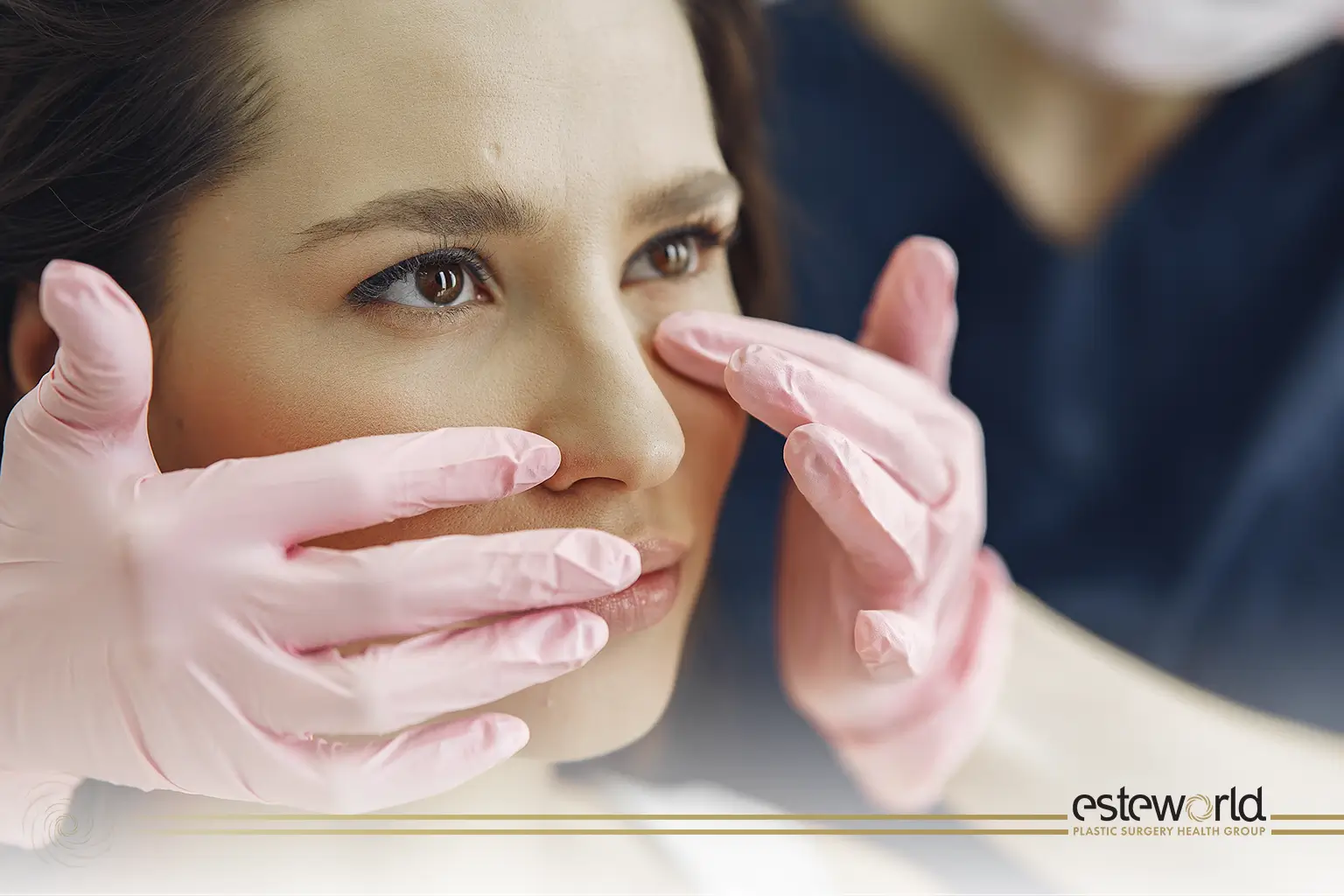
Accurate assessment of thick-skinned nasal structure is one of the most important stages of the rhinoplasty process. This evaluation is typically performed through a detailed physical examination conducted by an experienced plastic surgeon. During the examination, nasal skin thickness, nasal tip structure, and cartilage support are carefully assessed. These findings play a key role in surgical planning and in improving the likelihood of successful outcomes.
How to Recognise a Thick-Skinned Nose?
Correctly identifying thick-skinned nasal structure is an important step in rhinoplasty planning. Many individuals try to determine whether their nasal skin is thick based solely on appearance; however, a definitive diagnosis requires professional medical evaluation.
In general, thick-skinned noses tend to have a fuller and rounder nasal tip. Because the skin layer is thicker, the cartilage structures underneath may appear less defined from the outside. Visible pores and increased oiliness of the skin are also common indicators of thick nasal skin.
A thick-skinned nose can often be recognised by the following features:
- A fuller and wider nasal tip
- Visible skin pores
- Thick and oily nasal skin texture
- Less defined nasal contours
- Confirmation of skin thickness during professional examination
Proper identification of thick-skinned nasal structure helps ensure more accurate surgical planning and more predictable results.
Differences Between Thick-Skinned and Thin-Skinned Noses
There are noticeable differences between thick-skinned and thin-skinned nasal structures. These differences can influence both the surgical procedure and the healing process. Understanding the nasal type helps set realistic expectations before surgery.
| Feature | Thick-Skinned Nose | Thin-Skinned Nose |
| Skin Structure | Thicker and denser | Thinner and more delicate |
| Nasal Tip Appearance | Fuller and rounder | More refined and defined |
| Visibility of Shape | Final shape may take longer to appear | Results become visible sooner |
| Swelling Duration | Swelling may last longer | Swelling typically reduces faster |
| Visibility of Minor Details | Minor irregularities may be less noticeable | Minor details may be more visible |
| Healing Process | May require longer patience | Usually progresses faster |
Understanding these differences helps individuals better comprehend the surgical process and develop realistic expectations. It is also important to remember that each nasal type has its own advantages.
Why Is Thick-Skinned Nose Rhinoplasty Considered More Challenging?
Thick-skinned nose rhinoplasty requires more careful planning due to the structural characteristics of the nasal skin. The thickness of the skin does not necessarily make shaping the bone and cartilage structures technically difficult; however, it may delay the visibility of the final results from the outside.
For this reason, thick-skinned rhinoplasty is often considered a procedure that requires patience and precise planning. With modern surgical techniques, successful results can be achieved even in thick-skinned noses, but the healing process may progress differently compared to thin-skinned noses.
The reasons why thick-skinned nose rhinoplasty is considered more challenging are mainly related to the impact of skin thickness on surgical results, longer recovery time, and the need for surgical expertise.
What Is the Success Rate of Thick-Skinned Nose Rhinoplasty?
The success rate of thick-skinned nose rhinoplasty varies depending on factors such as nasal anatomy, skin thickness, and the surgical techniques used. Today, with advanced rhinoplasty methods and personalised treatment planning, natural and balanced results can be achieved in thick-skinned noses. However, success rates are not identical for every patient and must be evaluated individually.
In thick-skinned noses, the final results may take longer to become visible compared to thin-skinned noses. This delay may sometimes create the impression that success is limited, but in most cases it is related to the longer healing period rather than the effectiveness of the procedure itself.
Success in thick-skinned rhinoplasty should be evaluated as a comprehensive process that includes proper surgical technique, detailed preoperative analysis, and appropriate postoperative care.
Which Factors Affect the Success Rate?
The success rate of thick-skinned rhinoplasty depends on multiple factors working together. Careful evaluation of these factors improves surgical planning and supports better long-term outcomes.
The main factors affecting success include:
Skin Thickness
Skin thickness influences how quickly the final shape becomes visible. In individuals with thicker skin, results may take longer to appear.
Nasal Structure and Cartilage Strength
Strong cartilage support is essential for maintaining the nasal shape. Noses with strong cartilage structures may respond more predictably to surgical reshaping.
Surgeon’s Experience and Techniques Used
The experience of the surgeon plays a critical role in thick-skinned rhinoplasty. Skilled surgeons can select techniques suitable for thicker skin, helping achieve balanced results.
Postoperative Care
Following postoperative instructions helps control swelling and supports proper healing.
Patient Expectations and Anatomical Factors
Realistic expectations play an important role in patient satisfaction. Each nasal structure has anatomical limits that must be considered.
How Can Proper Planning Improve Success Rates?
One of the most effective ways to improve success rates in thick-skinned rhinoplasty is thorough and personalised preoperative planning. During this process, the patient’s nasal structure, skin thickness, and facial proportions are carefully evaluated.
Key elements of proper planning include:
Detailed Preoperative Evaluation
Comprehensive examination allows surgeons to analyse the nasal structure accurately and determine suitable techniques.
Personalised Surgical Approach
Every nose is unique. Customised surgical methods help achieve more natural-looking outcomes.
Use of Appropriate Techniques and Support Structures
Support grafts may be used in thick-skinned noses to enhance nasal tip definition.
Regular Postoperative Follow-Up
Routine follow-up appointments support healthy healing and help identify potential concerns early.
With proper planning, thick-skinned rhinoplasty can achieve balanced aesthetic and functional results. Therefore, expert evaluation at every stage of the process is essential.
Techniques Used in Thick-Skinned Nose Rhinoplasty
Selecting appropriate surgical techniques is essential to achieve successful outcomes in thick-skinned nose rhinoplasty. Because thick skin may limit how clearly the underlying cartilage and bone structures are reflected externally, the methods chosen by the surgeon play a significant role in determining the final appearance.
With modern rhinoplasty techniques, it is now possible to achieve more balanced and natural-looking results in thick-skinned noses. Open rhinoplasty, support grafts, and subcutaneous tissue shaping techniques are among the commonly used approaches in these cases.
The most frequently used techniques in thick-skinned rhinoplasty are explained below.
Open Rhinoplasty Technique
Open rhinoplasty is one of the most commonly used surgical techniques in thick-skinned nose procedures. In this method, a small incision is made at the base of the nasal tip, allowing the surgeon to directly visualise the nasal structures.
This approach enables the surgeon to examine cartilage and bone structures in detail and make precise adjustments. In thick-skinned noses, open rhinoplasty is often preferred because it allows better control during nasal tip shaping.
It is particularly beneficial in cases where enhanced tip definition is required. Additionally, open rhinoplasty supports more accurate planning in complex nasal structures, making it a preferred option in thick-skinned nose surgeries.
Subcutaneous Tissue Shaping Techniques
In thick-skinned rhinoplasty, shaping only the bone and cartilage structures may not always be sufficient. In some cases, adjustments to the tissues beneath the skin may also be necessary to enhance the visibility of the final shape.
Subcutaneous tissue shaping techniques help the skin adapt more effectively to the newly structured nasal framework. These methods aim to improve nasal tip balance and contour definition.
The need for such techniques is determined based on the patient’s nasal anatomy and skin thickness.
Use of Support Grafts
Support grafts are commonly used in thick-skinned rhinoplasty procedures. These grafts are typically created using the patient’s own cartilage and are placed to strengthen and support the nasal tip.
In thick-skinned noses, stronger structural support may be required to improve tip definition. Properly placed grafts help maintain nasal shape and improve long-term stability.
Correct graft planning supports durability of the nasal structure and contributes to preserving the surgical results over time.
The Role of Modern Rhinoplasty Techniques
Advancements in rhinoplasty techniques have significantly improved the predictability of results in thick-skinned noses. Modern surgical approaches aim to preserve the natural structure of the nose while achieving balanced aesthetic outcomes.
Today, surgeons can perform more precise planning by considering skin thickness and anatomical limitations. These developments contribute to improved patient satisfaction and more consistent outcomes.
Technological progress and increased surgical experience are among the key factors that support improved success rates in thick-skinned rhinoplasty.
Recovery Process After Thick-Skinned Nose Rhinoplasty
The recovery process after thick-skinned rhinoplasty may take slightly longer compared to thin-skinned noses. Thick skin tends to retain swelling for a longer period, which may delay the appearance of the final nasal shape.
Following postoperative instructions and maintaining regular follow-up visits play an important role in ensuring proper healing.
First Week Recovery
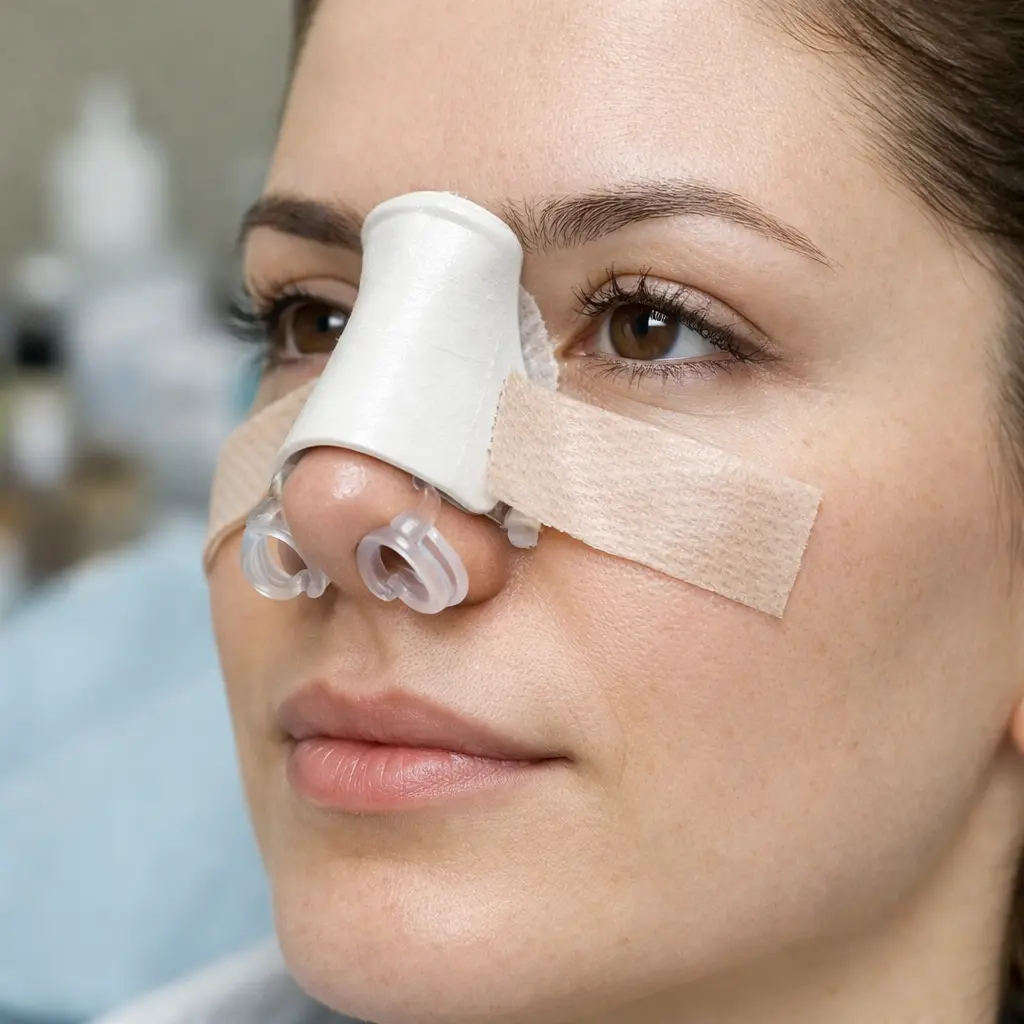
The first week after surgery is typically the most sensitive phase of recovery. During this period, a nasal splint is usually present, and mild swelling or bruising around the eyes may occur.
Common experiences during this phase include:
- Swelling and mild bruising
- Sensitivity around the nasal tip
- Limited daily activities
At the end of the first week, the splint is usually removed, and the general nasal shape becomes visible, although swelling may still be present.
First Month Recovery
During the first month, swelling gradually decreases and the nasal structure becomes more noticeable. However, in thick-skinned noses, swelling at the nasal tip may take longer to resolve.
During this period:
- Swelling significantly reduces
- Daily activities become easier
- Nasal contours begin to appear clearer
Strenuous physical activities should still be avoided during this stage.
When Are Final Results Visible?
Final results in thick-skinned rhinoplasty take time to develop. Although initial improvements are visible within the first few months, complete resolution of swelling, especially at the nasal tip, may take longer.
In general:
- Initial results appear within a few months
- Final results typically become visible within 6 to 12 months
The duration of recovery varies depending on individual healing capacity.
Factors That Improve Success in Thick-Skinned Nose Rhinoplasty
Achieving successful results in thick-skinned nose rhinoplasty depends not only on the surgical technique but also on managing the entire process correctly. The following factors play an important role in improving success rates:
- Choosing an experienced surgeon specialised in rhinoplasty is essential for applying appropriate techniques in thick-skinned nasal structures.
- Every nose is unique. Personalised planning based on skin thickness, nasal tip structure, and facial proportions supports better outcomes.
- Comprehensive preoperative evaluation helps determine the most suitable surgical approach.
- Using techniques appropriate for thick skin contributes to more balanced nasal shaping.
- Following postoperative care instructions supports swelling control and healthy healing.
- Regular follow-up appointments help detect potential concerns early.
- Setting realistic expectations according to the patient’s anatomy improves overall satisfaction and perceived success.
Who Is Suitable for Thick-Skinned Nose Rhinoplasty?
Thick-skinned nose rhinoplasty may be considered for individuals who are dissatisfied with their nasal appearance and wish to achieve a more balanced look. However, suitability must always be determined through professional medical evaluation, as each individual’s nasal structure and expectations differ.
In general, thick-skinned rhinoplasty may be suitable for:
- Individuals with thick nasal skin, especially those with a wide or bulky nasal tip
- Individuals dissatisfied with nasal shape or tip definition
- Those with congenital or trauma-related nasal deformities
- Individuals in good general health without conditions that may interfere with surgery
- Individuals with realistic expectations regarding results
- Adults whose facial and bone development is complete
During the evaluation process, nasal skin thickness, nasal anatomy, and facial proportions are assessed together. This evaluation plays an important role in surgical planning and predicting potential outcomes.
Are There Risks in Thick-Skinned Nose Rhinoplasty?
Thick-skinned nose rhinoplasty is generally considered a safe surgical procedure when performed by experienced surgeons under appropriate medical conditions. However, as with any surgical procedure, certain risks and potential complications may occur.
Most risks can be reduced through proper surgical planning, sterile operating conditions, and adherence to postoperative care instructions. For this reason, detailed preoperative assessment and following medical advice are essential.
Possible Risks
Although uncommon, the following conditions may occur after thick-skinned rhinoplasty:
- Prolonged swelling due to thicker skin structure
- Delayed healing process
- Temporary numbness, particularly around the nasal tip
- Minor asymmetry or irregularities in nasal shape
- Need for revision surgery in rare cases
The likelihood of these risks varies depending on individual factors and surgical techniques used.
What Should Be Considered Before and After Thick-Skinned Nose Rhinoplasty?
Successful outcomes in thick-skinned rhinoplasty depend not only on the surgical procedure but also on proper preparation before surgery and appropriate care afterward.
Before Surgery
- Attend all medical consultations and complete required tests
- Avoid or stop smoking if possible
- Inform your doctor about all medications you are using
- Follow all preoperative instructions carefully
After Surgery
- Keep the head elevated during the first days
- Protect the nose from impact or injury
- Avoid strenuous physical activities for a certain period
- Attend all scheduled follow-up appointments
Following these recommendations supports healthy recovery and improves overall results.
Thick-skinned nose rhinoplasty is a surgical procedure that can achieve successful outcomes when performed using appropriate techniques and personalised treatment planning. Although thicker skin may lead to a longer healing process, choosing an experienced surgeon, attending regular follow-up visits, and following medical instructions support a smoother recovery.
Individuals considering thick-skinned rhinoplasty are encouraged to consult with a qualified specialist for a detailed evaluation. For more information about thick-skinned nose rhinoplasty, professional consultation is recommended.