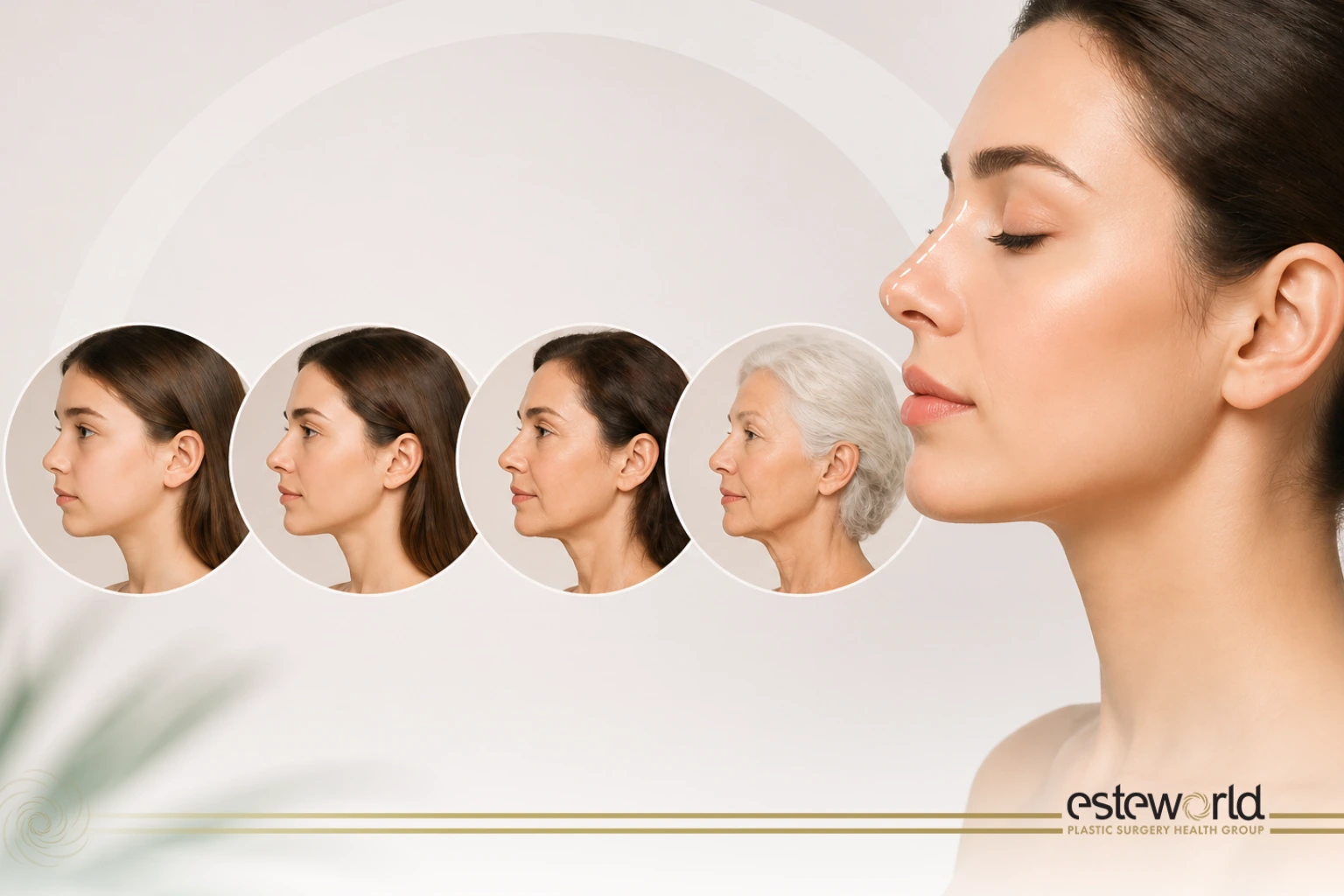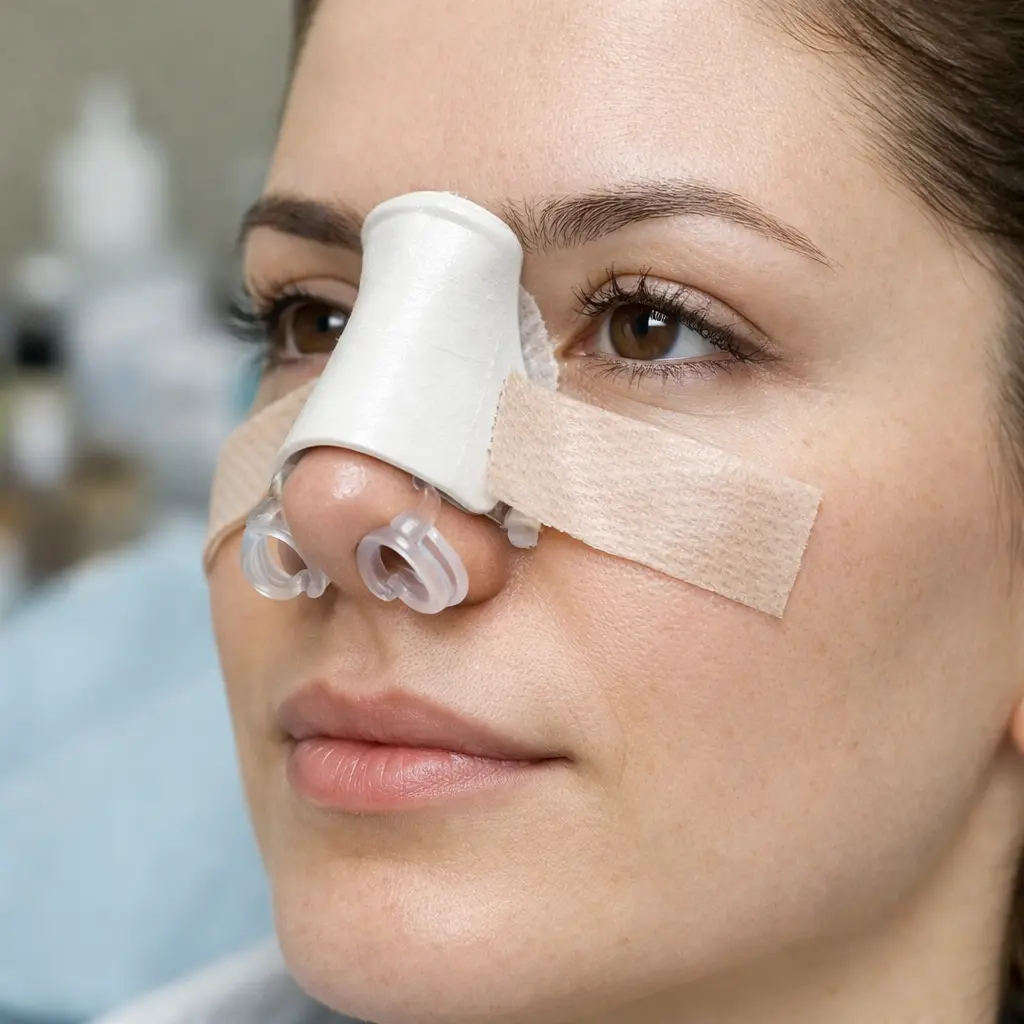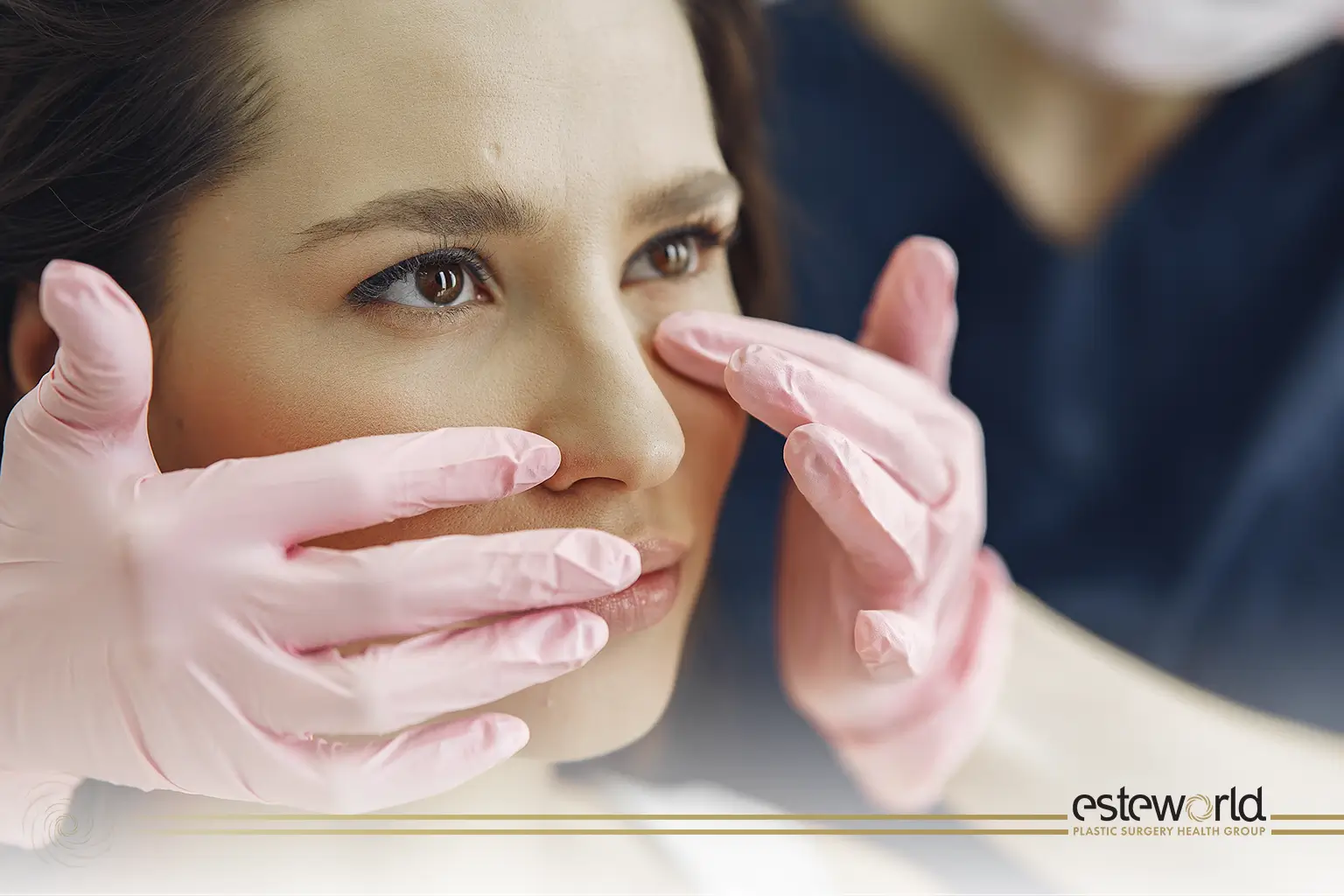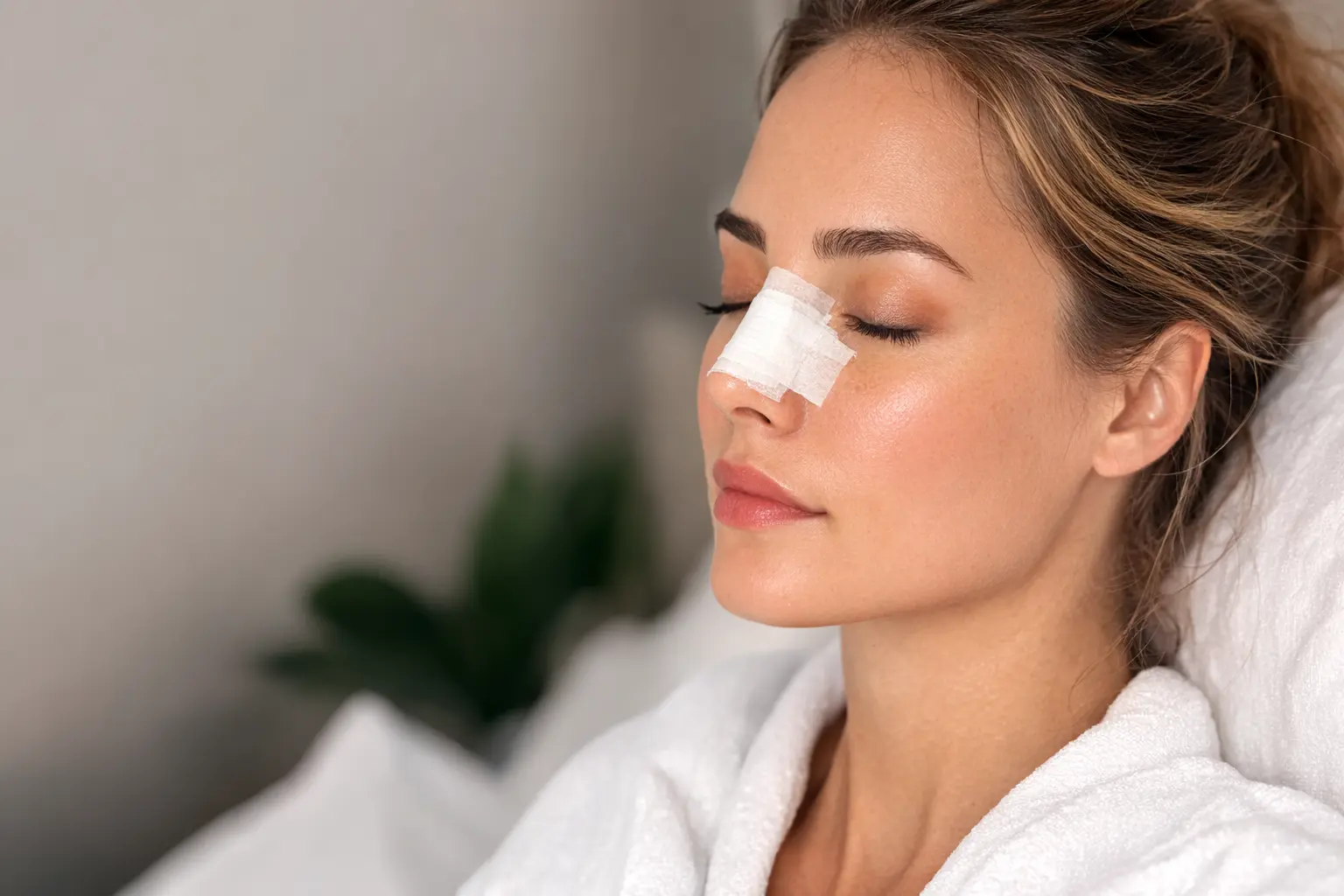

Rhinoplasty, commonly known as a nose job, is a surgical procedure performed to improve the aesthetic appearance of the nose and support breathing function. Today, rhinoplasty is among the most frequently performed cosmetic surgeries worldwide. When carried out with proper surgical techniques and supported by a well-planned recovery process, it can provide successful and satisfying outcomes.
However, the success of the operation is not determined solely by the surgical technique used during the procedure. Post-operative lifestyle habits also play an important role in the healing process. One of the most common questions patients ask is whether smoking or drinking alcohol after rhinoplasty is safe.
Smoking and alcohol contain substances that may affect the body’s natural healing mechanisms. Particularly in the early stages after surgery, their use may increase the risk of swelling, bleeding, infection, or prolonged recovery time. For this reason, plastic surgeons often advise patients to be cautious about smoking and alcohol consumption both before and after surgery.
In this article, you will find detailed information about smoking and alcohol use after rhinoplasty, their potential risks, their impact on the healing process, and recommendations from medical professionals.
Why Is the Recovery Process After Rhinoplasty Important?
The recovery period after rhinoplasty is one of the most critical stages that determine the final outcome of the surgery. During the operation, the nasal bones, cartilage structures, and soft tissues are reshaped. Therefore, these tissues must heal properly after the procedure.
The healing process usually occurs in several stages:
-
First few days: Swelling and bruising are usually at their peak.
-
First week: The nasal splint or cast is typically removed.
-
First few weeks: Swelling gradually decreases and the shape of the nose becomes clearer.
-
6 months – 1 year: The nasal tissues settle completely and the final results become visible.
During this time, the body works to repair tissues and adapt to the new nasal structure. Smoking and alcohol consumption can negatively affect these natural healing mechanisms.
Why Is Smoking Risky After Rhinoplasty?
Smoking directly affects the circulatory system due to the presence of nicotine, carbon monoxide, and other chemicals. Smoking after surgery may make it more difficult for tissues to receive the oxygen and nutrients they need for healing.
Possible effects of smoking after rhinoplasty include:
Reduced Blood Circulation
Nicotine can cause blood vessels to constrict. This may reduce blood flow, which is essential for healing after surgery. When tissues do not receive enough oxygen, the recovery process may slow down.
Delayed Wound Healing
After surgical procedures, tissues require adequate oxygen and nutrients to heal properly. Smoking may slow this process and delay wound healing.
Increased Risk of Infection
Smoking may weaken certain immune system functions. This can increase the risk of infection during the post-operative period.
Increased Risk of Tissue Damage
In some cases, smoking may lead to tissue damage or skin complications in the operated area. This can result in undesirable outcomes, particularly in aesthetic procedures.
Coughing and Pressure on the Nose
Smoking can trigger coughing. The pressure generated during coughing may place stress on nasal tissues and increase the risk of bleeding.
For these reasons, many plastic surgeons recommend that patients temporarily stop smoking after rhinoplasty or ideally quit altogether.
Why Is Alcohol Not Recommended After Rhinoplasty?
Although it is discussed less often than smoking, alcohol consumption may also affect the healing process after surgery. Drinking alcohol immediately after surgery may pose several health risks.
Increased Risk of Bleeding
Alcohol can dilate blood vessels and influence blood pressure. This may increase the risk of bleeding in the early stages after surgery.
Increased Swelling and Oedema
Swelling is one of the most common effects after rhinoplasty. Alcohol can affect the body’s fluid balance, potentially causing swelling to last longer.
Interaction With Medications
After surgery, patients may be prescribed pain relievers or antibiotics. Alcohol may interact with these medications and cause unwanted side effects.
Reduced Sleep Quality
Quality sleep is essential for recovery. Alcohol may disrupt sleep patterns and slow the body’s healing process.
For these reasons, avoiding alcohol during the first weeks after rhinoplasty is generally recommended.
When Can Smoking or Alcohol Be Used After Rhinoplasty?
The answer may vary from person to person because each patient’s surgery and recovery process are different.
In general, plastic surgeons often recommend the following:
-
Smoking should ideally be stopped at least 2–3 weeks before surgery.
-
Patients are advised not to smoke for at least 2–3 weeks after surgery.
-
Alcohol consumption is usually considered only after the early healing phase is completed and under controlled circumstances.
However, the most accurate guidance should always come from the surgeon who performed the procedure.
Can Smoking and Alcohol Affect Rhinoplasty Results?
Yes, in some cases smoking and alcohol use may influence the final results of rhinoplasty. The body’s ability to heal during the post-operative period directly affects the aesthetic outcome of the surgery.
Smoking and alcohol consumption may lead to:
-
Prolonged swelling
-
Slower tissue healing
-
Negative effects on skin quality
-
Increased risk of post-operative complications
For this reason, many surgeons encourage patients to adopt healthy lifestyle habits during the recovery period.
Tips to Support Healing After Rhinoplasty
Following certain recommendations can help make the recovery process after rhinoplasty more comfortable.
Follow Your Doctor’s Instructions
Your surgeon’s instructions are the most important guide during the recovery period. Medication use, follow-up appointments, and care recommendations should be followed carefully.
Avoid Smoking and Alcohol
Smoking and alcohol may complicate the healing process, so avoiding them for a certain period is recommended.
Sleep With Your Head Elevated
Keeping your head elevated may help reduce swelling.
Maintain a Healthy Diet
Consuming foods rich in protein, vitamins, and minerals may support tissue healing.
Protect the Nose Area
The nose may be sensitive after surgery. Avoiding pressure or trauma to the area is important.
Smoking and alcohol consumption after rhinoplasty are important factors that may affect the healing process. Smoking may slow tissue recovery by reducing blood circulation, while alcohol may increase the risk of bleeding and swelling. For this reason, avoiding smoking and alcohol during the early recovery period is generally recommended.
For successful surgical outcomes, not only the surgical technique but also the post-operative care process plays a significant role. Following your doctor’s advice, maintaining healthy habits, and attending follow-up appointments can support a smoother recovery.
Since each patient’s healing process may differ, the most accurate guidance should always come from the plastic surgeon who performed the operation. You can contact us to get detailed information about the post-rhinoplasty recovery process.