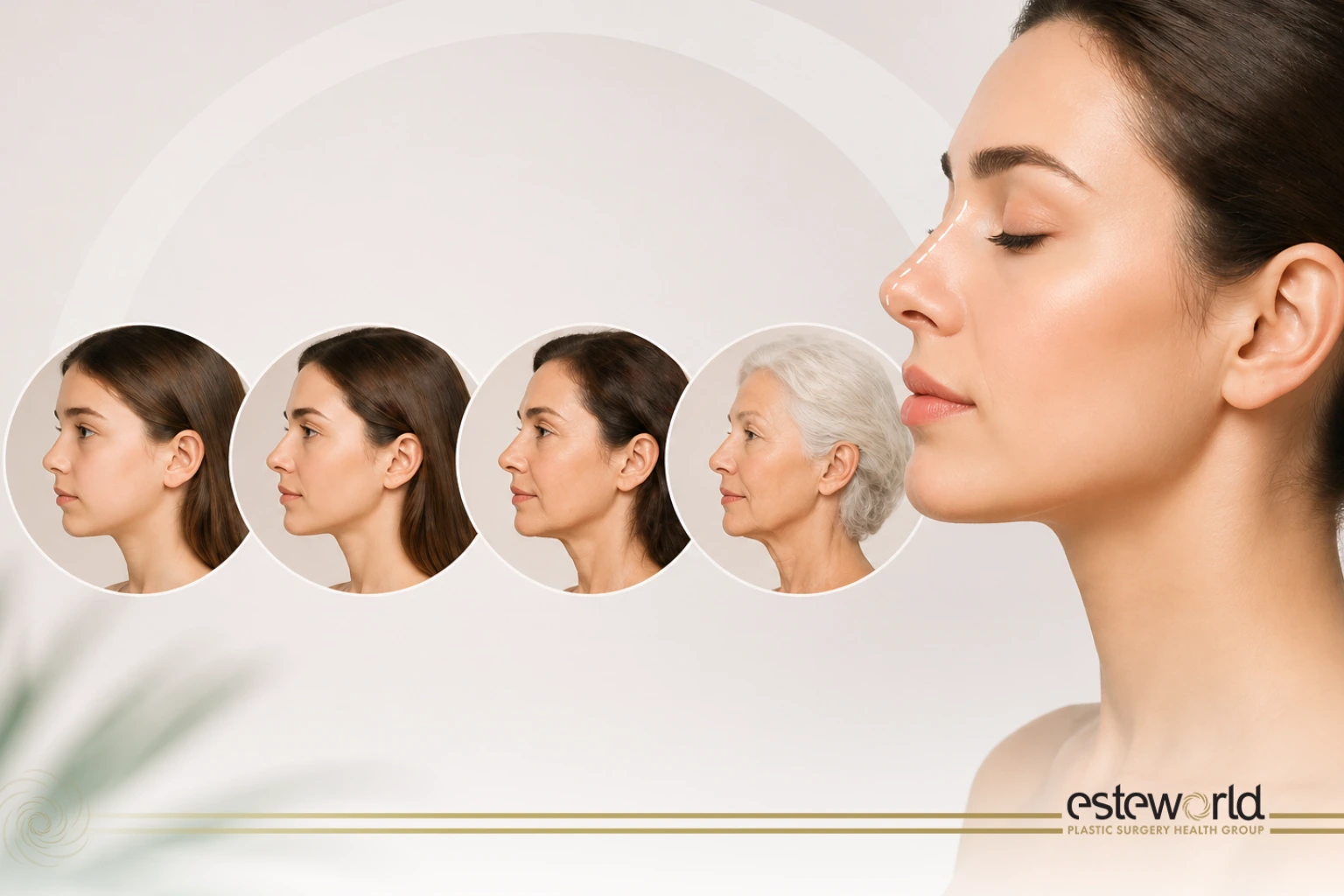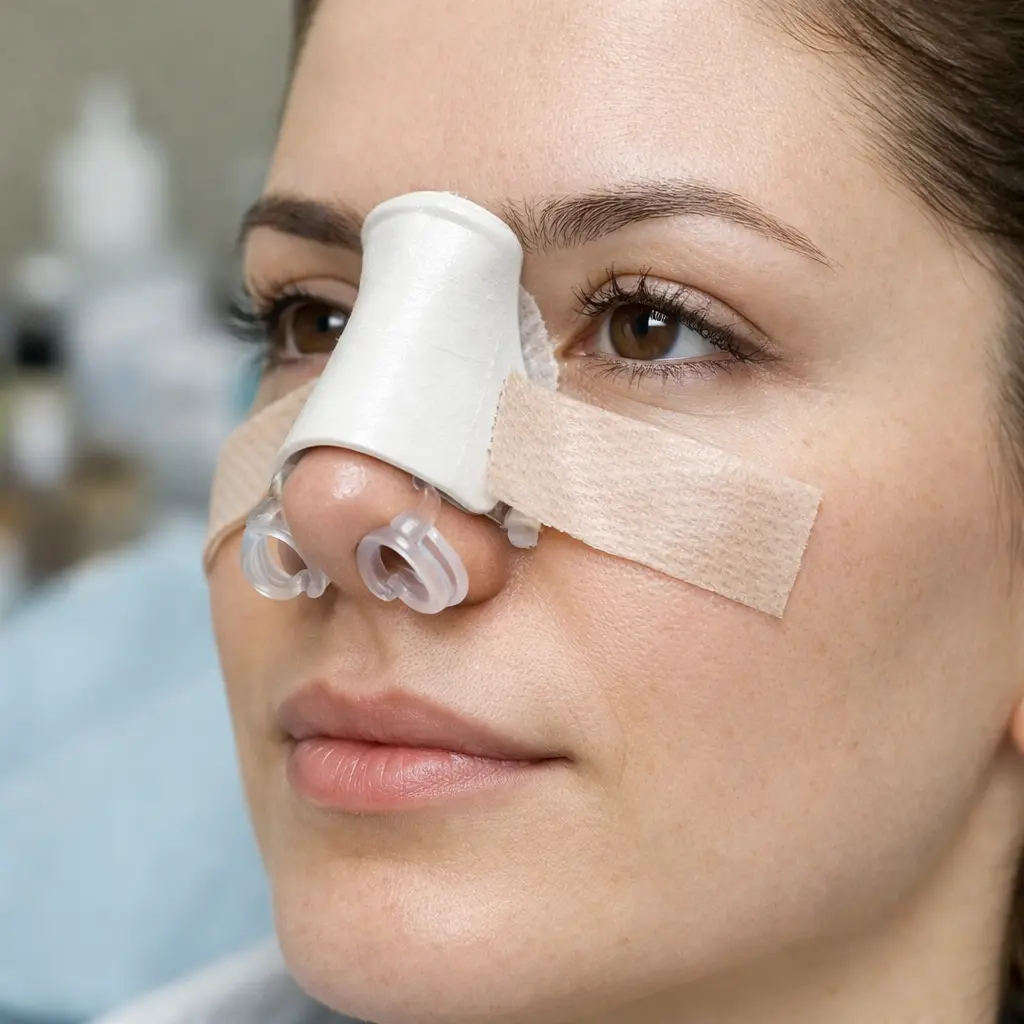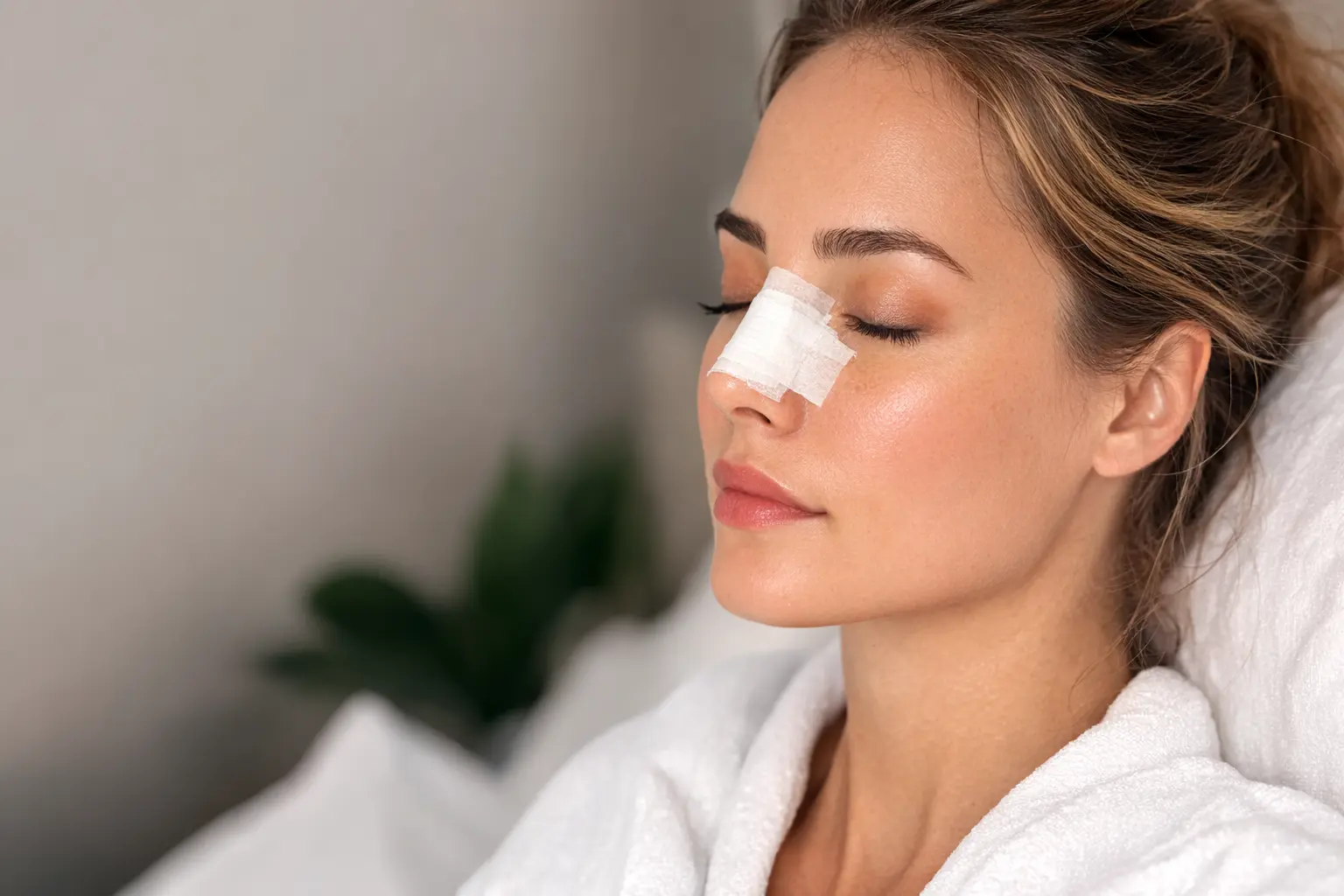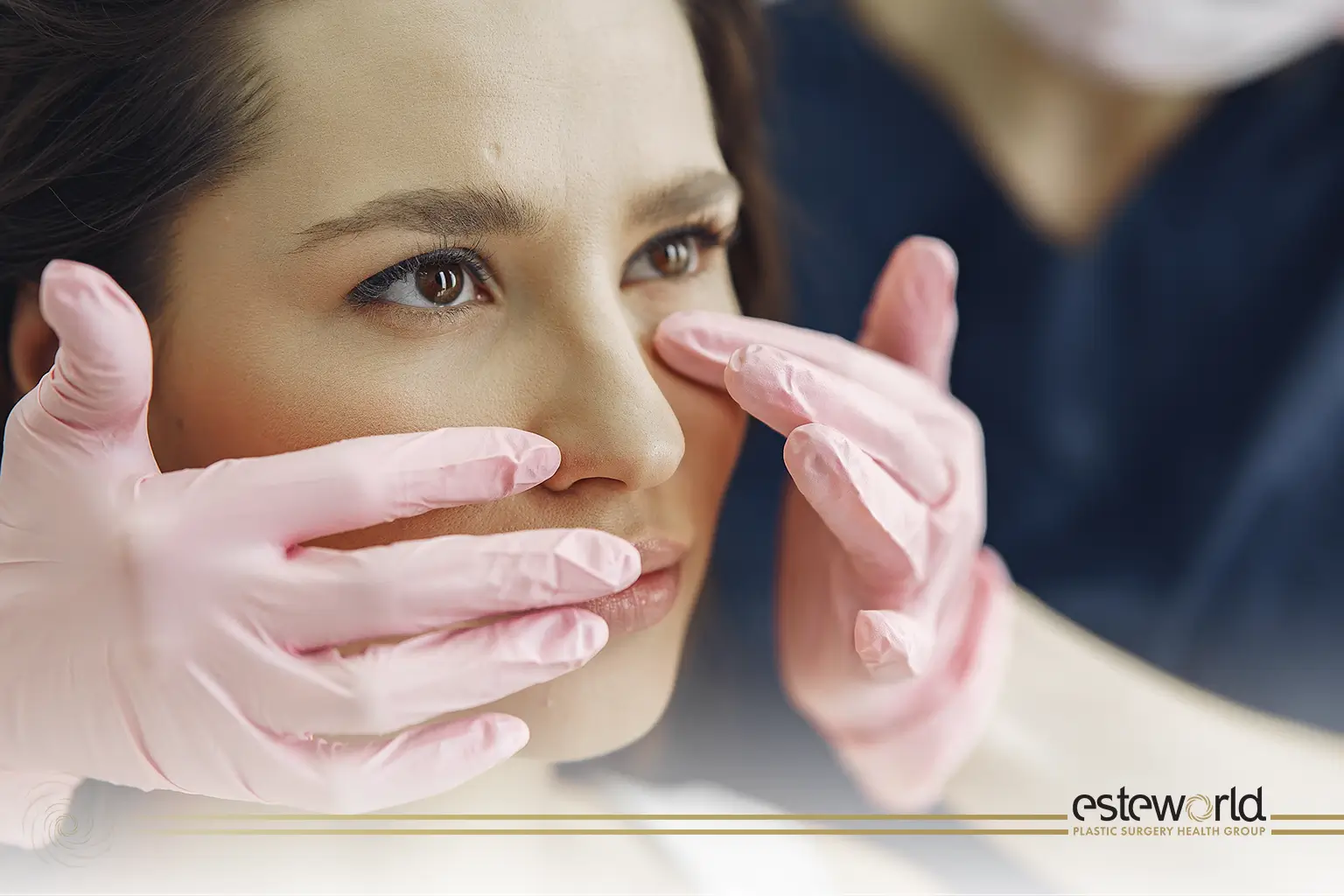

Rhinoplasty is not only an aesthetic procedure but also a comprehensive surgical operation that improves breathing function and facial harmony. However, after the surgery, the body naturally enters a healing process, during which swelling, bruising, and edema may occur.
These effects are generally temporary and can be reduced more quickly with proper post-operative care. The first few weeks after rhinoplasty are the most delicate phase of recovery. Applying the right care methods during this period both increases comfort and helps the final results become visible sooner.
Why Do Swelling, Bruising, and Edema Occur After Rhinoplasty?
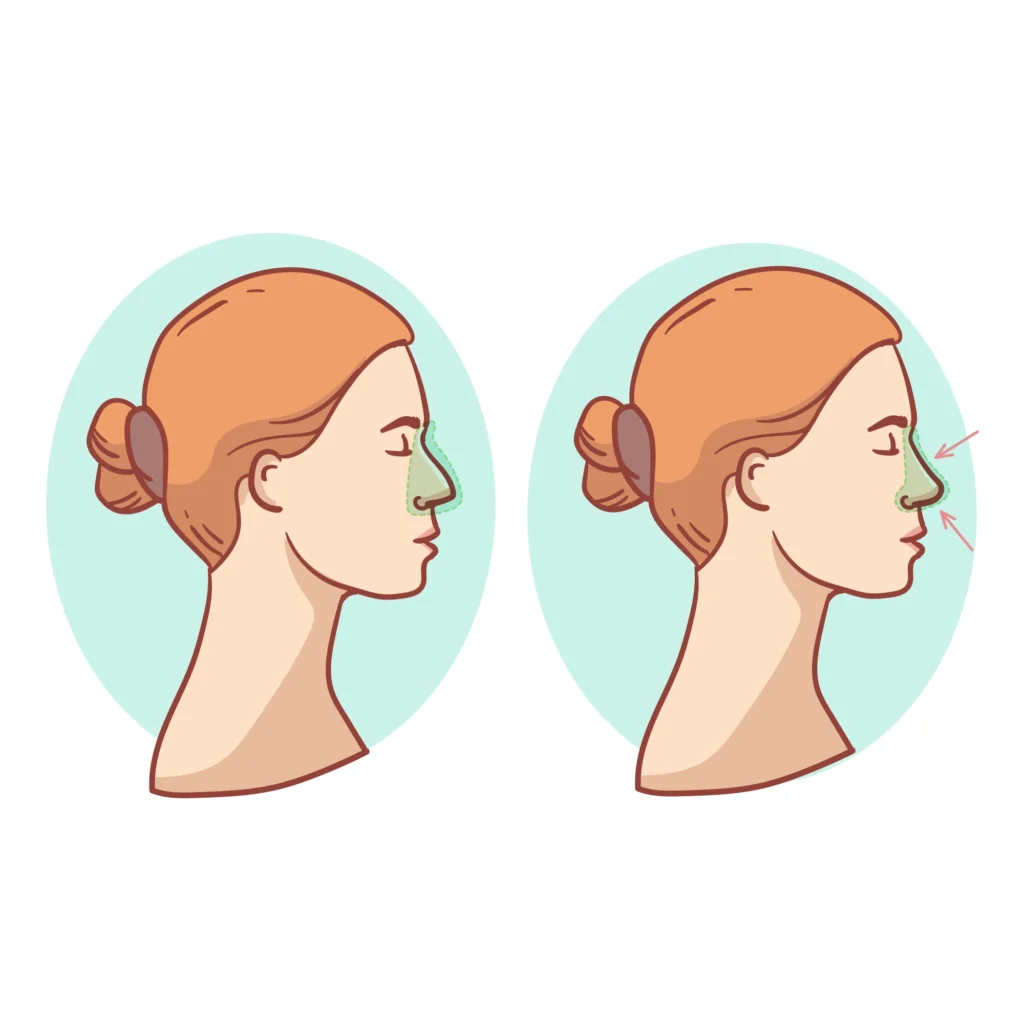
During rhinoplasty, the nasal bone and soft tissues are reshaped, which can affect the surrounding capillaries. This triggers the body’s natural defense mechanism, leading to fluid accumulation (edema) between tissues.
-
Swelling develops as a natural reaction to surgical trauma and is usually most intense during the first three days.
-
Bruising typically appears around the nose and under the eyes due to temporary damage to small blood vessels during surgery.
-
Edema around the nasal tip and nearby areas takes longer to subside.
These symptoms are part of the healing process. Noticeable improvement is usually seen within the first two weeks, although skin type, metabolic rate, and surgical technique can affect the recovery timeline.
10 Effective Tips to Reduce Swelling, Bruising, and Edema After Rhinoplasty
Swelling, bruising, and edema following rhinoplasty are completely normal and temporary. However, the recovery rate varies from person to person. Factors such as skin type, surgical method, and lifestyle habits can influence the process. To support faster healing and a more comfortable recovery, consider the following key recommendations:
1. Apply Cold Compresses: Use cold compresses regularly during the first 48 hours. This constricts blood vessels and helps reduce swelling and bruising.
2. Keep Your Head Elevated: Sleep with two pillows to keep your head elevated. This prevents fluid accumulation and helps reduce swelling.
3. Stay Hydrated: Drink plenty of water to help your body flush out toxins and support tissue recovery.
4. Reduce Salt Intake: Too much salt causes water retention and increases swelling. Stick to a low-sodium diet during recovery.
5. Avoid Direct Sun Exposure: Sunlight may cause bruises to darken or become permanent. Avoid direct exposure during the first few weeks.
6. Avoid Smoking and Alcohol: Both restrict blood vessels and slow circulation, delaying the healing process.
7. Use Doctor-Recommended Creams: Topical gels or creams containing arnica or vitamin C may help bruises fade more quickly.
8. Do Light Exercise: Low-impact activities like walking can improve blood circulation and support recovery.
9. Avoid Touching Your Nose: Do not apply pressure or massage your nose before swelling subsides, as tissues are still sensitive.
10. Attend Follow-Up Appointments: Your surgeon will monitor the healing process and adjust your treatment plan if necessary.
These tips will help you recover more comfortably after rhinoplasty. However, everyone’s healing process is unique — always follow your doctor’s specific instructions for the best outcome.
Swelling, bruising, and edema after rhinoplasty are natural and temporary aspects of recovery. With proper care and patience, these effects fade, revealing a more defined nasal contour.
At Esteworld, rhinoplasty procedures are performed using personalised planning and modern surgical techniques to ensure a comfortable and well-managed recovery. To learn more about rhinoplasty and post-operative care, contact our team today.
💬 Note: Recovery varies from person to person. For accurate guidance, always consult your board-certified plastic surgeon.
Everything You Need to Know About Swelling, Bruising and Edema After Rhinoplasty