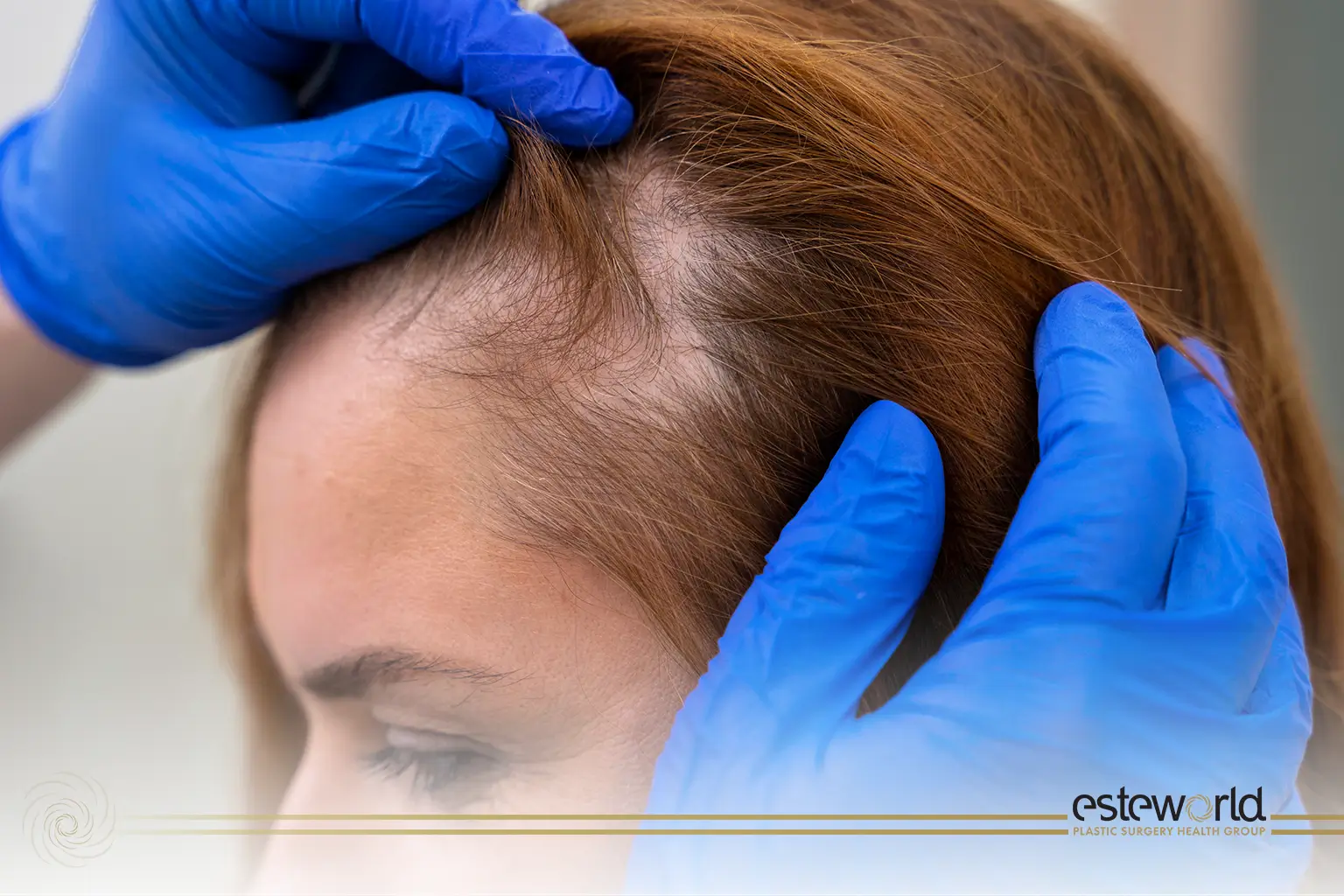

Hair loss in women is a silent struggle. While it’s often discussed in the context of male pattern baldness, research shows that around 40% of women experience noticeable hair loss by the age of 50. This isn’t just a cosmetic issue—it can deeply affect self-esteem, mental health, and daily confidence.
In response to this growing concern, more women are turning to hair transplant procedures to regain their natural appearance—and some of them are doing so in the public eye. Female celebrities, once reluctant to address hair loss, are now helping break the stigma by openly—or visibly—embracing hair restoration.
Celebrities With Hair Loss Female
Hair loss can happen to anyone, regardless of status or fame. The following celebrities have been open about their struggles with hair thinning, alopecia, or hair damage from styling:
- Naomi Campbell has spoken openly about traction alopecia due to years of tight hairstyles and extensions.
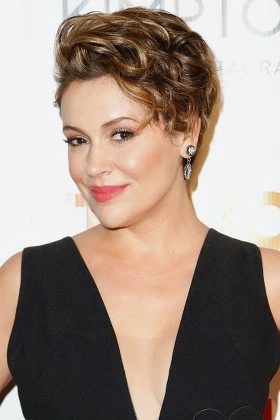
- Alyssa Milano revealed her battle with post-COVID hair shedding, sharing her experience on social media.
- Kristin Davis, of Sex and the City fame, admitted to significant hair thinning and a dependency on extensions.
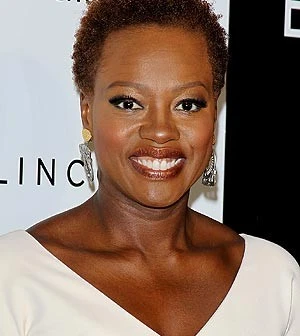
- Viola Davis discussed living with alopecia areata, a condition that causes patchy hair loss.
- Jada Pinkett Smith has been vocal about her own alopecia journey, even addressing it publicly at major events.
Their transparency has sparked global discussions and inspired countless women to seek professional support.
Female Celebrities Rumoured to Have Had Hair Transplants
While some stars openly speak about hair loss, others are rumoured to have undergone hair transplant procedures based on media analysis, visual comparisons, or public appearances.
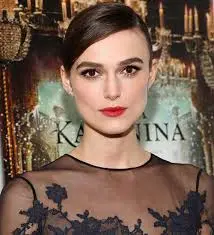
- Keira Knightley reportedly struggled with hair damage from over-styling and is speculated to have opted for a restoration method.
- Jennifer Aniston, known for her iconic hair, allegedly explored hair treatments in her 40s due to thinning.
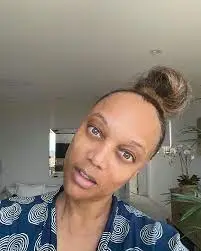
- Tyra Banks once admitted to extreme stress-related hair shedding and may have used restoration techniques.
- Naomi Campbell, mentioned earlier, is also rumoured to have had hairline correction surgery.
It’s important to note that such information is speculative unless confirmed—but their transformations speak volumes.
Hair Transplant Female Celebrities Before and After
Why Hair Transplant Is a Viable Option for Women
Hair transplantation is no longer a solution exclusive to men. Today, more and more women are choosing modern techniques to restore their hairline, fill in thinning areas, and regain their confidence. Thanks to methods specifically adapted for female patients, the process has become more comfortable, discreet, and effective than ever before.
Popular Techniques:
DHI (Direct Hair Implantation): This method allows transplantation without shaving the head, making it ideal for women. With unshaven hair transplant, the procedure is virtually undetectable, and patients can return to their daily lives without visible signs of treatment. It is currently the most preferred technique among female patients.
FUE (Follicular Unit Extraction): Follicles are individually harvested and implanted, offering natural-looking results with minimal to no scarring—especially effective in the donor area.
Key Benefits:
- Customised hairline design that complements facial structure
- Natural and long-lasting results
- Boosted confidence and overall quality of life
- Unshaven technique ensures discretion and immediate return to social life
- Minimal downtime with visible improvements in just a few months
Women affected by traction alopecia, stress-related hair shedding, or hormonal thinning are often excellent candidates for these advanced hair transplant solutions.
Why Unshaven Hair Transplant Matters for Women
For many women, shaving their entire head for a hair transplant can be an aesthetically and emotionally challenging step. That’s why the unshaven DHI technique has become a preferred approach in recent years, especially in the context of female hair transplant procedures. As one of the most discreet methods of hair transplant for women, it offers several advantages:
- The existing hair remains intact, making the procedure virtually unnoticeable in daily life.
- Grafts are implanted directly without the need to shave the scalp.
- It provides a private and convenient recovery process, ideal for women in the public eye.
- The hairline can be customised to suit female facial features for natural-looking results.
Its advantages include:
- The existing hair remains intact, making the procedure unnoticeable in daily life.
- Grafts are implanted directly, leaving no visible scars.
- Ideal for women in the public eye, as it offers a discreet recovery process.
- Hairlines can be designed specifically to suit female facial features.
Because of these benefits, unshaven hair transplantation has become a preferred solution among female celebrities who want to restore their hair discreetly without drawing attention.
Where Do Celebrities Get Hair Transplants?
Many celebrities choose clinics known for discretion, quality, and innovation. Popular locations include:
- Istanbul, Turkey – A global leader in hair transplant tourism. Clinics like Esteworld offer world-class technology and internationally accredited surgeons.
- Beverly Hills, USA – Luxury, privacy, and high-profile doctors.
- London, UK – Convenient and confidential for European-based celebrities.
Factors influencing the decision include technique availability, cost, experience of the surgeon, and privacy during the recovery phase.
What Hair Transplant Methods Do Celebrities Prefer?
Celebrities rarely disclose which specific hair transplant techniques they use. However, based on expert analyses and industry insights, the following methods are believed to be the most commonly preferred:
- DHI (Direct Hair Implantation) Technique: Known for its precision in designing the hairline, DHI also allows for unshaven procedures, making it a top choice among female patients seeking discreet results.
- Unshaven Hair Transplant: Especially developed for women, this method enables transplantation without shaving the existing hair. It allows patients to maintain their appearance throughout the process and return to social life immediately after the procedure.
- FUE (Follicular Unit Extraction): Hair follicles are harvested one by one and implanted to achieve a natural density. The donor area, typically at the back of the scalp, remains minimally visible or scar-free, making it a reliable option.
- PRP Therapy (Platelet-Rich Plasma): Applied post-transplant, PRP accelerates healing and strengthens transplanted follicles, resulting in denser and healthier hair growth.
- Exosome Hair Therapy: A cutting-edge regenerative treatment gaining popularity in recent years. Exosomes promote cell communication and repair, helping to rejuvenate and stimulate dormant hair follicles. When combined with hair transplantation, it can significantly enhance the overall outcome.
- Stem Cell Hair Therapy: A biotechnology-based solution aimed at reducing hair loss and stimulating new hair growth. Often used as a complementary treatment either before or after transplantation.
These methods differ from traditional male hair restoration techniques and are specifically tailored to suit female hairlines. The goal is to create softer, denser, and more natural-looking results, aligned with the unique structure and aesthetic expectations of female patients.
You can contact us to get detailed information about hair transplantation and treatments.